-
Butyrate Corrects Gut Microbiota Imbalance

In an animal study, sodium butyrate (NaB) was demonstrated to correct gut microbiota imbalance induced by a high fat diet (HFD), while considerably elevating the magnitude of the beneficial bacteria Christensenellaceae, Blautia and Lactobacillus. These bacteria characteristically produce high amounts of butyric acid. Butyrate in turn served to restore the intestinal mucosa damage induced by…
-
Vitamin E Supplementation for Improved Liver Histology

Vitamin E supplementation was previously reported to improve liver histology in patients with nonalcoholic steatohepatitis, which is a manifestation of the metabolic syndrome (MetS). α-tocopherol bioavailability in healthy adults is higher than in those with MetS, thereby suggesting that the latter group has increased requirements. In populations with MetS-associated hepatic dysfunction, impaired α-tocopherol trafficking is…
-
Biotics Research is pleased to announce a new product, ScentArest®!

Compounds that trigger chemical intolerance and sensitivities include sulfites, phenolic compounds (tannins), mold or yeasts (aldehydes), prostaglandins, histamines, tyramines and congeners (chemical residues from fermentation. Metabolism of these compounds takes place in the liver. Nutrigenomics related to genetic polymorphisms of methylation and detoxification dramatically influence liver metabolism of these compounds. ScentArest® supplies key nutrients shown…
-
Probiotics Provide General Health Benefits on Various Systemic and Gastrointestinal Disorders

Gastric ulcer is one of the most common chronic gastrointestinal [ailments] characterized by a significant defect in the mucosal barrier. Helicobacter pylori (H. pylori) infection and the frequent long term use of non steroidal anti inflammatory drugs are major factors involved in gastric ulcer development. Acid inhibitors and antibiotics are commonly used to treat gastric…
-
PPI Use – More Bad News
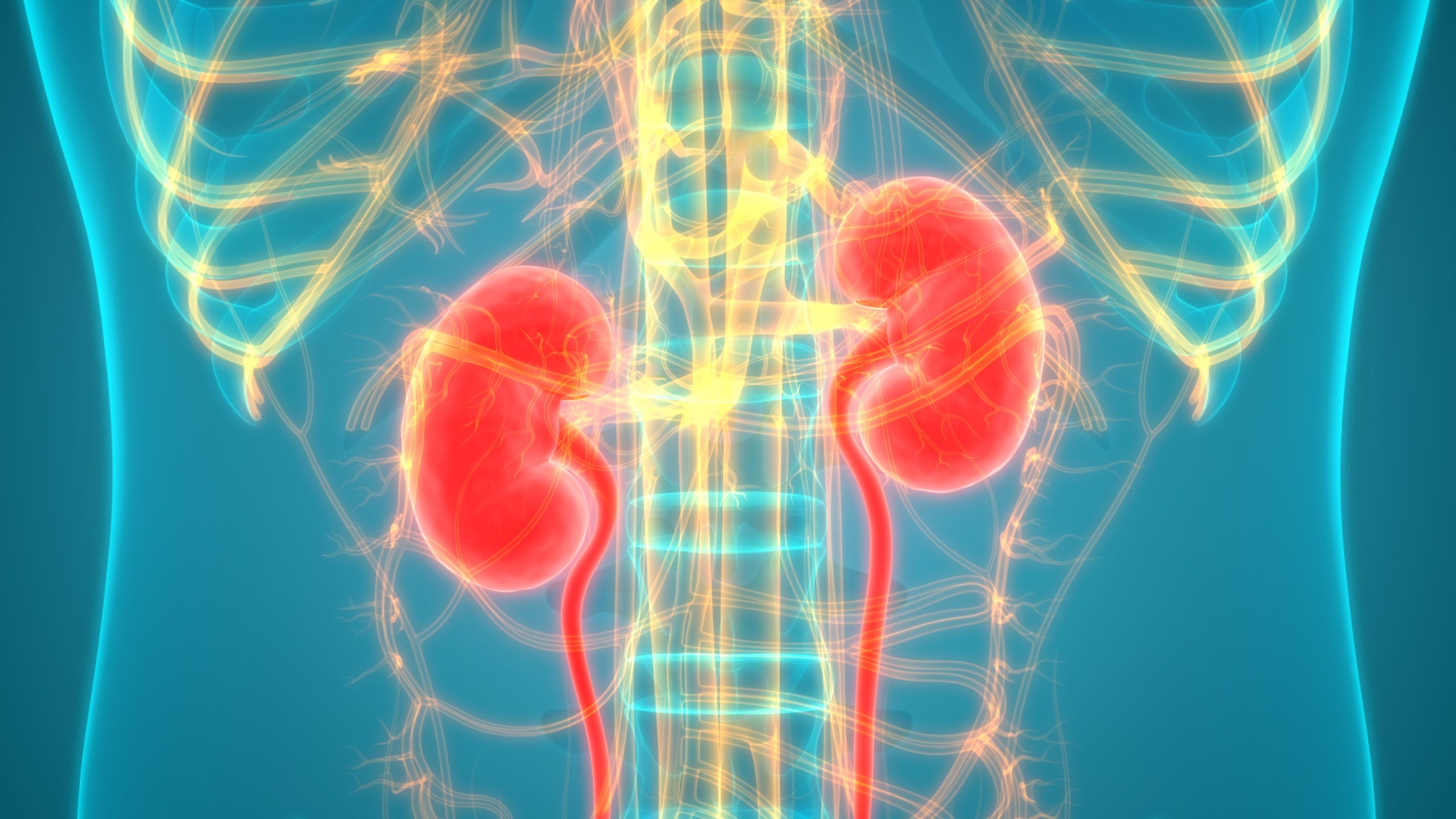
Proton pump inhibitors (PPIs) are among the most commonly prescribed and used drugs worldwide, and have been linked to acute interstitial nephritis. It has been estimated that between 25% and 70% of these prescriptions have no appropriate indication, and the duration of use extends well beyond recommended guidelines. The object of this study was to…
-
Vitamin D Supplementation Positively Impacts GI Diseases

It is well known that vitamin D positively influences human health, but data on its impact on the human gut microbiome are lacking. Researchers conducted a pilot study on sixteen healthy volunteers. They were endoscopically examined to access a total of 7 sites to investigate the effects of oral vitamin D3 supplementation on the human…
-
Chondroitin and Glucosamine Reduced Colon Cancer Risk

Epidemiologic evidence suggest that the use of chondroitin and glucosamine supplements are associated with reduced risk of colorectal cancer (CRC). Researchers evaluated the association between the use of these supplements and the CRC risk in two prospective cohorts: The Nurses’ Health Study and Health Professionals Follow-up Study. Cox proportional hazards regression was used to estimate…
-
Vitamin D supplementation for Autism Symptoms

Researchers from 8 institutions in five countries (Egypt, Saudi Arabia, Norway, China and England) participated in a double-blinded, randomized clinical trial of 109 children (ages 3-10) to determine the efficacy of vitamin D3 supplementation in Autism Spectrum Disorder (ASD) patients. Of those participating, 57% had vitamin D deficiency, and 30% had vitamin D insufficiency. These…
-
Coenzyme Q10 for Metabolic Syndrome
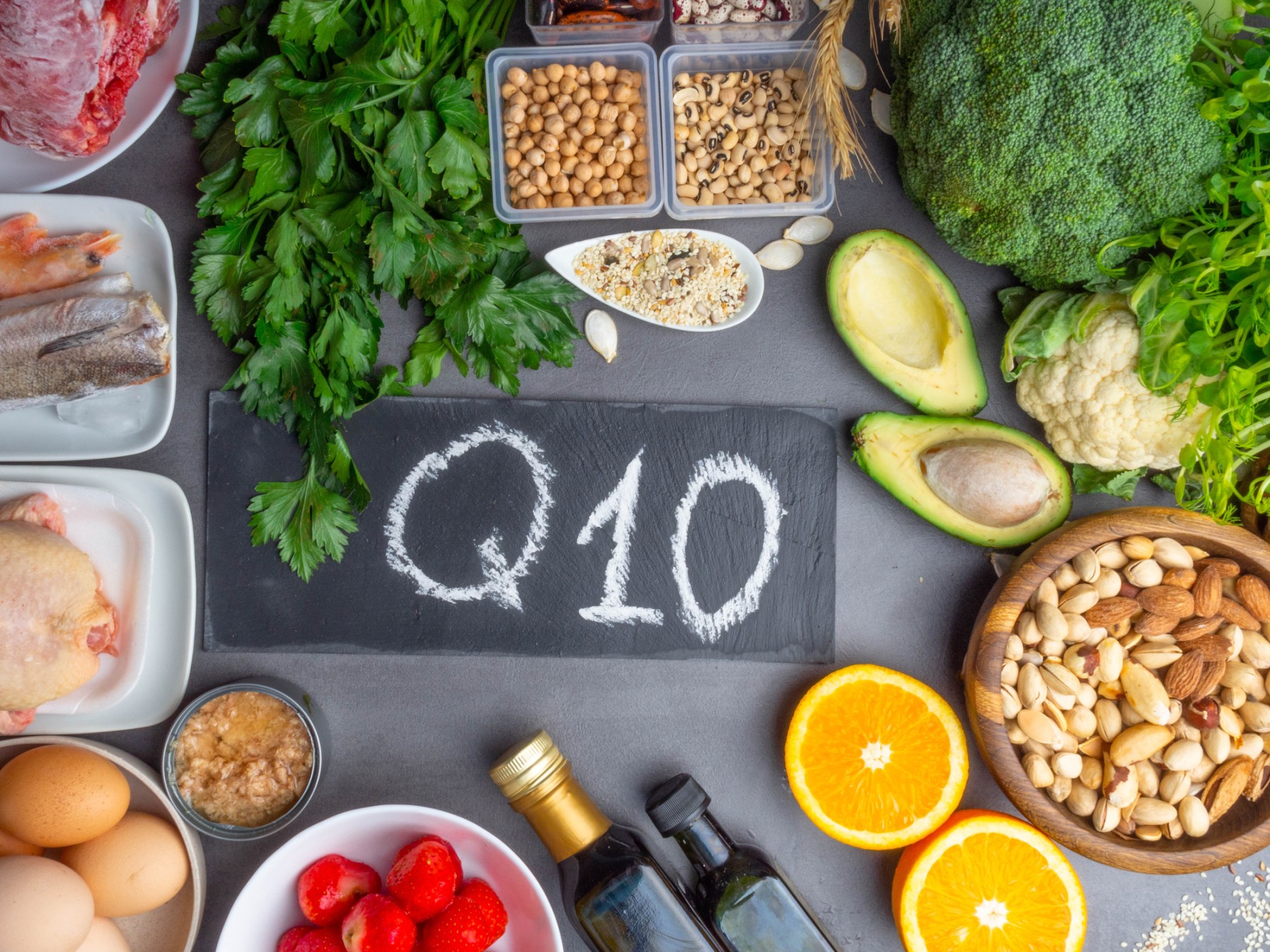
Researchers wishing to determine the effects of CoQ10 supplementation on glucose homeostasis parameters, designed a study to assess the effect of CoQ10 supplementation on patients with metabolic syndrome (MetS). They conducted a randomized, double-blind, placebo-controlled trial with 60 overweight or obese and type 2 diabetes mellitus (T2DM) patients with coronary heart disease (40-85 yrs old).…
-
Saccharomyces boulardii for Obesity and Type 2 Diabetes
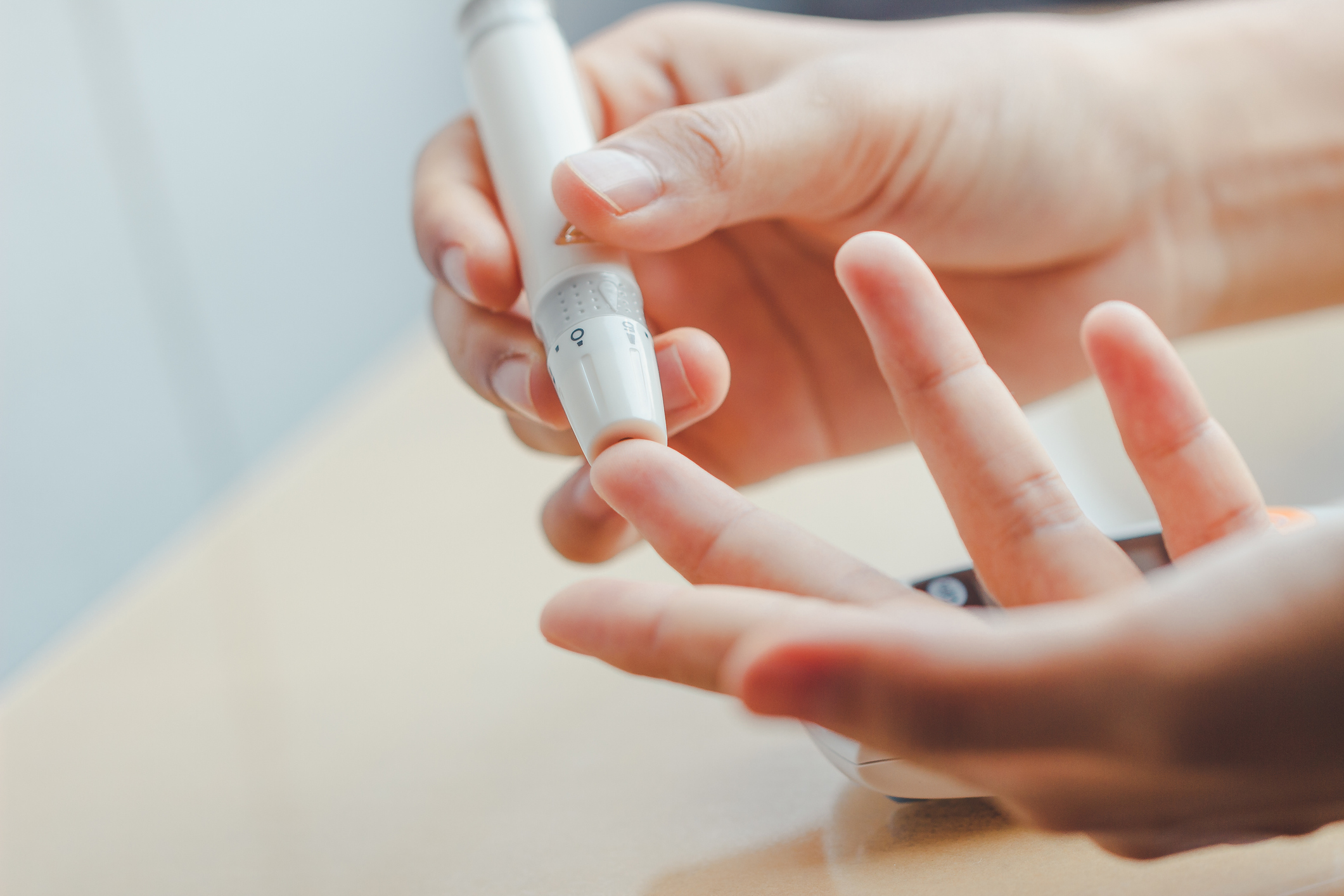
Evidence shows that gut microbes are key factors involved in regulating energy homeostasis, metabolic inflammation, lipid metabolism, and glucose metabolism. Researchers conducted a study to evaluate the impact of S boulardii on obesity and associated metabolic features including fat mass development, hepatic steatosis, and low-grade inflammation in obese mice. S. boulardii was administer orally each…
Shop Our Brands: