-
Vitamin D & Telomere Length

The American Journal of Clinical Nutrition recently published the results of a randomized and placebo-controlled trial evaluating the effect of vitamin D on leukocyte telomere length (LTL), an established biomarker of aging. Known as the VITAL Telomere study, it was a subset of the much larger VITamin D and OmegA-3 TriaL (VITAL) trial, an ongoing…
-
Myo-Inositol, Obesity &PCOS
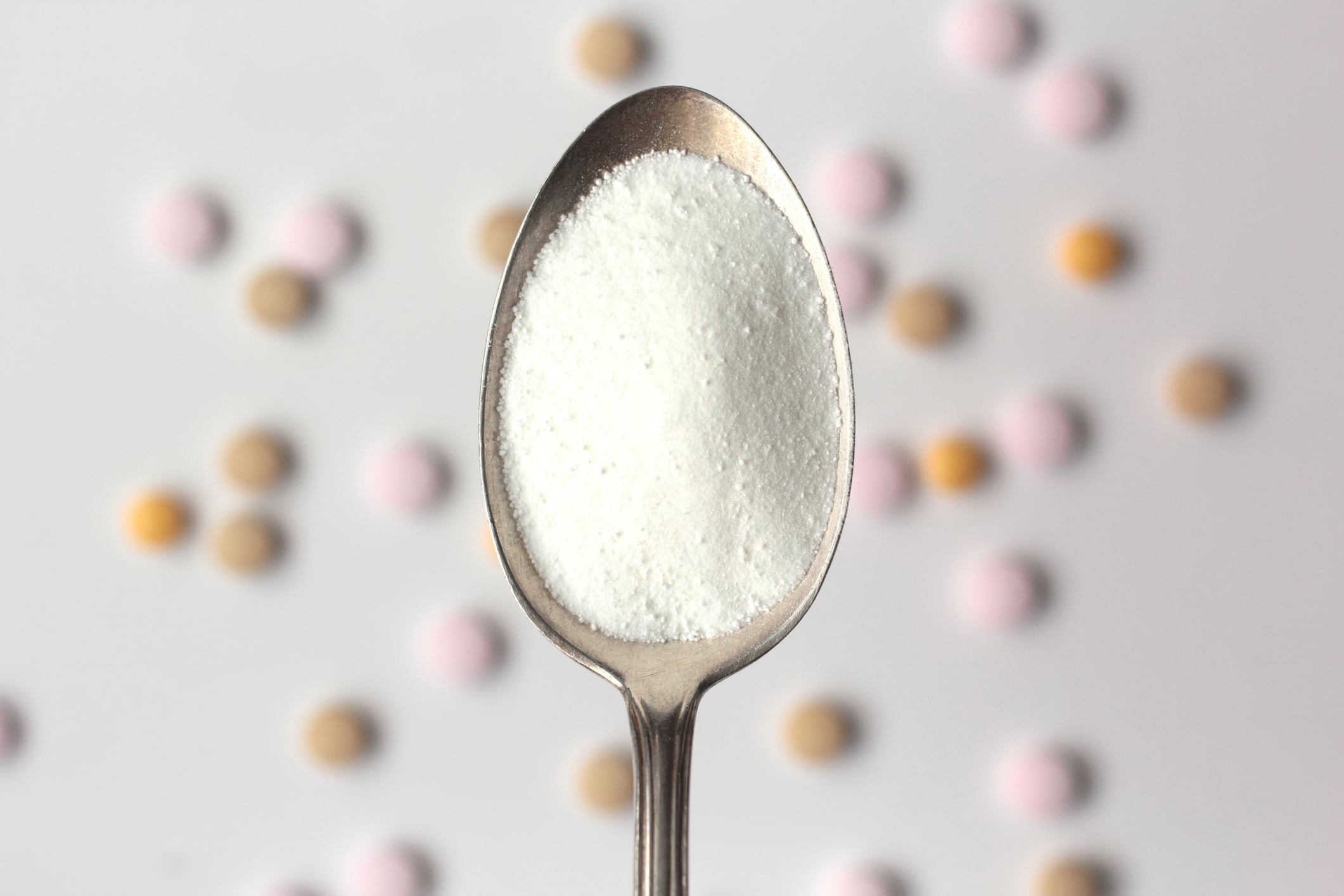
Two controlled trials evaluating supplemental myo-inositol have recently been published. The first, in the journal Diabetes, Obesity & Metabolism, was a randomized and placebo-controlled trial evaluating the effect of a combination of myo-inositol and zinc on insulin resistance (HOMA-IR) among children with obesity. Fifty children completed this three-month study, which took place in Italy. Participants…
-
Questioning LDL Targets
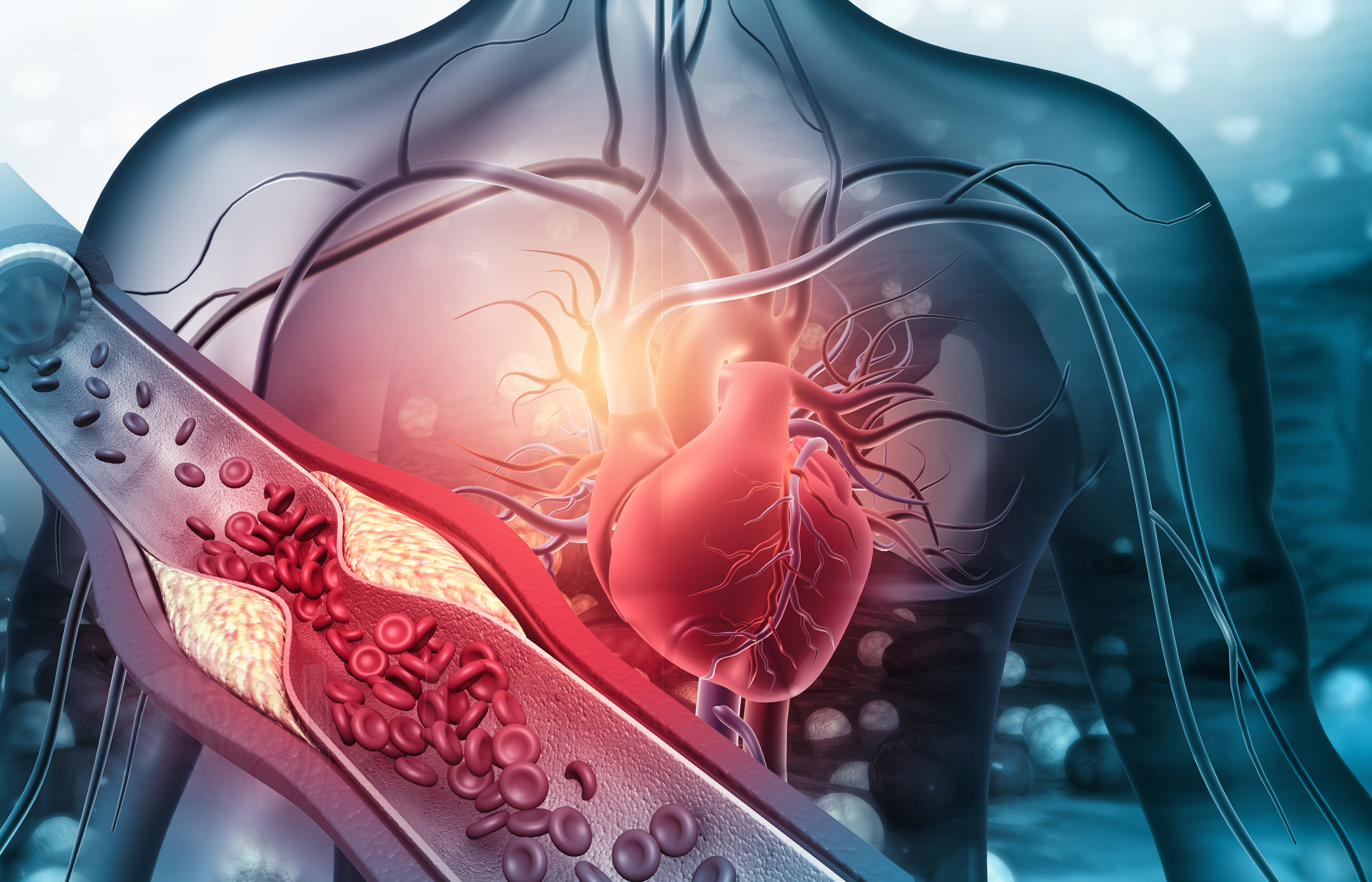
“Clinical guidelines have progressively lowered the recommended LDL-C target for high-risk CVD patients to below 70 mg/dL, but scientific support for this target is arguably questionable.” A review published recently in the Journal of Clinical Medicine adds to research questioning the relationship between LDL-cholesterol (LDL-C) and cardiovascular disease (CVD). Previous blogs and Research Forums have…
-
Vitamin D & Eating Disorder Risk

The journal Medicine (Baltimore) recently published the results of a Mendelian randomization analysis evaluating the links between eating disorders, specifically anorexia nervosa and bulimia nervosa, and 25-hydroxyvitamin D (25-OHD) levels. Previous studies suggest that not only is low 25-OHD more likely among people with eating disorders, but it is also associated with greater morbidity and,…
-
Probiotics & Diet for Periodontitis

The results of a randomized and controlled clinical trial, which evaluated the use of probiotics by people with periodontitis, with and without a personalized dietary intervention, were recently published in BMC Oral Health. One hundred twenty women between the ages of 20-60 and diagnosed with mild to moderate periodontitis were divided into 3 groups; one…
-
Curcumin, Diabetes & Cardiovascular Risk
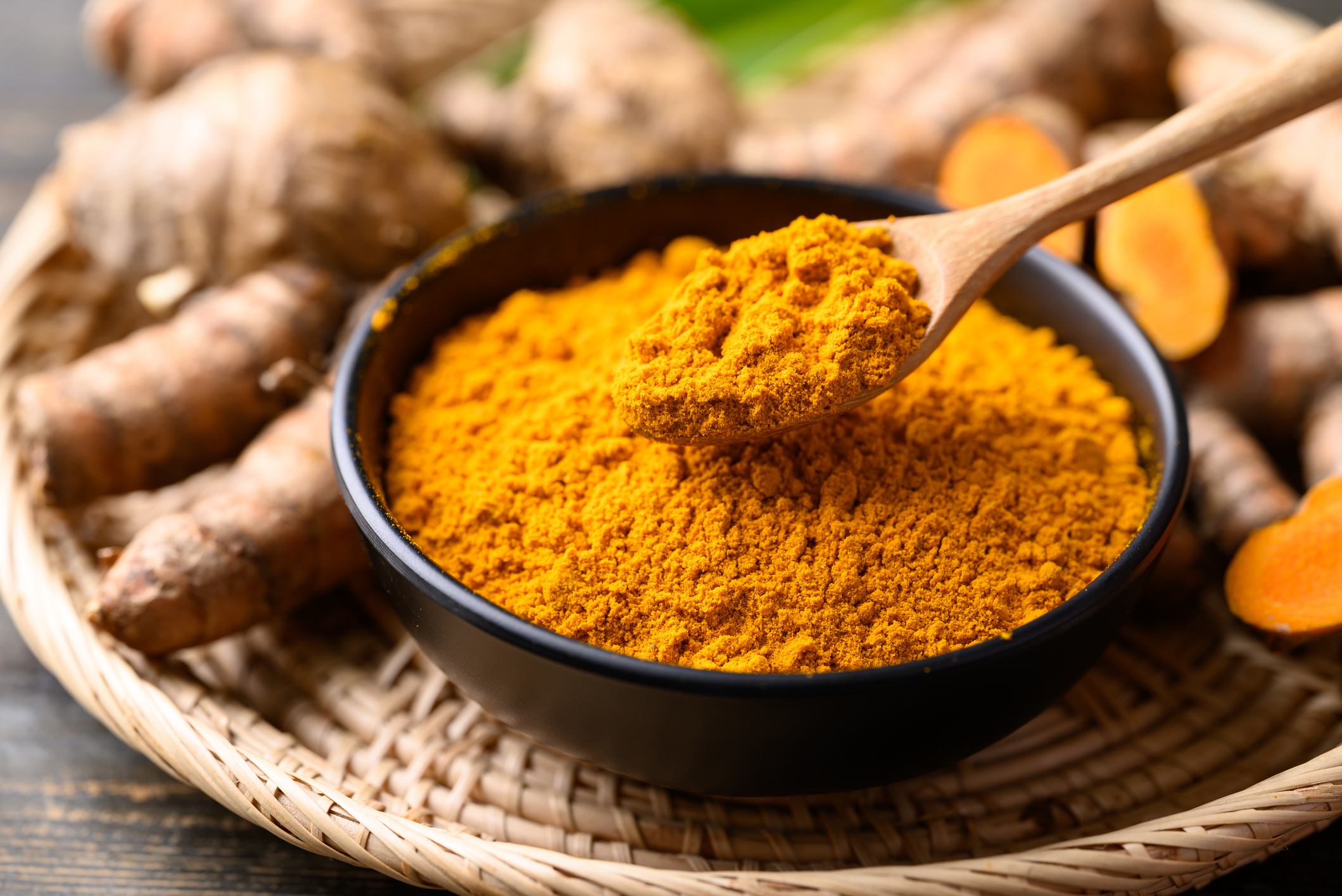
Scientific Reports, one of the Nature journals, has recently published the results of a randomized clinical trial evaluating the supplementation of curcumin on clinical outcomes and atherosclerotic cardiovascular disease risk (ASCVD) among diabetic participants. This was an open-label randomized and controlled trial, with analysis of 72 diabetic participants (aged 50-74) with a calculated 10-year ASCVD…
-
B Vitamins & Brain Aging

In 2021, the Journal of Nutrition, Health, & Aging published an analysis of 2 randomized and placebo-controlled clinical trials, which found that supplementation with B vitamins, specifically folic acid, vitamin B12, and, in one of the trials, vitamin B6, improved global cognitive functioning and slowed brain atrophy among older adults with mild cognitive impairment (MCI)…
-
Inflammation & Industrialization

The journal Nature Aging recently published the results of a population study evaluating inflammatory markers in four distinct parts of the world, suggesting that inflammation may not be a natural consequence of aging. Two industrialized populations were included in this study, with data drawn from the Italian InCHIANTI study and the Singapore Longitudinal Aging Study…
-
Long-Term Diabetes Program

Results of the U.S. Diabetes Prevention Program (DPP) were first published in 2002 in the New England Journal of Medicine, describing the effects of standard lifestyle recommendations combined with either placebo or metformin, in comparison to a more intensive lifestyle program (which included calorie/fat reduction and exercise, designed to induce at least 7% weight loss)…
-
Vitamin D & MS Risk

The results of a randomized and placebo-controlled trial were recently published in JAMA, evaluating the use of high-dose vitamin D among adults with clinically isolated syndrome (CIS). CIS is defined as the first neurological episode with similar symptoms to multiple sclerosis (MS). It lasts at least 24 hours, is caused by inflammation and demyelination, and…
Shop Our Brands: