-
Vitamin D Supplementation Reduces Glycosylated Hemoglobin A1c
A recent study summarized evidence from randomized controlled trials (RCTs) in an effort to “assess the efficacy of vitamin D supplementation” on decreasing glycosylated haemoglobinA1c (HbA1c) and fasting blood glucose (FBG) levels. Included in the evaluation were 24 studies that assessed HbA1c levels, along with 18 studies that assessed fasting blood glucose. Utilizing a systematic…
-
Is Magnesium’s Performance Comparable a Statin?
“Statins” are documented as “the most prescribed pharmaceuticals in history”, and according to Dr. Timothy Marshall “are also one of the most controversial classes of drugs in use today.” A paper published in 2004 Mildred Seeling, M.D., provided evidence that magnesium functions in lowering cholesterol “by the same mechanisms as statin drugs”. In the body,…
-
Policosanol Supplementation for Enhanced HDL Functionality

Researchers at Yeungnam University in South Korea investigated functional and structural changes in lipoproteins after consumption of policosanol. They analyzed serum parameters in young non-smokers (YN), young smokers (YS), and middle-aged subjects (MN) who consumed policosanol daily (10 mg/day) for 8 weeks. After 8 weeks, systolic blood pressure was significantly lowered from initial levels in…
-
Magnesium Supplementation for Systemic Inflammation?
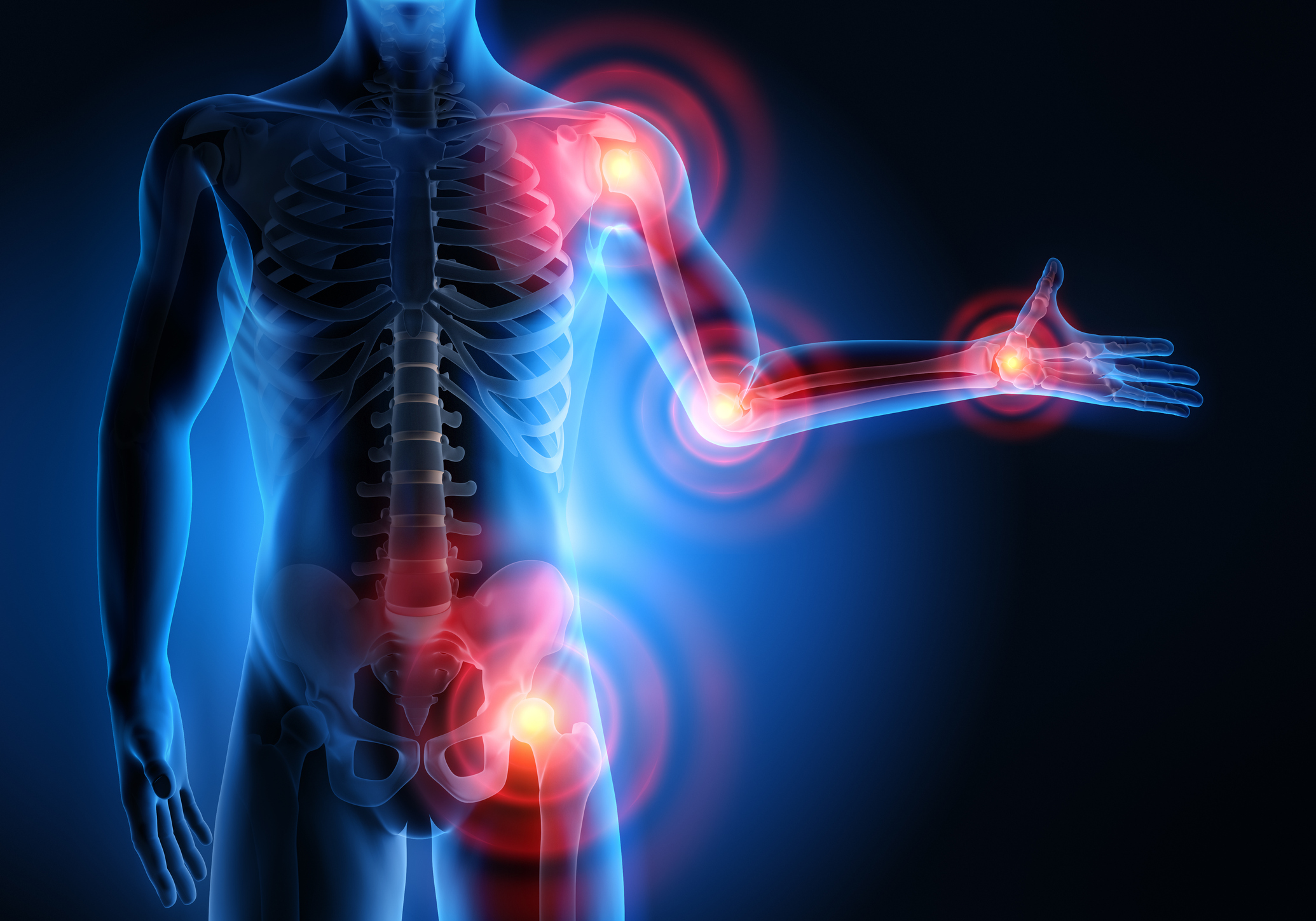
Researchers conducted a review and meta‑analysis of 11 randomized controlled trials (RTCs) to evaluate the effect of oral magnesium supplementation on plasma C-reactive protein (CRP) concentrations. The analysis was stratified to compare subgroups of populations; those with a baseline plasma CRP values of ≤ 3 and those having CRP values > 3. The difference between…
-
Proton Pump Inhibitor Use and Increased Risk of Death
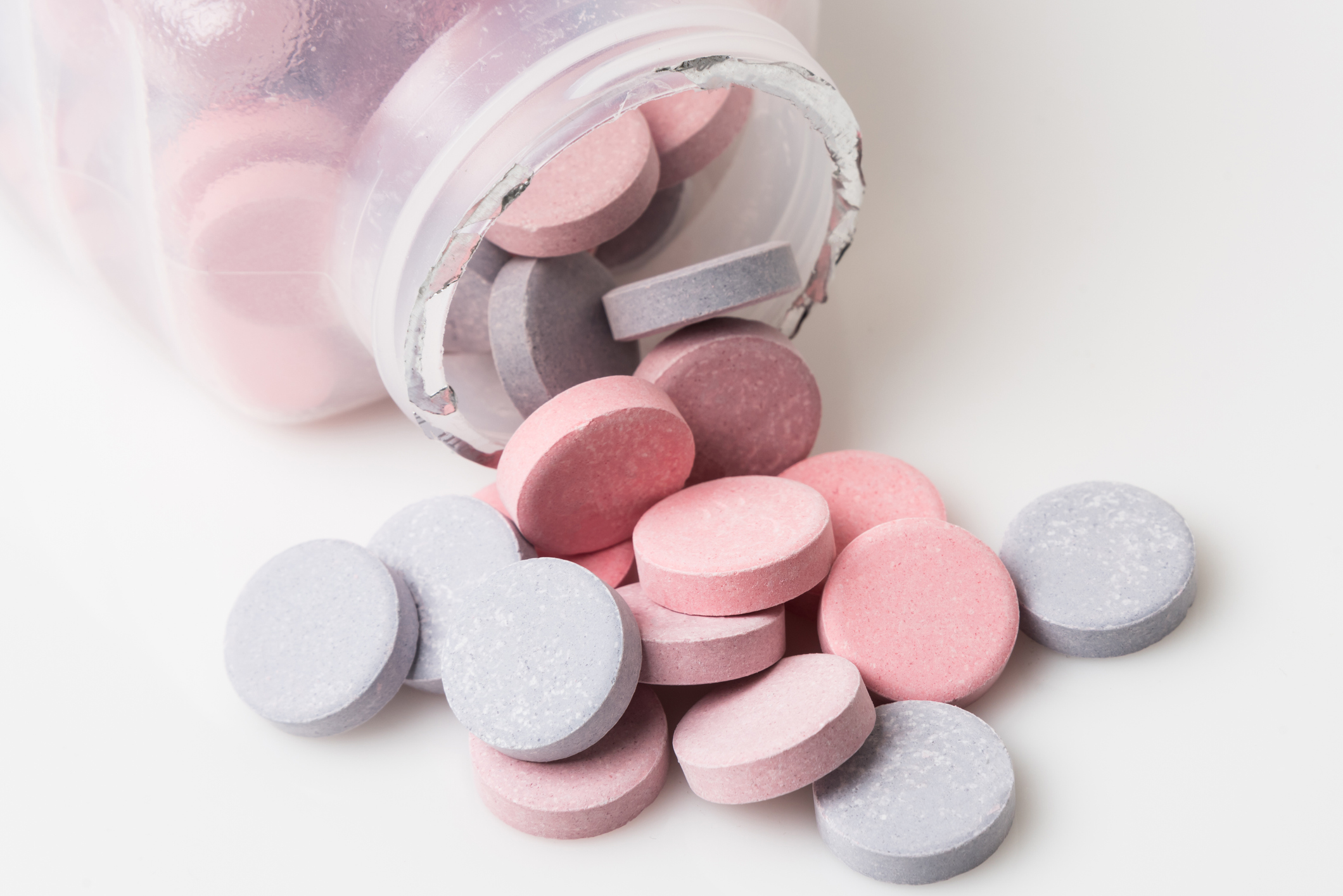
Proton Pump Inhibitor (PPI) are widely used by millions of people for indications and durations that were never tested or approved, and are available via prescription or as over the counter (OTC) in several countries including the United States. They are often overprescribed, rarely deprescribed, and frequently started inappropriately during a hospital stay. Their use…
-
Chondroitin Sulfate (CS) for the Management of Symptomatic Knee Osteoarthritis

In a prospective, randomized, 6-month, 3-arm, double-blind, crossover trial, placebo was compared to Chondroitin Sulfate (800mg/day) and celecoxib (200mg/day). The changes in pain on a Visual Analogue Scale (VAS), and in the Lequesne Index (LI) were assessed as co-primary endpoints. Secondary endpoints of Minimal-Clinically Important Improvement (MCII) and Patient-Acceptable Symptoms State (PASS) were used. 604…
-
Probiotics and Reduced Upper Respiratory Tract Infection in Trained Athletes
Prolonged intense exercise has been associated with transient suppression of immune function and an increased risk of infections. The catabolism of tryptophan via kynurenine may play an important role. Researchers examined the effect of probiotic supplementation on the incidence of upper respiratory tract infections (URTI) and the metabolism of aromatic amino acids after exhaustive aerobic…
-
Curcumin for Prostate Cancer
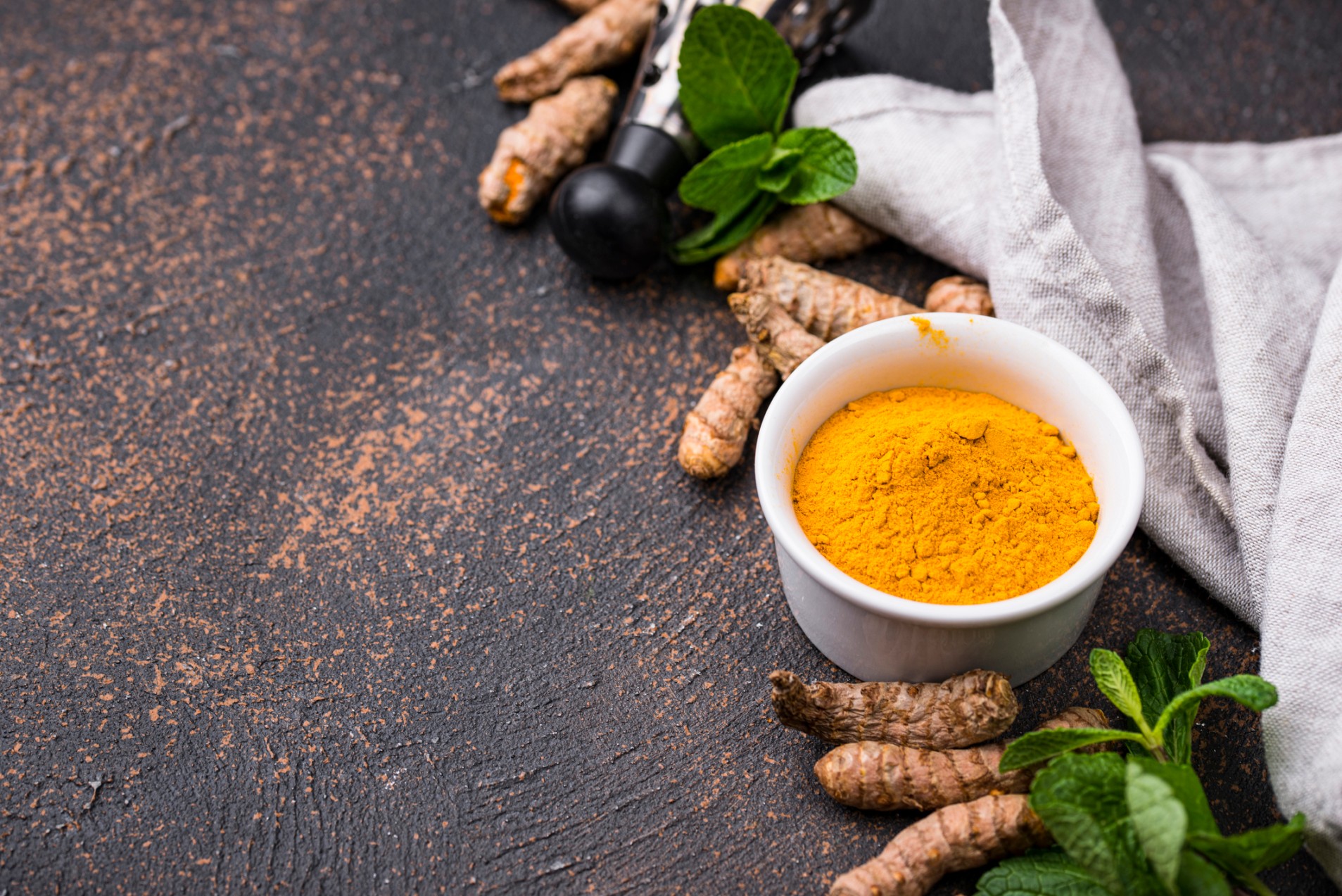
The natural product curcumin has been demonstrated to inhibit numerous targets in prostate epithelial cells with an importance in cancer formation and progression, including transcription factors, receptors, intracellular kinases, cytokines and growth factors. The effect on androgen receptor (AR) and on its target PSA has been demonstrated by several independent investigators using both endogenously expressed…
-
The Health Benefits of Intermittent Fasting

Intermittent fasting appears to calm inflammation and rescue cognitive function in animals’ brains. The action is associated with “knocking down the quantity of proinflammatory cytokines, elevating levels of brain-derived neurotrophic factor (BDNF), and activating the transcription factor known as NF-κB, which is involved in adaptive stress responses. In addition, BDNF activates PGC-1α, which functions in…
Shop Our Brands: