-
Proton Pump Inhibitor Use and Increased Risk of Death
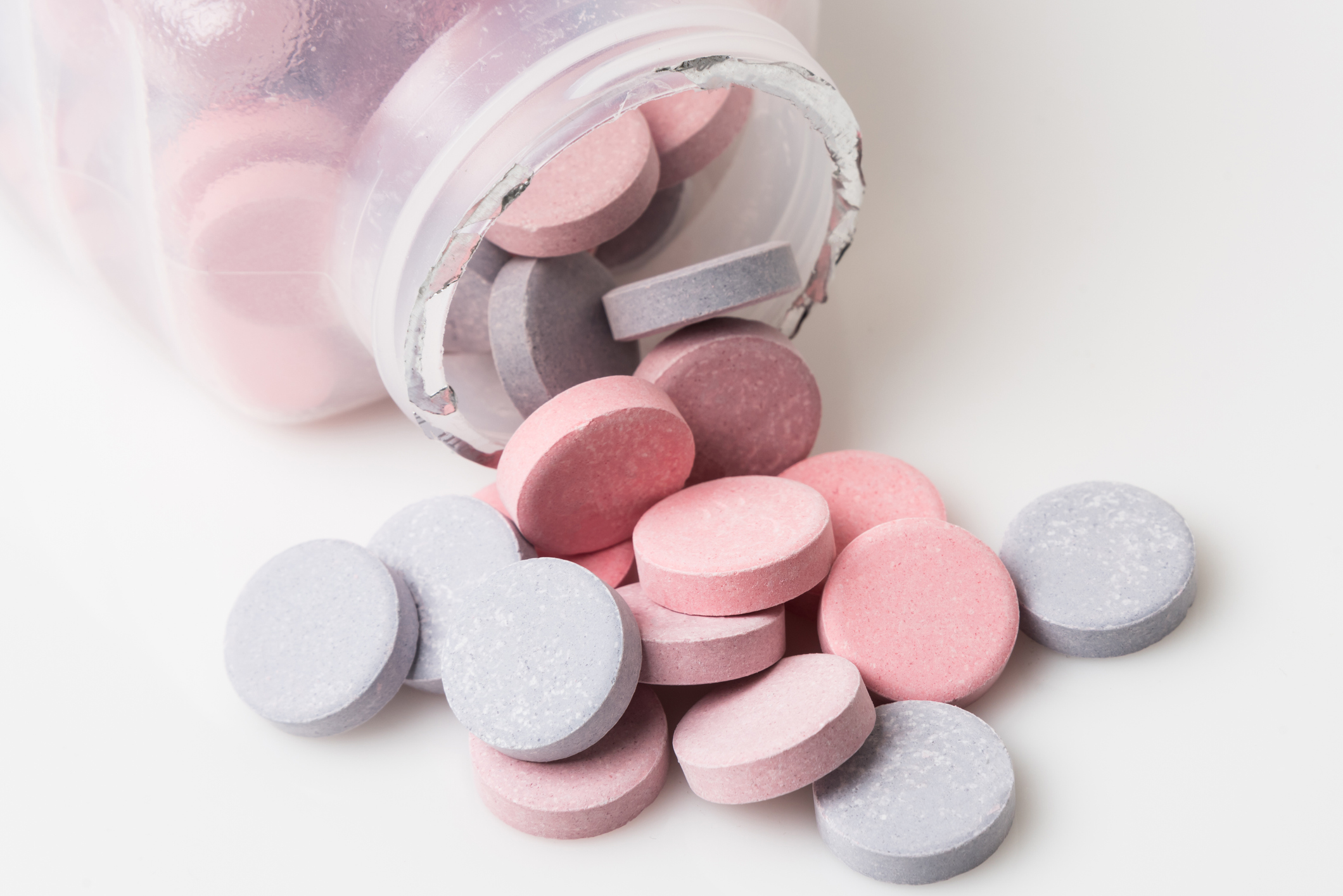
Proton Pump Inhibitor (PPI) are widely used by millions of people for indications and durations that were never tested or approved, and are available via prescription or as over the counter (OTC) in several countries including the United States. They are often overprescribed, rarely deprescribed, and frequently started inappropriately during a hospital stay. Their use…
-
Chondroitin Sulfate (CS) for the Management of Symptomatic Knee Osteoarthritis

In a prospective, randomized, 6-month, 3-arm, double-blind, crossover trial, placebo was compared to Chondroitin Sulfate (800mg/day) and celecoxib (200mg/day). The changes in pain on a Visual Analogue Scale (VAS), and in the Lequesne Index (LI) were assessed as co-primary endpoints. Secondary endpoints of Minimal-Clinically Important Improvement (MCII) and Patient-Acceptable Symptoms State (PASS) were used. 604…
-
Probiotics and Reduced Upper Respiratory Tract Infection in Trained Athletes

Prolonged intense exercise has been associated with transient suppression of immune function and an increased risk of infections. The catabolism of tryptophan via kynurenine may play an important role. Researchers examined the effect of probiotic supplementation on the incidence of upper respiratory tract infections (URTI) and the metabolism of aromatic amino acids after exhaustive aerobic…
-
Curcumin for Prostate Cancer
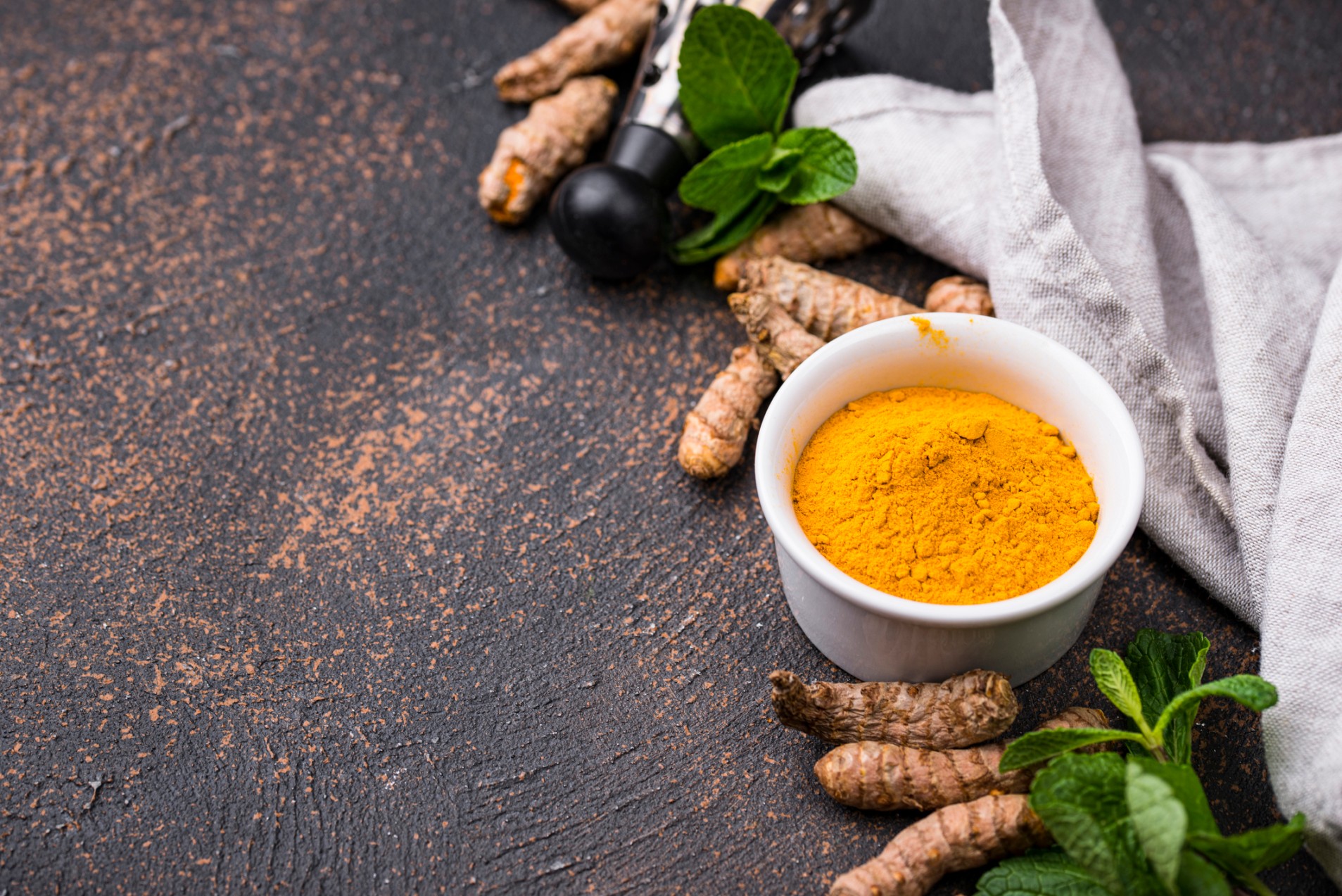
The natural product curcumin has been demonstrated to inhibit numerous targets in prostate epithelial cells with an importance in cancer formation and progression, including transcription factors, receptors, intracellular kinases, cytokines and growth factors. The effect on androgen receptor (AR) and on its target PSA has been demonstrated by several independent investigators using both endogenously expressed…
-
The Health Benefits of Intermittent Fasting

Intermittent fasting appears to calm inflammation and rescue cognitive function in animals’ brains. The action is associated with “knocking down the quantity of proinflammatory cytokines, elevating levels of brain-derived neurotrophic factor (BDNF), and activating the transcription factor known as NF-κB, which is involved in adaptive stress responses. In addition, BDNF activates PGC-1α, which functions in…
-
Vitamin D for Perinatal Depression

Researchers wishing to study the effect of vitamin D3 supplementation on prenatal depression scores conducted a randomized clinical trial on pregnant women under prenatal care. Participants were 18 years of age or older with a gestational age of 26-28 weeks, no history of mental illness and no pregnancy complications. Participants had a depression score of…
-
Folate and Hemoglobin – Biomarkers for Alzheimer’s Disease
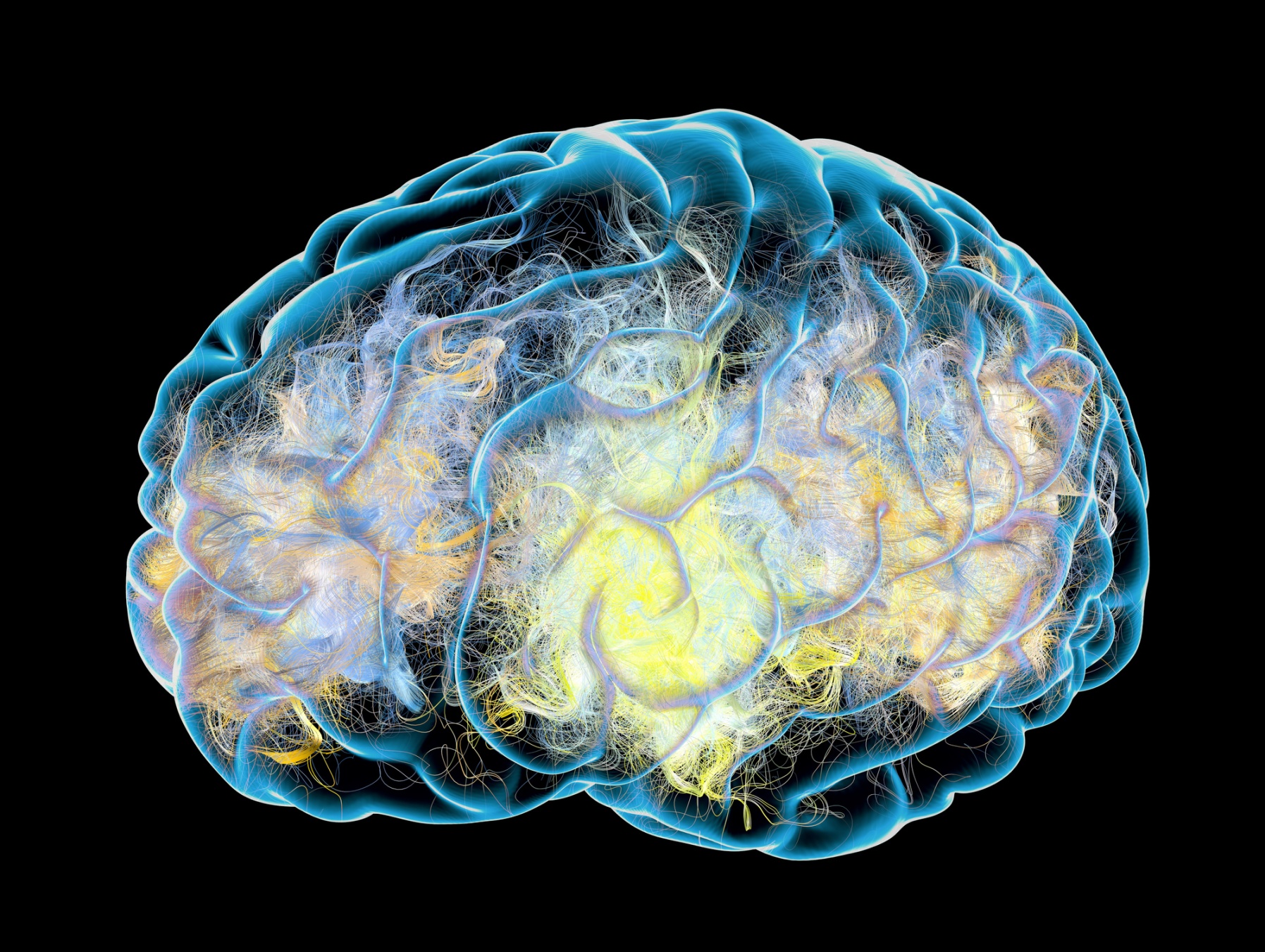
Researchers investigated the association between serum folate levels and amyloid imaging to clarify whether serum folate could be a biomarker for Alzheimer’s disease (AD). They examined the usefulness of a combined assessment of serum folate levels and red blood cell hemoglobin content. Apolipoprotein E (APOE) gene polymorphisms were also assessed. “Serum folate levels and hemoglobin…
-
EGCG Improves Maternal and Neonatal Gestational Diabetes Outcomes

Gestational diabetes mellitus (GDM) is an increasing health risk for pregnant women, and Epigallocatechin 3-gallate (EGCG), an extract from Green Tea, is known to benefit the insulin secretory process. Researcher investigated the effect of daily EGCG supplementation on both maternal and neonatal treatment outcomes in GDM-affected pregnancies in a double-blind, randomized controlled trial. 404 pregnant…
-
Crohn’s Disease – A Microbial Signature?
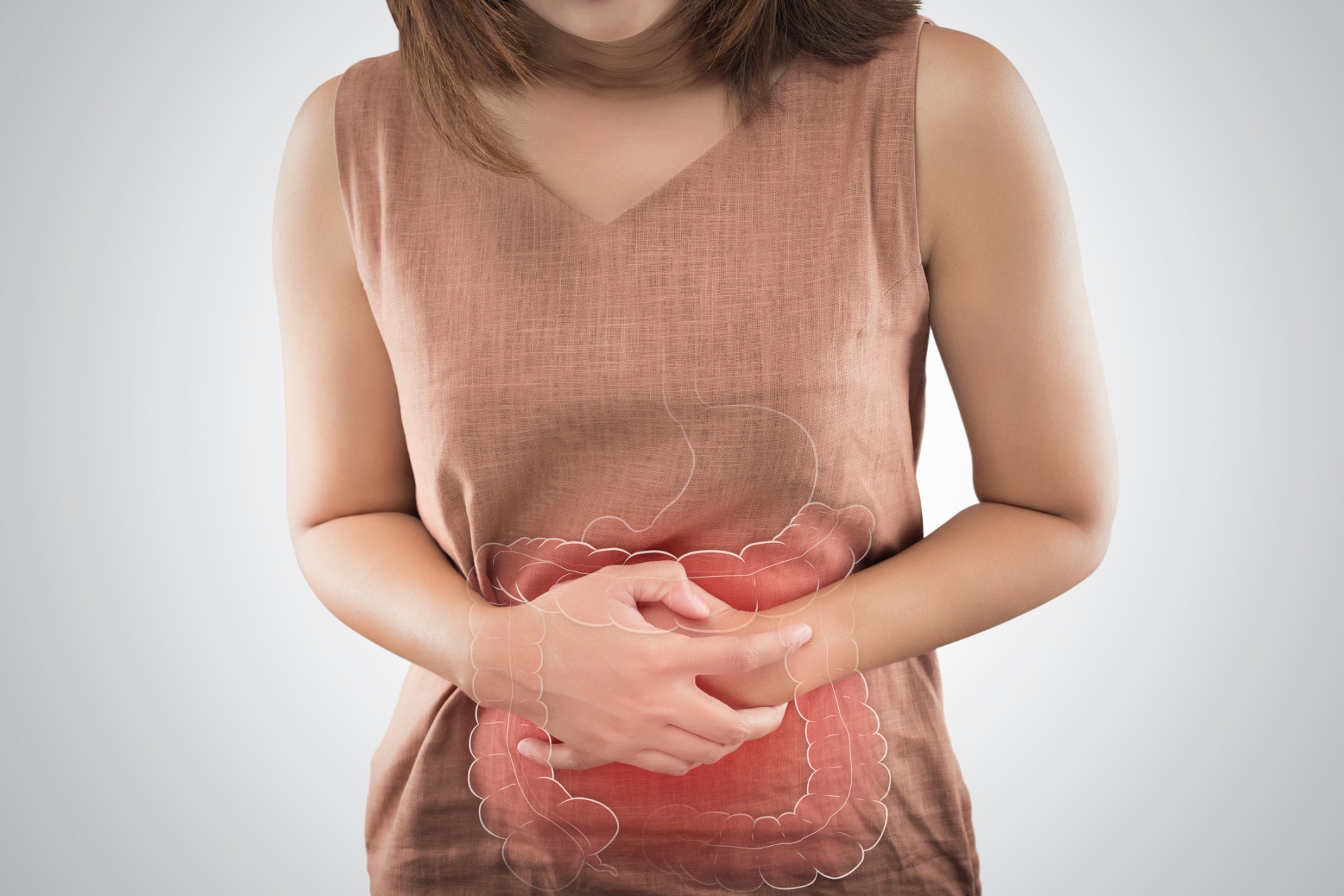
Existing profiles of gut microbiome dysbiosis in adult IBD patients are inconsistent among published studied and have not provided identification of microbial signatures for Crohn’s disease (CD) and Ulcerative colitis (UC). Researchers conducted a longitudinal study to compare the fecal microbiome of CD with patients having UC and with non-IBD subjects. A cohort of 2045…
Shop Our Brands: