-
Chondroitin and Glucosamine Reduced Colon Cancer Risk

Epidemiologic evidence suggest that the use of chondroitin and glucosamine supplements are associated with reduced risk of colorectal cancer (CRC). Researchers evaluated the association between the use of these supplements and the CRC risk in two prospective cohorts: The Nurses’ Health Study and Health Professionals Follow-up Study. Cox proportional hazards regression was used to estimate…
-
Vitamin D supplementation for Autism Symptoms

Researchers from 8 institutions in five countries (Egypt, Saudi Arabia, Norway, China and England) participated in a double-blinded, randomized clinical trial of 109 children (ages 3-10) to determine the efficacy of vitamin D3 supplementation in Autism Spectrum Disorder (ASD) patients. Of those participating, 57% had vitamin D deficiency, and 30% had vitamin D insufficiency. These…
-
Coenzyme Q10 for Metabolic Syndrome
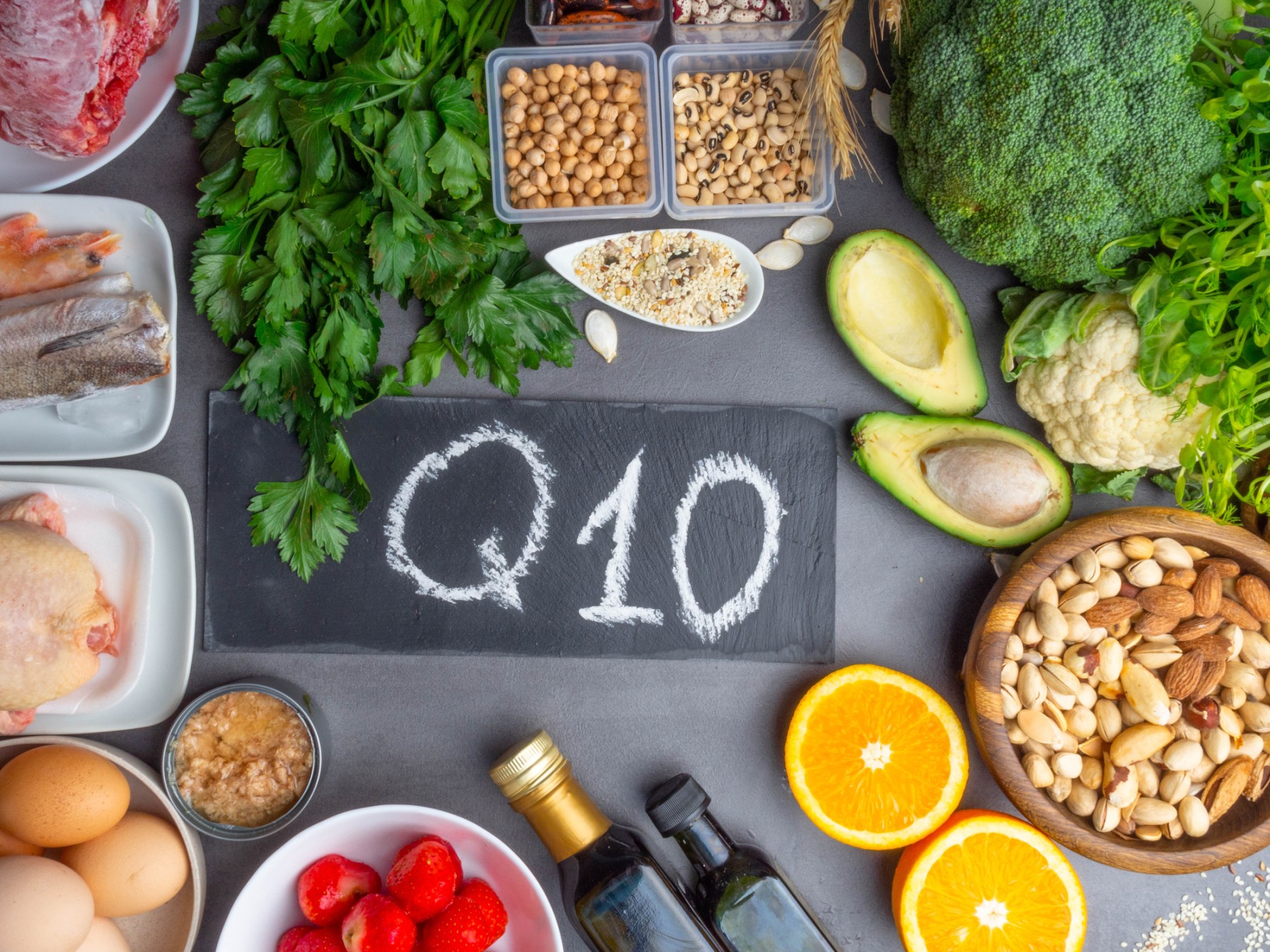
Researchers wishing to determine the effects of CoQ10 supplementation on glucose homeostasis parameters, designed a study to assess the effect of CoQ10 supplementation on patients with metabolic syndrome (MetS). They conducted a randomized, double-blind, placebo-controlled trial with 60 overweight or obese and type 2 diabetes mellitus (T2DM) patients with coronary heart disease (40-85 yrs old).…
-
Saccharomyces boulardii for Obesity and Type 2 Diabetes

Evidence shows that gut microbes are key factors involved in regulating energy homeostasis, metabolic inflammation, lipid metabolism, and glucose metabolism. Researchers conducted a study to evaluate the impact of S boulardii on obesity and associated metabolic features including fat mass development, hepatic steatosis, and low-grade inflammation in obese mice. S. boulardii was administer orally each…
-
Vitamin D for Statin Induced Myalgia

Research has demonstrated that low serum vitamin D can cause myalgia, myositis, myopathy, and myonecrosis. Statin-induced myalgia is a major and common cause of statin intolerance. In a study of 146 adults with myalgia related statin intolerance found to have low (<32 ng/mL) serum vitamin D, researchers prospectively assessed whether vitamin D supplementation to normalize…
-
Potassium for Reduced Risk of Stroke
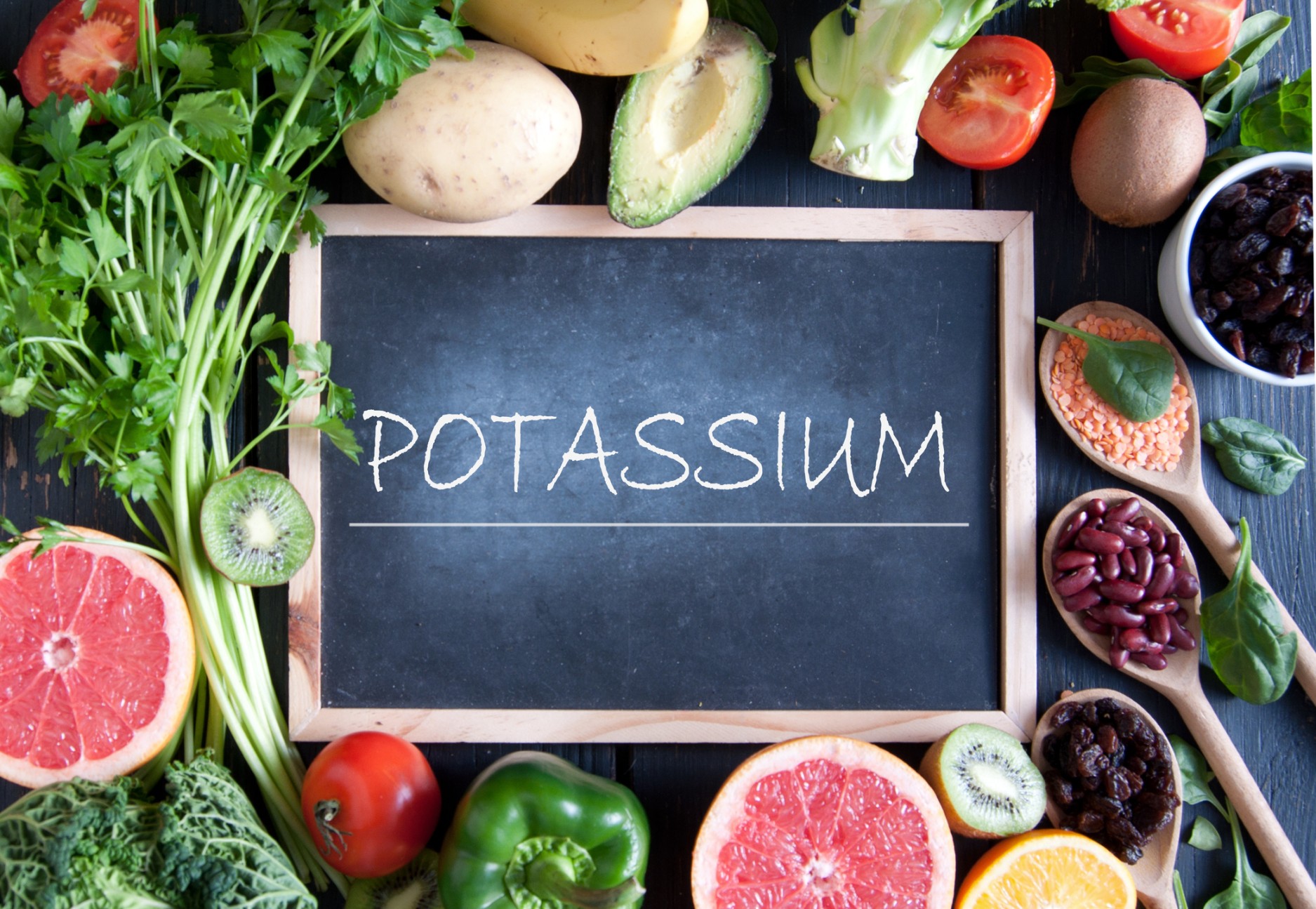
Researchers from Italy, Sweden and the USA reviewed the observational cohort studies addressing the relation between potassium intake and the incidence or mortality of total stoke or stroke subtypes published through August 6, 2016.Researchers carried out a meta-analysis of 16 cohort studies based on the relative risk (RR) of stroke, comparing the highest versus lowest…
-
CoQ10 for Metabolic Syndrome?

Most cells are sensitive to a deficiency of co-enzyme Q10 (CoQ10), an essential component of the mitochondrial electron transport chain. Deficiency has been implicated in clinical disorders such as heart failure, hypertension, Parkinson’s disease and obesity. While lipid lowering statin drugs inhibit the conversion of HMG-CoA to mevalonate and lowers plasma CoQ10 concentrations, CoQ10 supplementation…
-
Chondroitin and Glucosamine Protect Against Colorectal Cancer

Researchers, led by the Harvard T.H. Chan School of Public Health, evaluated the association between the use of chondroitin and glucosamine supplementation and the risk of colorectal cancer (CRC) in two prospective cohorts: the Nurses’ Health Study and Health Professionals follow-up Study, consisting of over 96,000 participants. Regular use of the supplements was first assessed…
-
Gluten Allergy Causes Bone Disease
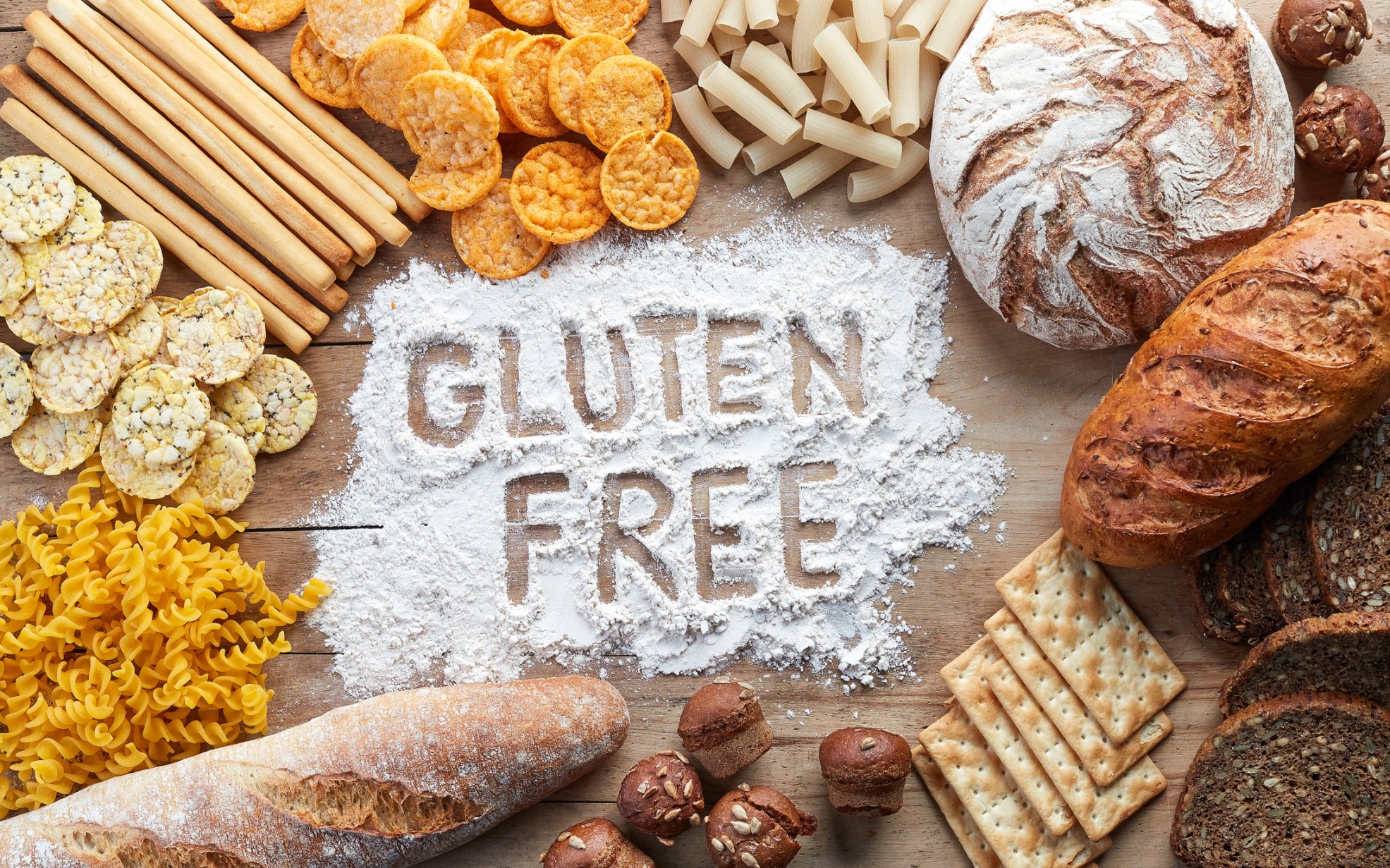
Researchers investigated the association between celiac disease (CD), a chronic immune mediated disorder, and bone mass density (BMD)(1). CD is characterized by inflammation of the small intestine, and has an increasing prevalence in the population and is often undiagnosed. If unrecognized or untreated it can lead to numerous health complications including malabsorption micronutrient deficiencies. Additionally,…
-
Vitamin D for Autism?

Researchers performed a case-controlled cross-sectional analysis on 122 autism spectrum disorder (ASD) children, to assess their vitamin D status compared to controls and the relationship between vitamin D deficiency and the severity of autism. They also conducted an open trial of vitamin D supplementation in ASD children. Results showed 57% of the patients in the…
Shop Our Brands: