-
Probiotics Supplementation for RA

Researchers conducted a study to determine the effects of probiotic supplementation on clinical and metabolic status of patients with rheumatoid arthritis (RA). In this randomized, double-blind, placebo controlled trial of patients with RA (aged 25-70) 30 were assigned to the probiotic group and 30 were assigned to the placebo group. The probiotics group received a…
-
Vitamin D Receptor, Dysbiosis and Intestinal Microbiome Function
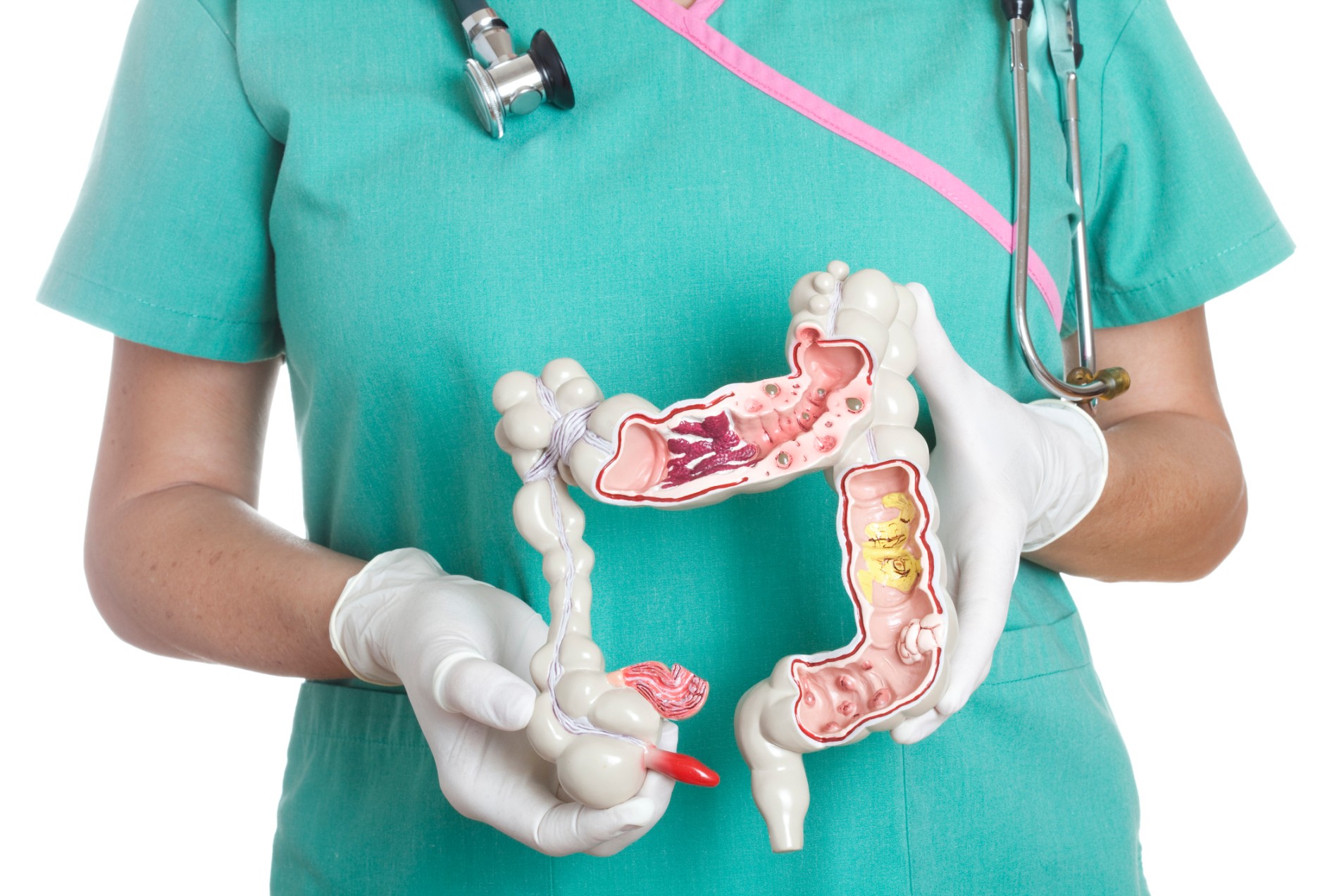
The microbiome modulates numerous aspects of human physiology and is a crucial factor in the development of various human diseases. Vitamin D deficiency and downregulation of the vitamin D receptor (VDR) are also associated with the pathogenesis of diseases such as inflammatory bowel disease, cancers, obesity, diabetes and asthma(1). VDR is a nuclear receptor that…
-
Child and Adolescent Obesity Linked to Inflammasome Activity and Gut Permeability

Immune activation contributes to the systemic inflammation associated with metabolic dysfunction in obesity. Researchers looked at forty children and adolescents: 22 obese subjects and 18 age-matched normal weight controls. Obese subjects participated in an 18-month therapeutic protocol based on intensive lifestyle modification including dietary regimen, physical activity and behavior interventions. Gene expression involved in the…
-
Microglia Activation, the Core Process in Neuroinflammation?
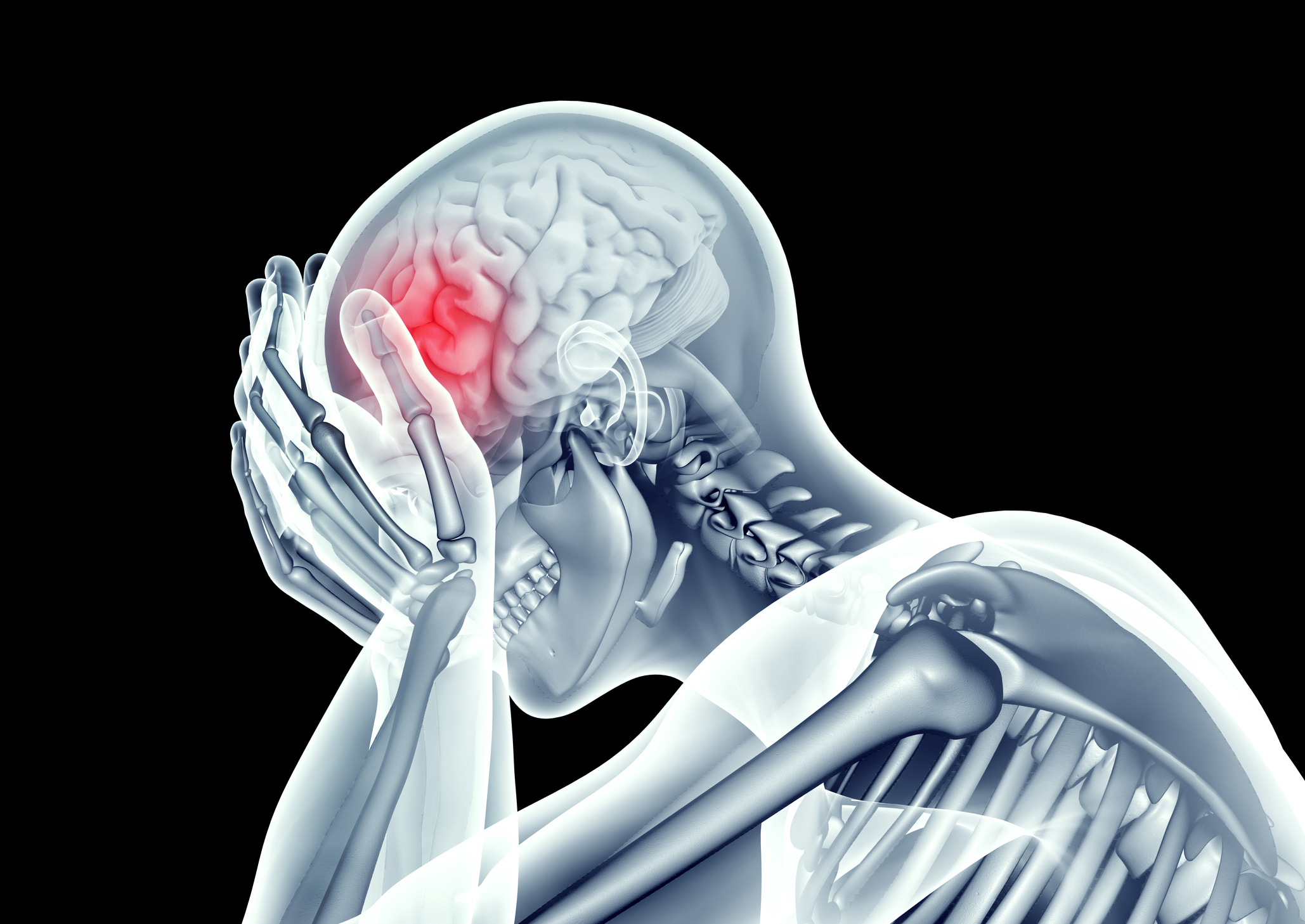
Neuroinflammation is a brain immune response that is associated with neurodegenerative diseases, and is primarily driven by activation of microglia, the brain’s resident macrophages. Dysregulation in peripheral and central inflammatory cytokine signaling interrupts normal microglial function, leading to neuronal dysfunction, neurotoxicity, neurodegeneration , and attenuated neurogenesis, processes that underlie most CNS diseases and result in…
-
Exercise = Larger Brain Size and Lower Dementia Risk

Although results have been inconsistent, several studies indicate an inverse relationship between physical activity levels and cognitive decline, dementia, and/or Alzheimer’s disease (AD). Therefore, in order to examine the association of physical activity with the risk of incident dementia and subclinical brain MRI markers of dementia, researchers followed an older, community-based cohort for over a…
-
Anabolic Steroid Use and Structural Decline of the Brain

Prolonged anabolic-androgenic steroid (AAS) use has been associated with psychiatric symptoms and cognitive deficits. Researchers investigated the association between long-term AAS exposure and brain morphometry, including subcortical neuroanatomical volumes and regional cortical thickness. Using high-resolution magnetic resonance imaging, they compared 82 weightlifters who had used AASs for longer than one year with 68 weightlifters who…
-
Alzheimer’s Misdiagnoses and Overlapping Pathologies

According to recent research, Alzheimer’s disease (AD) is commonly misdiagnosed. To investigate the frequency and nature of misdiagnoses, researchers used data from the National Alzheimer’s Coordinating Center Database on autopsies of nearly 1,100 patients with confirmed AD, including neuropathological and clinical diagnoses. 10.8 % were false positives, with clinical presentation of AD that was not…
-
High Cortisol and Accelerated Cognition Decline

Dysregulation of the hypothalamic-pituitary-adrenal (HPA) axis is linked to cognitive dysfunction, hippocampal atrophy and an increased risk for Alzheimer’s disease (AD). Less is known of the role of cortisol levels in the prediction of cognitive decline or in moderating the effect of beta-amyloid in preclinical AD. Researchers evaluated 401 cognitively normal adults enrolled in the…
-
Vitamin D Insufficiency and Cognitive Decline

According to researchers with the UC Davis Alzheimer’s Disease Center and Rutgers University, vitamin D insufficiency among the elderly is highly correlated with accelerated cognitive decline and impaired performance, especially as it relates to memory loss associated with Alzheimer’s disease (AD) and dementia. The large, longitudinal study was conducted on just under 400 diverse men…
-
Chondroitin and Glucosamine for Colorectal Cancer Prevention?
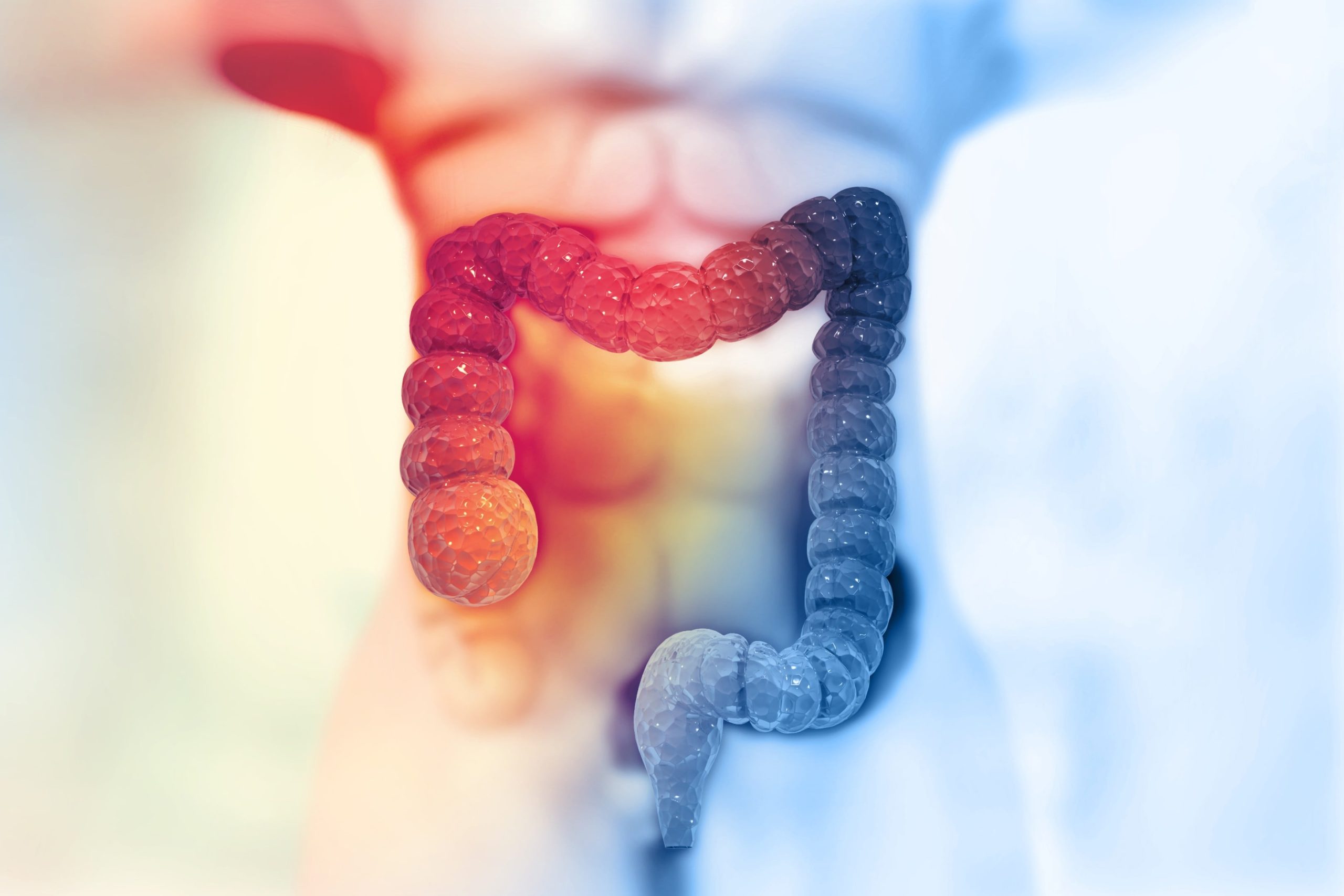
Recent evidence suggests the long term use of chondroitin and glucosamine supplements may be linked to reduced risk of colorectal cancer (CRC). Researchers evaluated the association between the use of these compounds and the risk of CRC in two prospective cohorts; the Nurses’ Health Study and the Health Professionals Follow-up Study. Regular use of these…
Shop Our Brands: