-
Oil of Oregano — More Evidence for Effective Pest Control:
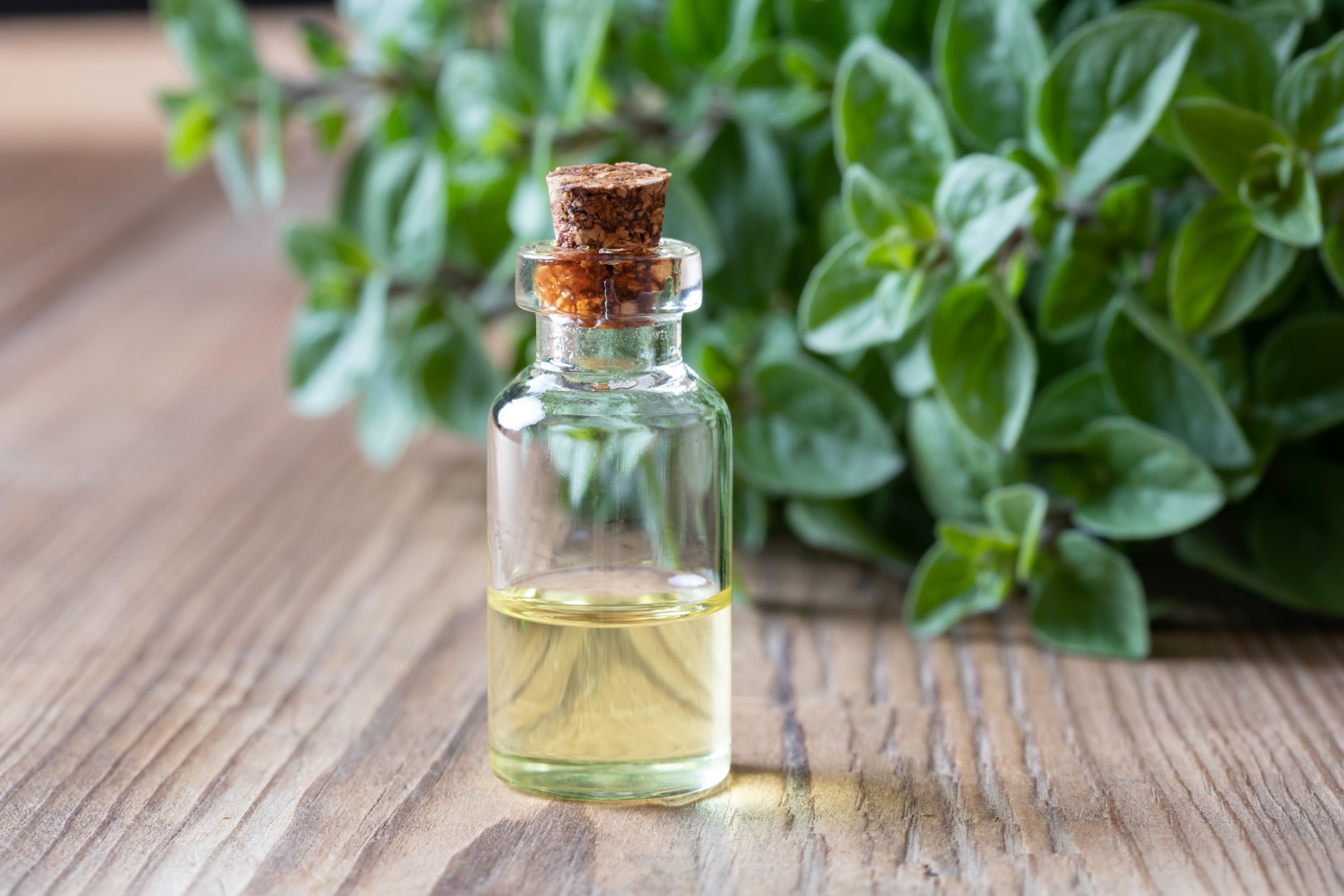
Giardia is a neglected parasite that produces diarrhea and different degrees of malabsorption. The drugs used for treatment (such as 5-nitroimidazoles, benzimidazoles, nitrofuranes, acridine and nitrotiazoles) produce undesirable secondary effects including genetic damage and the selection of resistant strains(1). A fraction of oregano was tested against two strains of Giardia. In-vitro testing demonstrated it to…
-
Oil of Oregano – The Ultimate In Pest Control?
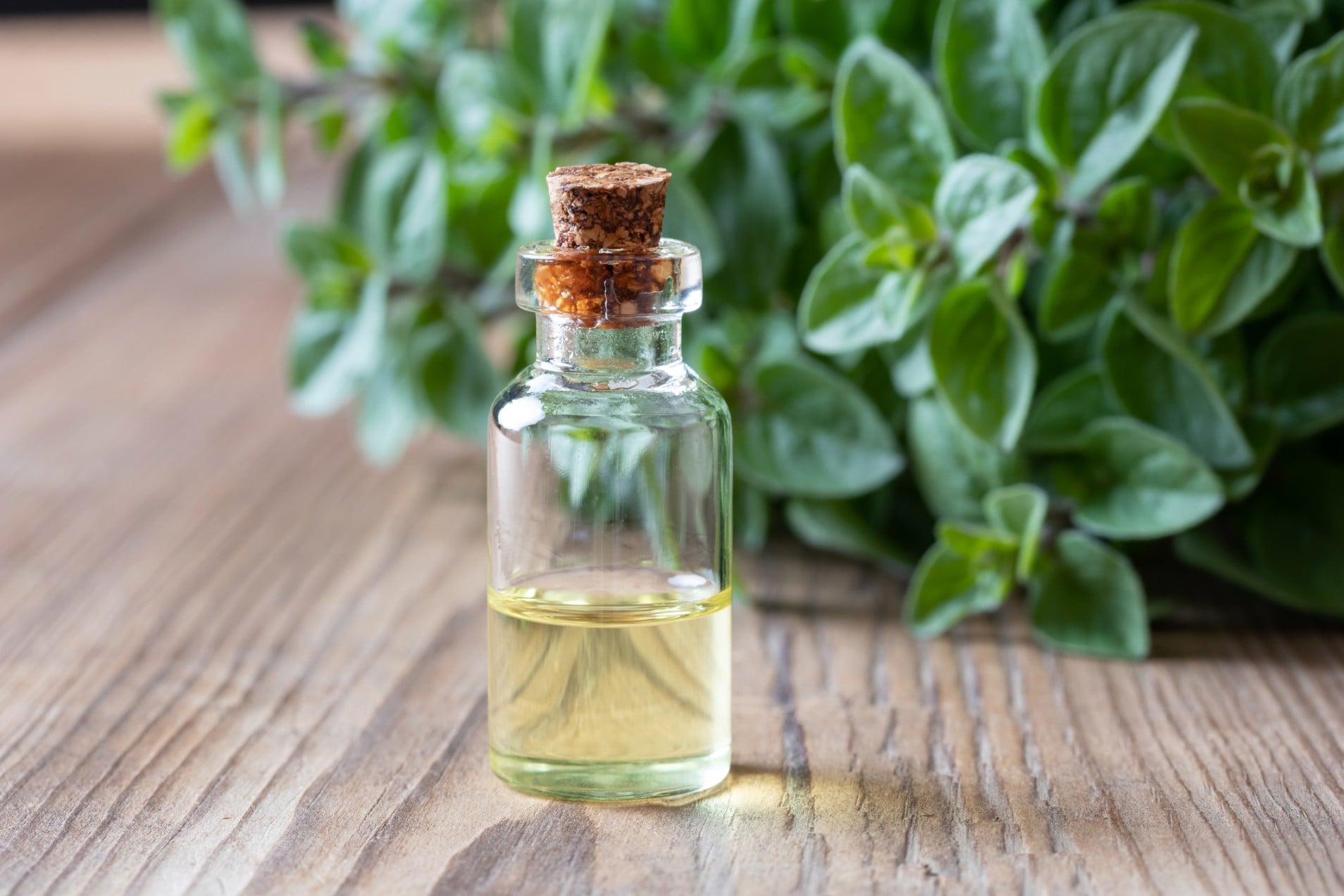
Herbs and culinary spices have been used for centuries to slow the spoilage of food, due to their antimicrobial properties. Recent research has documented the use of oil of oregano against antibiotic resistant Salmonella enterica on leafy greens(1). The use of oil of oregano has been documented for a variety of candida species including Candida…
-
Omega-3 Fatty Acids Protect Cognitive Function in Aging Adults!
In neurodegenerative diseases such as Alzheimer’s disease (AD) or mild cognitive impairment (pre-dementia phase of AD) changes in cognitive function and memory decline occur quicker than in normal aging. In this study, researchers looked at the effects of 2,200 mg of Omega-3 (n3) fatty acids (FA) taken daily for six months on memory function. Using…
-
Resveratrol, Inflammation, and Osteoarthritis:

Osteoarthritis (OA), a chronic articular disease characterized by cartilage degradation and osteophyte formation, involves mechanical and hereditary factors. French researchers investigated pro inflammatory paracrine interactions between human primary chondrocytes and macrophages following interleukin 1-β (IL-1β) treatment, to evaluate the molecular mechanism responsible for the inhibitory effect of resveratrol. They found that the activation of NF-kB…
-
SAMe for Depression?

A review in Naturopathic Currents looked at SAMe and its impact on mental health(1). Selective serotonin reuptake inhibitors (SSRI), the most frequently prescribed antidepressant, are frequently the first line treatment for depression. SSRI often provide inadequate symptom relief for mild-to-moderate depression, or a high relapse rate. Common side effects include fatigue, worsening mood, insomnia, poor…
-
Zinc, Hedgehog Autoprocesssing, and Chronic Disease!
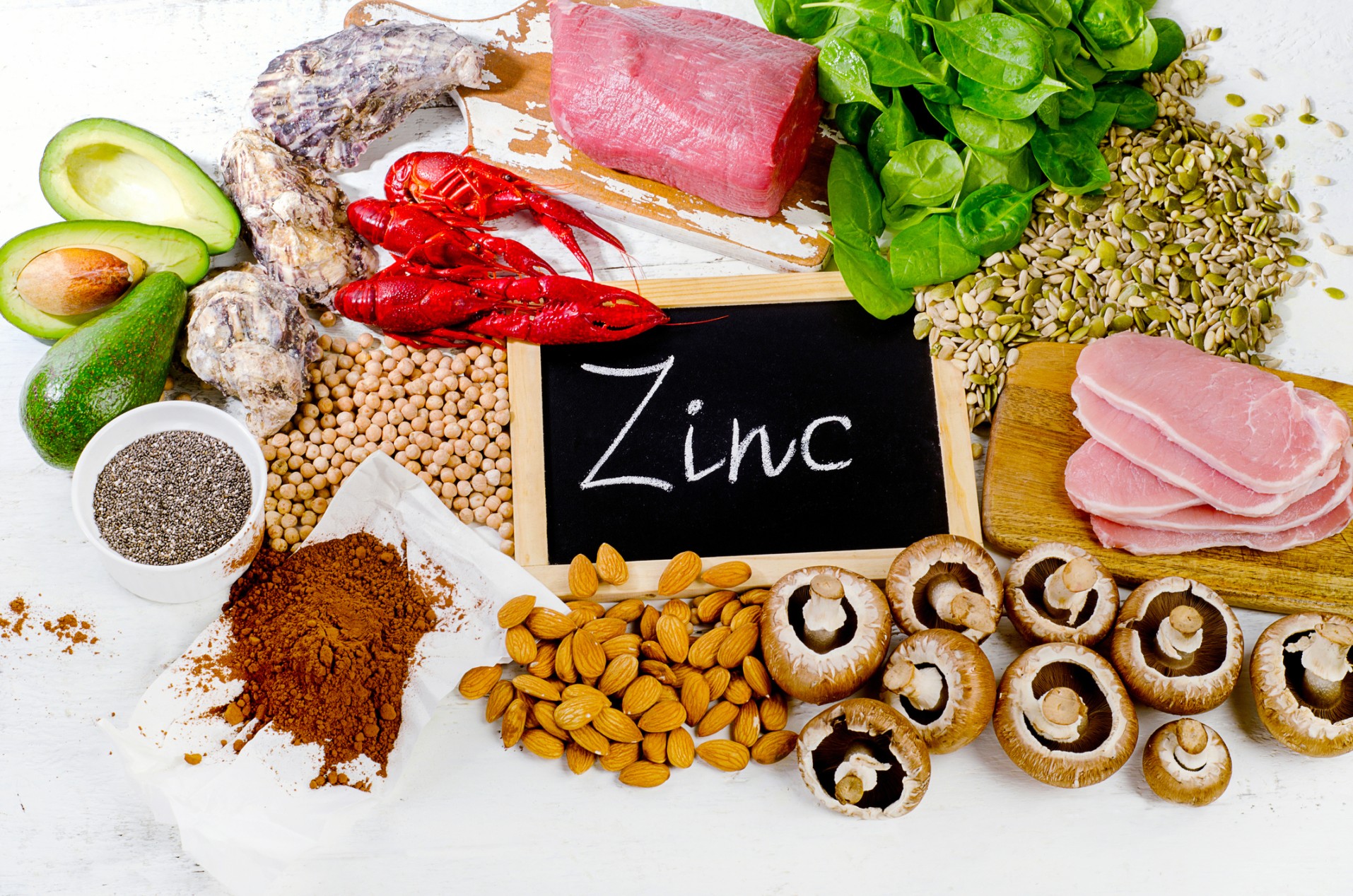
Zinc is an essential trace mineral with a wide range of biological functions. Hedgehog (Hh) pathway is a key regulator of cell growth and development that helps to establish the body plan of all animals with bilateral symmetry. In many diseases, zinc deficiency and elevated level of Hh ligand co-exist, including prostate cancer, lung cancer,…
-
Zinc, Prenatal LPS and Autism:

In order to understand the causes of autistic-like behaviors, researchers from the University of Sao Paulo evaluated maternal serum metal concentrations involved in intra uterine development and infection/inflammation. They identified reduced maternal levels of zinc, magnesium, selenium and manganese after lipopolysaccharide (LPS) exposure in prenatal rats. They selected zinc as the prenatal treatment to prevent…
-
Heavy Metals and Migraines!

According to a study published in 2012, Migraines affect 12% of the US population. While the number of studies related to migraine pathophysiology have increased in recent years, the exact aetioloty is not well understood. Wishing to compare the levels of trace elements and heavy metals in patients with acute migraine and healthy controls, researchers…
-
Gluten-Free Diet Impacts the Human Microbiome:
A gluten-free diet (GFD) is commonly adopted as an effective treatment for celiac disease, and is often followed to alleviate GI complaints. While we know there is an important link between diet and the gut microbiome, how a switch to a GFD affect the human gut microbiome is largely unknown. Twenty one healthy human volunteers…
-
Important Info on US Sodium and Potassium Intakes and Their Ratio:
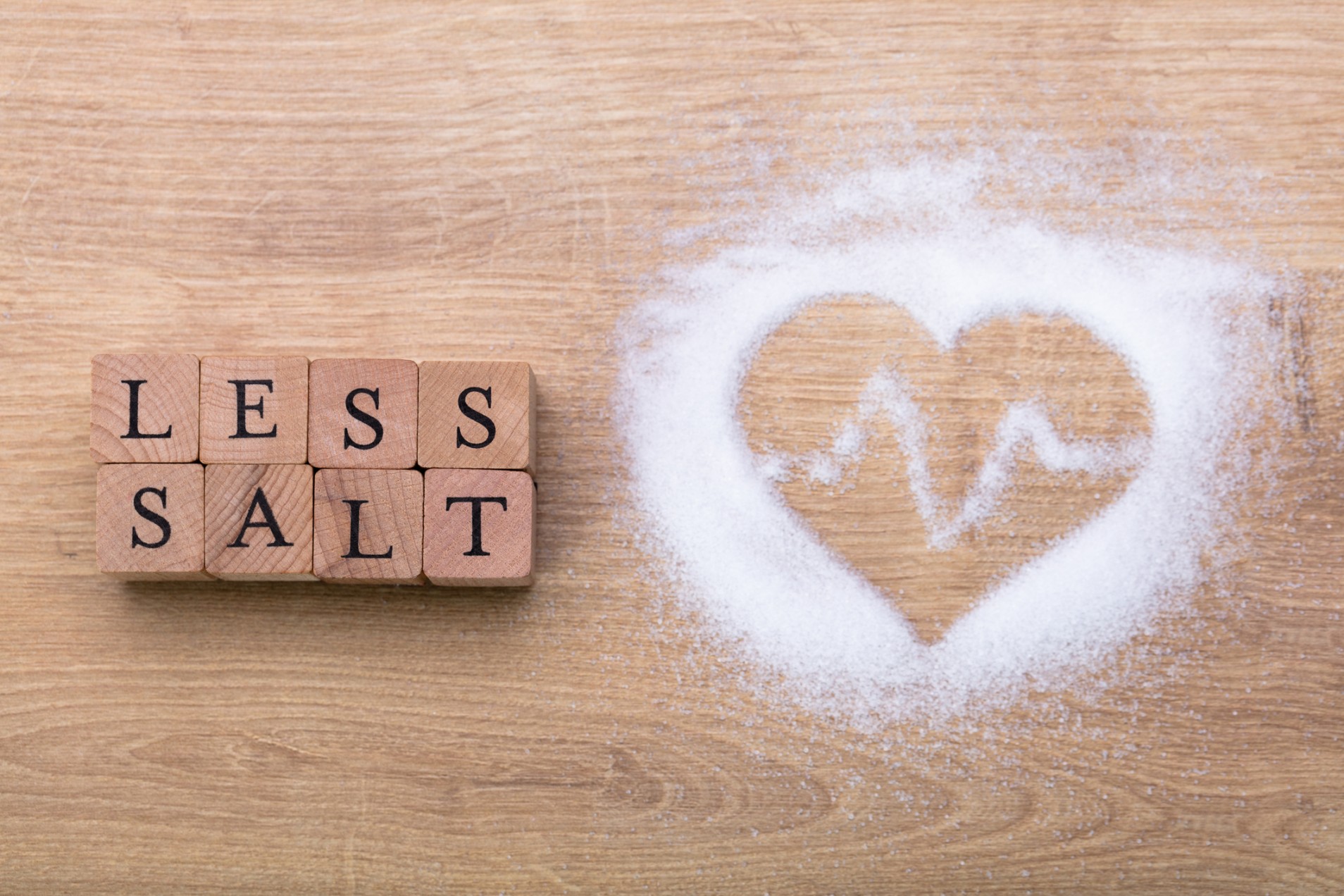
Sodium-to-potassium ratio (Na:K) is shown to be strongly associated with an increased risk of Cardiovascular disease (CVD) and CVD related mortality, more than either Na or K intake alone. Researchers from the NIH Office of Dietary Supplements, Department of Nutrition Science at Purdue University, and the USDA Agricultural Research Service set out to estimate the…
Shop Our Brands: