-
Veggies Boost Probiotic Benefits

Taking probiotics with a Big Mac might not do you any good at all, according to an article published by the Division of Immunology at Harvard Medical School. In fact, The Western diet, very low in dietary fiber, has shifted our gut microbiota to become less diverse than more traditional diets, which is wreaking havoc…
-
Balancing Blood Glucose with Bicarbonate
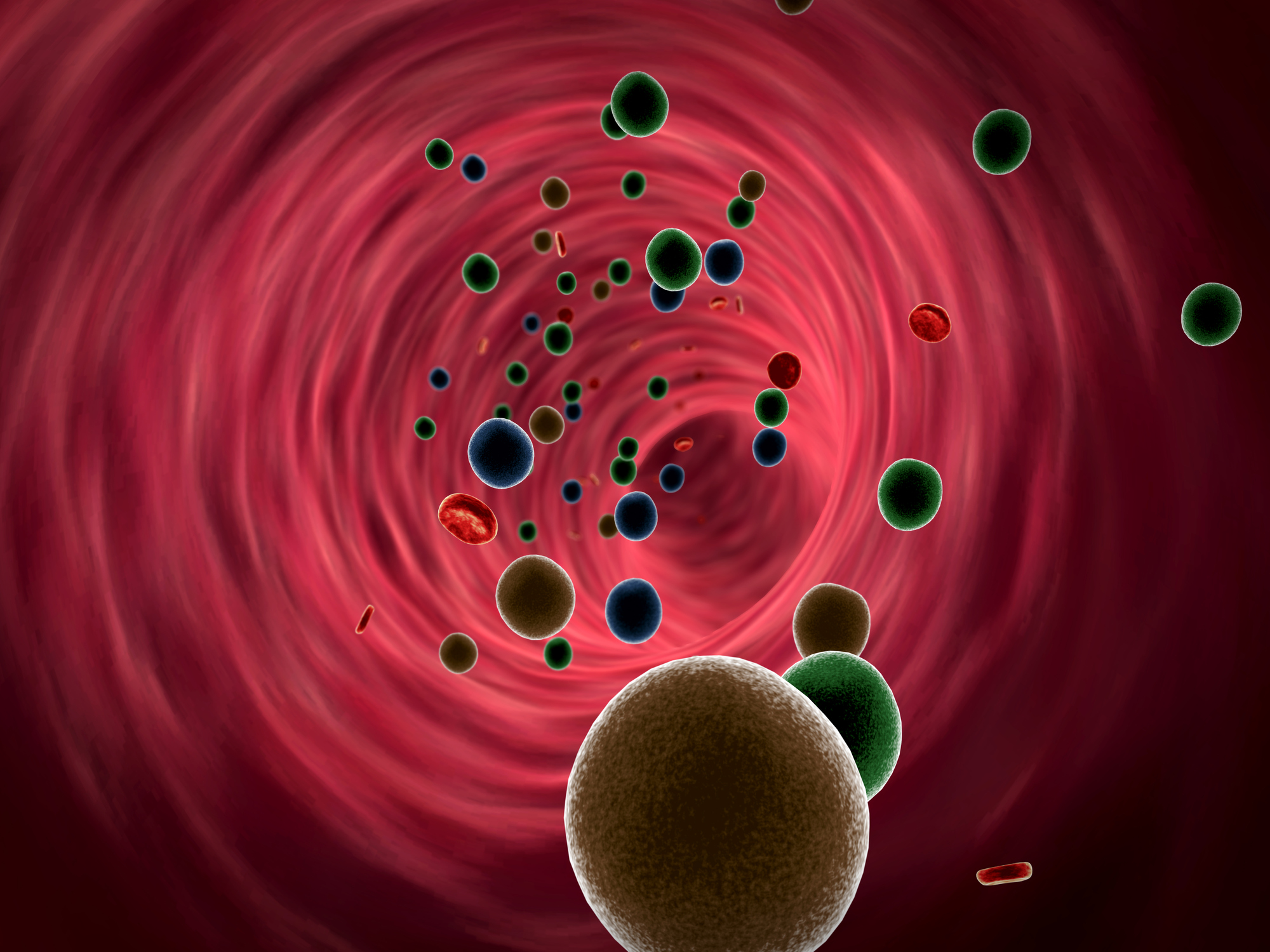
Bicarbonate is an important pH regulator in the body and serves as a major part of the intracellular buffer system. Although much is known about its involvement in many essential human metabolic processes, there is not a lot of data about the association between serum bicarbonate and glucose metabolism.
-
B’s and Omega-3’s: Better Together for Brain Health

Too often, we look at the physiological effect of different nutrients in isolation, however, more and more research is uncovering the synergistic benefits of nutrients in combination. Take omega-3s and B vitamins, for example. An unlikely pair, they have been shown to work better together when examining brain health and cognition. Research has already determined…
-
Vitamin D Toxicity

Everywhere we turn, we hear about the merits of supplementing with vitamin D, particularly when the sun disappears during long winter months. Vitamin D supplementation has been positively correlated with the support of the immune system, and cardiovascular and bone health. However, oftentimes vitamin D supplementation is patient driven, and not directly prescribed and monitored…
-
Sunscreen Ingredient Linked to Diabetes

With the summer sun shining, more and more people are reading the ingredients lists on their sunscreen containers. Handily, the Environmental Working Group (EWG) has compiled a list of chemicals in sunscreens to be on the lookout for. However, the information listed doesn’t include a recent study on the potential toxicity of titanium dioxide (TiO2).…
-
Vitamin D and Greater Colon Protection
Vitamin D is probably most known for its association with bone health, but a recent study suggests higher levels of vitamin D in the bloodstream may have a protective role against colorectal malignancy. In this study, the people who had lower levels of vitamin D had a 31 percent higher risk of colorectal malignancy, and…
-
Vagus Nerve in Vogue

What happens in vagus… Actually, what happens in the vagus nerve doesn’t stay in the vagus nerve. It leaves, taking information about the body’s organs to the brain via “afferent fibers”, and is considered the reason why we have a gut-brain connection. Much attention is being given to this key connector in treating gastrointestinal and…
-
Get Focused!

According to the Diagnostic and Statistical Manual IV, the presence of six or more of a list of symptoms, including inattention and/or hyperactivity/impulsivity for at least six months (with onset prior to seven years of age), and with symptoms being more severe than that of peers at a similar developmental age, defines ADHD. The Diagnostic…
-
Better Diet Quality Linked to Larger Brain Volume
Can eating healthy make our brains bigger? In a recent study by Croll PH, et al., that evaluated the diets of participants from the Rotterdam Study, as well as their brain MRI scans, it was determined that a “better diet quality related to larger brain volume, gray matter volume, white matter volume, and hippocampal volume.”
-
Ketogenic Diet Alters Microbiome
The high-fat, low carbohydrate ketogenic diet is gaining popularity among the mainstream health enthusiasts, but has always been the go-to diet for children with epilepsy for its anti-seizure effects. A recent study by UCLA scientists published in the journal Cell, recently pinpointed a causal link between seizure susceptibility and gut bacteria.
Shop Our Brands: