-
Genetics, Omega-3s & Serum Lipids

The effect of omega-3 fatty acid supplementation on serum lipids and other cardiovascular risk markers, with results stratified by PPARG genotype, were recently determined in a randomized and double-blinded placebo-controlled clinical trial published in Nutrients. One hundred and two adults between the ages of 40 to 75 with an LDL-C between 70 and 190 mg/dL…
-
Tiny Seed, Big Health Benefits

Flaxseed, known as a vegetarian source of omega-3 fatty acids, may also have the added benefit of promoting hormonal health. Although phytoestrogens are similar to estrogen, their role is not completely understood as having a positive or negative influence on women’s hormonal health, particularly those with a history of hormone-linked cancers. However, for women with…
-
How Omega-3s Support Your Body’s Immune Response
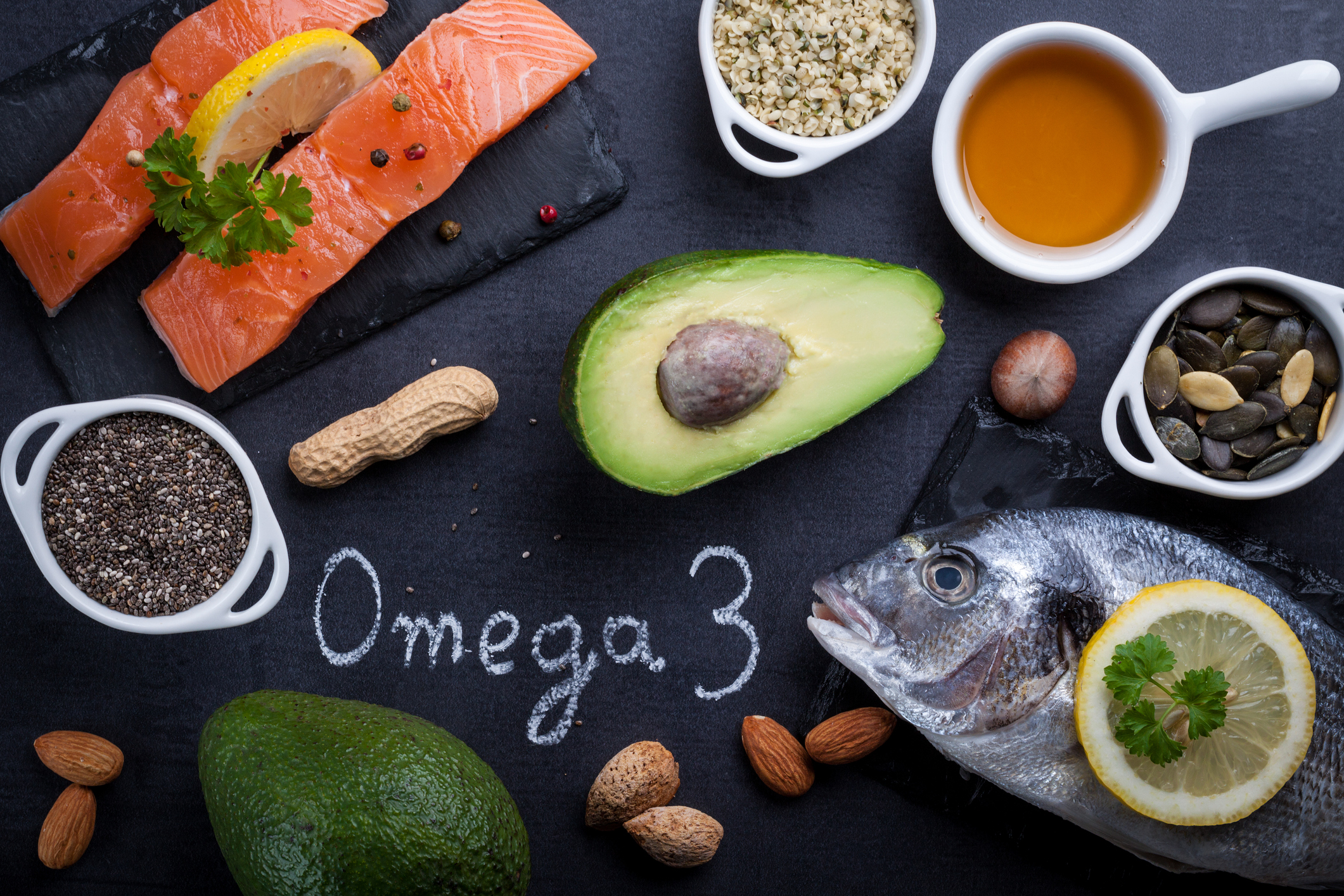
Boosting your immune system is one of the most beneficial steps that you can take to enhance overall health, and now more than ever we would like to do what we can to optimize our health.
-
From Mercury to Microplastics: The Importance of Fish Oil Purity

Many people supplement with essential fatty acids because they fear they cannot obtain enough from their diets. An essential nutrient is one our bodies can’t produce so must be obtained in the diet. Essential fatty acids, such as omega-3s, are primarily found in fish so those not consuming enough fish in their diets oftentimes supplement…
-
A Recent Study Highlights Importance of DHA in Lung Health
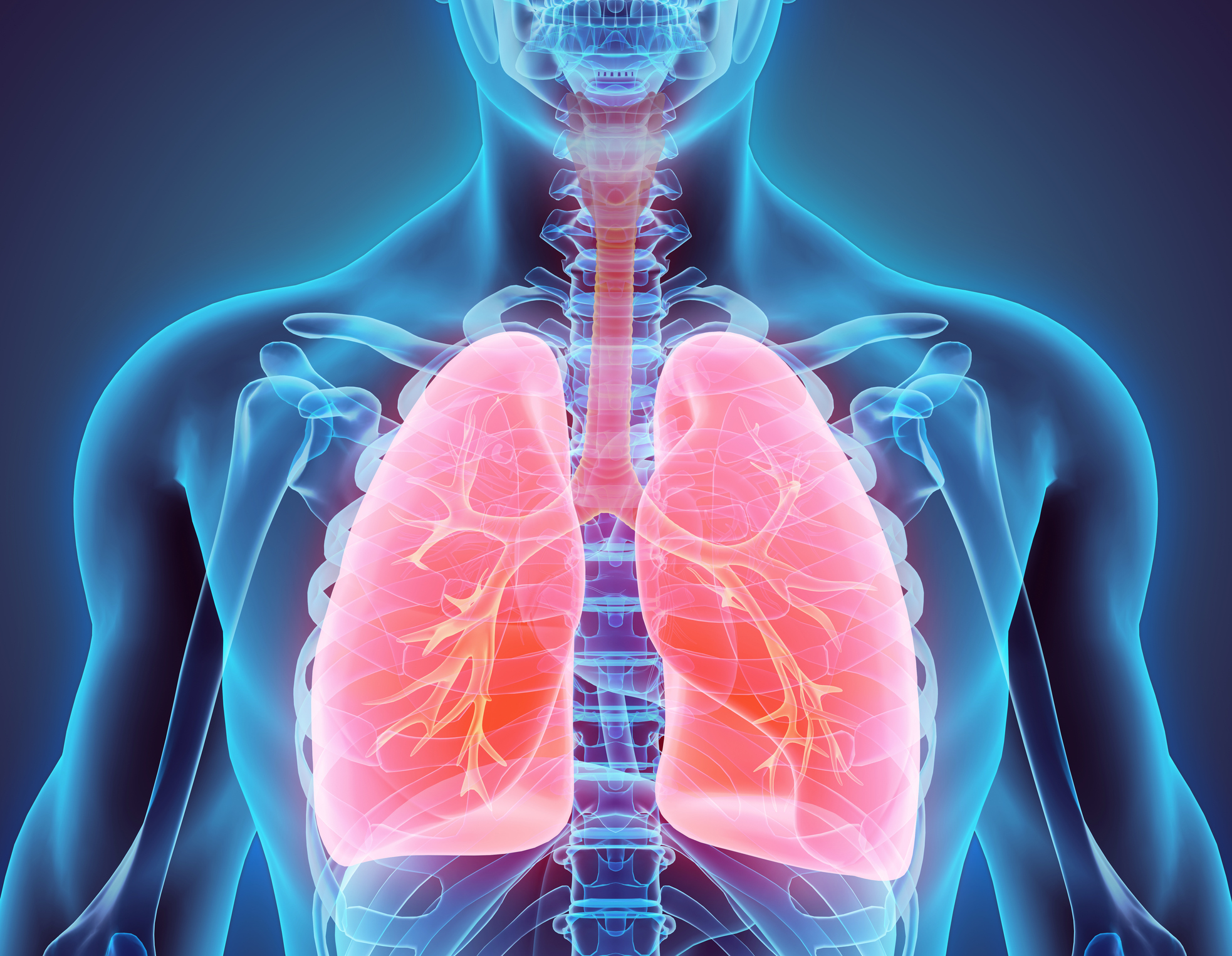
Acute respiratory distress syndrome (ARDS) is a form of acute diffuse lung injury characterized by inflammation leading to increased pulmonary vascular permeability and decrease of aerated lung tissue, resulting in hypoxemia. Nutrition support for hospitalized ARDS patients typically includes lipid emulsions with a higher polyunsaturated fatty acid (PUFA) content derived from omega-6 oils (usually soybean…
-
The Role of Fatty Acids in Immunity

We commonly evaluate food and macronutrients based on their ability to supply the necessary fuel for our bodies to operate; as such, we classify them as carbohydrates, proteins and fats. However, we must also consider food based on its healing power and role in optimal health, which goes beyond basic nutritional characterization.
-
Not All Supplements are Created Equally

Dietary supplementation is now commonplace in the American diet with many people concerned food alone cannot meet nutritional requirements. However, not all supplements are created equally. In order to ensure that an individual can successfully navigate the endless choices of supplements, it’s important to know some do’s and don’ts of proper dietary supplementation.
-
Omega 3’s for Bone Health

From our time in the womb into our elder years, the challenge to stay healthy can come in different forms. Bone loss is one of those physical challenges that goes hand-in-hand with aging. However, instead of assuming we are doomed by the effects of getting older, it’s important to consider supportive dietary interventions. Most people…
-
Current Advice about Eating Fish

The FDA and EPA have published advice on eating fish, a protein-rich food recommended for everyone, including pregnant and breastfeeding women, women planning to conceive, and children who are 2 years and older. This resource states that eating fish may also offer heart health benefits and lower the risk of obesity. FDA seafood recommendations are…
-
Japanese Researchers Link Omega-3s with Lower Muscle Stiffness Post-Exercise

In a small study on the effects of the omega-3 oils eicosapentaenoic acid (EPA) and docosahexaenoic acid (DHA), researchers have found that the oils appear to reduce muscle stiffness symptoms after exercise. During the study, sixteen men were asked to perform six sets of 10 arm contractions using a dumbbell. Their range of motion, muscle…
Shop Our Brands: