-
Coenzyme Q10 for Metabolic Syndrome
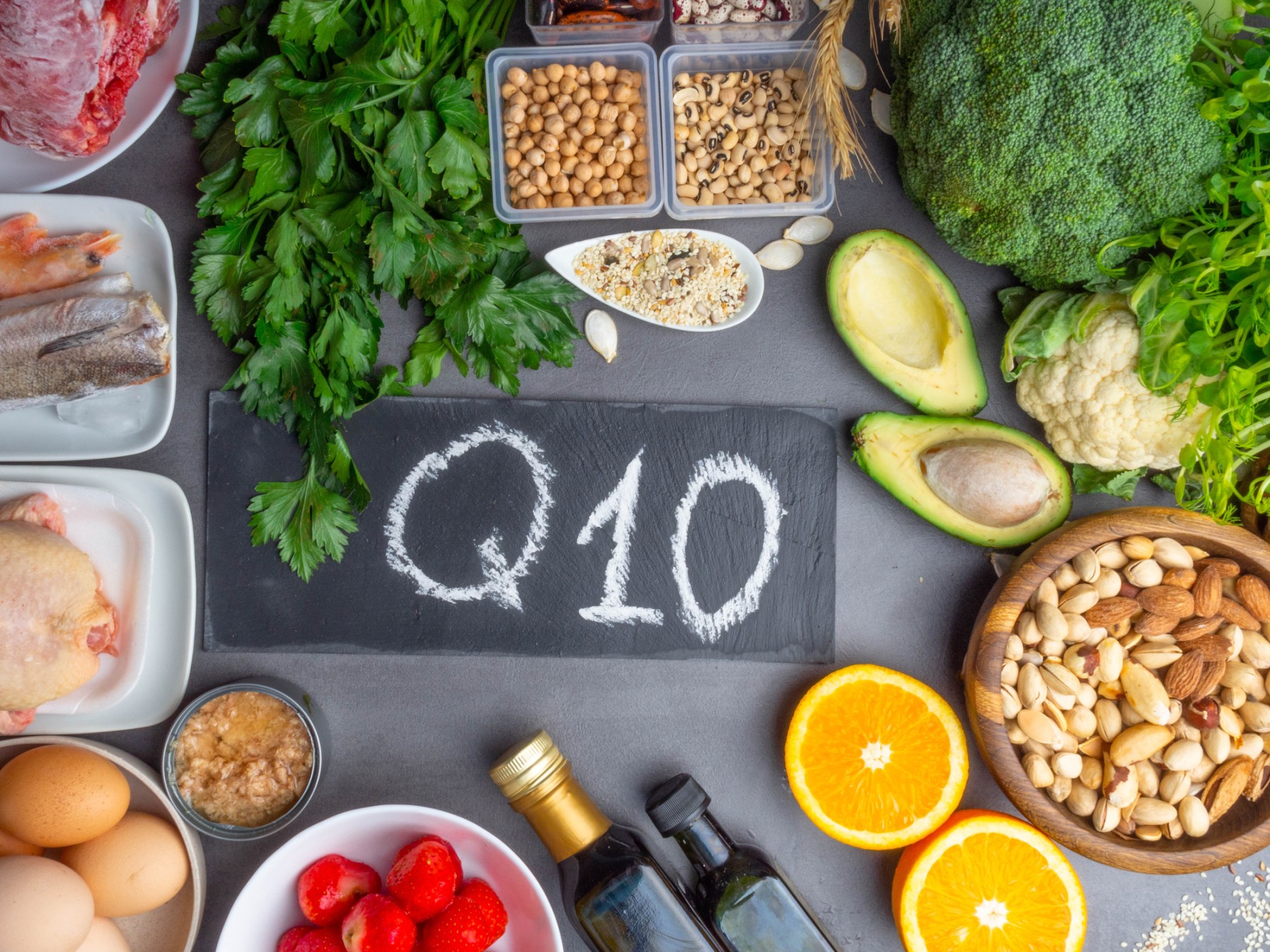
Researchers wishing to determine the effects of CoQ10 supplementation on glucose homeostasis parameters, designed a study to assess the effect of CoQ10 supplementation on patients with metabolic syndrome (MetS). They conducted a randomized, double-blind, placebo-controlled trial with 60 overweight or obese and type 2 diabetes mellitus (T2DM) patients with coronary heart disease (40-85 yrs old).…
-
Saccharomyces boulardii for Obesity and Type 2 Diabetes

Evidence shows that gut microbes are key factors involved in regulating energy homeostasis, metabolic inflammation, lipid metabolism, and glucose metabolism. Researchers conducted a study to evaluate the impact of S boulardii on obesity and associated metabolic features including fat mass development, hepatic steatosis, and low-grade inflammation in obese mice. S. boulardii was administer orally each…
-
Vitamin D for Statin Induced Myalgia

Research has demonstrated that low serum vitamin D can cause myalgia, myositis, myopathy, and myonecrosis. Statin-induced myalgia is a major and common cause of statin intolerance. In a study of 146 adults with myalgia related statin intolerance found to have low (<32 ng/mL) serum vitamin D, researchers prospectively assessed whether vitamin D supplementation to normalize…
-
Potassium for Reduced Risk of Stroke
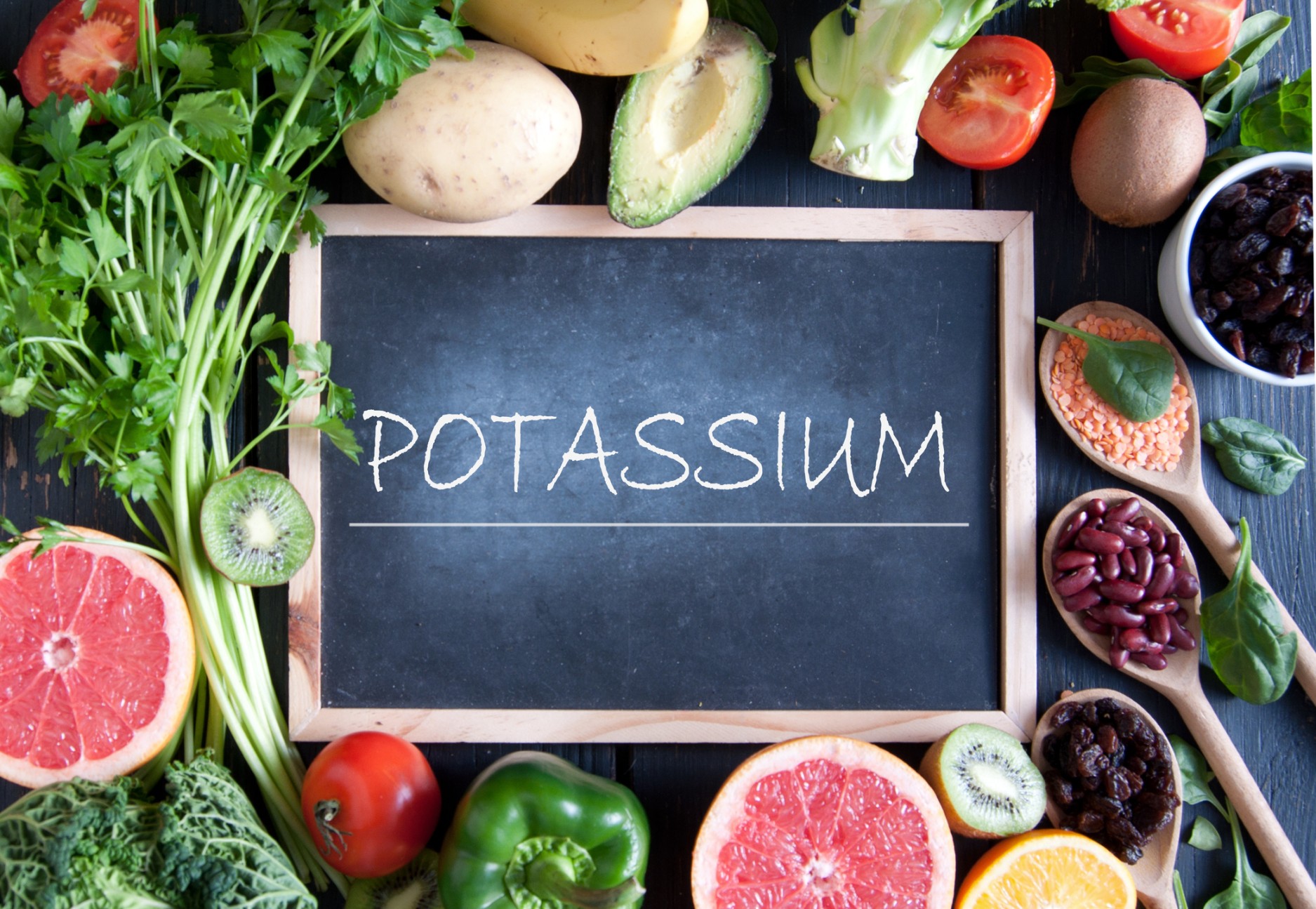
Researchers from Italy, Sweden and the USA reviewed the observational cohort studies addressing the relation between potassium intake and the incidence or mortality of total stoke or stroke subtypes published through August 6, 2016.Researchers carried out a meta-analysis of 16 cohort studies based on the relative risk (RR) of stroke, comparing the highest versus lowest…
-
CoQ10 for Metabolic Syndrome?

Most cells are sensitive to a deficiency of co-enzyme Q10 (CoQ10), an essential component of the mitochondrial electron transport chain. Deficiency has been implicated in clinical disorders such as heart failure, hypertension, Parkinson’s disease and obesity. While lipid lowering statin drugs inhibit the conversion of HMG-CoA to mevalonate and lowers plasma CoQ10 concentrations, CoQ10 supplementation…
-
Chondroitin and Glucosamine Protect Against Colorectal Cancer
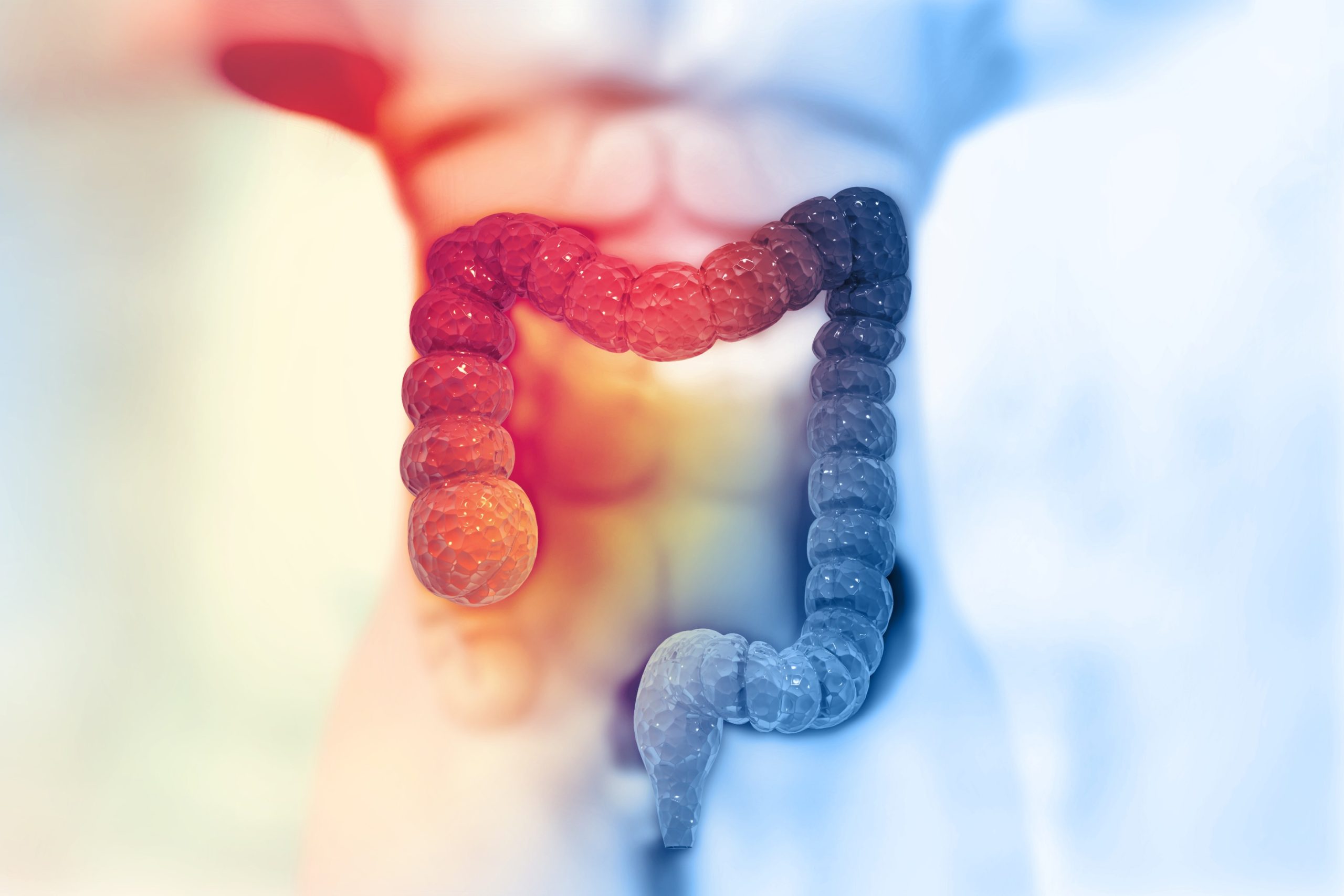
Researchers, led by the Harvard T.H. Chan School of Public Health, evaluated the association between the use of chondroitin and glucosamine supplementation and the risk of colorectal cancer (CRC) in two prospective cohorts: the Nurses’ Health Study and Health Professionals follow-up Study, consisting of over 96,000 participants. Regular use of the supplements was first assessed…
-
Gluten Allergy Causes Bone Disease
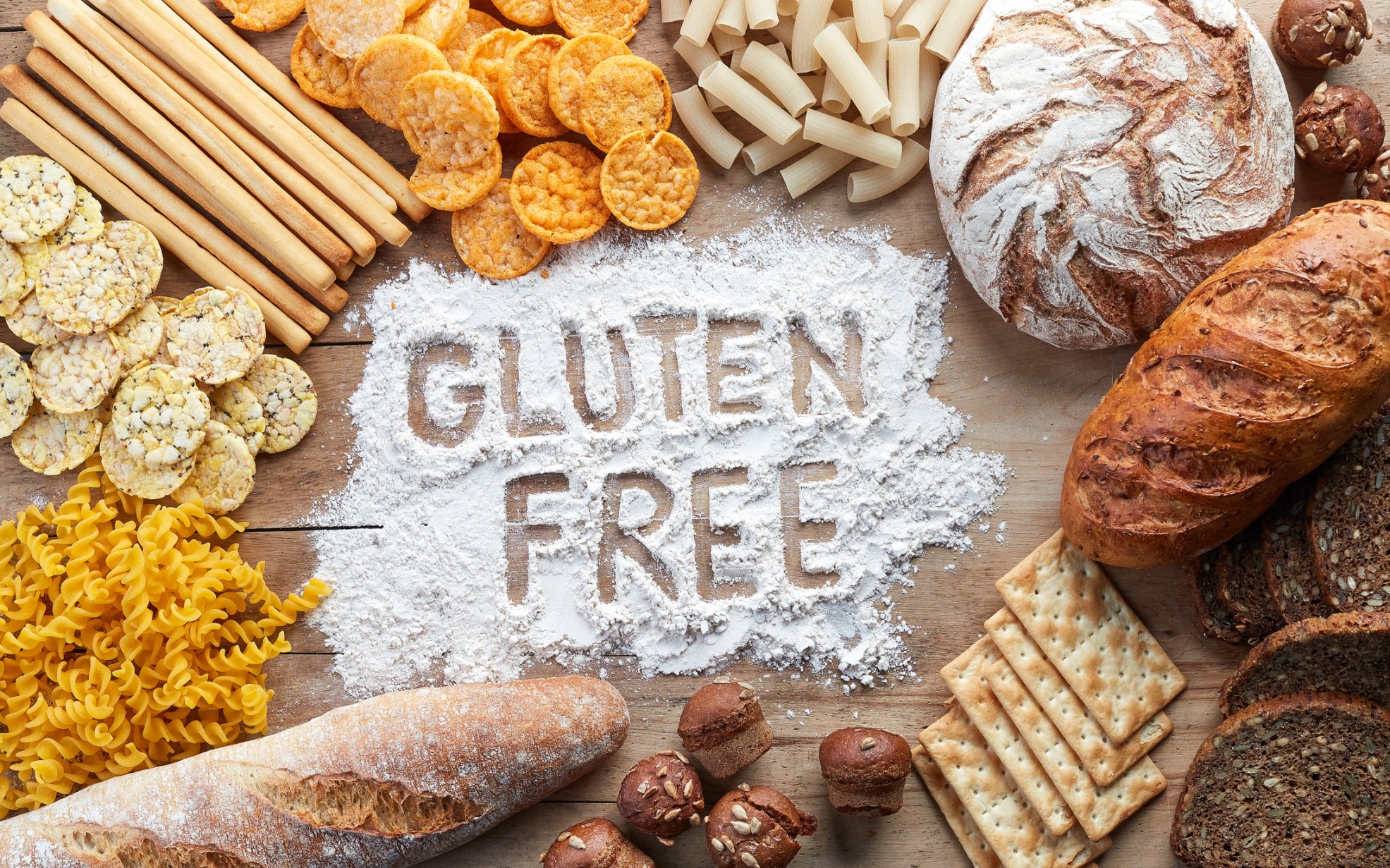
Researchers investigated the association between celiac disease (CD), a chronic immune mediated disorder, and bone mass density (BMD)(1). CD is characterized by inflammation of the small intestine, and has an increasing prevalence in the population and is often undiagnosed. If unrecognized or untreated it can lead to numerous health complications including malabsorption micronutrient deficiencies. Additionally,…
-
Vitamin D for Autism?

Researchers performed a case-controlled cross-sectional analysis on 122 autism spectrum disorder (ASD) children, to assess their vitamin D status compared to controls and the relationship between vitamin D deficiency and the severity of autism. They also conducted an open trial of vitamin D supplementation in ASD children. Results showed 57% of the patients in the…
-
Probiotics Supplementation for RA

Researchers conducted a study to determine the effects of probiotic supplementation on clinical and metabolic status of patients with rheumatoid arthritis (RA). In this randomized, double-blind, placebo controlled trial of patients with RA (aged 25-70) 30 were assigned to the probiotic group and 30 were assigned to the placebo group. The probiotics group received a…
-
Vitamin D Receptor, Dysbiosis and Intestinal Microbiome Function
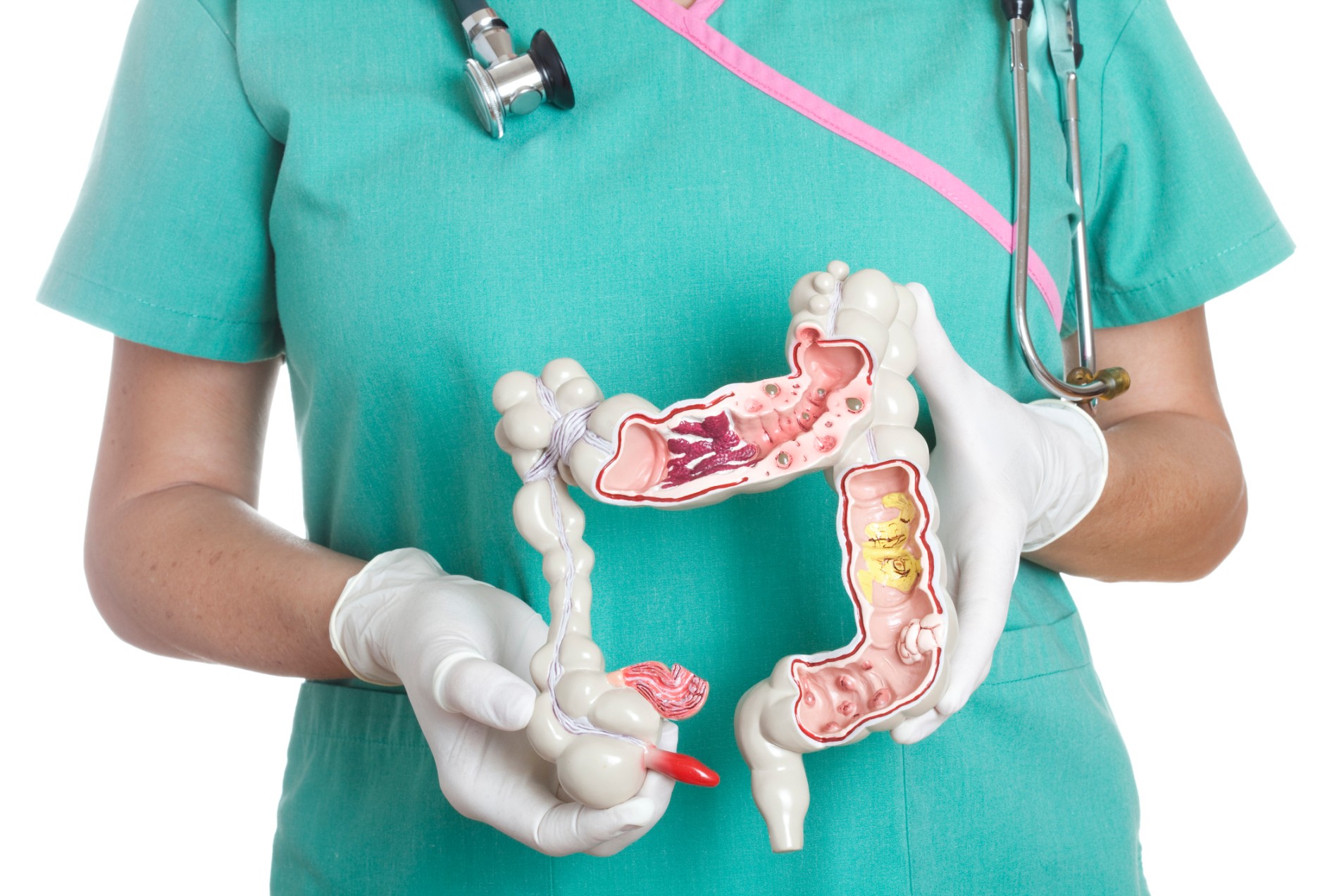
The microbiome modulates numerous aspects of human physiology and is a crucial factor in the development of various human diseases. Vitamin D deficiency and downregulation of the vitamin D receptor (VDR) are also associated with the pathogenesis of diseases such as inflammatory bowel disease, cancers, obesity, diabetes and asthma(1). VDR is a nuclear receptor that…
-
Child and Adolescent Obesity Linked to Inflammasome Activity and Gut Permeability

Immune activation contributes to the systemic inflammation associated with metabolic dysfunction in obesity. Researchers looked at forty children and adolescents: 22 obese subjects and 18 age-matched normal weight controls. Obese subjects participated in an 18-month therapeutic protocol based on intensive lifestyle modification including dietary regimen, physical activity and behavior interventions. Gene expression involved in the…
-
Microglia Activation, the Core Process in Neuroinflammation?
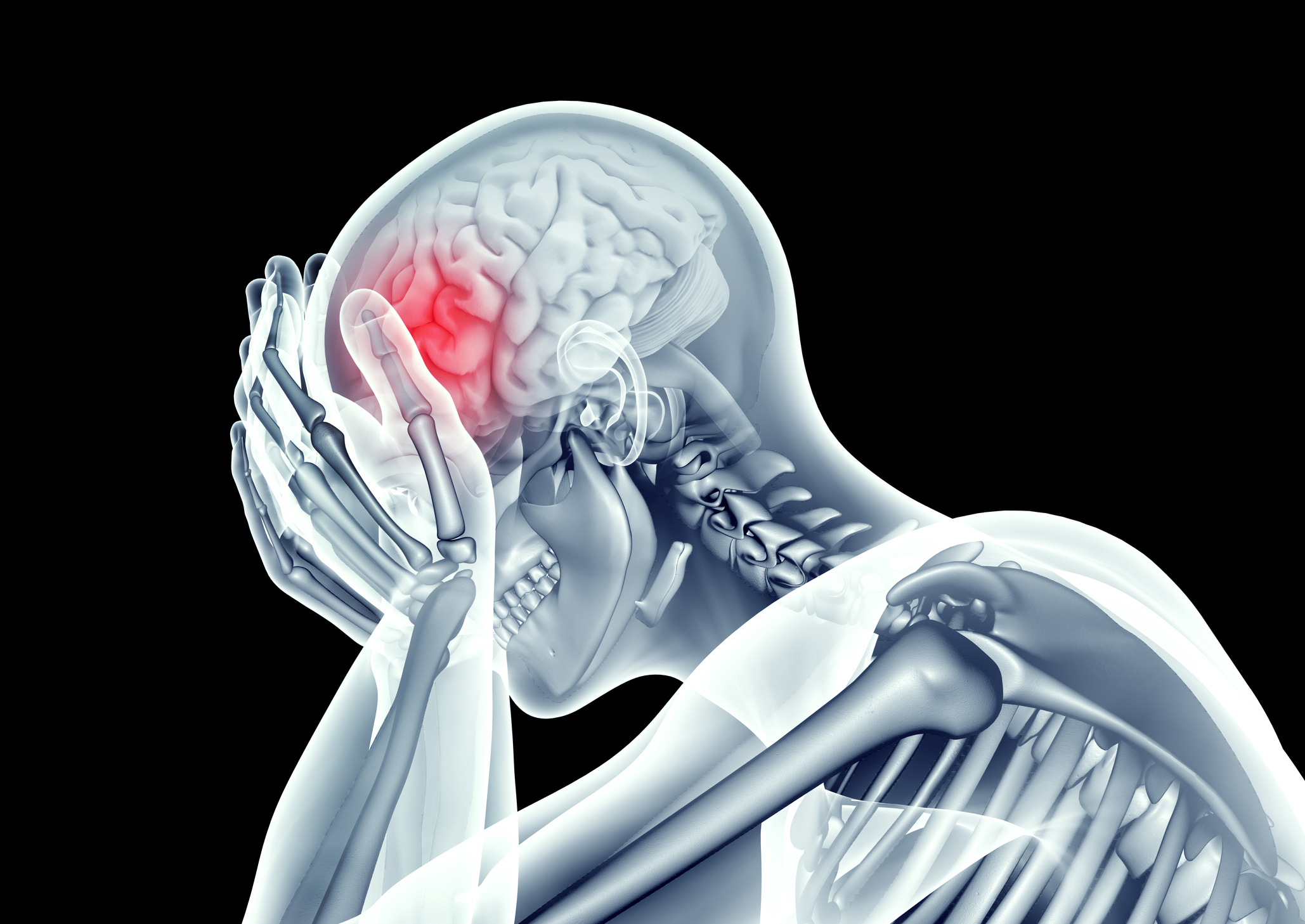
Neuroinflammation is a brain immune response that is associated with neurodegenerative diseases, and is primarily driven by activation of microglia, the brain’s resident macrophages. Dysregulation in peripheral and central inflammatory cytokine signaling interrupts normal microglial function, leading to neuronal dysfunction, neurotoxicity, neurodegeneration , and attenuated neurogenesis, processes that underlie most CNS diseases and result in…
-
Exercise = Larger Brain Size and Lower Dementia Risk

Although results have been inconsistent, several studies indicate an inverse relationship between physical activity levels and cognitive decline, dementia, and/or Alzheimer’s disease (AD). Therefore, in order to examine the association of physical activity with the risk of incident dementia and subclinical brain MRI markers of dementia, researchers followed an older, community-based cohort for over a…
-
Anabolic Steroid Use and Structural Decline of the Brain

Prolonged anabolic-androgenic steroid (AAS) use has been associated with psychiatric symptoms and cognitive deficits. Researchers investigated the association between long-term AAS exposure and brain morphometry, including subcortical neuroanatomical volumes and regional cortical thickness. Using high-resolution magnetic resonance imaging, they compared 82 weightlifters who had used AASs for longer than one year with 68 weightlifters who…
-
Alzheimer’s Misdiagnoses and Overlapping Pathologies

According to recent research, Alzheimer’s disease (AD) is commonly misdiagnosed. To investigate the frequency and nature of misdiagnoses, researchers used data from the National Alzheimer’s Coordinating Center Database on autopsies of nearly 1,100 patients with confirmed AD, including neuropathological and clinical diagnoses. 10.8 % were false positives, with clinical presentation of AD that was not…
-
High Cortisol and Accelerated Cognition Decline

Dysregulation of the hypothalamic-pituitary-adrenal (HPA) axis is linked to cognitive dysfunction, hippocampal atrophy and an increased risk for Alzheimer’s disease (AD). Less is known of the role of cortisol levels in the prediction of cognitive decline or in moderating the effect of beta-amyloid in preclinical AD. Researchers evaluated 401 cognitively normal adults enrolled in the…
-
Vitamin D Insufficiency and Cognitive Decline

According to researchers with the UC Davis Alzheimer’s Disease Center and Rutgers University, vitamin D insufficiency among the elderly is highly correlated with accelerated cognitive decline and impaired performance, especially as it relates to memory loss associated with Alzheimer’s disease (AD) and dementia. The large, longitudinal study was conducted on just under 400 diverse men…
-
Chondroitin and Glucosamine for Colorectal Cancer Prevention?
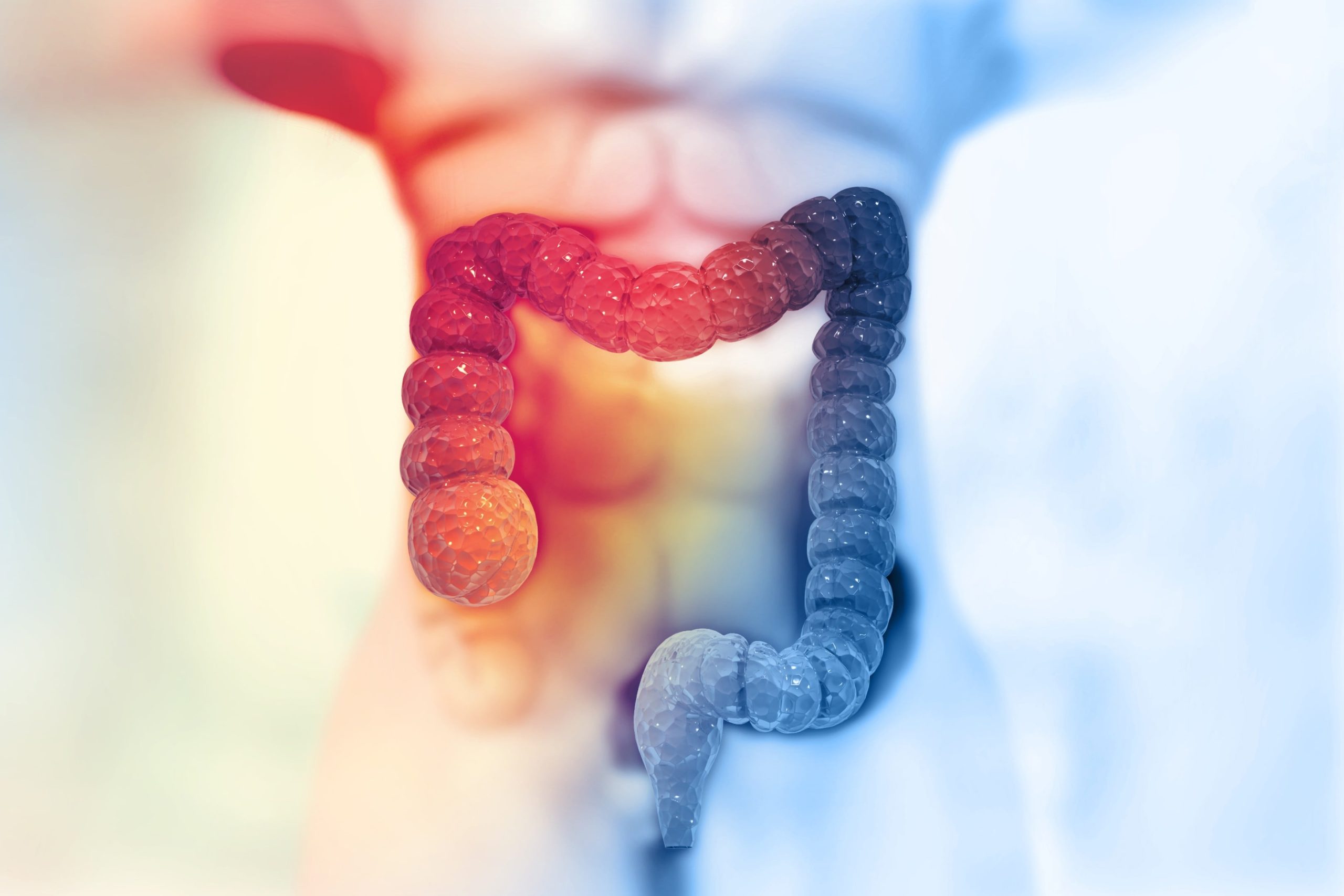
Recent evidence suggests the long term use of chondroitin and glucosamine supplements may be linked to reduced risk of colorectal cancer (CRC). Researchers evaluated the association between the use of these compounds and the risk of CRC in two prospective cohorts; the Nurses’ Health Study and the Health Professionals Follow-up Study. Regular use of these…
-
Oil of Oregano — More Evidence for Effective Pest Control:

Giardia is a neglected parasite that produces diarrhea and different degrees of malabsorption. The drugs used for treatment (such as 5-nitroimidazoles, benzimidazoles, nitrofuranes, acridine and nitrotiazoles) produce undesirable secondary effects including genetic damage and the selection of resistant strains(1). A fraction of oregano was tested against two strains of Giardia. In-vitro testing demonstrated it to…
-
Oil of Oregano – The Ultimate In Pest Control?

Herbs and culinary spices have been used for centuries to slow the spoilage of food, due to their antimicrobial properties. Recent research has documented the use of oil of oregano against antibiotic resistant Salmonella enterica on leafy greens(1). The use of oil of oregano has been documented for a variety of candida species including Candida…
-
Omega-3 Fatty Acids Protect Cognitive Function in Aging Adults!

In neurodegenerative diseases such as Alzheimer’s disease (AD) or mild cognitive impairment (pre-dementia phase of AD) changes in cognitive function and memory decline occur quicker than in normal aging. In this study, researchers looked at the effects of 2,200 mg of Omega-3 (n3) fatty acids (FA) taken daily for six months on memory function. Using…
-
Resveratrol, Inflammation, and Osteoarthritis:

Osteoarthritis (OA), a chronic articular disease characterized by cartilage degradation and osteophyte formation, involves mechanical and hereditary factors. French researchers investigated pro inflammatory paracrine interactions between human primary chondrocytes and macrophages following interleukin 1-β (IL-1β) treatment, to evaluate the molecular mechanism responsible for the inhibitory effect of resveratrol. They found that the activation of NF-kB…
-
SAMe for Depression?

A review in Naturopathic Currents looked at SAMe and its impact on mental health(1). Selective serotonin reuptake inhibitors (SSRI), the most frequently prescribed antidepressant, are frequently the first line treatment for depression. SSRI often provide inadequate symptom relief for mild-to-moderate depression, or a high relapse rate. Common side effects include fatigue, worsening mood, insomnia, poor…
-
Zinc, Hedgehog Autoprocesssing, and Chronic Disease!
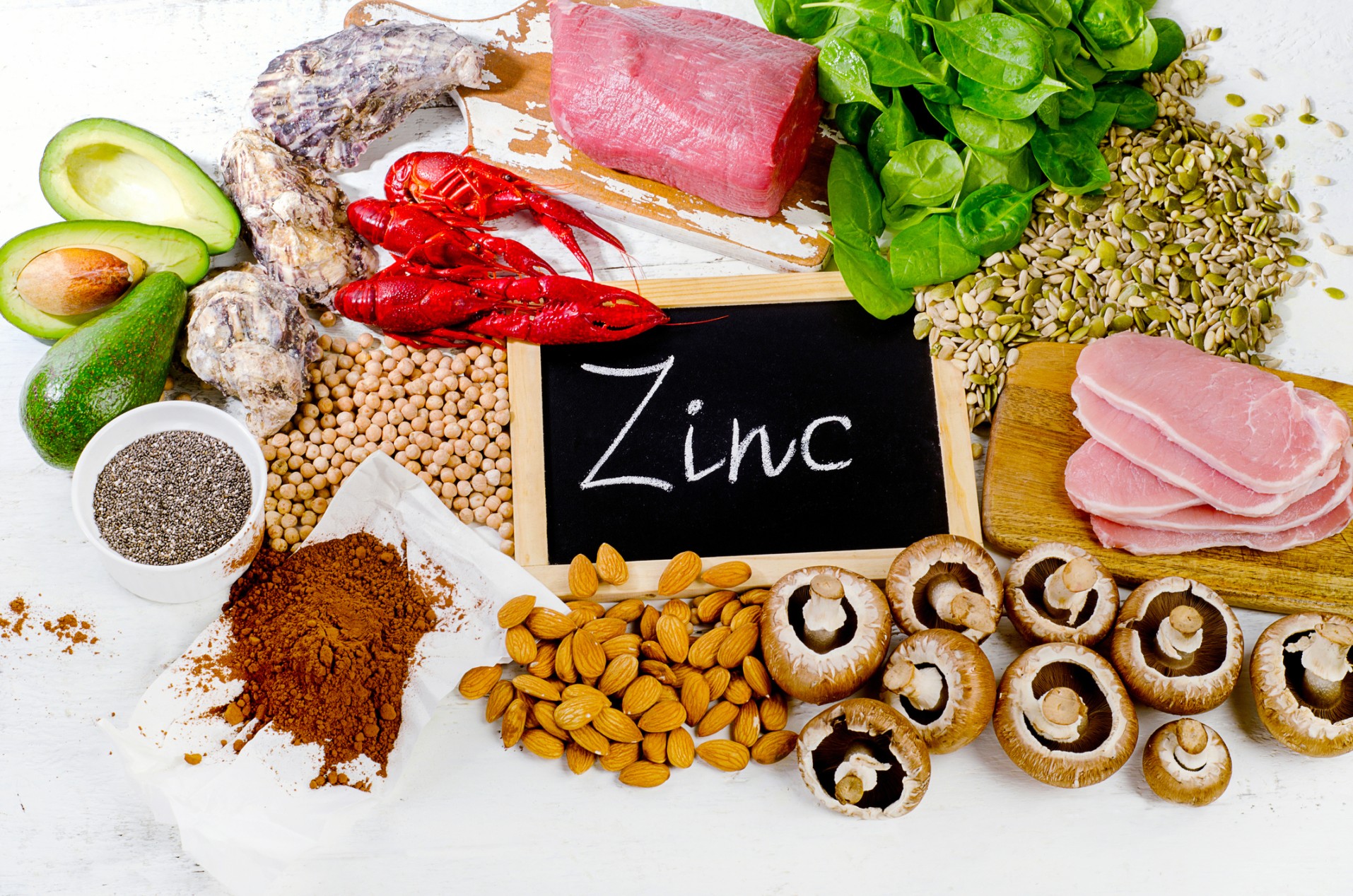
Zinc is an essential trace mineral with a wide range of biological functions. Hedgehog (Hh) pathway is a key regulator of cell growth and development that helps to establish the body plan of all animals with bilateral symmetry. In many diseases, zinc deficiency and elevated level of Hh ligand co-exist, including prostate cancer, lung cancer,…
-
Zinc, Prenatal LPS and Autism:

In order to understand the causes of autistic-like behaviors, researchers from the University of Sao Paulo evaluated maternal serum metal concentrations involved in intra uterine development and infection/inflammation. They identified reduced maternal levels of zinc, magnesium, selenium and manganese after lipopolysaccharide (LPS) exposure in prenatal rats. They selected zinc as the prenatal treatment to prevent…
-
Heavy Metals and Migraines!

According to a study published in 2012, Migraines affect 12% of the US population. While the number of studies related to migraine pathophysiology have increased in recent years, the exact aetioloty is not well understood. Wishing to compare the levels of trace elements and heavy metals in patients with acute migraine and healthy controls, researchers…
-
Gluten-Free Diet Impacts the Human Microbiome:

A gluten-free diet (GFD) is commonly adopted as an effective treatment for celiac disease, and is often followed to alleviate GI complaints. While we know there is an important link between diet and the gut microbiome, how a switch to a GFD affect the human gut microbiome is largely unknown. Twenty one healthy human volunteers…
-
Important Info on US Sodium and Potassium Intakes and Their Ratio:
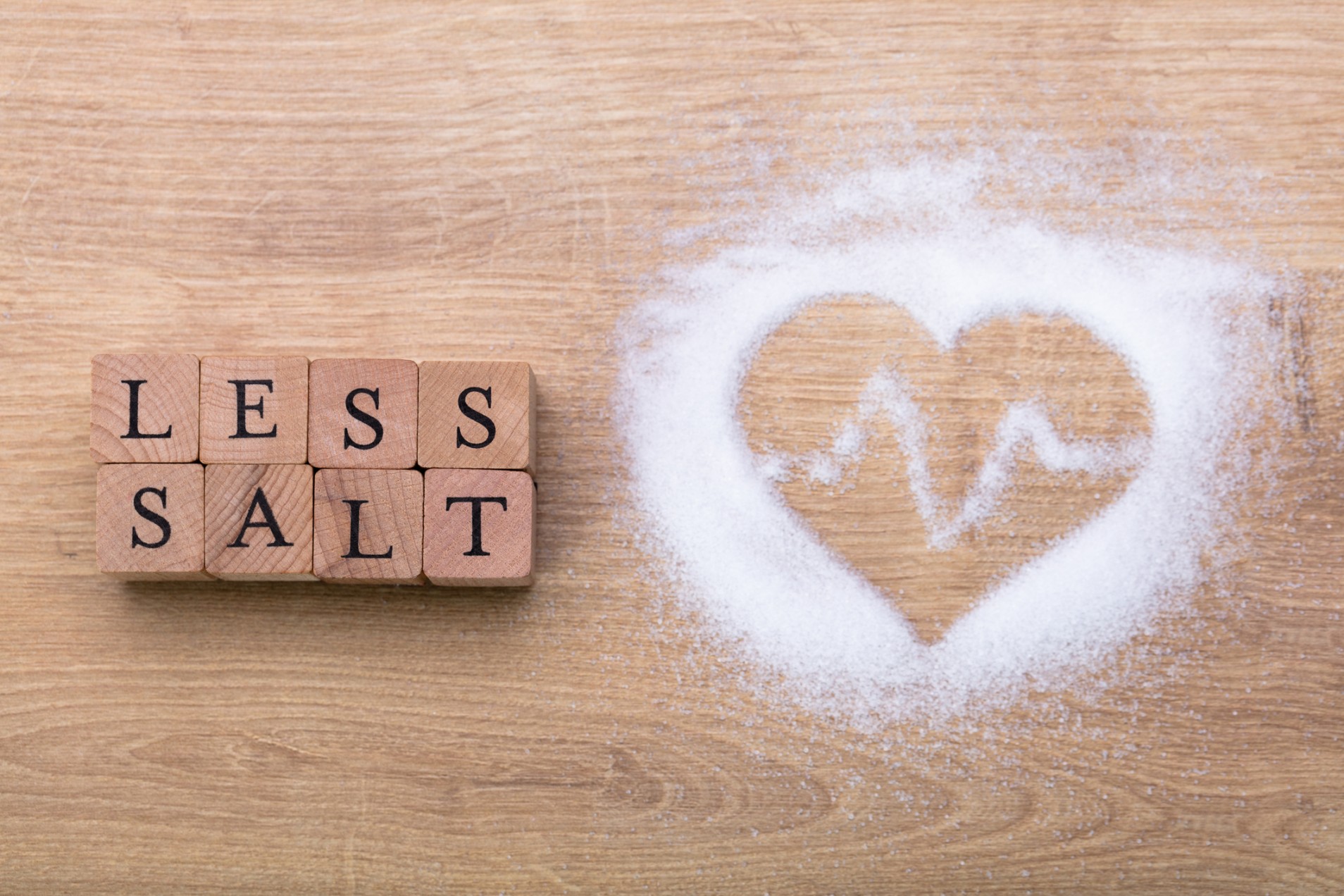
Sodium-to-potassium ratio (Na:K) is shown to be strongly associated with an increased risk of Cardiovascular disease (CVD) and CVD related mortality, more than either Na or K intake alone. Researchers from the NIH Office of Dietary Supplements, Department of Nutrition Science at Purdue University, and the USDA Agricultural Research Service set out to estimate the…
-
Long Term Multivitamin Use Linked to Lower Cardiovascular Disease (CVD) in Men!

Researchers from Harvard TH Chan School of Public Health, Karolinska Institute (Stockhilm) and Brinham and Women’s Hospital (Boston) investigated how multivitamin use is associated with the risk of CVD in men who were initially (as baseline) healthy. They studied over 18,500 male physicians (≥40 yrs) from the Physicians’ Health Study 1 cohort who were free…
-
Fish Oil for Healthy Community Dwelling Senior Women!

As we age, we typically experience a decrease in muscle mass and metabolic rate and an increase in fat mass, thereby predisposing older adults to chronic disease and functional impairment. The result is an eventual decrease in the quality of life. Researchers from the Department of Human Health and Nutritional Sciences at the University of…
Shop Our Brands: