-
Top 5 Keto Diet Mistakes

Ketogenic diets are effective for helping with a wide array of health issues. Owing to the avalanche of conflicting information out there about this way of eating, however, it’s possible for patients to hit some roadblocks that prevent them from achieving their goals despite having the best intentions. People use keto diets for a number…
-
Understanding (and Using) the CAC Scan
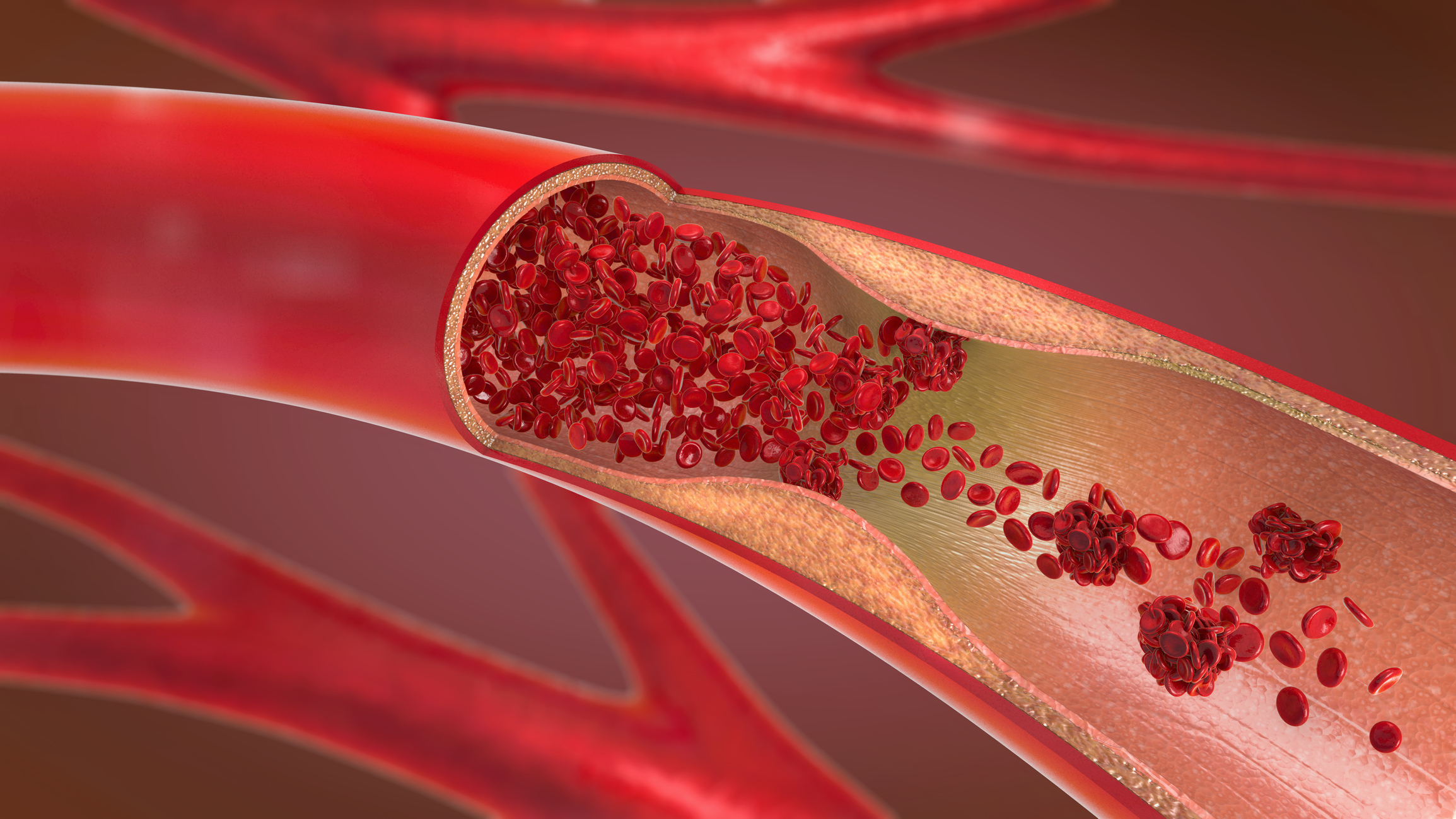
“…a considerable subgroup of individuals with very high LDL-C does not develop coronary artery calcifications and has a very low event rate.” (Bittencourt et al., 2019)
-
Examining Fructose Through an Evolutionary Lens

The evidence base continues to grow suggesting that fructose, from both dietary sources and endogenous synthesis, promotes the metabolic dysfunction that underlies the most prevalent health conditions, including diabetes, obesity, insulin resistance, metabolic syndrome, and fatty liver disease. To understand why, it helps to review the metabolic pathways driven by fructose, as well as the…
-
Analyzing Vitamin D2 vs D3

When comparing ergocalciferol (D2) to cholecalciferol (D3), most studies typically report on differences related to serum levels of 25(OH) vitamin D, with a focus on which form is more efficient or has a more enduring effect. Results from a recently published clinical trial sharpen our understanding of the divergent effects of these two forms of…
-
Environmental Toxins & Obesity

Environmental and industrial pollutants, particularly those which are resistant to degradation, (known as persistent organic pollutants, or POPs) have long been implicated in various metabolic diseases, including obesity. Because no human double-blinded and randomized trials can be ethically conducted with these chemical compounds, much of our current knowledge is based upon animal/cellular research and epidemiologic…
-
APO Ratio & CVD Risk

Evidence continues to grow for the value of using apolipoprotein levels (apoB and apoA-1) as the best marker for cardiovascular risk, as they have been shown to be closely associated with cardiovascular outcomes over a wide range of ages and over a long period of time, as reported in a recently published Swedish cohort study.…
-
Carbohydrate Restriction & GERD

Patients who suffer from acid reflux are often told to avoid potentially triggering or irritating foods and beverages, such as coffee, tomato sauces, spicy and acidic foods. But what if a different approach were effective—one that didn’t require people to eliminate some of their favorite foods? Interesting research suggests low-carb diets can help prevent reflux,…
-
HRV: A Valuable Biomarker

Heart rate variability (HRV) is accepted as a non-invasive marker of autonomic nervous system (ANS) function. Even at a steady heart rate, there are small differences between beats; for example, the difference in time between successive beats, although measured in milliseconds, has broad physiological relevance, predictive for both specific disease morbidity and overall mortality. Not…
-
5 Ways to Balance Hormones Naturally

Hormones are chemical messengers that travel throughout the body instructing various glands and organs to perform a wide range of functions. The correct functioning of these endocrine glands is vital for overall health and wellbeing. Balancing hormones properly requires a delicate, multifaceted approach. For instance, various foods and herbs can impact hormone levels, as well…
-
Environmental Pollutants’ Impact on Fertility

Declining Fertility In October 2020 the Lancet published an analysis of the Global Burden of Disease Study (2019), confirming an ongoing decline in global fertility rates over at least the past 20 years. Funded by the Gates Foundation, this analysis found that half of all countries/territories had “below replacement” fertility rates, and 88% of the…
Shop Our Brands: