
-
Competing Models of Obesity
Despite decades of research on what causes obesity, controversy still abounds. If it were really as simple as eating too much and not getting enough exercise, then “Eat less, move more” is the only advice anyone would have ever needed. But with nearly 42 percent of adults in the US having obesity, then either this…
-
Obesity & The Microbiome

BMC Microbiology recently published a meta-analysis of metagenomic sequencing data from obese and non-obese participants in an effort to clarify contradictory findings relating the gut microbiome to the risk for an elevated BMI. Seven studies were included in this meta-analysis, as well as 1351 stool metagenomic (shotgun) sequencing files from 862 participants (396 with obesity…
-
Gut Microbiota & Immune Alterations in Obesity

Mounting research findings demonstrate the pivotal role the gut microbiota and immune system play in the development and progression of obesity. A 2024 meta-analysis published in Gut Microbes revealed that individuals with obesity have distinct differences in the composition of their microbiome in comparison to controls. Analysis of16S rNA gene and metagenome sequencing data from…
-
Light Exercise Protects Against Childhood Obesity

Results of a study with over 13 years of follow-up were recently published in Nature Communications, detailing many of the associations between physical activity and fat accumulation in children aged 11 to 24. Data from the UK-based Avon Longitudinal Study of Parents and Children (ALSPAC) birth cohort provided a longitudinal analysis of accelerometer-assessed movement and…
-
Obesity – An Obesogen Review
The second installment in a 3-part series focusing on obesity was recently published in Biochemical Pharmacology, largely devoted to examining the evidence for the obesogen hypothesis, i.e., the proposal that environmental chemicals play a role in the growing overweight/obesity pandemic. This review specifically defines obesogens as chemicals that increase white adipose tissue mass (WAT) after…
-
Environmental Toxins & Obesity

Environmental and industrial pollutants, particularly those which are resistant to degradation, (known as persistent organic pollutants, or POPs) have long been implicated in various metabolic diseases, including obesity. Because no human double-blinded and randomized trials can be ethically conducted with these chemical compounds, much of our current knowledge is based upon animal/cellular research and epidemiologic…
-
Study Connects Biological Clock to Overeating and Obesity

In a study published in the journal Current Biology, Güler and his team explored the connection between the pleasure center of the brain and our internal biological clock. Looking at the 24/7 availability of high-calorie foods and how regular consumption and snacking can lead to obesity in mouse models. Güler and his team found that…
-
Could Psychosocial Stress Be a Root Cause of Obesity?

A 2019 study has unveiled an interesting connection between cumulative exposure to a wide range of psychosocial stressors and the risk of obesity.
-
Can You Sleep Extra Hours on the Weekend to Repay Your Sleep Debt?

Sleeping more on the weekend to recover from sleep lost during a busy workweek is very common. Yet, recent study findings suggest that sleeping more on the weekend is not an effective strategy, and still leads to metabolic dysregulation and a higher risk of metabolic problems such as obesity and diabetes. The study examined the…
-
Obesity and the Microbiome Influence
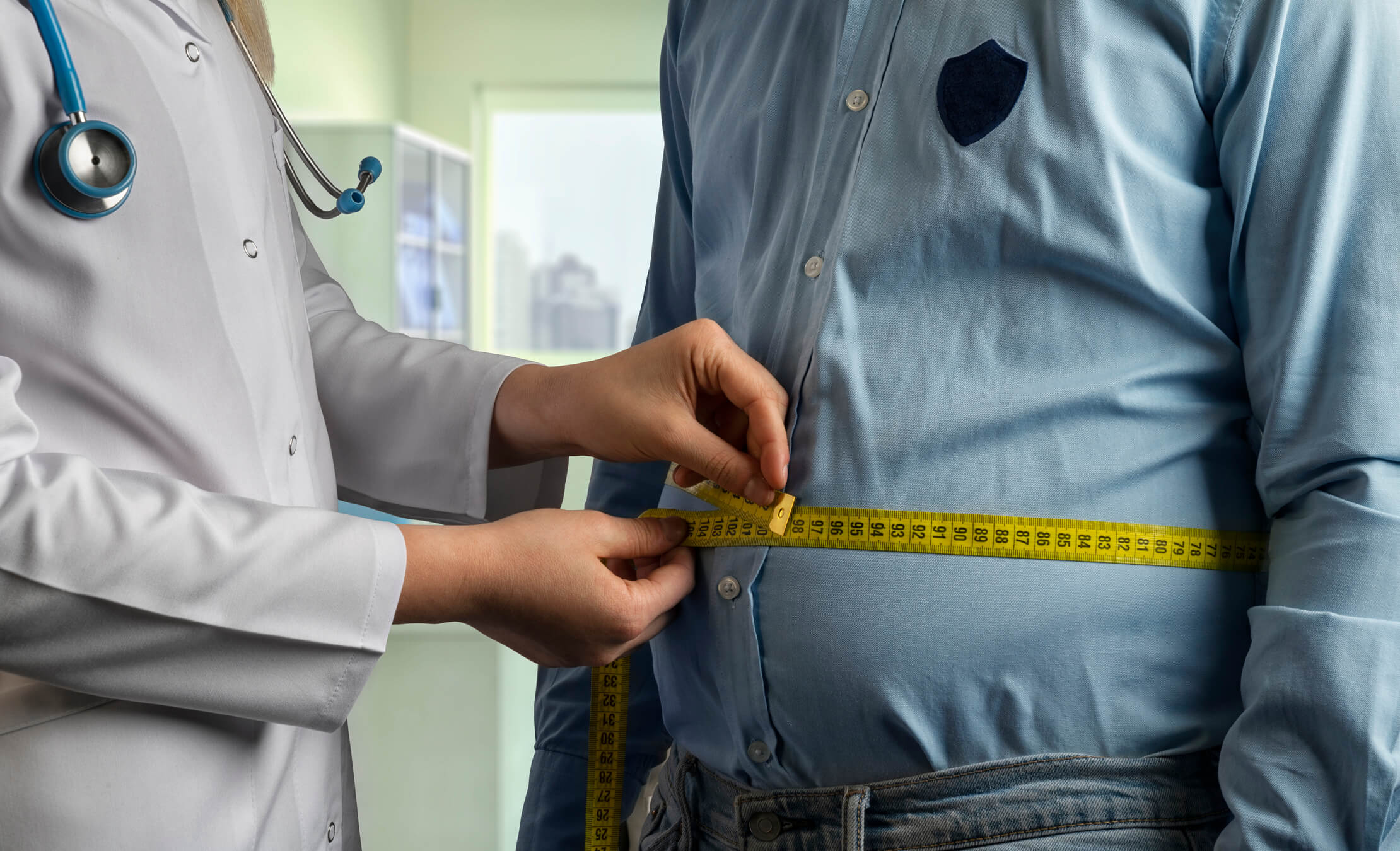
The gastrointestinal tract is an ecosystem that has a huge impact on human health. Research has shown the floral content of the intestine plays a role in obesity, allergies, inflammatory bowel disease, cancer, and even psychiatric disorders. A new animal study shows how fiber favorably affects the microbiome, and influences metabolism. Researchers assigned four different…
Shop Our Brands: