-
Intestinal Health & Metabolic Syndrome
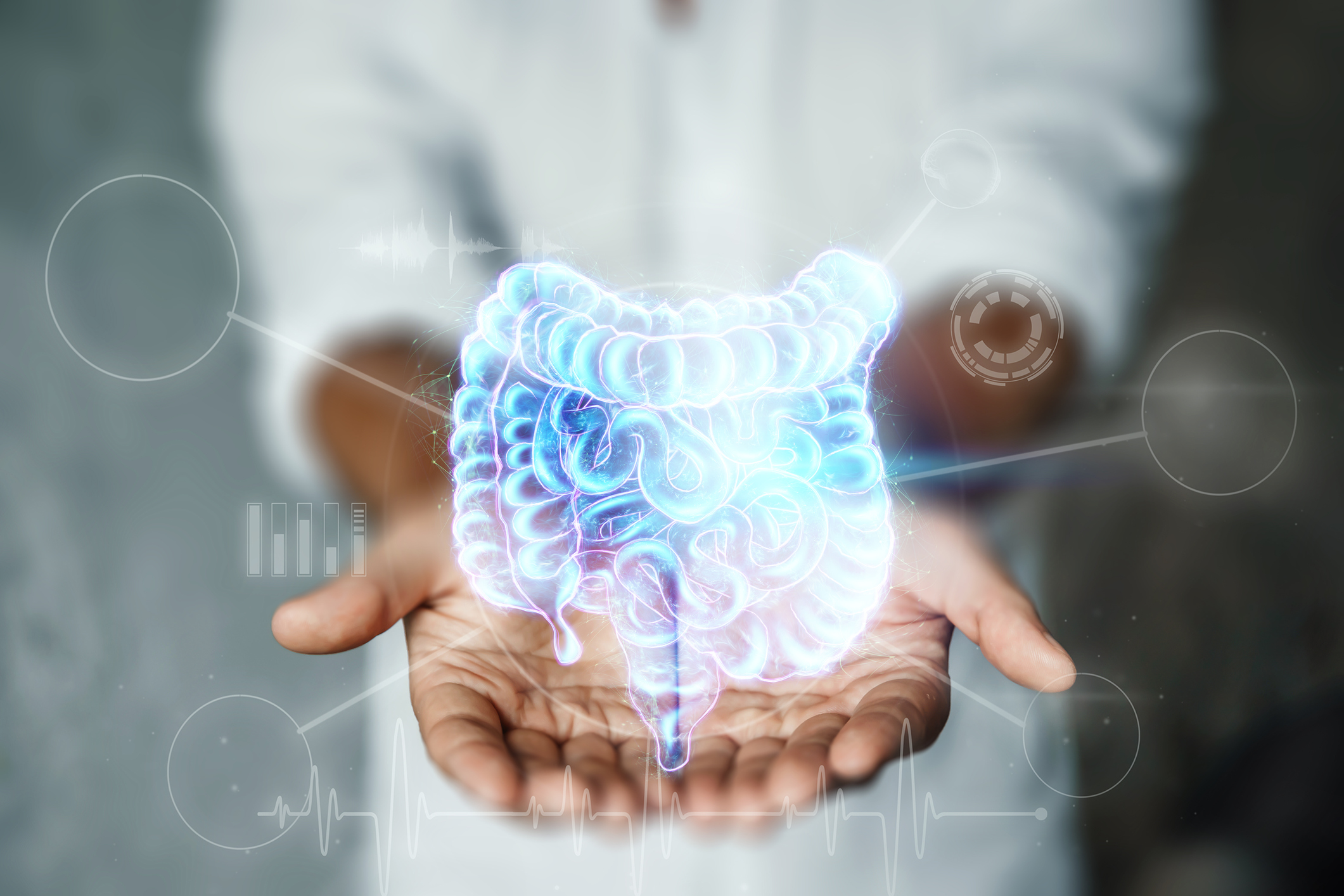
Recently published in Current Developments in Nutrition, a double-blinded randomized cross-over trial compared the effects of a catechin-rich green tea extract (GTE) to placebo on several markers of metabolic health and intestinal inflammation among healthy participants, as well as those with metabolic syndrome. Forty participants (roughly half with metabolic syndrome) received 1g GTE per day…
-
Salt & Mortality: Food for Thought

The association between sodium intake and several adverse outcomes, including hypertension and both cardiovascular and all-cause mortality, continues to be a difficult one to untangle. For example, a number of large studies have found sodium intake to be directly associated with total mortality, even at the lowest levels of consumption, with NHANES data suggesting that…
-
3 Principles of Sports Nutrition

Sports nutrition is always an intriguing topic of discussion, one main reason being the body’s extra requirements for nutrients. A lack of exercise, as well as excessive exercise, can reduce the number of available nutrients. Additionally, athletes need to do everything they can to optimize their diet for peak performance: provide the proper energy required…
-
Medication Awareness with Very Low Carb Diets

“The most significant adverse effects from a LCK [low-carbohydrate ketogenic] diet originate from over-medication with hypoglycemic and anti-hypertensive medications following a dramatic dietary change.” (Cucuzzella et al., 2021)
-
PFAS & Women’s Health

The results of a community-based longitudinal study that followed over 1000 women from 1999 to 2017 were recently published in the journal Hypertension. With nearly 12,000 person-years of follow-up, women without hypertension at the beginning of the study received annual visits to assess for hypertension, along with baseline measurements of 7 different perfluoroalkyl and polyfluoroalkyl…
-
Diet & Antimicrobial Resistance

Antimicrobial resistance (AMR) is both an immediate and growing problem. In 2019, the global estimate for deaths associated with AMR was 4.95 million, with 1.27 million directly attributable to AMR. A report in the UK estimated that by 2050, 10 million lives a year and $100 trillion of economic output would be lost as a…
-
How Omega-3s Optimize Mental Health

Both brain-derived neurotrophic factor (BDNF) and omega-3 fatty acids have powerful health-promoting effects on the brain, boosting cognition and overall mental health. ALA (α-linolenic acid) can be considered the “parent” fatty acid as the body converts ALA into EPA (eicosapentaenoic acid), and subsequently DHA (docosahexaenoic acid), in the liver. Not only are humans not particularly…
-
Environmental Pollutants & the Microbiome

In a recently published Frontiers in Medicine review, the bidirectional interactions between environmental toxicants and the gut microbiota were examined, highlighting the complex relationship between the composition of the microbiota and xenobiotic metabolism. Given that for most people the greatest source of exposure to pollutants is via diet and water consumption, the gut microbiota is…
-
Insulin Resistance & Erectile Dysfunction

In a recent article we explored the connection between chronically elevated insulin—a.k.a. metabolic syndrome—and benign prostate hypertrophy (BPH). We noted that BPH is included among the issues believed to have roots in what researchers call “a male polycystic ovarian syndrome equivalent.” And if chronic hyperinsulinemia is the underlying cause of PCOS, then the same hormonal…
-
Influences on Detoxification Capacities

A wide spectrum of detoxification capacity exists in the general population, a result not only of genetic differences but also environmental factors. For example, substantial variation in inter-individual responses to caffeine is well documented; the demethylation of caffeine to paraxanthine, the primary metabolic pathway for elimination, is mediated exclusively by cytochrome P450 isoform 1A2 (CYP1A2),…
Shop Our Brands: