-
Waist-to-Hip Ratio vs BMI

Numerous studies indicate that, compared to body mass index (BMI) or total body fat, waist-to-hip and waist-to-height ratios show stronger associations with risk for cardiometabolic disease and all-cause mortality. A paper published recently in JAMA Network Open Diabetes and Endocrinology showed that compared to BMI and fat mass index (FMI), the waist-to-hip ratio (WHR) showed…
-
Processed Foods & Risk for Depression

Analysis of a cohort study evaluating the association between the consumption of ultra-processed food (UPF) and depression was recently published in JAMA Network Open. UPF refers to energy-dense and micronutrient-poor packaged products, generally rich in fat, sugar, and salt. This prospective study was conducted within the Nurses’ Health Study II, between 2003 to 2017, and…
-
Keto for Cardiovascular Disease

“Summarizing the extensive scientific evidence, the ketogenic diet is a promising nutritional model in the context of cardiovascular disease prevention and therapy. Through its pleiotropic properties, it is able to influence the cardiovascular system on multiple levels. Scientific evidence mostly confirms its beneficial (even more beneficial compared to other diets) effects on the lipid profile…
-
Impact of Food Labels
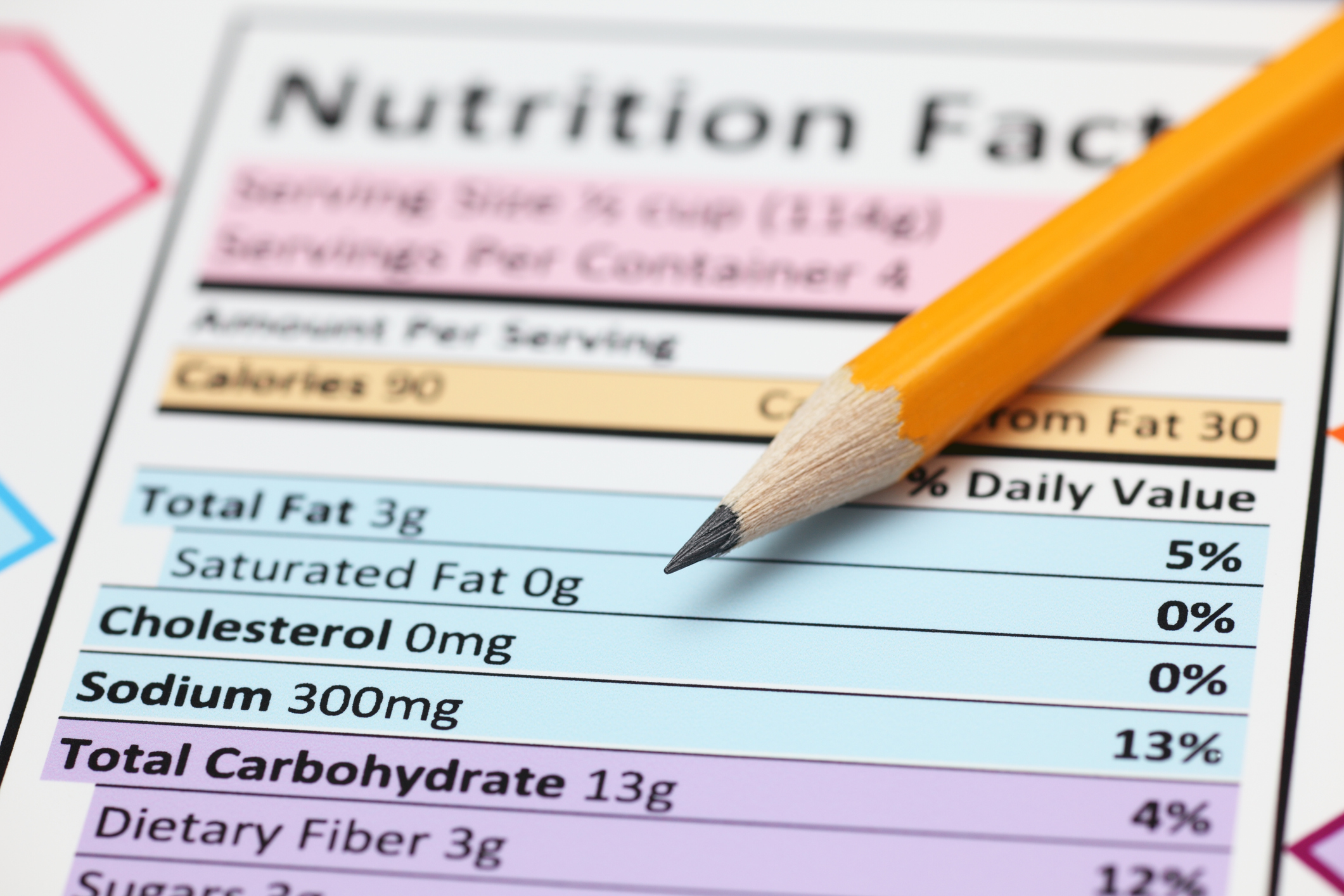
Results of a large randomized clinical trial were recently published in JAMA Network Open describing the effects of food labeling on the beverage and snack choices made by U.S. adults. This study was conducted with the assumption that the current Nutrition Facts labeling is insufficient; although it provides nutritional information about a product, it is…
-
Rhodiola & Menopause
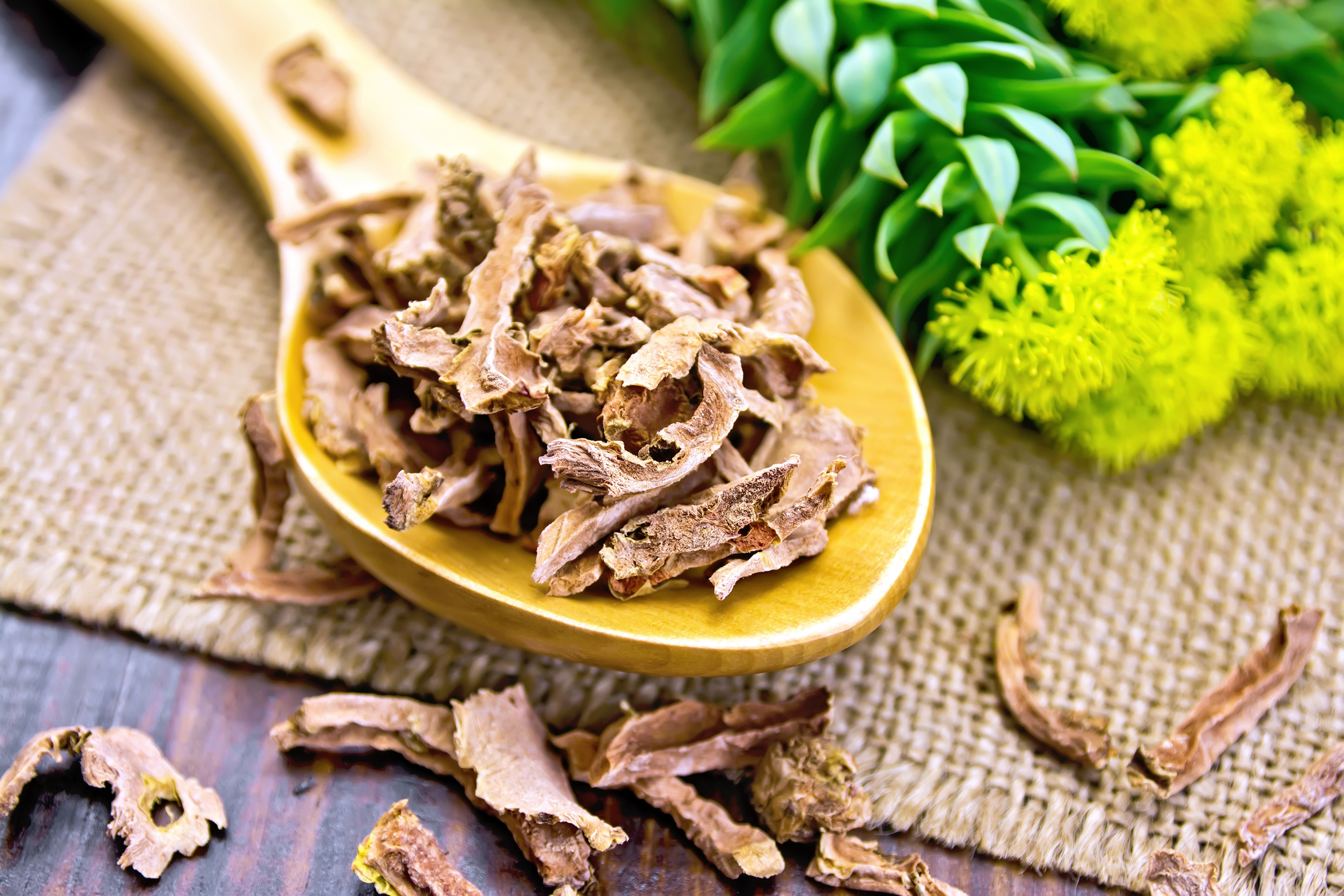
Results of a randomized and controlled trial suggest that Rhodiola rosea may be able to reduce menopausal symptoms, at least in combination with black cohosh (BC, Actaea racemosa). Published in Pharmaceuticals, this placebo-controlled 4-arm parallel-group study enrolled 220 women experiencing symptoms of menopause (confirmed with low estradiol and elevated FSH levels) and randomly assigned them…
-
Psyllium & Pediatric IBS

Results of a double-blind randomized controlled trial were recently published in the Journal of Pediatric Gastroenterology and Nutrition, describing the effects of psyllium husk supplementation on the symptoms of irritable bowel syndrome (IBS) in children. Psyllium has been recommended for adults as part of the initial treatment of IBS, but fewer trials exist for its…
-
Dietary Patterns & Alzheimer’s

While the precise pathogenesis of Alzheimer’s disease remains a mystery, it’s hard to ignore that dietary and lifestyle factors may help to increase or decrease risk. A recent paper in Frontiers in Nutrition provided an overview of select dietary patterns and their potential to reduce risk for or delay the progression of Alzheimer’s.
-
Mediterranean Diet & Mortality Risk
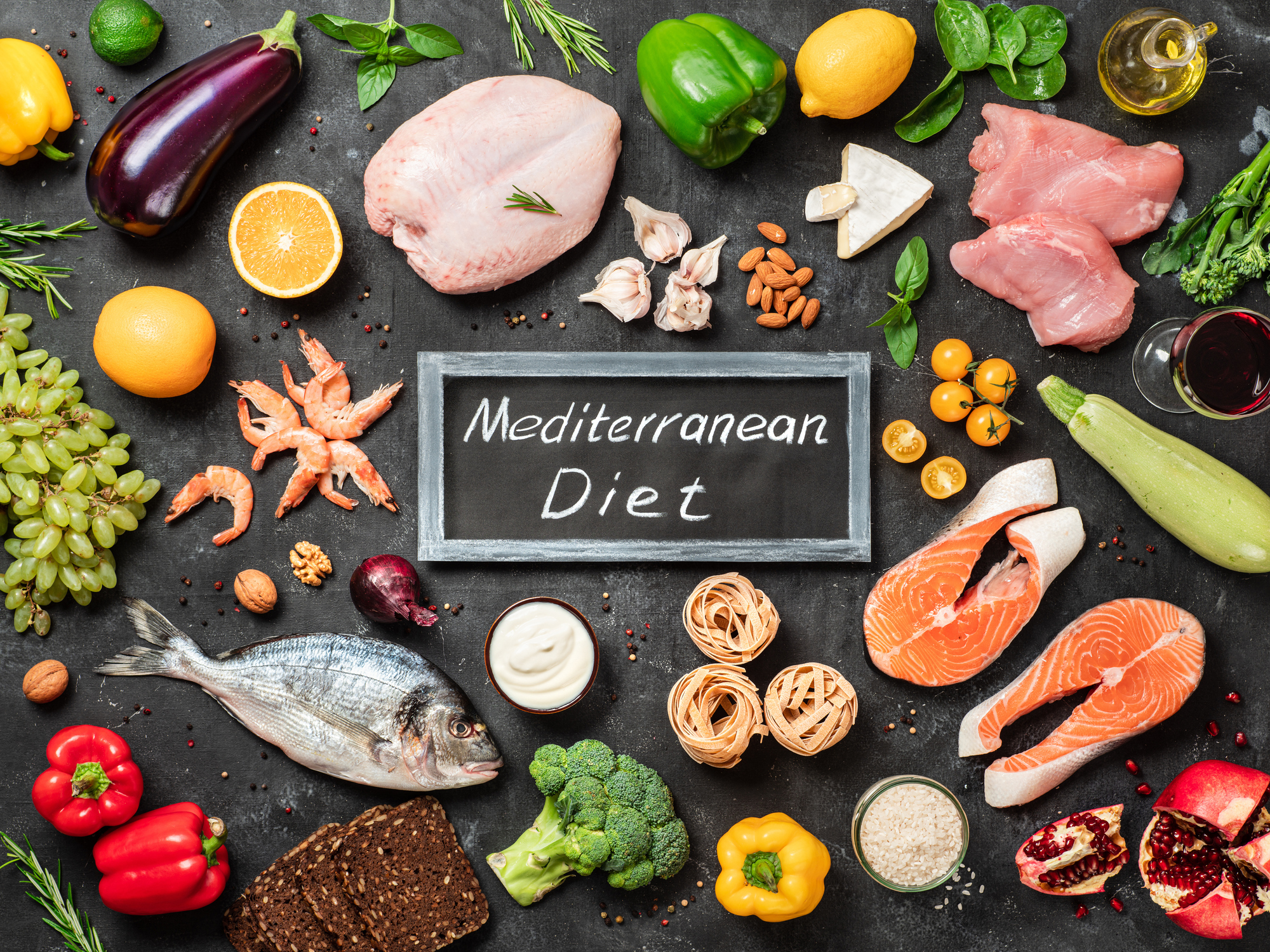
Just published in the Mayo Clinic Proceedings is an analysis of the link between the “Mediterranean lifestyle” (comprised not only of dietary food and habits but also such things as napping, physical activity, and time socializing with friends) and all-cause mortality, as well as cardiovascular and cancer-specific mortality. This observational study was conducted among over…
-
Hearing Aids & Cognitive Decline

The Lancet has just published the results of the first randomized and controlled trial evaluating the effect of hearing aids on cognitive decline and dementia when given to older adults with hearing loss. A substantial body of evidence suggests that hearing loss, which is quite common among older adults, is associated with a greater risk…
-
Keto, IVF & PCOS

A paper just published in the August 2023 issue of the journal Reproductive Toxicology adds to the body of literature showing that dietary carbohydrate reduction is beneficial for women with polycystic ovarian syndrome (PCOS), and that a ketogenic diet may help improve the likelihood of a successful pregnancy in women with PCOS undergoing in vitro…
Shop Our Brands: