-
Morning Sickness Insights Discovered

A recent study published in the journal Nature has elucidated the etiological basis of nausea and vomiting in pregnancy, commonly referred to as “morning sickness,” and its more severe form, hyperemesis gravidarum (HG). The multinational research, involving the University of Southern California, University of Cambridge, and Sri Lankan researchers, identifies the hormone GDF15, produced by…
-
Vitamin B2 & Cognitive Health

Results of a cross-sectional study were recently published in the Journal of Translational Medicine, detailing the association between vitamin B2 (riboflavin) intake and cognitive function in an older population. Datasets from two cycles of NHANES (between 2011 and 2014) from more than two thousand adults over age 60 who had undergone cognitive function testing and…
-
Cardiometabolic Effects of a Vegan Diet

Recently published in JAMA Network Open were the results of a randomized clinical trial comparing the effects of a vegan or an omnivorous diet on LDL cholesterol (LDL-C) as the primary outcome, with multiple secondary outcomes related to metabolic health. This trial may be the first to recruit adult identical twins, 22 pairs in total,…
-
Vitamin B6 & H. pylori
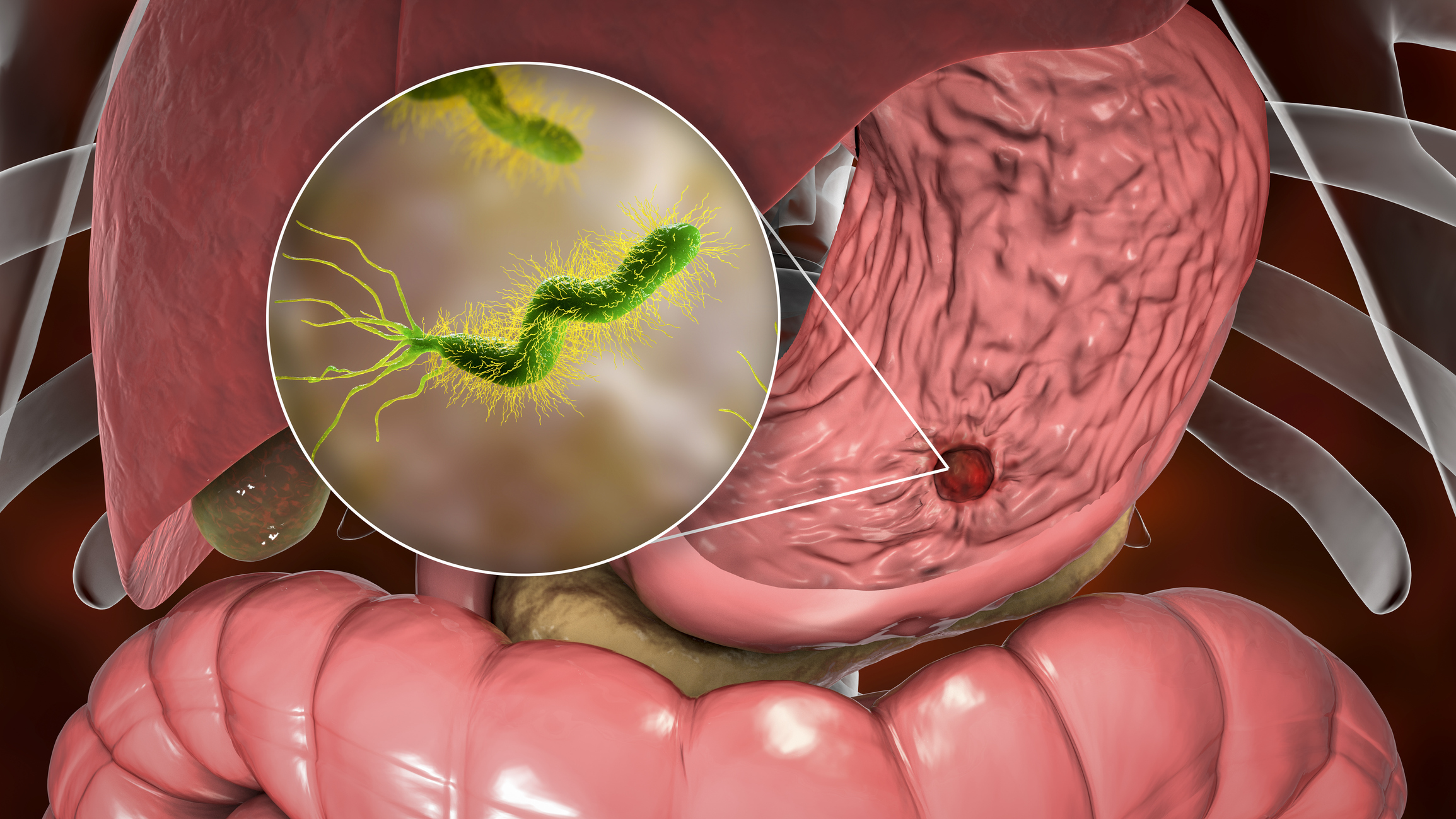
Results of a randomized and controlled trial that enrolled 280 patients and tested the effect of adding vitamin B6 to a standard drug regimen for the treatment of H. pylori were recently published in BMC Infectious Diseases. The primary treatment for H. pylori is often quadruple therapy (in this Shanghai-based study it included rabeprazole, metronidazole,…
-
Berberine’s Effect on the Glycemic Profile

Results of a randomized clinical trial were recently published in the European Review for Medical and Pharmacological Sciences, detailing the effect of berberine (as Berberine PhytosomeTM) on the metabolic profile of overweight participants with impaired fasting glucose (IFG). Forty-nine non-diabetic participants with a fasting glucose between 110 and 126 mg/dL and a mean BMI near…
-
Keto Diet for Lipidemia

A paper published recently in Current Obesity Reports presents evidence for the efficacy of ketogenic diets for lipedema. Lipedema is notoriously difficult to treat, as the hyperplastic, fibrotic, and painful adipose tissue that characterizes the condition is highly resistant to reduction via diet and exercise. The advanced stages may result in reduced quality of life…
-
Is There an Optimal Number of Steps Per Day?

A recently published meta-analysis has tried to quantify the dose-response relationship between the number of steps taken per day and both all-cause mortality and incident cardiovascular disease (CVD). Published in the Journal of the American College of Cardiology, this meta-analysis started quite broadly, initially with over 5,000 potential studies to include, but weaned it down…
-
Microbiome & COVID-19

In Genome Medicine, Harvard researchers recently published their analysis of metagenomic profiling of the gastrointestinal microbiome of patients hospitalized with COVID-19 during the first year of the pandemic. Between April 2020 and May 2021, 127 consecutive hospitalized adult patients with confirmed COVID-19 (at Massachusetts General Hospital) were categorized as having either severe or moderate disease,…
-
Keto for McArdle

A recent study published in Clinical Nutrition adds additional evidence to what we covered in a past blog article: ketogenic diets may be beneficial for people living with McArdle disease (glycogen storage disease type V).
-
Modifiable Risk Factors & CVD

A paper published recently in The New England Journal of Medicine noted the not-exactly surprising finding that over fifty percent of incident cardiovascular disease and approximately twenty percent of deaths from any cause may be attributable to five modifiable risk factors: body mass index (BMI), systolic blood pressure, non-HDL cholesterol, current smoking, and diabetes.
Shop Our Brands: