-
Prebiotics & Cognitive Function

Results of a randomized controlled trial performed to evaluate the effectiveness of a prebiotic supplement on both muscle function and cognition in a healthy older population were recently published in Nature Communications. To limit genetic confounding, this study was conducted among twins (monozygotic and dizygotic) and is known as the PRebiotic and PrOtein on Muscle…
-
Vitamin B2 & Cognitive Health

Results of a cross-sectional study were recently published in the Journal of Translational Medicine, detailing the association between vitamin B2 (riboflavin) intake and cognitive function in an older population. Datasets from two cycles of NHANES (between 2011 and 2014) from more than two thousand adults over age 60 who had undergone cognitive function testing and…
-
Hearing Aids & Cognitive Decline
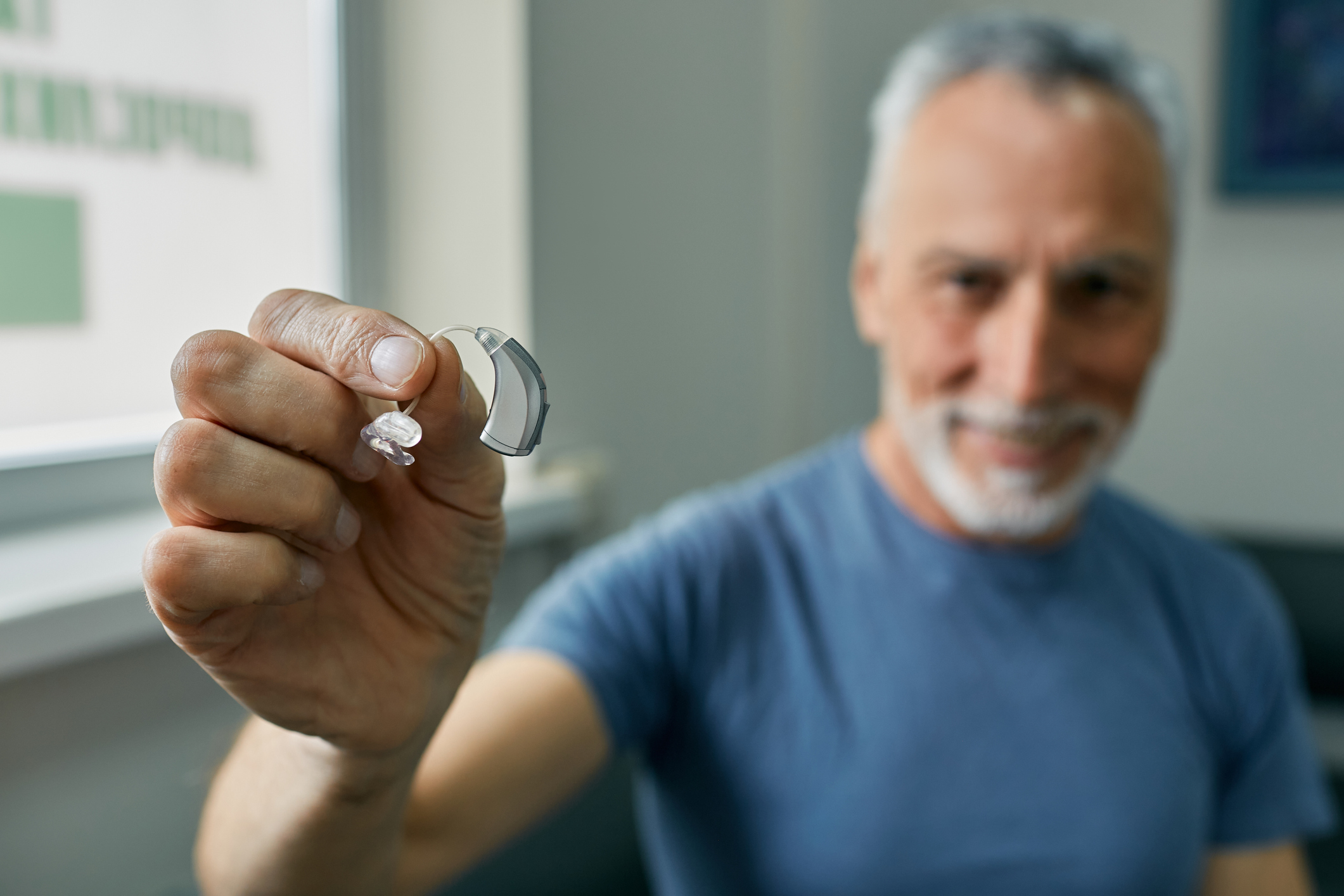
The Lancet has just published the results of the first randomized and controlled trial evaluating the effect of hearing aids on cognitive decline and dementia when given to older adults with hearing loss. A substantial body of evidence suggests that hearing loss, which is quite common among older adults, is associated with a greater risk…
-
Sleep, Exercise & Cognitive Function
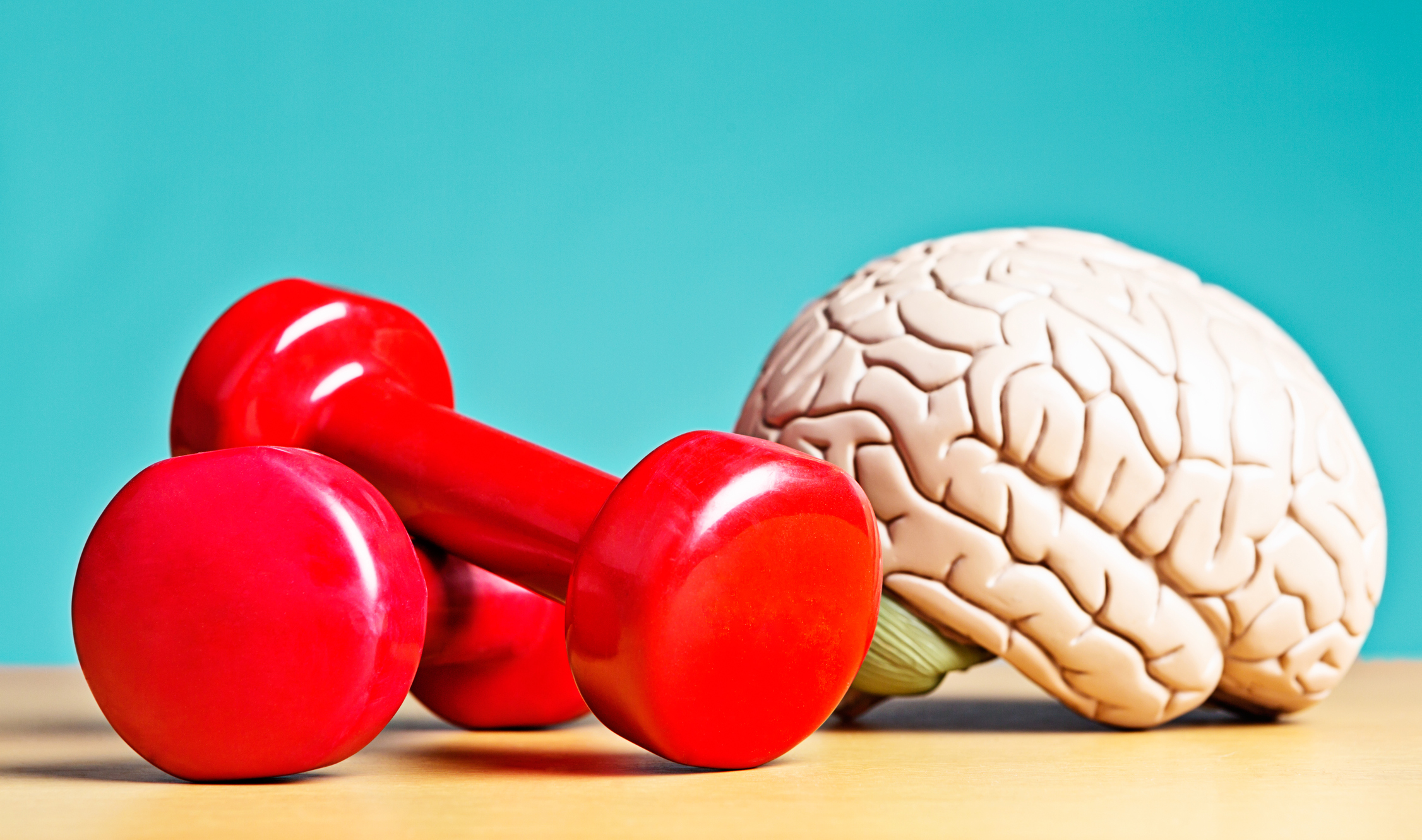
The results of a 10-year longitudinal study were recently published in The Lancet Healthy Longevity, detailing the associations between the cognitive trajectories of healthy adults and both sleep and physical activity. Nearly 9,000 participants between the ages of 50-95, part of the English Longitudinal Study of Ageing (ELSA), were followed every 2 years and self-reported…
-
HRT & Cognitive Health

Recent research suggests that hormone replacement therapy (HRT) may have a positive impact on brain volume and reduce the rate of cognitive decline in women carrying the APOE4 genotype, the most common genetic determinant of the risk of cognitive decline.
-
Flavonols & Cognitive Health

Results from a prospective cohort study based in Chicago were recently published in Neurology, describing the associations between dietary flavonol intake and cognitive decline. Nearly 1,000 older adults (average age 81) without dementia were followed for approximately 7 years, as part of the Rush Memory and Aging Project. Using annual validated food frequency questionnaires (self-reported)…
-
Social Connections & Cognitive Function

As we sit down with family and friends to celebrate Thanksgiving today, it is important to reflect on how central these relationships are to our well-being, with gratitude for the meaning and quality they add to our lives. A recent meta-analysis in The Lancet, Healthy Longevity also suggests that one of the benefits of these…
-
Multivitamins & Cognitive Function

Results of one of the few existing long-term randomized trials evaluating the use of multivitamins on cognitive function in older adults were recently published in the journal Alzheimer’s & Dementia: the Journal of the Alzheimer’s Association. This study was part of the COSMOS-Mind (COcoa Supplement and Multivitamin Outcomes Study of the Mind) 2×2 factorial trial,…
-
Insights into NAFLD & Cognitive Function
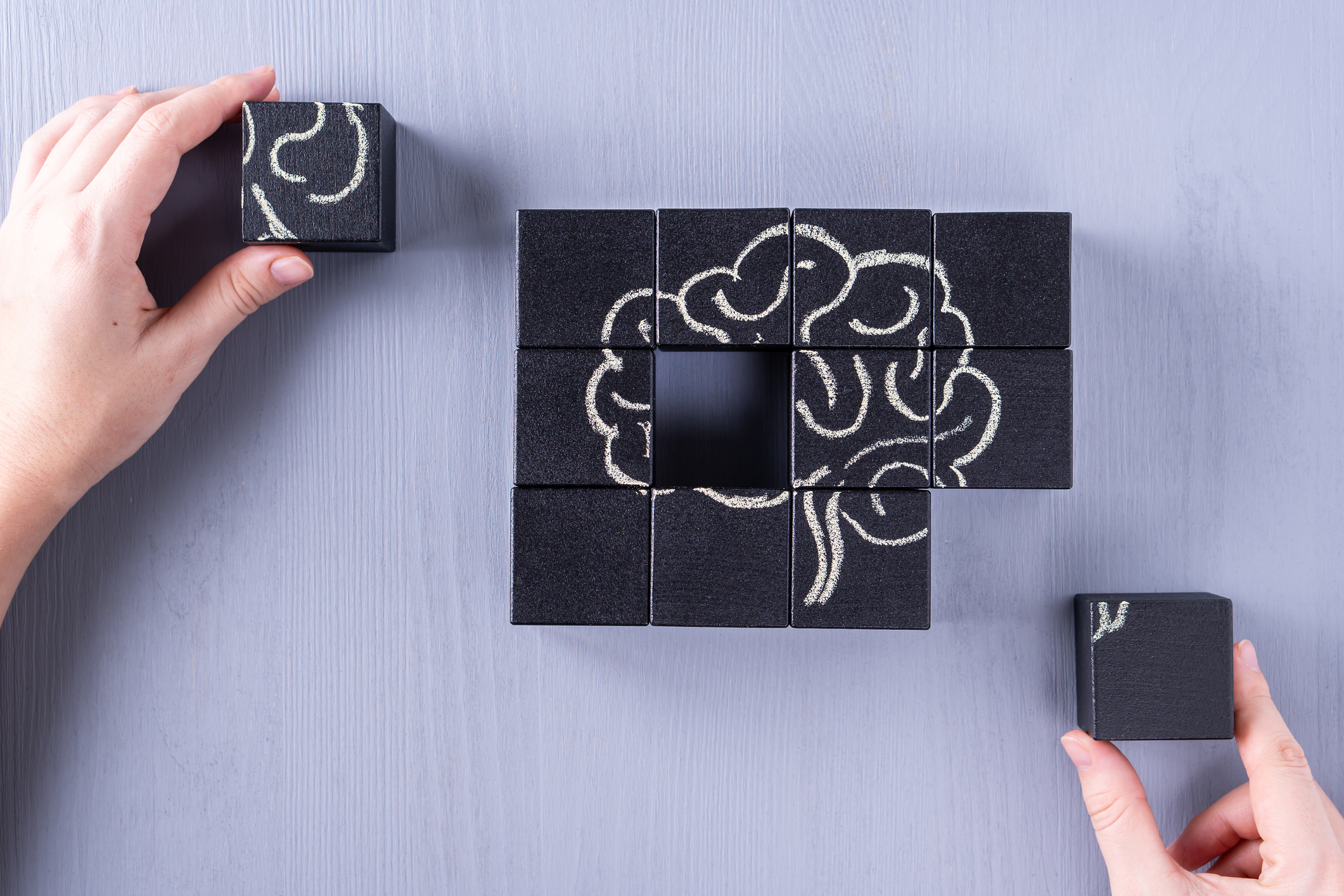
In a recent review published in Cell & Bioscience, many of the common pathologies characteristic of non-alcoholic fatty liver disease (NAFLD) are discussed, as well as how they overlap and contribute to the onset and progression of dementia. To help understand the scope of this problem, it’s worth noting that although the precise prevalence of…
-
Metabolomics & Cognitive Function

Results from a 12-year nested prospective case-control study were recently published, detailing the relationship between cognitive decline and a metabolomic analysis of serum metabolites, including compounds of both dietary and endogenous origin. Over 800 participants over 65 years old without dementia were recruited from the Three-City Cohort in France (418 from Bordeaux and 424 from…
Shop Our Brands: