-
Myo-Inositol, Obesity &PCOS
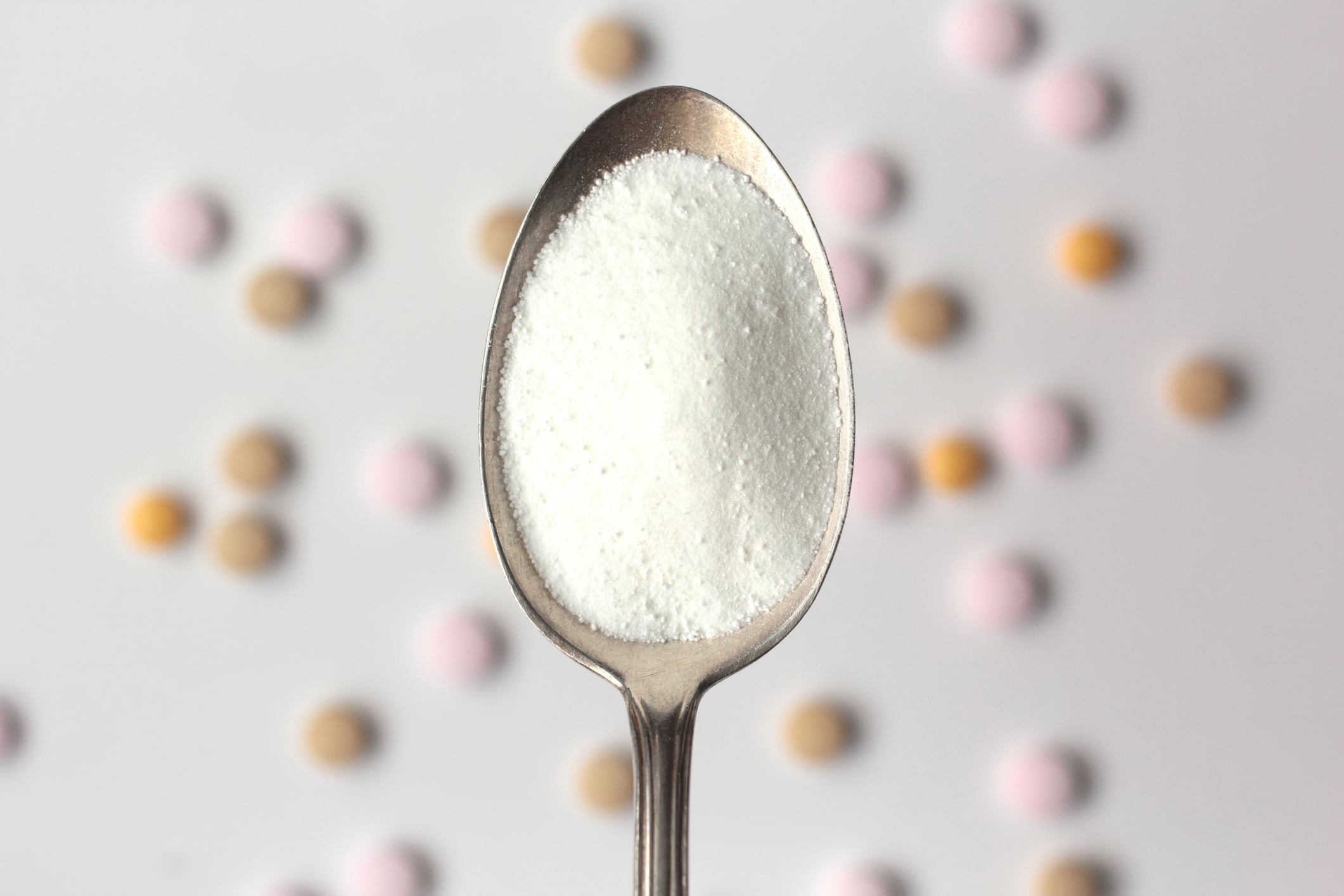
Two controlled trials evaluating supplemental myo-inositol have recently been published. The first, in the journal Diabetes, Obesity & Metabolism, was a randomized and placebo-controlled trial evaluating the effect of a combination of myo-inositol and zinc on insulin resistance (HOMA-IR) among children with obesity. Fifty children completed this three-month study, which took place in Italy. Participants…
-
Questioning LDL Targets
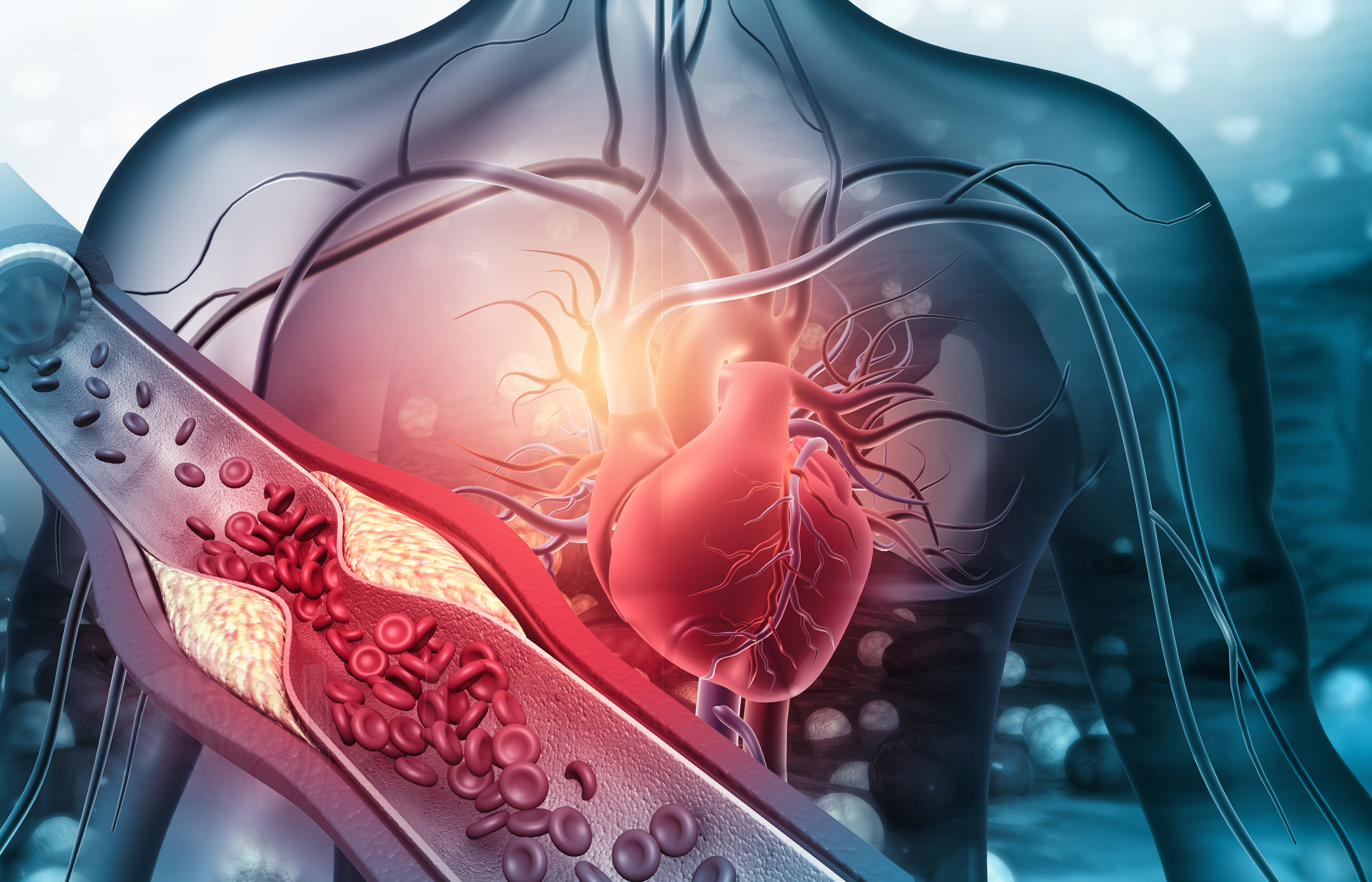
“Clinical guidelines have progressively lowered the recommended LDL-C target for high-risk CVD patients to below 70 mg/dL, but scientific support for this target is arguably questionable.” A review published recently in the Journal of Clinical Medicine adds to research questioning the relationship between LDL-cholesterol (LDL-C) and cardiovascular disease (CVD). Previous blogs and Research Forums have…
-
LDL-C/ApoB and Plaque
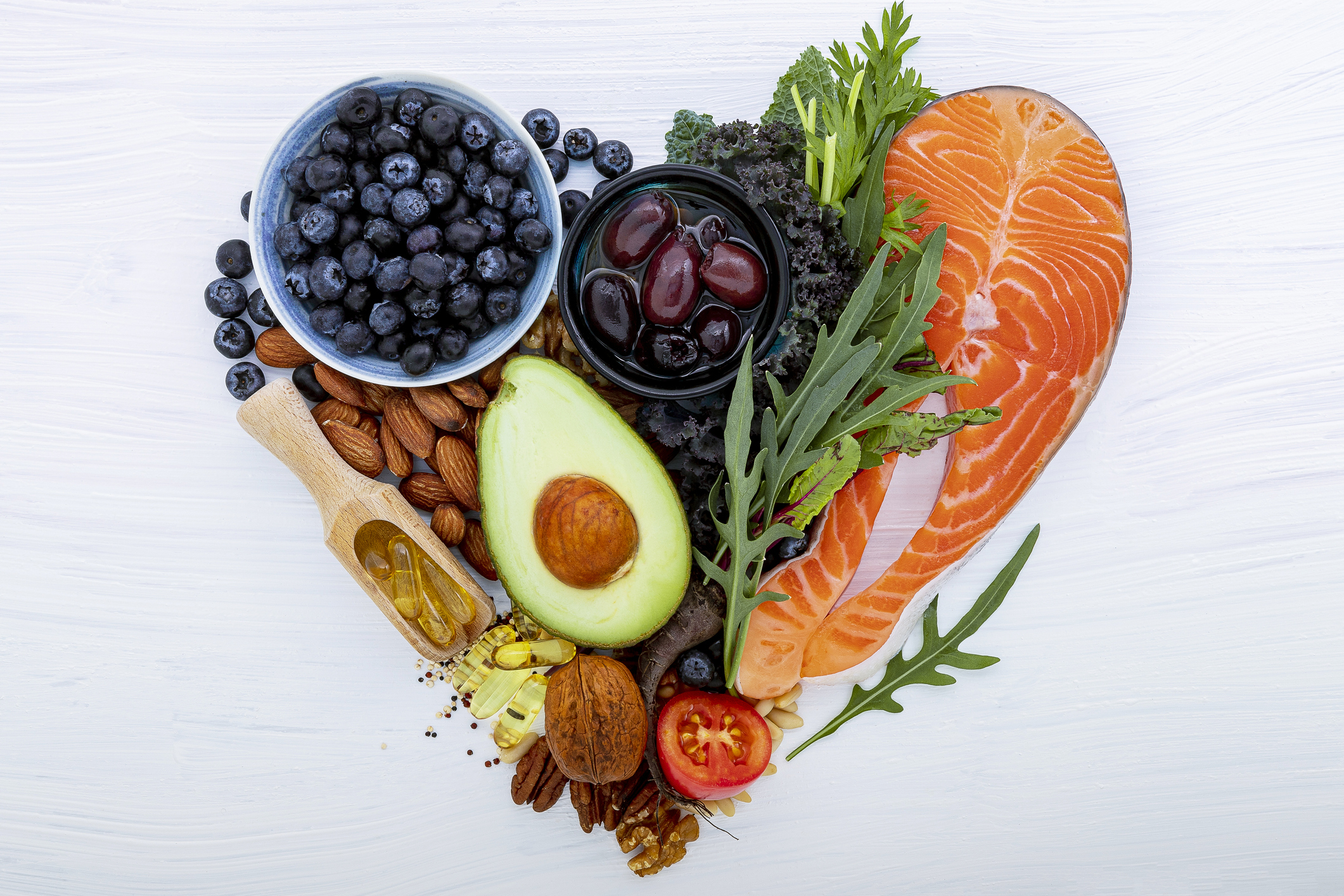
Ketogenic diets (KDs) are increasingly used for purposes far beyond weight loss. Therapeutic carbohydrate restriction is now being employed for mental health purposes, chronic kidney disease, inflammatory bowel disease, and more. Despite the obvious benefits of carbohydrate restriction—such as weight loss, improved glycemic control, and reversal of metabolic syndrome—concerns remain regarding the potential for elevated…
-
Higher LDLs with Low Carbs?
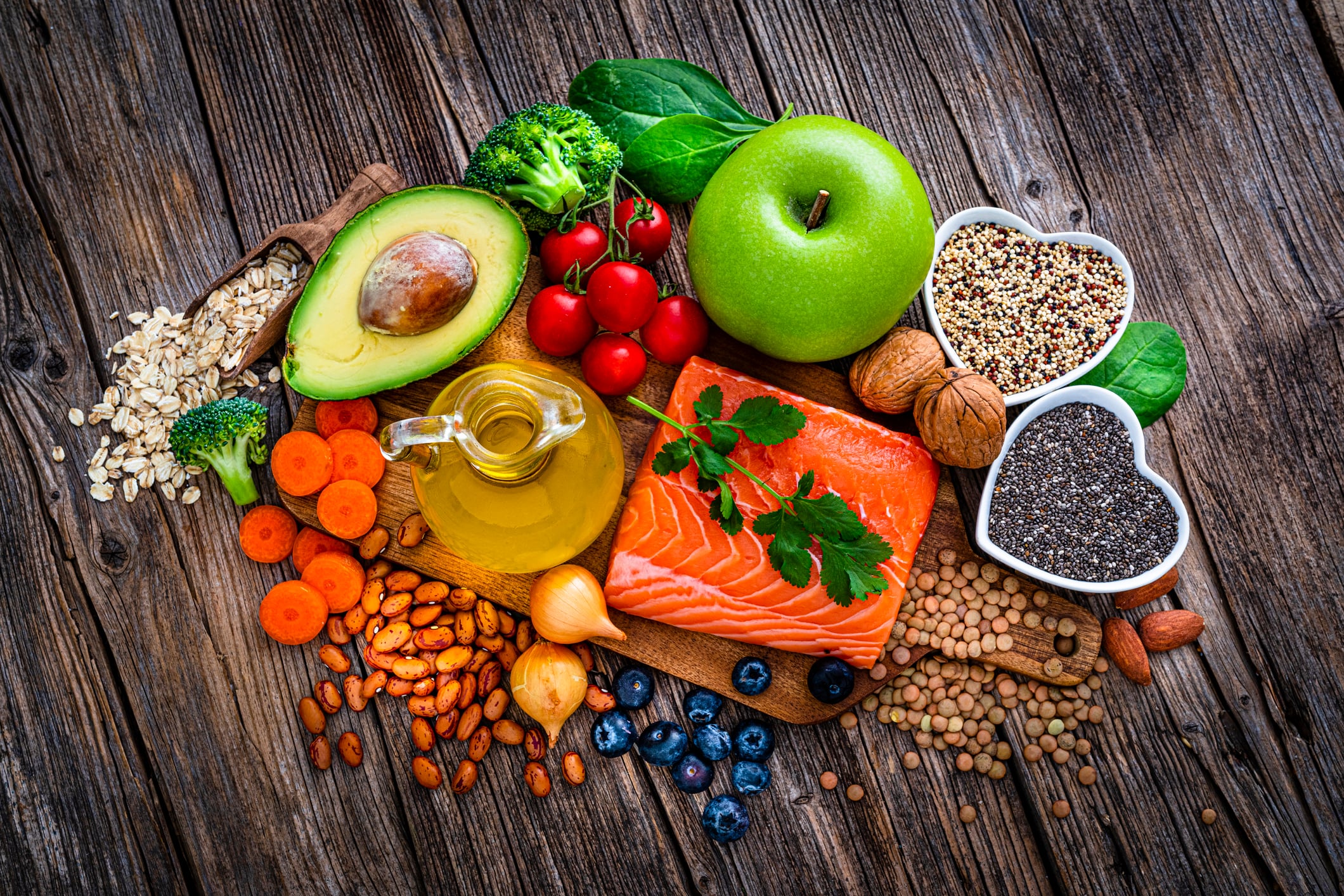
As increasing numbers of people adopt low-carb and ketogenic diets, new data are emerging that raise intriguing questions about the effects of these ways of eating on long-term cardiometabolic health. A paper published recently in The American Journal of Clinical Nutrition sheds new light on the phenomenon of increased LDL-cholesterol among a subset of people…
-
Potentially New LDL Phenotype
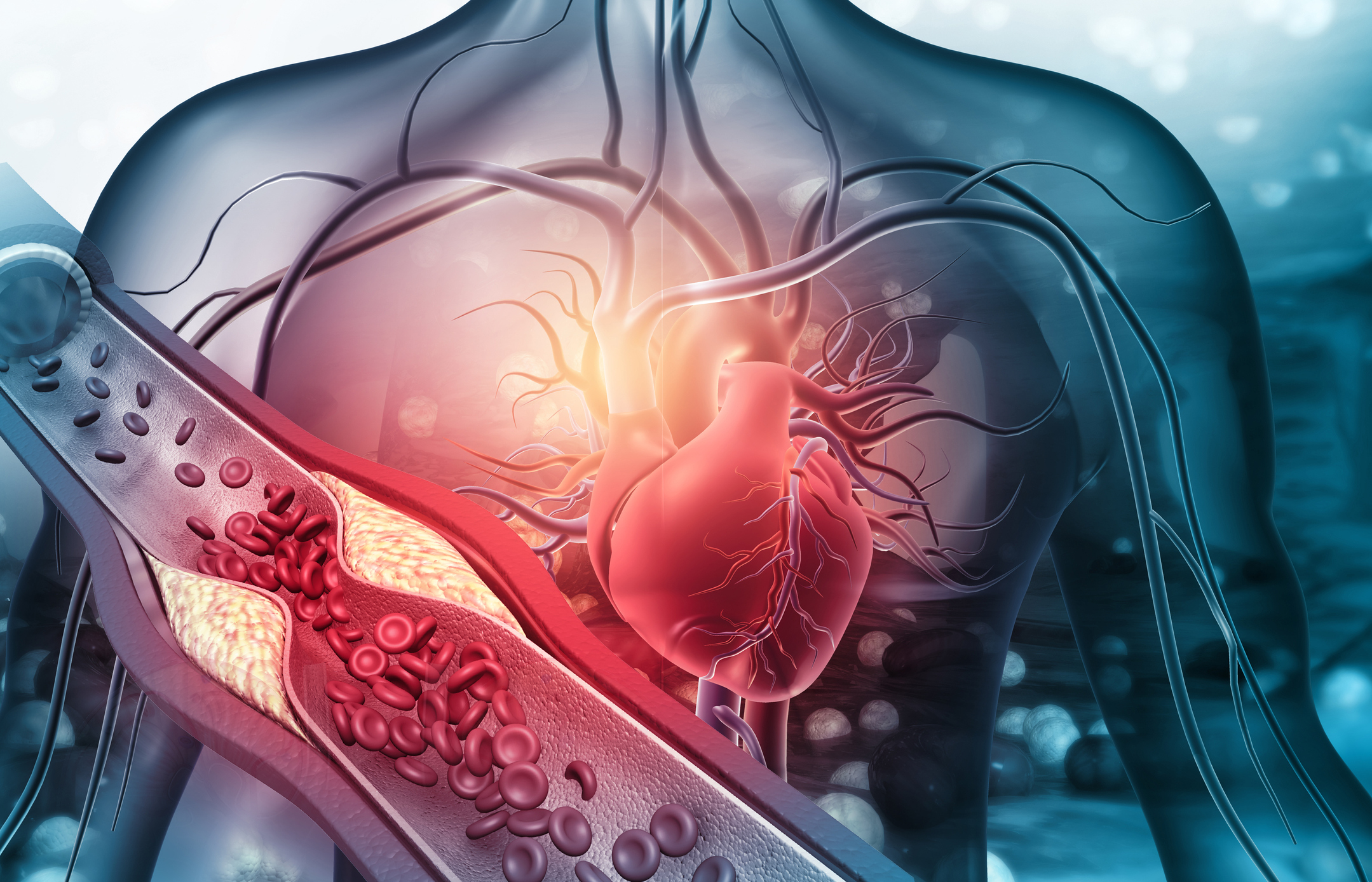
A recent study has concluded that the LDL cholesterol of a specific group of people given a carbohydrate-restricted diet (CRD) decreases when a moderate amount of carbohydrate is reintroduced into their diets.
Shop Our Brands: