-
Abbreviated Topography of Major Landmarks in Our Knowledge of Vitamin D3, Cholecalciferol
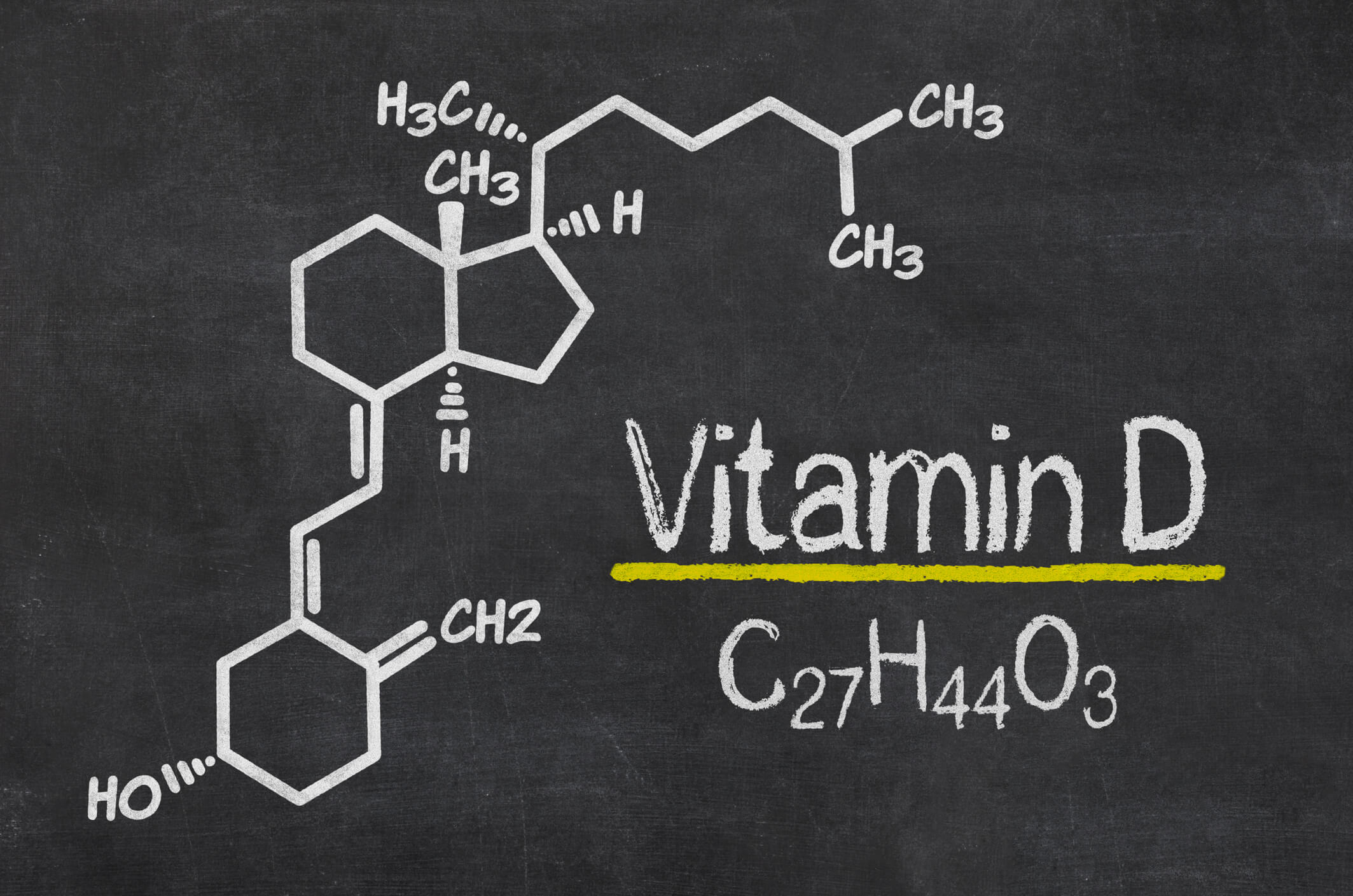
The human nutrient vitamin D3 (cholecalciferol) is essential for life and—as is common with nutrients—plays important roles in many aspects of physiology, including the functioning of numerous cells and tissues in various organs and systems, including the immune system, nervous system, cardiovascular system, gastrointestinal system including the gut microbiome, the latter of which can be…
-
Vitamin D and the Brain

We have long known the connection between vitamin D and mental health, however, new research may have found that the reason vitamin D deficiency has an effect on learning and memory may be due to its effect on PNNs. Perineuronal nets (PNNs), specialized extracellular matrix structures in the brain, act like a scaffolding that wraps…
-
Genetic Variation to Vitamin D Levels Links to Non-Bone-Related Health Outcomes

Differences in the genes involved in how we metabolize and transport vitamin D in our bodies may determine the amount of vitamin D that circulates in our blood. Until recently, there was little evidence of the connection between a specific type of genetic variation called single nucleotide polymorphisms (SNPs, or “snips”), vitamin D levels, and…
-
The Impact and Benefits of Vitamin D

Vitamin D is regarded as one of the most important nutrients for our health. It regulates more than 2,000 of the 30,000 human genes and plays a significant role in immune function and physical performance. Vitamin D also helps the body absorb calcium, subsequently helping build bones and keep them strong and healthy. Many people…
-
A Sunny Workout is Best for Your Heart

Want to get fit? Check your vitamin D levels. Cardiorespiratory fitness (CRF) may well be linked to serum vitamin D levels. A study, published in the European Journal of Preventive Cardiology (October 30, 2018), looked at data from nearly 2,000 participants in the National Health and Nutrition Survey. Subjects were between the ages of 20…
-
5 Lesser-Known Benefits of Vitamin D
Vitamin D, commonly dubbed the “sunshine vitamin,” is an essential micronutrient produced by the body when exposed to sunlight. Generally speaking, most people require 10-30 minutes of decent exposure to sunlight, 3-4 times a week in order to naturally synthesize enough vitamin D. However, factors such as genetics and where we live also play a…
-
Vitamin D Toxicity

Everywhere we turn, we hear about the merits of supplementing with vitamin D, particularly when the sun disappears during long winter months. Vitamin D supplementation has been positively correlated with the support of the immune system, and cardiovascular and bone health. However, oftentimes vitamin D supplementation is patient driven, and not directly prescribed and monitored…
-
Vitamin D and Greater Colon Protection

Vitamin D is probably most known for its association with bone health, but a recent study suggests higher levels of vitamin D in the bloodstream may have a protective role against colorectal malignancy. In this study, the people who had lower levels of vitamin D had a 31 percent higher risk of colorectal malignancy, and…
-
Magnesium and Vitamin D, Better Together

Oftentimes, we focus on a single nutrient and how it impacts our physiology. However, one study recently highlighted the importance of remembering the synergy between nutrients. Magnesium and vitamin D, for example, are two such nutrients who prove to be better off together than alone. In a recent review published in the Journal of the…
-
The Fat-Soluble Philharmonic

Depending on where we live and what season it is, many of us lose access to the “sunshine vitamin”, vitamin D. Most doctors today recognize the importance of vitamin D, as it has taken center stage in health issues, and will recommend supplementation to replenish our stores. Deficiencies of vitamin D have been linked to…
Shop Our Brands: