
-
Magnesium, Homocysteine & DNA

Results of a study recently published in the European Journal of Nutrition suggest that low levels of magnesium may increase the susceptibility of DNA to damage, and that elevated homocysteine levels specifically may cause more DNA damage among people with low levels. One hundred seventy-two healthy volunteers (aged 35-65) living in Australia had plasma levels…
-
Calcium & Magnesium in Heart Health

Calcium and magnesium are essential macrominerals, also referred to as electrolytes. Calcium is the most abundant mineral found in the body, with around 99 percent concentrated in the bones and teeth. The other one percent (typically around 10 milligrams/deciliter) is found in the blood. Calcium specifically regulates the body’s acid-alkaline balance, heartbeat, nerve transmission, muscle…
-
Magnesium & Brain Volume
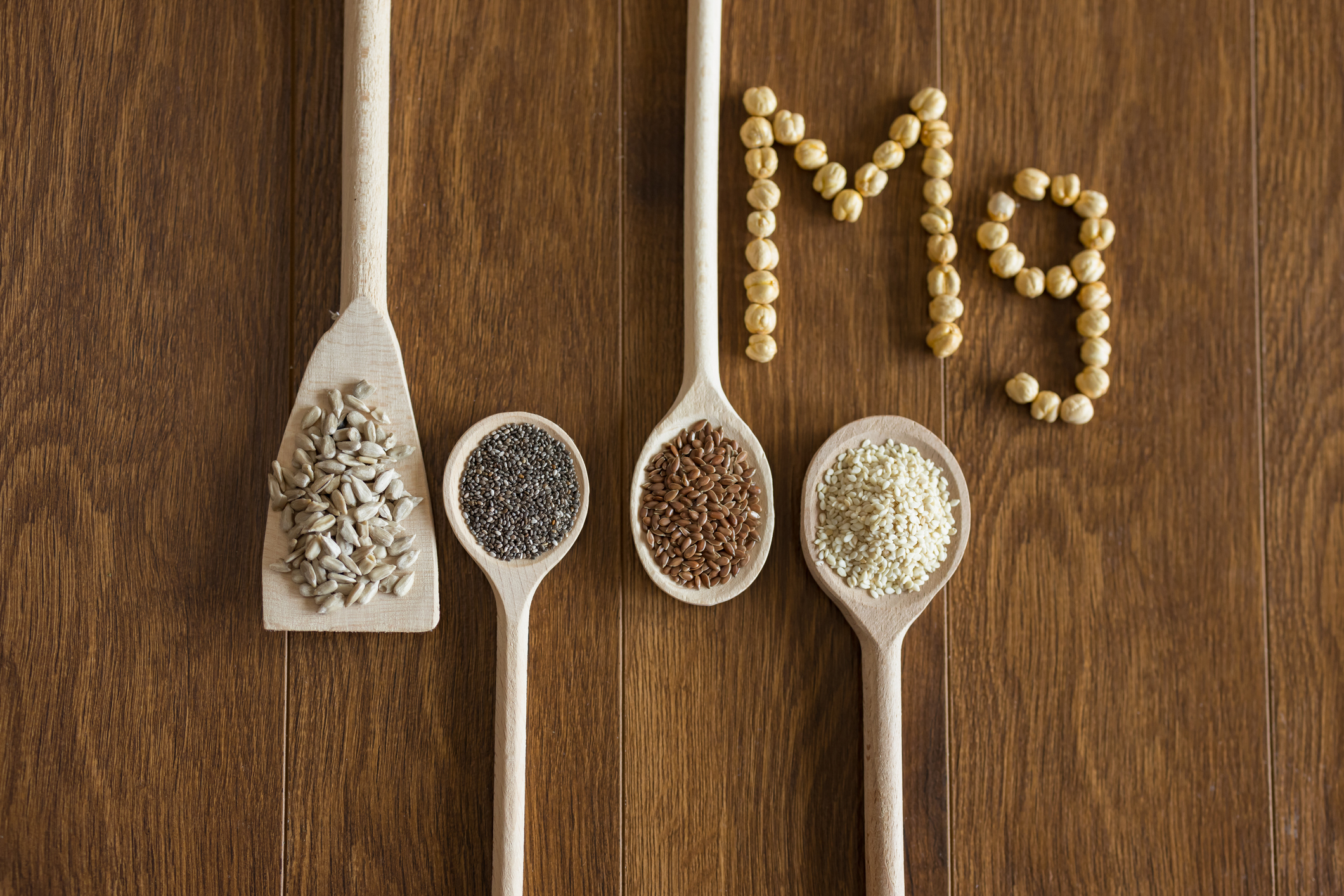
More evidence of the likely neuroprotective effect of magnesium was recently published in the European Journal of Nutrition. This study comes on the heels of an analysis of NHANES data published last year in Alzheimer’s & Dementia which found that a higher total intake (diet and supplemental) of magnesium was associated with better cognitive function…
-
Magnesium & Vitamin D Activation

A compelling article in The Journal of the American Osteopathic Association highlighted the important role of magnesium in vitamin D activation and function.
-
Magnesium & Mental Health

According to the Journal of the American Medical Association, depression afflicts over 322 million people worldwide and is a leading cause of disability and reduced quality of life. The underlying causes are numerous and wide-ranging, but what if, in at least come cases, something as simple as magnesium supplementation could make a dent in this…
-
Best Forms of Magnesium for Sleep

The magnitude of magnesium’s importance in the human body cannot be understated. This master mineral is the fourth most abundant element in the human body and is responsible for over 300 biochemical reactions in the body. Magnesium gets depleted when exercising, under stress, or during illness. Excessive alcohol consumption can also lead to inadequate magnesium…
-
Study Shows Vitamin D Absorption is Optimized with Magnesium

In a study published in The American Journal of Clinical Nutrition, lead author Qi Dai, MD, PhD, Ingram, Professor of Cancer Research, analyzes the relationship between vitamin D and magnesium levels. While previous studies have linked low magnesium with low vitamin D levels, the aim of this study was to test the hypothesis that magnesium…
-
Magnesium for Brain Health
The brain’s metabolism never stops. Even during a coma, the metabolism inside the brain only slows down by 50%. As such, the brain is a very resource-hungry organism that requires a great deal of nutrition and, in turn, creates a lot of metabolic waste.
-
Not All Supplements are Created Equally

Dietary supplementation is now commonplace in the American diet with many people concerned food alone cannot meet nutritional requirements. However, not all supplements are created equally. In order to ensure that an individual can successfully navigate the endless choices of supplements, it’s important to know some do’s and don’ts of proper dietary supplementation.
-
Study Suggests Stress in the Evening is No Good

A research study conducted at Japan’s Hokkaido University and published in the journal Neuropsychopharmacology Reports explored how the hypothalamic-pituitary-adrenal (HPA) axis responds to acute psychological at different times of the day. Lead researcher Yujiro Yamanaka, and his team studied 27 healthy young volunteers. Yamanaka first measured the participant’s diurnal rhythm of salivary cortisol levels as…
Shop Our Brands: