-
Astragalus: The King of Herbs
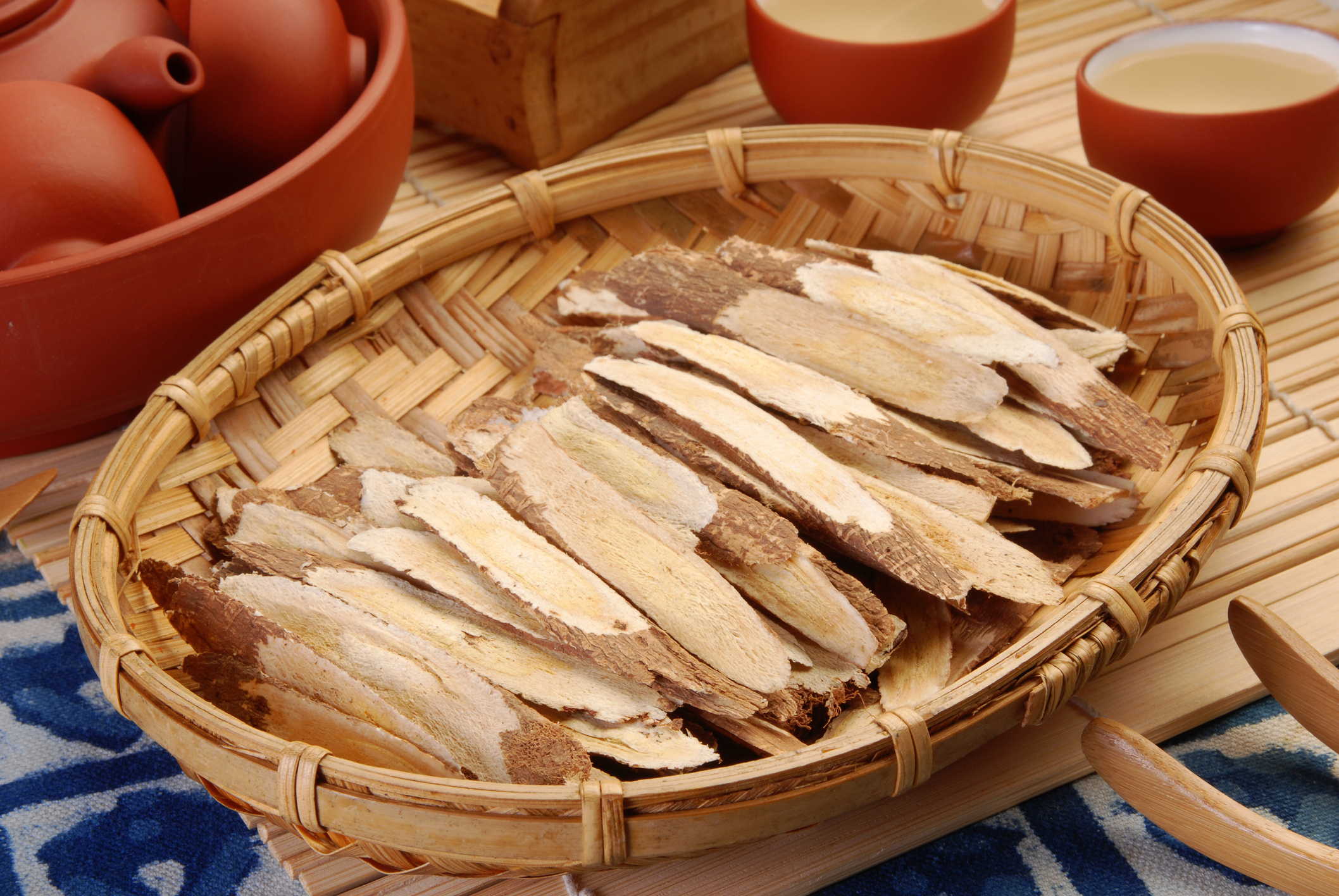
Astragalus, also known as Milkvetch or huáng qí in Chinese, is an herb that has been used for hundreds of years, with its roots in traditional Chinese medicine. One of the few all-purpose herbs used, it is believed to support a wide array of biological functions.
-
Acid Suppression & Dementia

Recently published in Neurology is an analysis of the relationship between incident dementia and proton pump inhibitor (PPI) use among participants in the Atherosclerosis Risk in Communities (ARIC) Study, a community-based cohort. The possible association between PPI use and dementia has been examined in a number of case-control and cohort studies, with mixed findings. For…
-
SIBO & NAFLD – Cause, Effect or Bystander?

A recent review published in Nutrients examines the relationship between small intestinal bacterial overgrowth (SIBO) and non-alcoholic fatty liver disease (NAFLD). This relationship has gained research attention, as a growing body of evidence points to gut microbiota as playing a potentially causal role in NAFLD development and progression, including the promotion of the inflammatory response,…
-
Nutrients for Thyroid Health

In the U.S., rates of hypothyroidism are on the rise. It is estimated that every 5 out of 100 Americans experience low thyroid function, and women are 5-8 times more likely to develop hypothyroidism compared to men. The condition is characterized by decreased output of thyroid hormones, specifically T4 and T3, which regulate the body’s…
-
Psyllium & Pediatric IBS

Results of a double-blind randomized controlled trial were recently published in the Journal of Pediatric Gastroenterology and Nutrition, describing the effects of psyllium husk supplementation on the symptoms of irritable bowel syndrome (IBS) in children. Psyllium has been recommended for adults as part of the initial treatment of IBS, but fewer trials exist for its…
-
Cadmium & Women’s Health
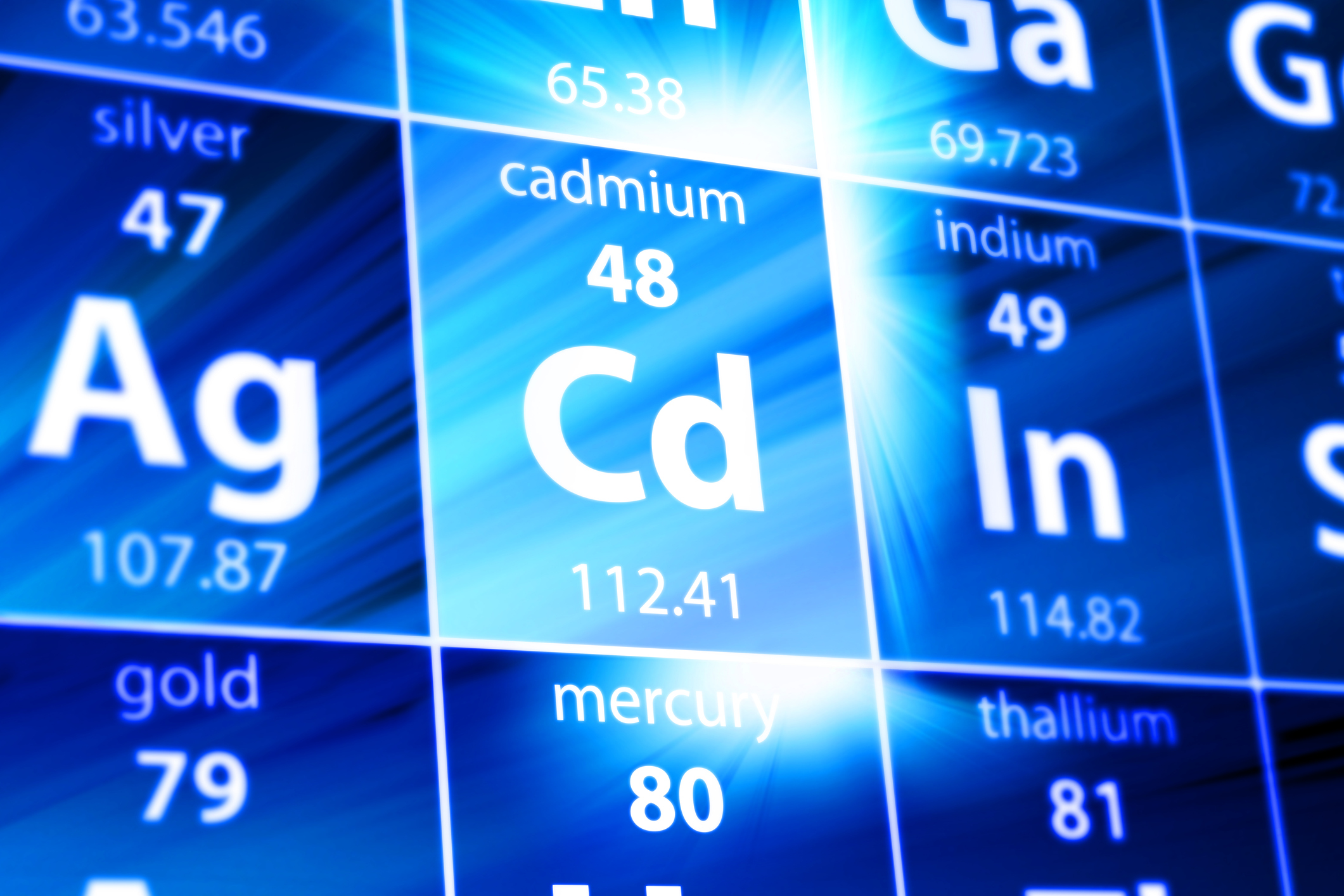
Evidence for an additional disease burden associated with the toxic metal cadmium was recently published in the journal Human Reproduction. This study used cross-sectional data from a nationally representative sample, 4 cycles from the National Health and Nutrition Examination Survey (NHANES) 1999–2006, and included 1,647 women aged 20-54. Endometriosis is thought to affect approximately 10%…
-
Taking a Look at Huntington’s Disease

Results of a recent study published in Nature Communications provide encouraging results in the study of Huntington’s disease, suggesting a new physiological target in this progressive and currently incurable neurodegenerative disease. Using single-nucleus RNA sequencing (snRNAseq), a method of studying the transcriptome (gene expression) in the nucleus only (versus the entire cell), researchers attempted to…
-
Timing of Gluten Introduction & Celiac Disease

A review recently published in Frontiers in Immunology describes what is known about the development of celiac disease, and possible dietary strategies to prevent it. Observational studies have suggested that the incidence of celiac may depend on multiple factors, including genetic predisposition, season of birth, viral infections, etc., but the dose and/or timing of gluten…
-
Calcium & Magnesium in Heart Health

Calcium and magnesium are essential macrominerals, also referred to as electrolytes. Calcium is the most abundant mineral found in the body, with around 99 percent concentrated in the bones and teeth. The other one percent (typically around 10 milligrams/deciliter) is found in the blood. Calcium specifically regulates the body’s acid-alkaline balance, heartbeat, nerve transmission, muscle…
-
Rhodiola Update

Rhodiola rosea (also known as rosenroot, golden root, rose root, and arctic root) has a long history of use throughout Asia and Europe, primarily as an “adaptogen,” a botanical thought to have broad applicability for improving fatigue, physical endurance, host defenses, and resistance to the effects of stress, typically with polyvalent mechanisms of action. Several…
Shop Our Brands: