-
How Relationships Impact Heart Health

As we celebrate Valentine’s Day, it’s an important reminder to think about the influence that relationships and social connections have on the health of the heart. Especially, the important role that the quality of our relationships has on overall well-being, particularly on cardiovascular health. The last couple of decades of research has provided a strong…
-
Keto & Heart Health
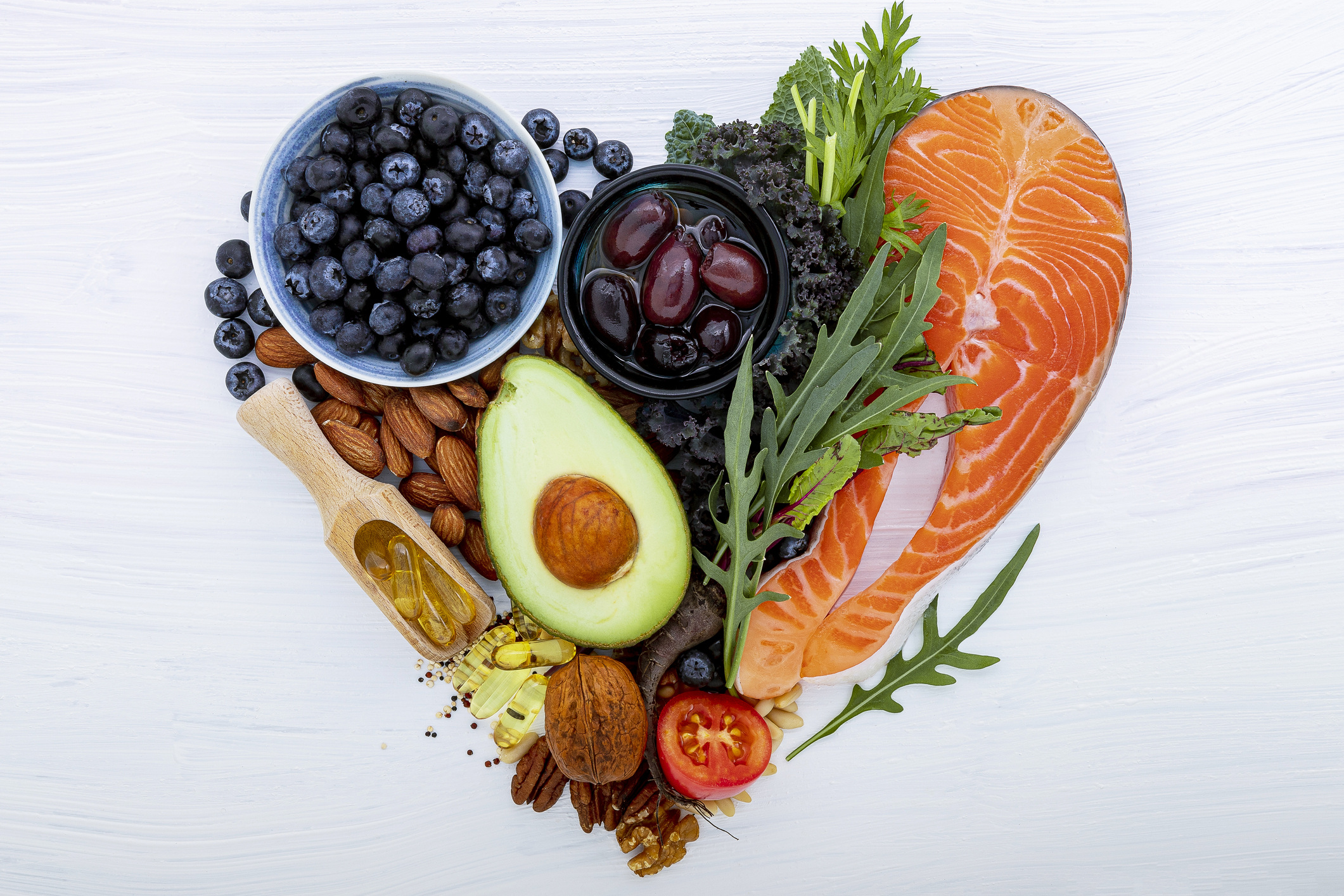
“The pharmacological targeting of ketone body metabolism has emerged as a novel therapeutic approach to improve cardiac efficiency, reduce energy deficiency, and enhance cardiac function in failing hearts.” So states a paper published recently in Frontiers in Pharmacology, which presented the evidence for ketotherapy as a treatment for heart failure. The review covered the ketogenic…
-
Calcium & Magnesium in Heart Health

Calcium and magnesium are essential macrominerals, also referred to as electrolytes. Calcium is the most abundant mineral found in the body, with around 99 percent concentrated in the bones and teeth. The other one percent (typically around 10 milligrams/deciliter) is found in the blood. Calcium specifically regulates the body’s acid-alkaline balance, heartbeat, nerve transmission, muscle…
-
Berberine: The Gut-Brain-Heart Connection

Most of us have heard about the gut-brain connection, how nearly 90% of the body’s serotonin is actually made in the digestive tract, and how the gut-brain axis is the missing link in depression. Gut health and the landscape of the gut microbiota influence many aspects of our health, so it is no surprise that…
-
How Relationships Impact Heart Health

As we celebrate Valentine’s Day, it’s an important reminder to think about the influence that relationships and social connections have on the health of the heart. Especially, the important role that the quality of our relationships has on overall well-being, particularly on cardiovascular health.
-
Mitochondrial Support & Heart Health
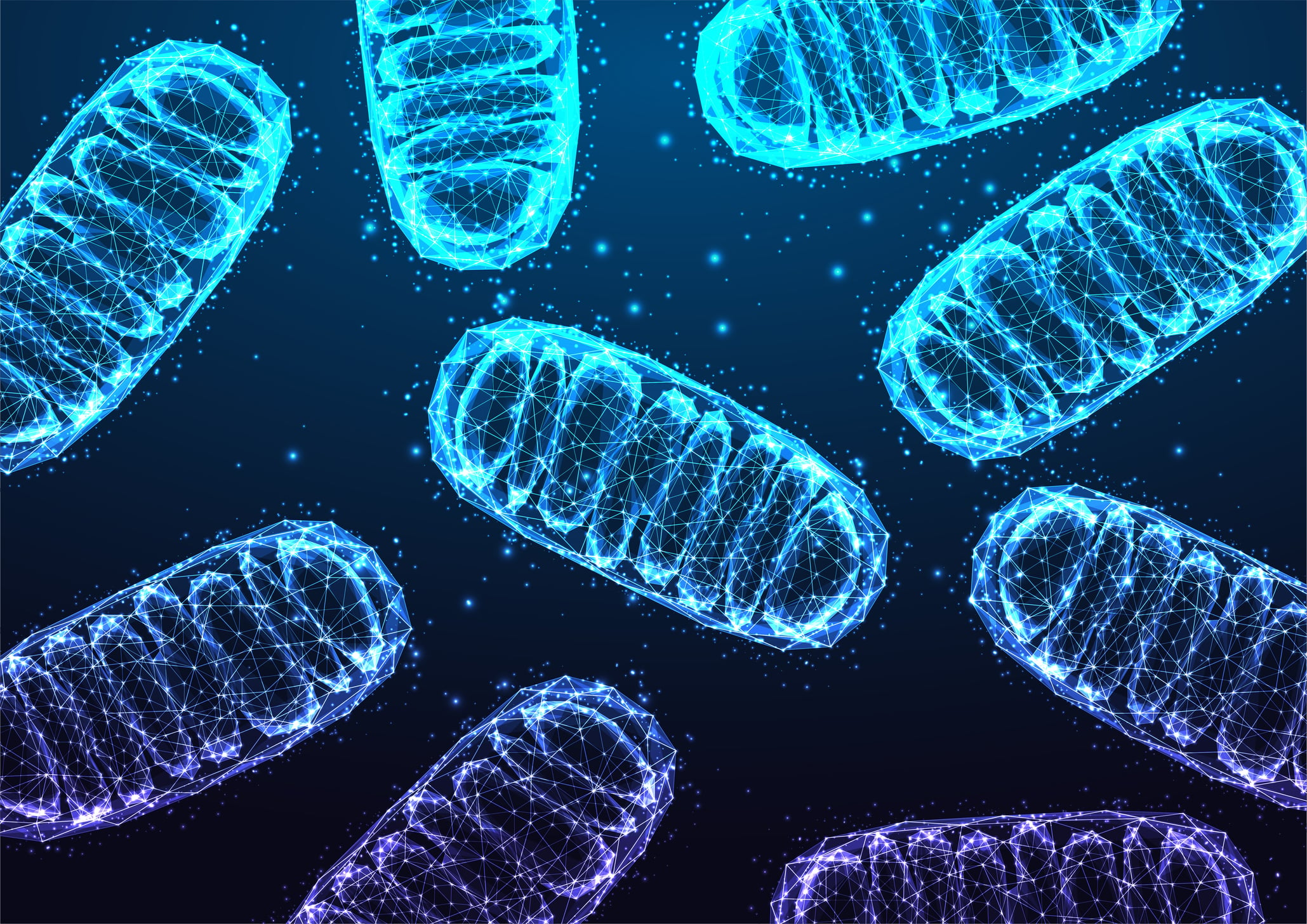
A study published in the American Journal of Cardiology examined the use of ubiquinol and/or D-ribose among participants with heart failure with preserved ejection fraction (HFpEF). Once referred to as diastolic heart failure, HFpEF represents at least half of all cases of heart failure (soon to be the predominant phenotype), with several well-established risk factors,…
-
Meal Timing & Cardiovascular Health

Adding to the body of knowledge regarding dietary patterns and cardiovascular disease (CVD), a cross-sectional study was recently published in the Journal of Clinical Endocrinology & Metabolism, revealing an association between the timing of specific foods and CVD risk. Nearly 28,000 adults in the U.S. National Health and Nutrition Examination Survey (NHANES 2003–2016, an ongoing…
-
Dietary Nitrate, the Oral Microbiome and Their Combined Impact on Cardiovascular Health

In 2018 a systematic review and meta-analysis of 23 eligible studies was published, examining the relationship between dietary inorganic nitrates and cardiovascular function, which reviewed studies whose primary outcome was blood pressure, along with secondary outcomes including endothelial function, arterial stiffness, platelet aggregation, and/or blood lipids. Nineteen of these studies used beetroot juice as the…
-
Lycopene for Men’s Health

Lycopene is a carotenoid compound that contributes to the red and pink pigments in tomatoes, watermelon, guava, pink grapefruit, papaya, and other plant foods. Unlike beta-carotene, lycopene has no pro-vitamin A activity, but that doesn’t mean it provides nothing beyond a feast for the eyes. This phytonutrient has some impressive benefits with regard to men’s…
-
Green Tea Benefits for the Heart

Recent research has discovered that drinking green tea can benefit the cardiovascular system and promote longevity in people who have had heart problems as well as those who have not. Previous research has looked at the benefits of green tea on heart health in people with no history of cardiovascular issues, as well as its…
Shop Our Brands: