
-
Stress Eating Stresses Our Insulin Response

A recent study published in Cell Metabolism in April 2019 revealed that during times of stress, it may be more important than ever to watch what you eat. The researchers discovered a key pathway in the brain that stimulates increased caloric intake and energy storage during stressful times.
-
AMPK and Metabolic Health

An apple a day keeps the doctor away, at least according to a new study that shows apple polyphenols increase the activity of 5’ adenosine monophosphate-activated protein kinase (AMPK). Activation of AMPK may be a good way to lose weight, balance lipoproteins, and support healthy blood sugar.
-
NEW APPROACH SHOWS THE BENEFITS OF REPLACING RED AND PROCESSED MEAT WITH FISH
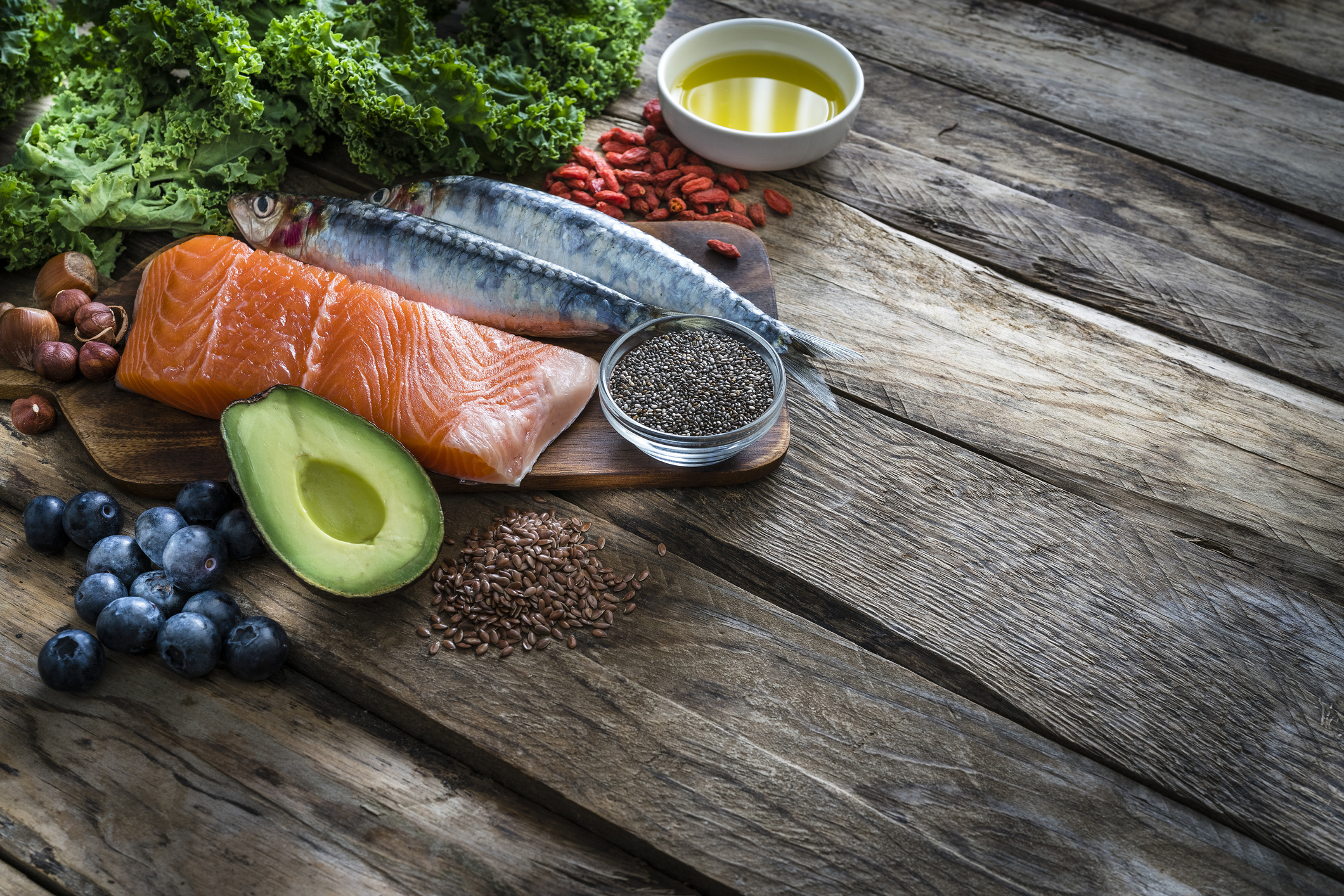
A suboptimal diet has been ranked as the leading risk factor for total global deaths and the second-leading risk factor for global disease burden, but it was only now that scientists could accurately calculate the total health impact of replacing one food with another in the diet.
-
Researchers Pinpoint 6 Genes Linked to Mental Health
A new report that studied genetic variants linked to mental health was published in the American Journal of Psychiatry on January 7, 2020, documenting the results of a large genome-wide analysis of 200,000 military veterans. The study led by Joel Gelernter, the Foundations Fund Professor of Psychiatry, professor of genetics and of neuroscience at Yale…
-
Study Links Lack of Motivation to Inflammation

A new study published in the journal Trends in Cognitive Sciences has established a link between our dopaminergic drive (the motivation to do things) and chronic low-grade inflammation. The hypothesis presented by the researchers from Emory University is that “inflammatory cytokines signal immunometabolic shifts,” which directly impact mesolimbic dopamine (DA). The mesolimbic pathway, also referred…
-
FUNCTIONAL MEDICINE MODEL ASSOCIATED WITH QUALITY OF LIFE IMPROVEMENTS

The functional medicine model of health care focuses on the dynamic processes that result in chronic disease. It relies on the analysis of function at the organ system, organ, tissue, cellular and subcellular levels, and is referred to as a systems-biology-based model that addresses the underlying cause of disease using personalized therapeutic interventions to support…
-
Could Running Be Associated with a Lower Risk of Mortality?

A study has uncovered that running or jogging, regardless of the amount above one session per week, could be associated with lower rates of mortality. A 2017 study established that physical exercise has the ability to reduce cellular aging by nine years. This was proven by measuring the length of white blood cell telomeres, the…
-
New Paper Exposes Science Behind Intermittent Fasting

With the new year come new resolutions that oftentimes involve losing weight. Perhaps intermittent fasting is on the 2020 agenda.
-
Could Psychosocial Stress Be a Root Cause of Obesity?

A 2019 study has unveiled an interesting connection between cumulative exposure to a wide range of psychosocial stressors and the risk of obesity.
-
Stress Affects People Differently

A new research paper published in the journal JNeurosci studied how chronic stress affects brains differently. In studying the stress and reward centers of the brain, researchers identified their impact on mood. Prakash et al. found that the number of serotonin neurons in the area of the brain responsible for regulating stress and reward –…
Shop Our Brands: