-
Xylitol & Cardiovascular Risk
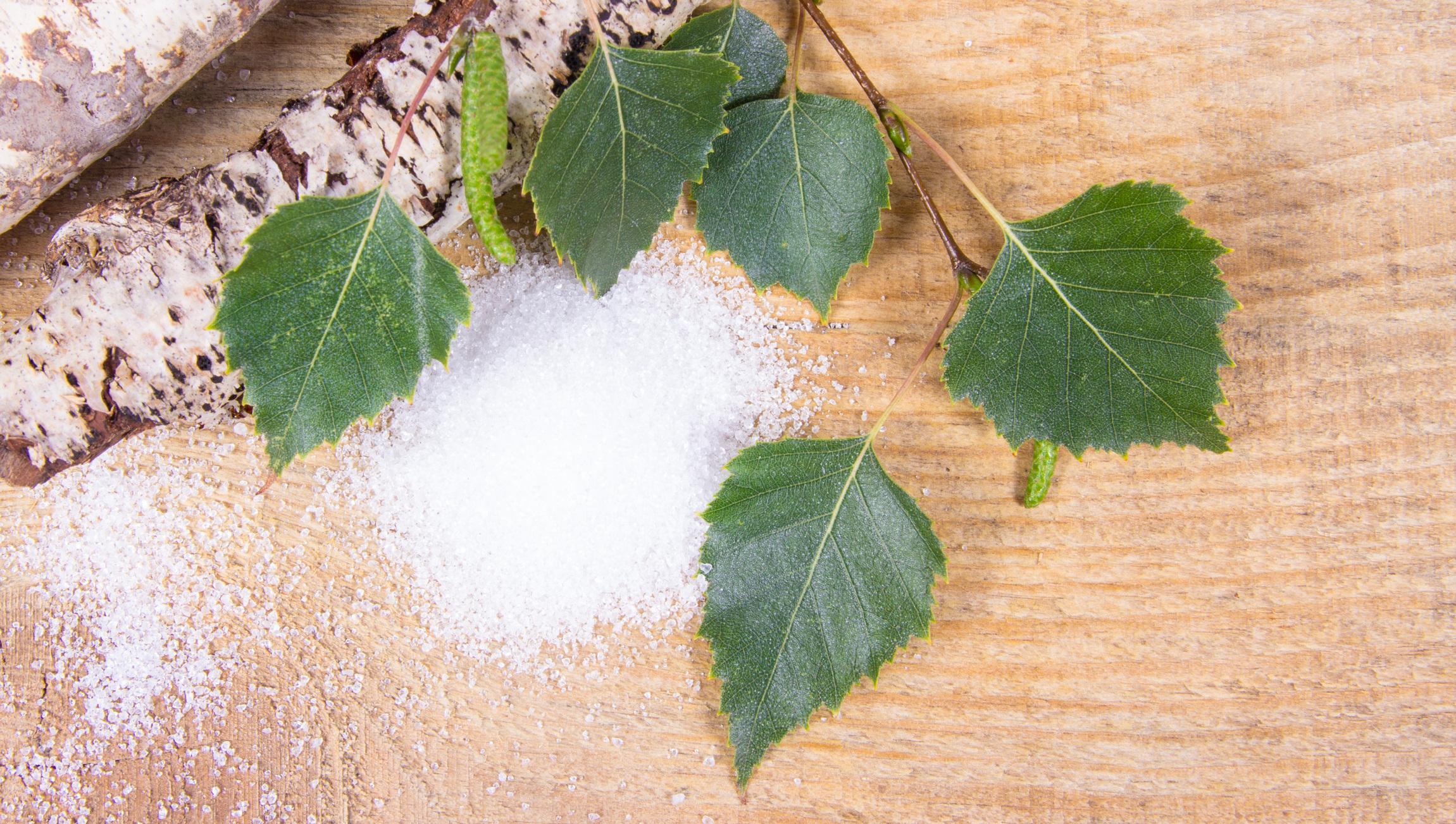
Concerning findings about the sugar alcohol xylitol were recently published in the European Heart Journal. There were several components in this publication; an untargeted metabolomic study was conducted initially in a cohort of nearly 1,200 stable participants (the discovery cohort) undergoing elective diagnostic cardiac evaluations, and then in a validation cohort of over 2,000 participants.…
-
High Dietary Fiber Intake Improves Overall Health

A review of studies and trials conducted over the last 40 years has shown that there is a link between eating more dietary fiber and whole grains and a lower risk of non-communicable diseases such as coronary heart disease, type 2 diabetes, and colorectal cancer.
-
High Dietary Fiber Intake Improves Overall Health
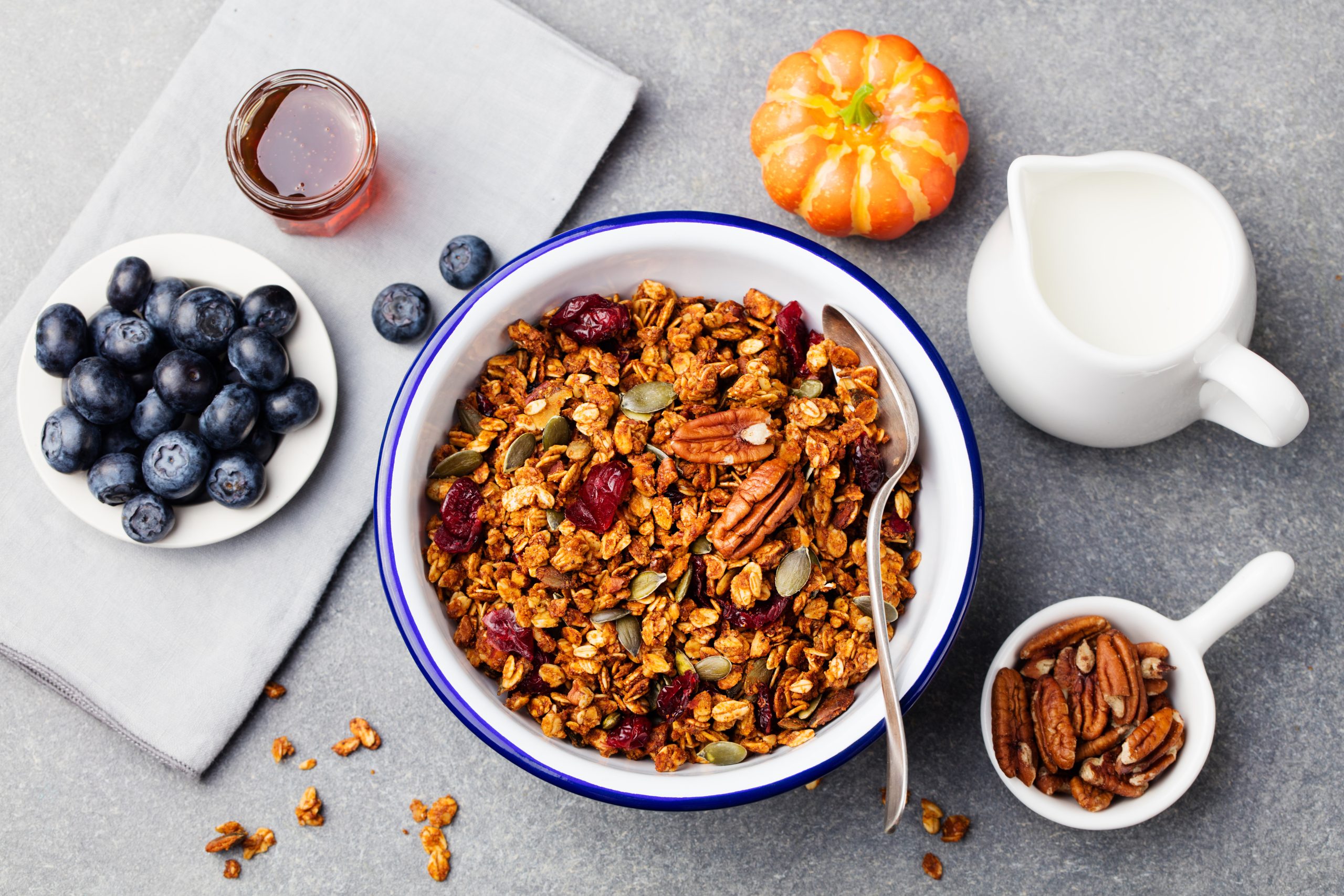
A review of studies and trials conducted over the last 40 years has shown that there is a link between eating more dietary fiber and whole grains and a lower risk of non-communicable diseases such as coronary heart disease, type 2 diabetes, and colorectal cancer.
-
10 Dietary Fiber Sources to Upregulate Microbiome Health
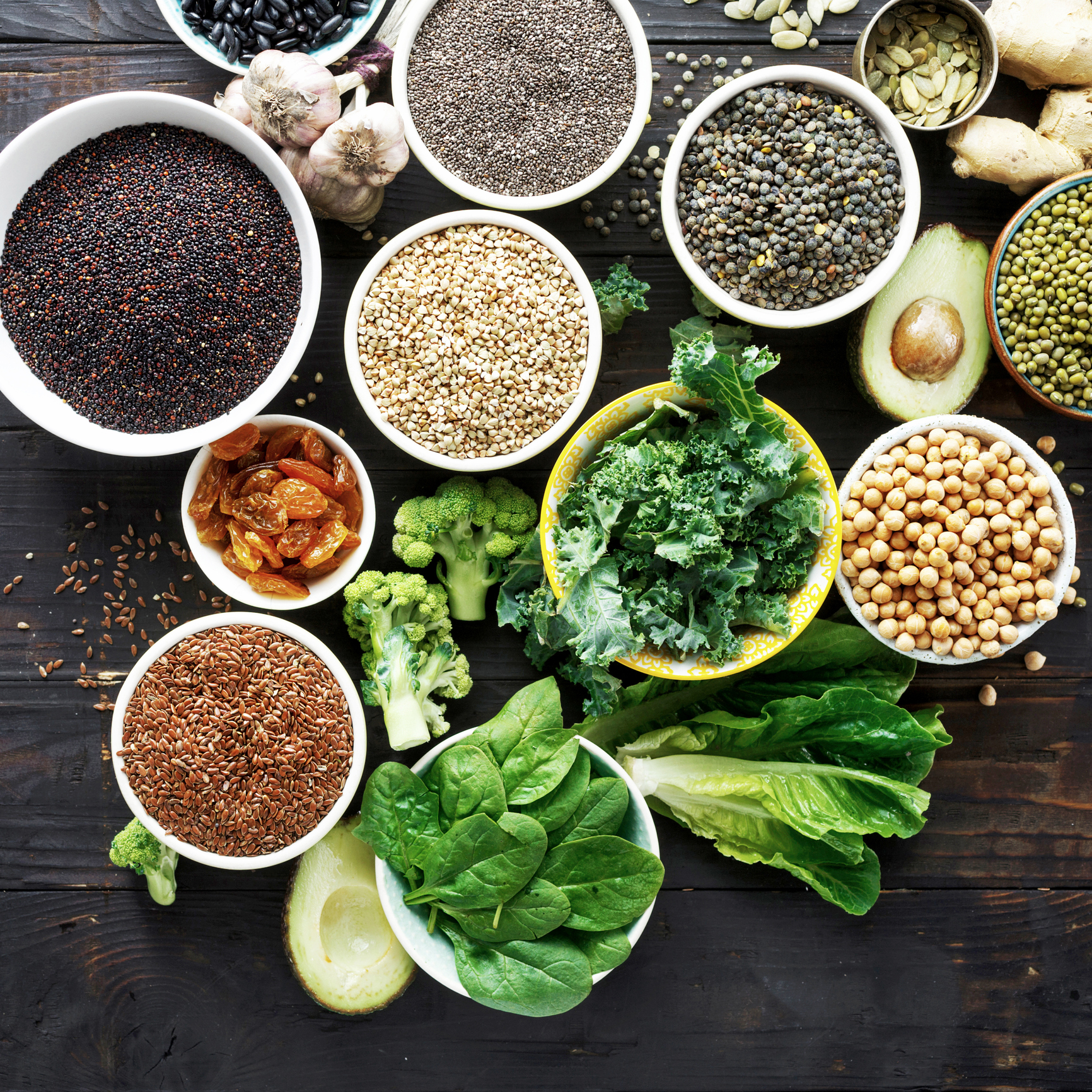
Eating foods high in dietary fiber leads to healthy outcomes. Examining the research into fiber fosters an appreciation for the molecular diversity and variations of fiber types, as well as the role fiber plays as a substrate for gut microbial metabolism. Dietary fiber impacts both the function and composition of the microbiota yielding physiologic responses…
-
Could Running Be Associated with a Lower Risk of Mortality?

A study has uncovered that running or jogging, regardless of the amount above one session per week, could be associated with lower rates of mortality. A 2017 study established that physical exercise has the ability to reduce cellular aging by nine years. This was proven by measuring the length of white blood cell telomeres, the…
-
New Paper Reveals Three Finite Vascular Responses that Cause Cardiovascular Disease
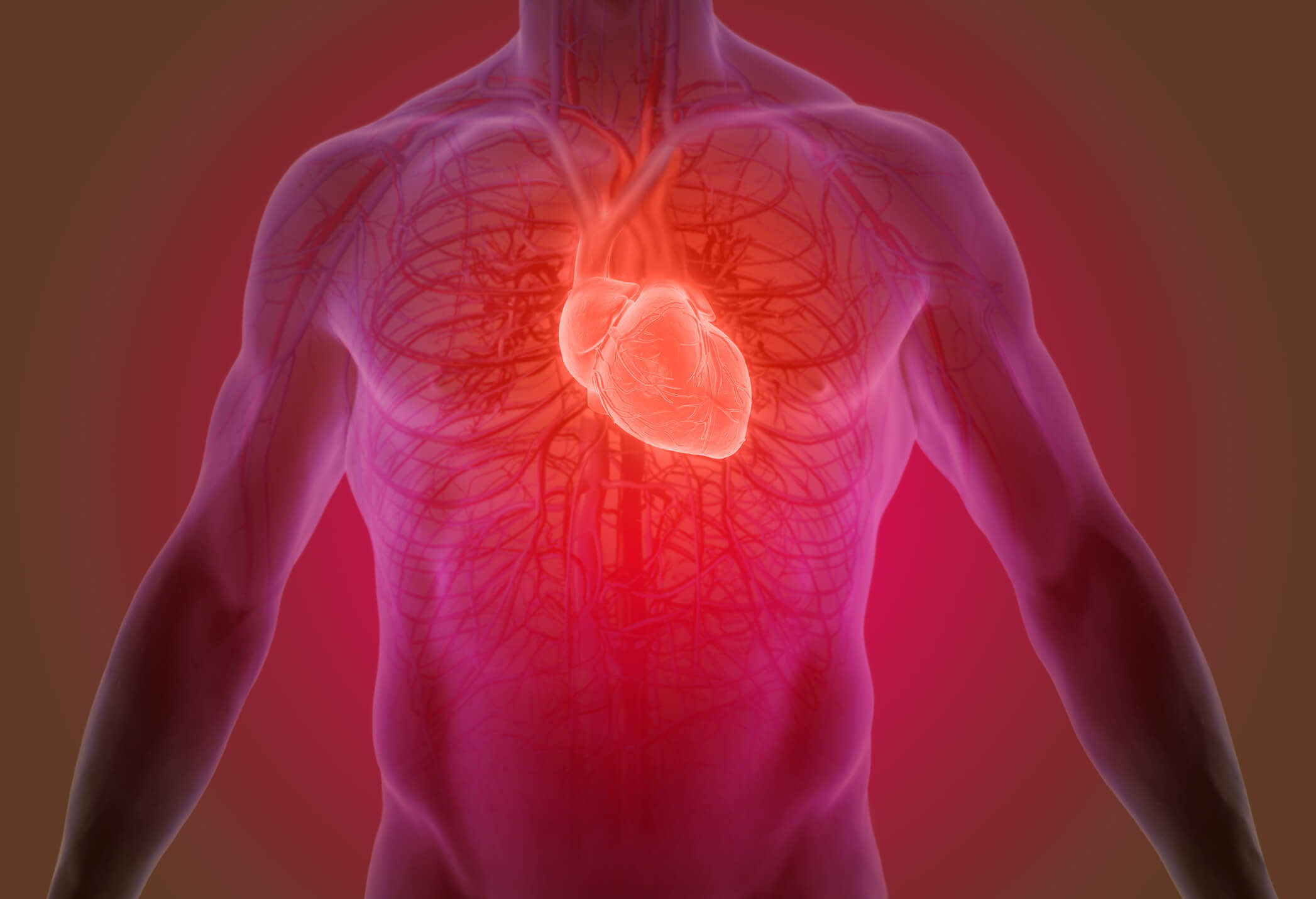
New research by Mark C. Houston, MD, MS, MSc, FACP, FAHA, FASH, FACN, FAARM, DABC, Director of the Hypertension Institute and Vascular Biology, provided a comprehensive, logical and in-depth approach to the treatment of heart disease. He stated “Approximately 80% of coronary heart disease (CHD) can be prevented by optimal nutrition, optimal exercise, optimal weight…
-
Vacation is Good for the Heart

A new medical study from Syracuse University led by Bryce Hruska and Brooks Gump revealed the tangible heart protective effects of going on vacation. We all “feel” the benefits of vacation, but are yet to fully understand the underlying mechanisms behind the health benefits. To assess the health of the participants the researchers monitored markers…
-
Broken Sleep May Harm Blood Vessels

New research has revealed a potential connection between broken sleep and cardiovascular damage. The animal study, which was performed on mice, involved moving a bar across the bottom of the animals’ cages while they were sleeping. These mice were tested against normal mice who were allowed to sleep normally. The sleep fragmentation treatment reduced the mice’s…
-
The Power of Peas

For those celebrating Thanksgiving this week, definitely have your family or friends pass the peas, please. Peas have been a common part the human diet for ages. Produced by the Pisum sativum plant, peas actually belong to the family Fabaceae, which are a group of pod-producing leguminous plants. So, although commonly regarded as vegetables, peas…
-
Migraine and Cardiovascular Risk

According to the Headache Classification Committee of the International Headache Society,[1] migraine affects nearly 15% of the population or about one billion people worldwide. In a general population cohort, performed by Adelborg K, et al., various risk factors in patients with migraine headaches were assessed. These included myocardial infarction, stroke (ischaemic and haemorrhagic), peripheral artery…
Shop Our Brands: