-
Postpartum Activity & Mood

The British Journal of Sports Medicine recently published a systematic review that analyzed the effects of postpartum exercise on maternal postpartum depression and anxiety. This meta-analysis included 35 studies, together enrolling over 4,000 women, with data regarding the effect of various types of exercise on symptoms of depression and anxiety, as well as the odds…
-
Well-Being & Health Care Workers

Results of a randomized and controlled clinical trial evaluating the use of a web-based continuing education intervention on the well-being of health care workers were recently published in JAMA Network Open. The intervention, termed Well-Being Essentials for Learning Life-Balance (WELL-B), comprised 5 online guided well-being modules and totaled 5 hours, completed over an 8-day period.…
-
Collagen & Satiety

Results of a randomized and controlled clinical trial were recently published in Nutrients, suggesting a possible satiating effect of collagen supplementation, as well as an improvement in markers of overweight and obesity. This 12-week trial included 64 participants with overweight or obesity who received either two protein bars enriched with collagen (20 g bovine collagen…
-
Keto & Eating Disorders

People commonly adopt ketogenic diets with the goal of losing weight, but what about the other side of this: can keto help people – particularly those with anorexia – gain needed, healthy weight? Emerging research suggests that keto has the potential to be effective for correcting some of the brain energetics that may be contributing…
-
Magnesium, Homocysteine & DNA

Results of a study recently published in the European Journal of Nutrition suggest that low levels of magnesium may increase the susceptibility of DNA to damage, and that elevated homocysteine levels specifically may cause more DNA damage among people with low levels. One hundred seventy-two healthy volunteers (aged 35-65) living in Australia had plasma levels…
-
Flavonoids & Dementia
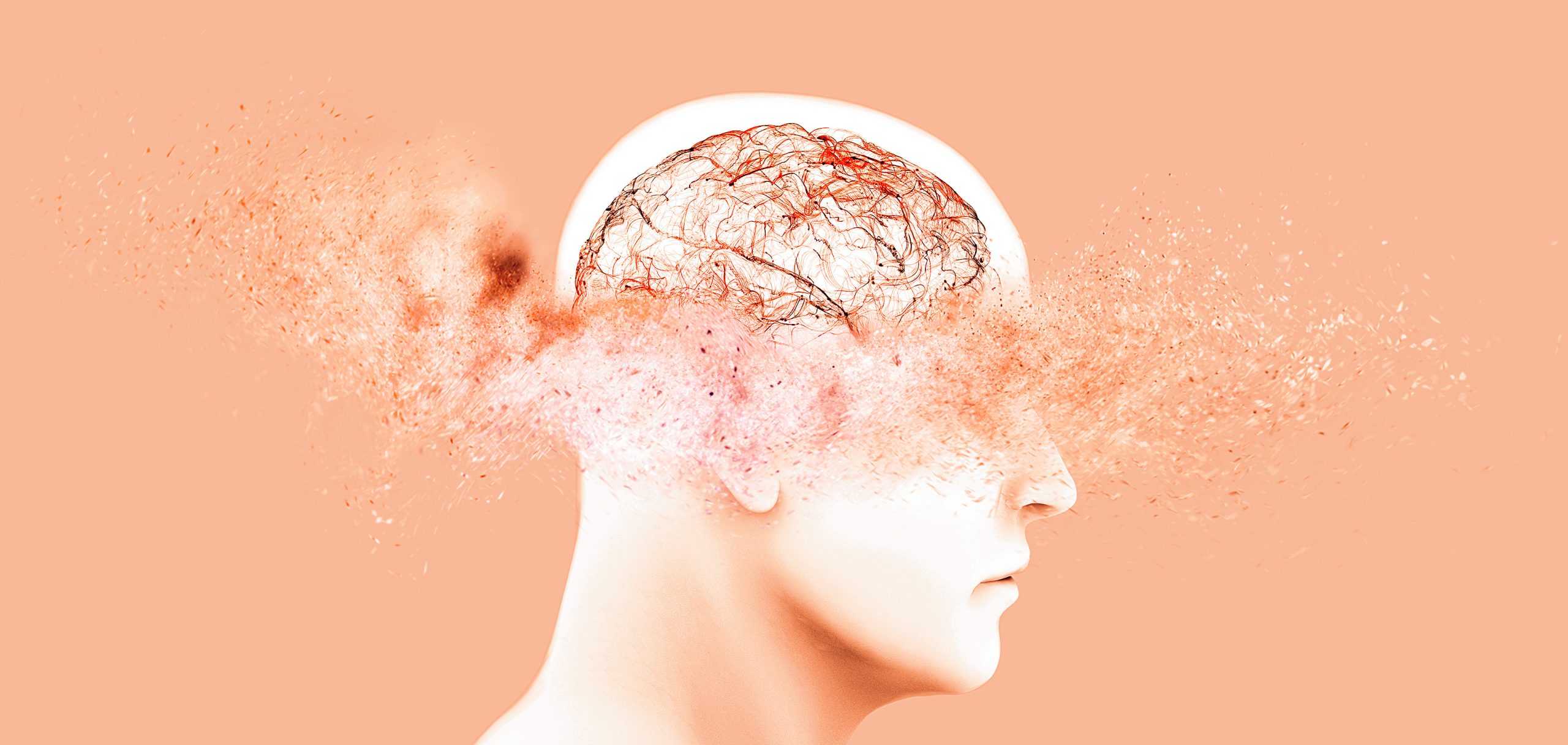
The protective association between dietary flavonoid intake and the risk of dementia has been the focus of yet another study; this one being published recently in JAMA Network Open. Data from the UK Biobank, a prospective population-based cohort study, was analyzed not only to examine the relationship between flavonoids and all-cause dementia, but also to…
-
Ketogenic Therapies in Psychology

Exciting research is being done in the burgeoning field called Metabolic Psychiatry, which is dedicated to addressing the bioenergetic underpinnings of numerous types of mental illness. We previously reported on research showing “unprecedented mental health improvements” in subjects with major depressive disorder, bipolar disorder, and schizoaffective disorder after following a ketogenic diet in an inpatient…
-
Body Roundness

Despite its widespread use, on an individual basis (in contrast to a population) body mass index (BMI) has several limitations related to risk prediction. For example, there is substantial variation both in body composition as well as fat tissue distribution between people with the same BMI. This limitation explains why other markers of adiposity, such…
-
A Fresh Look at Neurodegeneration
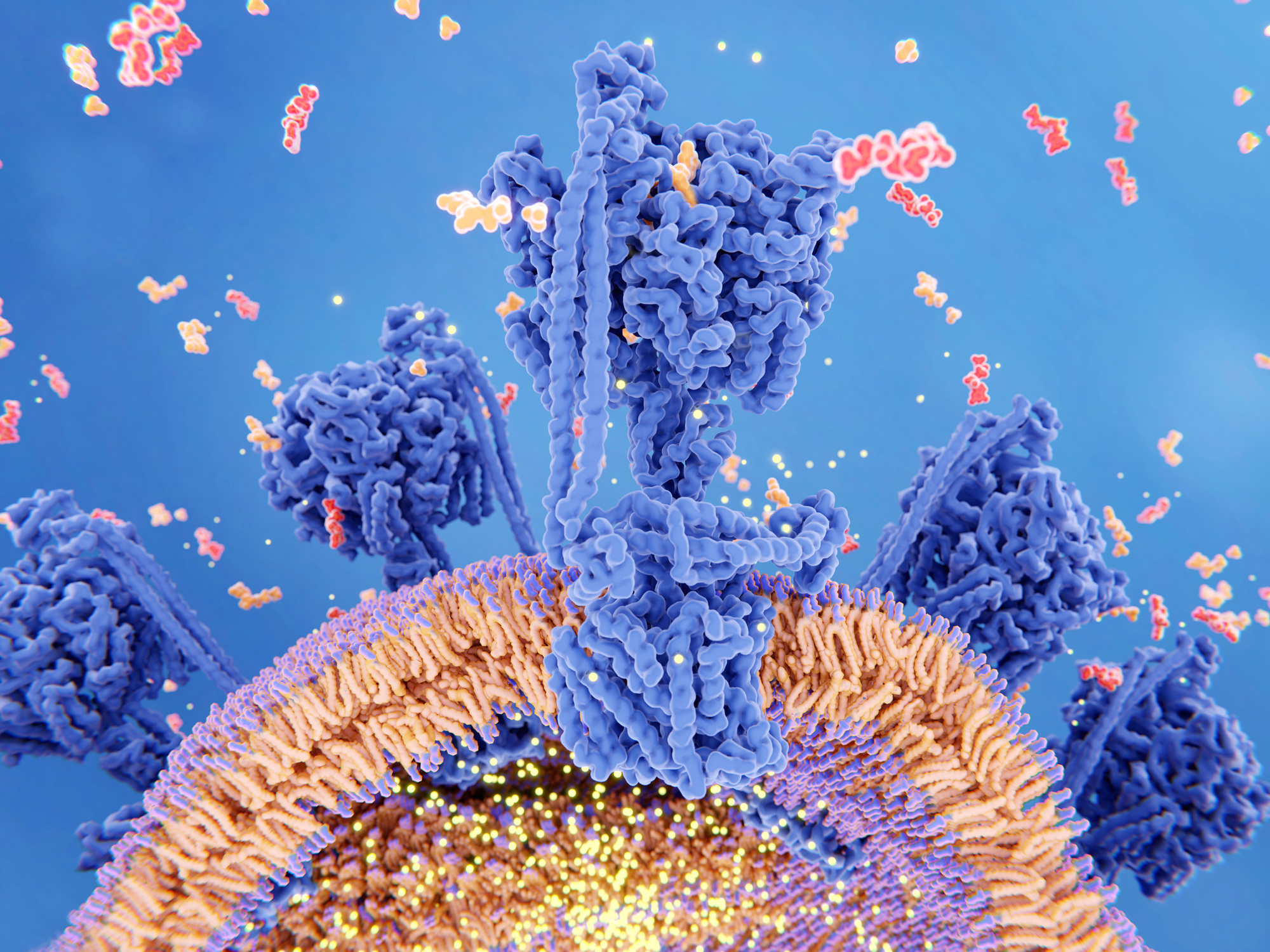
Alzheimer’s disease, Parkinson’s disease and other neurodegenerative conditions are typically seen – and treated – as distinct diseases with their own unique etiologies and targeted therapies. But a paper published recently in Translational Neurodegeneration outlines a new perspective, one that sees Alzheimer’s (AD), Parkinson’s (PD), amyotrophic lateral sclerosis (ALS), and Huntington’s disease (HD) as different…
-
Cruciferous Vegetables & Blood Pressure

The results of a small but randomized and controlled crossover trial were recently published in BMC Medicine, suggesting that cruciferous vegetables may lower systolic blood pressure, at least to a greater degree than squash and root vegetables. Known as the VEgetableS for vaScular hEaLth (VESSEL) study, 18 participants completed this controlled trial in which they…
Shop Our Brands: