-
Vitamin B12 & Neurological Health in Older Adults

A recent study published in Annals of Neurology suggests that optimal vitamin B12 thresholds in older adults may need to be re-evaluated, and that subclinical deficiencies may be responsible for neurological deficits. Much has been published previously describing the poor sensitivity of serum B12 as a functional biomarker for vitamin B12 status, as well as…
-
Coffee & the Microbiome

Nature Microbiology recently published the results of a multi-cohort multi-omic analysis that examined the link between coffee consumption and the gut microbiome. This study builds on work originally published in Nature Medicine several years ago by the same group, which reported that of all the foods examined in a cohort of over 1,000 “deeply phenotyped”…
-
Carb Restriction for Type 1 Diabetes

The Society of Metabolic Health Practitioners recently published a position statement on therapeutic carbohydrate reduction for type 1 diabetes in the Journal of Metabolic Health. Noting that nearly 80 percent of adults with type 1 diabetes (T1D) in the US don’t achieve the American Diabetes Association’s (ADA’s) target hemoglobin A1c goal of <7.0% and that…
-
Coconut Oil & Lipids

A paper published recently in Nutrients makes the case that even though coconut oil contains predominantly saturated fat, the general effects of this oil on lipid panels suggest that “the recommendation to avoid consuming coconut oil due to the risk of heart disease is not justified.” The authors analyzed 984 lipid profile data sets from…
-
Organofluorines in US Water

An analysis recently published in the Proceedings of the National Academy of Sciences (PNAS) indicates that fluorinated organic compounds are present in the wastewater of many living in the U.S., suggesting that drinking water supplies are a significant risk for exposure to these persistent and toxic compounds. Very little data exists regarding the direct measurement…
-
SGLT2 & Ketoacidosis

A case report published recently in Proceedings of UCLA Health adds to the growing body of evidence indicating that SGLT2 inhibitor medications should not be combined with ketogenic diets owing to the increased risk for euglycemic ketoacidosis (eDKA). A 50-year-old male with type 2 diabetes (T2D) presented to the hospital with numerous symptoms, including a…
-
PFAS In Watch Bands

Environmental Science and Technology Letters recently published an analysis of the per- and polyfluoroalkyl substances (PFAS) content of 22 different “smart” and “fitness” watch bands. These bands are often advertised as resistant to skin oils and sweat in part because they are comprised of fluoroelastomers, which are polymers (longer connected chains) of shorter-chain PFAS that…
-
Sleep Apnea & Vitamin D

A systematic review and meta-analysis published in Sleep & Breathing evaluated the association between serum levels of 25-hydroxyvitamin D (25OHD) and obstructive sleep apnea syndrome (OSAS). Twenty-four studies were found eligible for this review, including 15 case-control studies and 9 cross-sectional studies, involving a total of 2640 people with OSAS and 933 healthy participants (controls)…
-
T3, T4 & Hypothyroidism
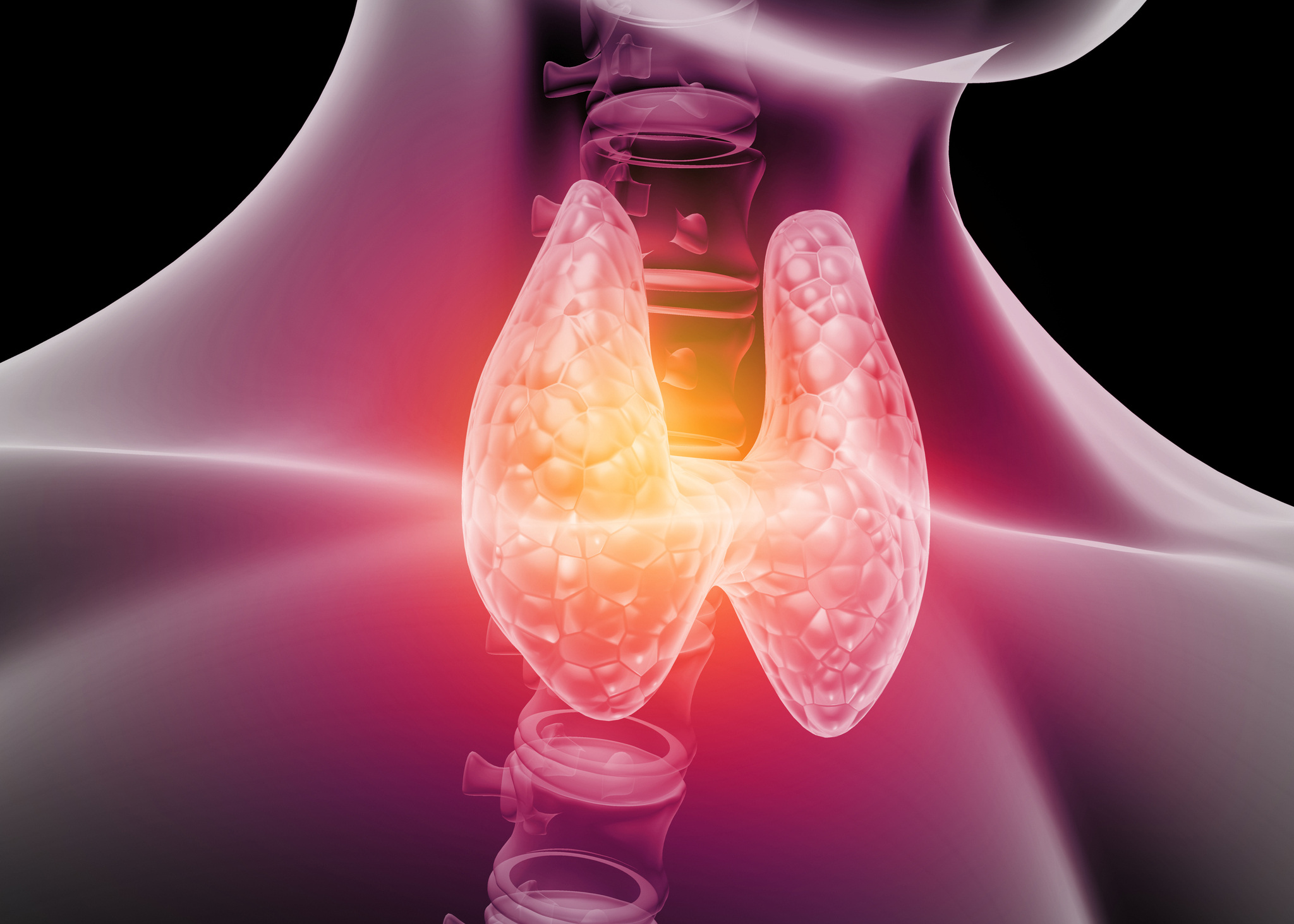
The “gold standard” approach to hypothyroidism is to use levothyroxine monotherapy to restore TSH (thyroid stimulating hormone) to within the normal range. However, as we covered in a past blog article, the TSH test is not always adequate for identifying hypothyroidism, and some patients only experience resolution of symptoms when levothyroxine is used in combination…
-
Keto & Heart Health

“The pharmacological targeting of ketone body metabolism has emerged as a novel therapeutic approach to improve cardiac efficiency, reduce energy deficiency, and enhance cardiac function in failing hearts.” So states a paper published recently in Frontiers in Pharmacology, which presented the evidence for ketotherapy as a treatment for heart failure. The review covered the ketogenic…
Shop Our Brands: