-
Microbiota & Seasonal Allergies
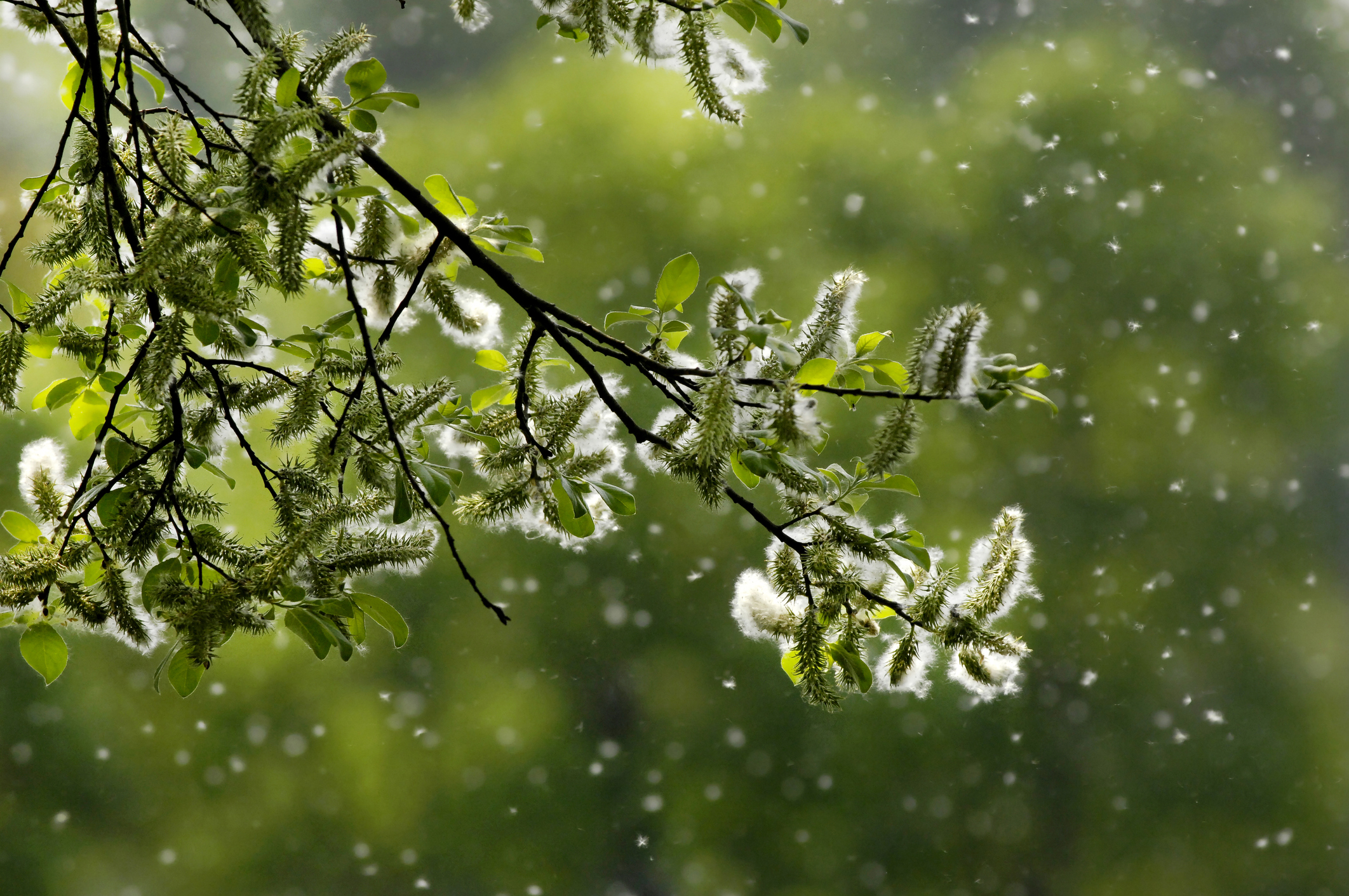
First introduced in 1989, the “hygiene hypothesis” proposed that exposure to specific microbes, perhaps during crucial windows of development, educates the immune system in a way that modifies the risk for allergic, inflammatory, and autoimmune diseases. Initially, this was proposed in response to the observation that the position of a child in a family (their…
-
Maternal Egg Consumption & Infant Allergies

Recently published in JAMA Network Open were the results of a randomized clinical trial examining the effects of maternal consumption of eggs during the early neonatal period on the subsequent development of egg allergy. As noted in this article, food allergies have been estimated to affect at least 10% of children, with egg allergies present…
-
Pets & Food Allergies

Some good news has come out for pet lovers (as if we need more reasons to love our pets!). Recently published in PLoS One, results of the largest to-date birth cohort study in Japan suggest that some pets, especially dogs and cats, are associated with a lower risk for food allergy development in children.
-
Microbiota & Seasonal Allergies
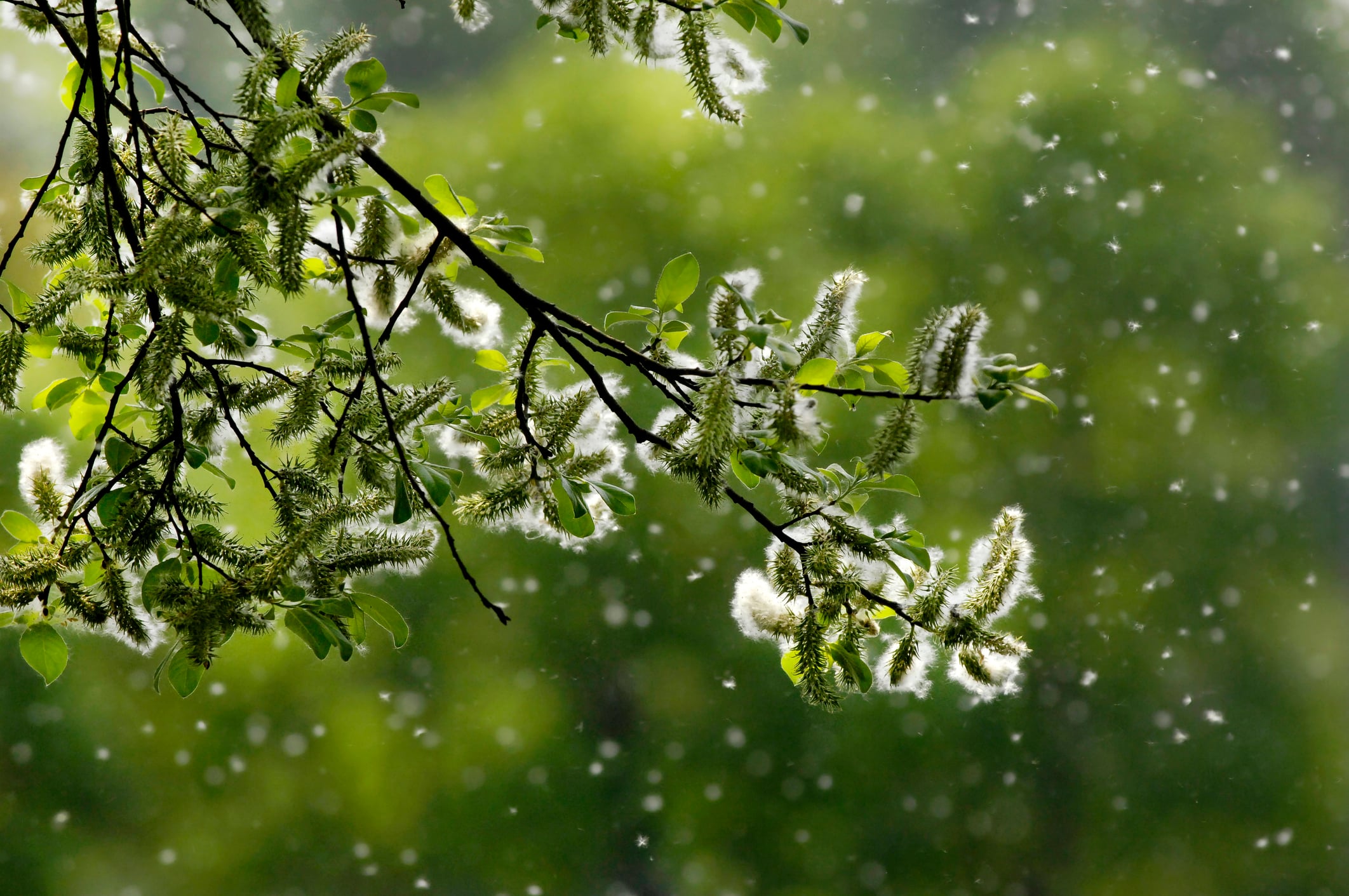
First introduced in 1989, the “hygiene hypothesis” proposed that exposure to specific microbes, perhaps during crucial windows of development, educates the immune system in a way that modifies the risk for allergic, inflammatory, and autoimmune diseases. Initially, this was proposed in response to the observation that the position of a child in a family (their…
-
Researchers Find a Connection Between Stress and Allergies
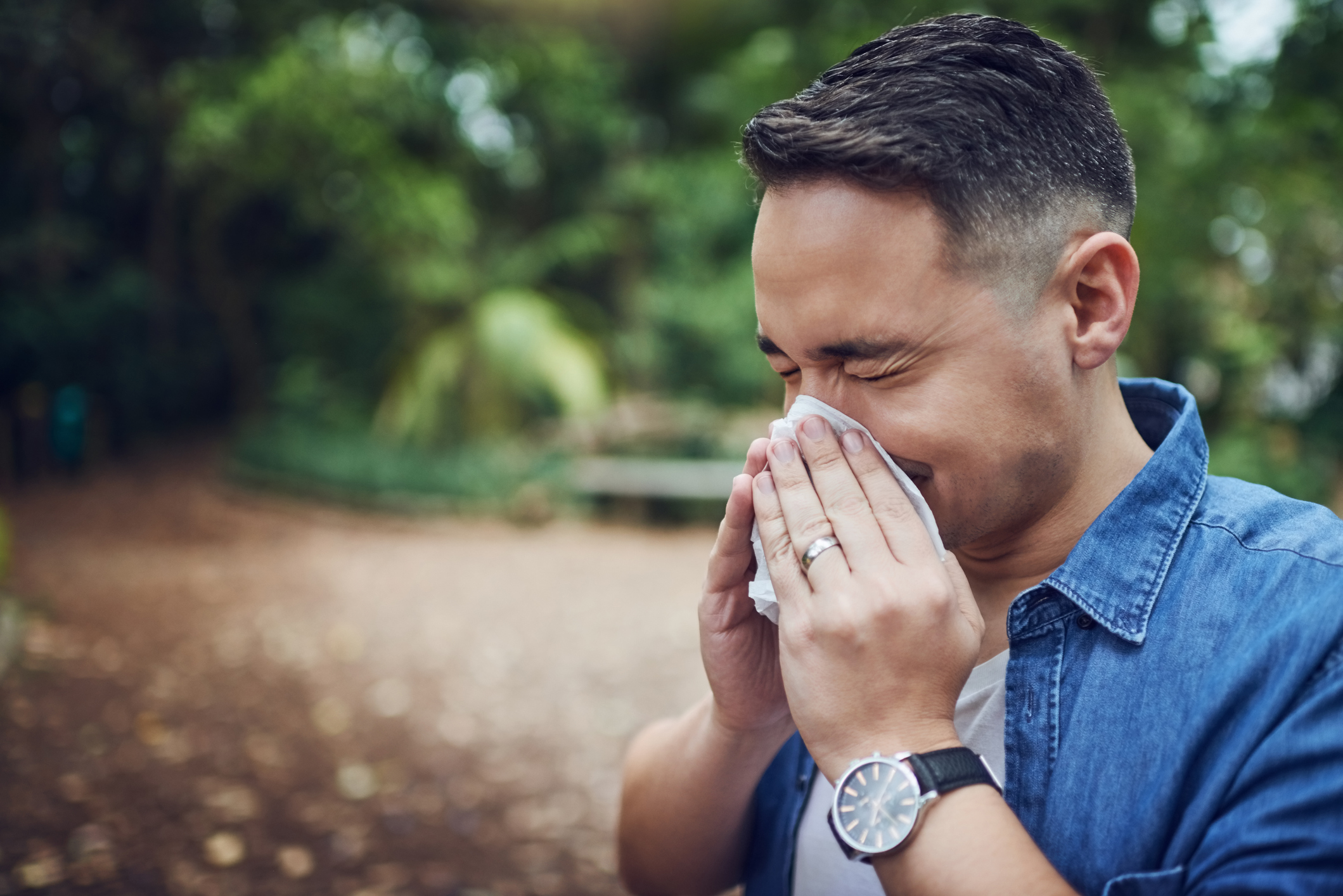
A recent study published in the International Journal of Molecular Sciences has discovered a hormone that may be responsible for increased allergic reactions. Lead researcher Mika Yamanaka-Takaichi, a graduate student of the Department of Dermatology, Osaka City University, spotted a recurring theme in her patients that led her to the research. Yamanaka-Takaichi found that many…
-
Why Am I Allergic to Meat?

This weekend marks the unofficial beginning of summer for many in the northern hemisphere. With summer, we get more glorious sunshine, but also pesky bugs. Although most bugs are harmless and even beneficial to our natural world, some have become synonymous with debilitating diseases. Familiar tick-borne illnesses, for example, include Lyme Disease, Rocky Mountain Spotted…
-
Breast Milk Provides Food Allergy Protection
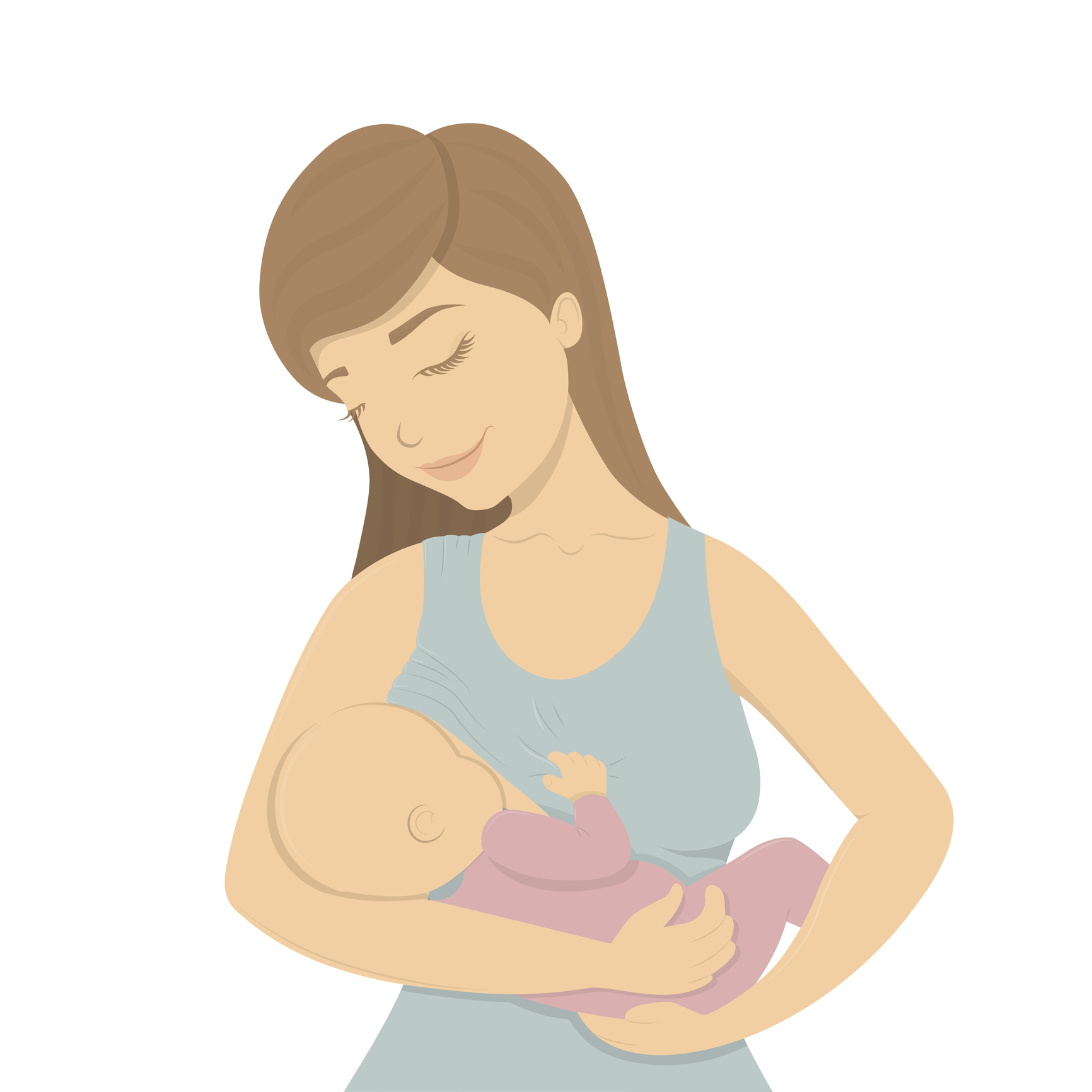
Replicating the nourishment found in mother’s milk has been a challenge, especially since science continues to reveal its complex composition. Previous research indicates breastfed children have a lower risk of certain medical conditions, such as wheezing, infections, asthma and obesity. Identifying specific components that influence immunity is key to identifying a potential for therapeutic interventions.…
Shop Our Brands: