-
Exercise Your Guts Out

Exercise is good for us, yes? With its wide-range of benefits that include supporting heart, muscle and bone health, the short answer is yes. But could there be repercussions in over-exercising? For some people, yes; intense exercise can lead to leaky gut. In the literature, it is referred to as “exercise-induced gut permeability,” and the…
-
Do You Have Leaky Brain?

The NIH estimates that 20% of Americans have a diagnosable mental disorder, at a cost of $201 billion per year. The most common maladies are depression and phobias. In 2014, the CDC issued a report indicating that the U.S. suicide rate reached 13 per 100,000, the highest it had been since 1986. We are beginning…
-
Deeper Dive into the Gut-Brain Connection
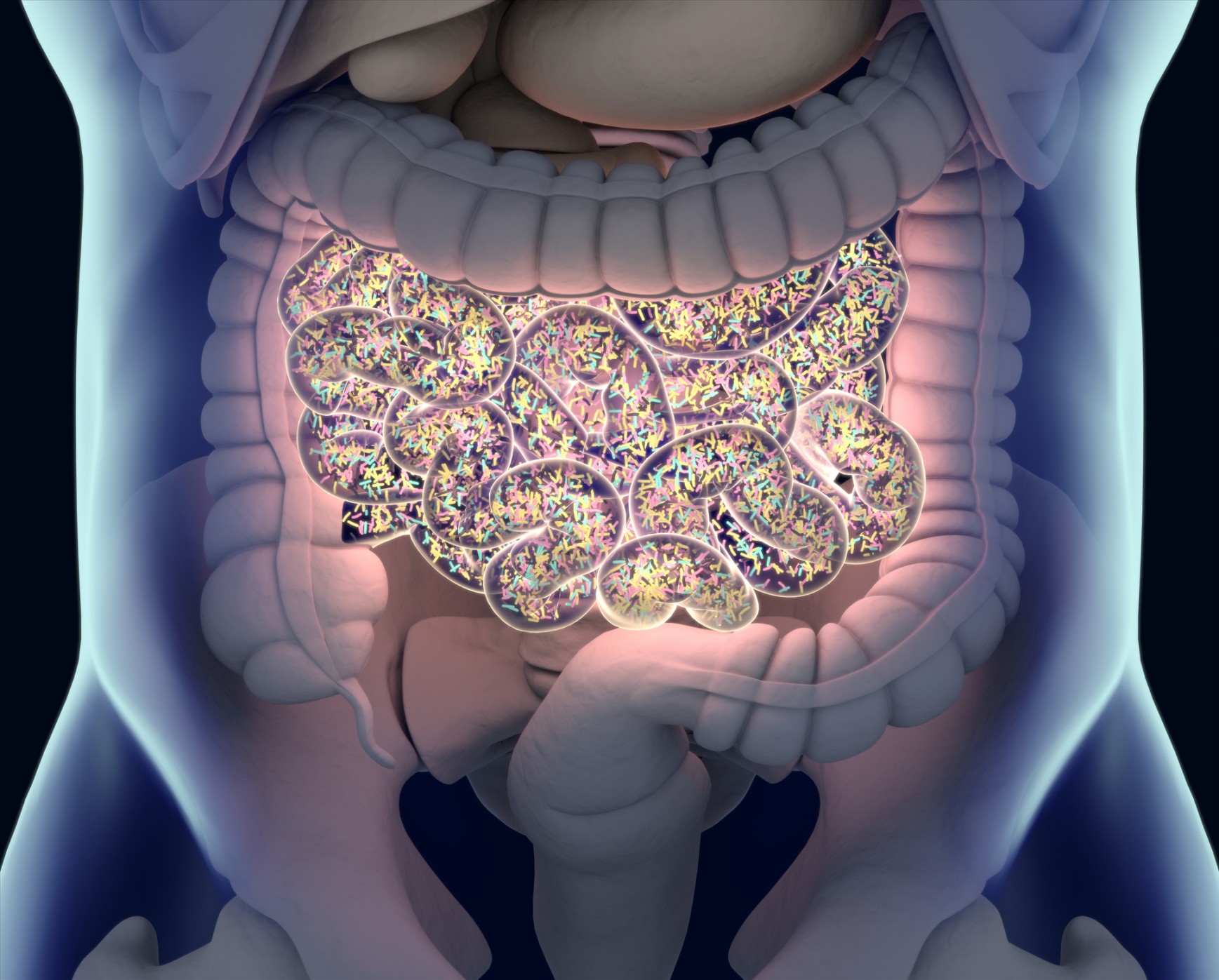
In an 1817 study on Parkinson’s disease (PD), James Parkinson noted that many of the patients with PD had gastrointestinal issues, and that up to 80% of these patients suffered from constipation. Even 200 years ago, we knew about the gut-brain connection. Currently, the literature demonstrates that the microbiome does, in fact, affect the function…
-
Probiotics May Improve Metabolic Profiles
Most people generally associate probiotics with fostering the growth of good bacteria in the gut, however, more and more clinical studies are highlighting the role of probiotics beyond the gut. One randomized, placebo controlled, double-blind study looked at the effects of probiotic supplementation on the metabolic profiles in diabetic patients with coronary heart disease (CHD).…
-
Probiotics and the Brain
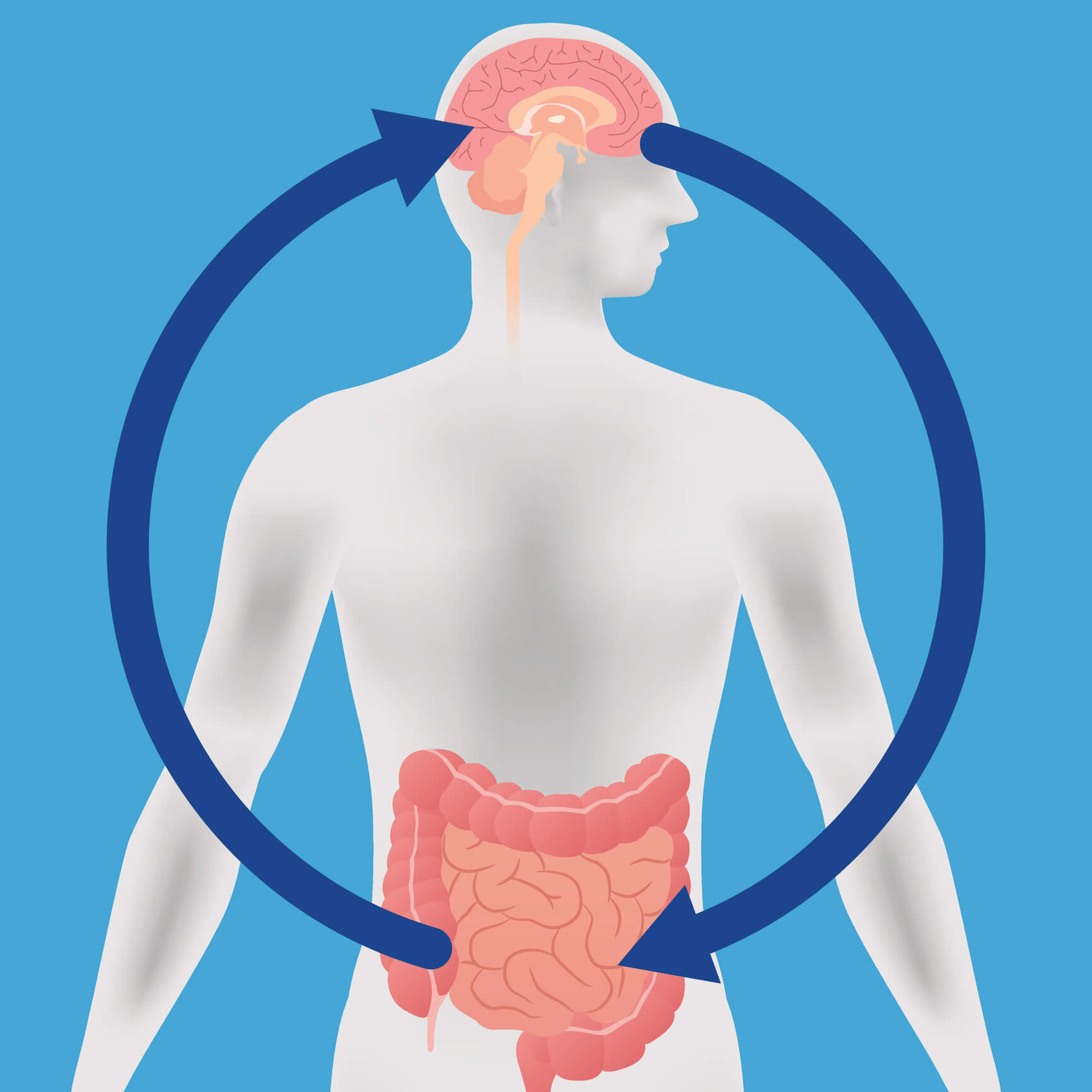
The mind-body connection garners a lot of attention these days, with explosive and ever-emerging research demonstrating the importance of seeing the body as a whole, rather than fractured systems. When talking about the brain, it’s hard to ignore the gut. The gut-brain axis is a good example of this; with the ability of the gut…
-
6 Foods that Foster the Microbiome
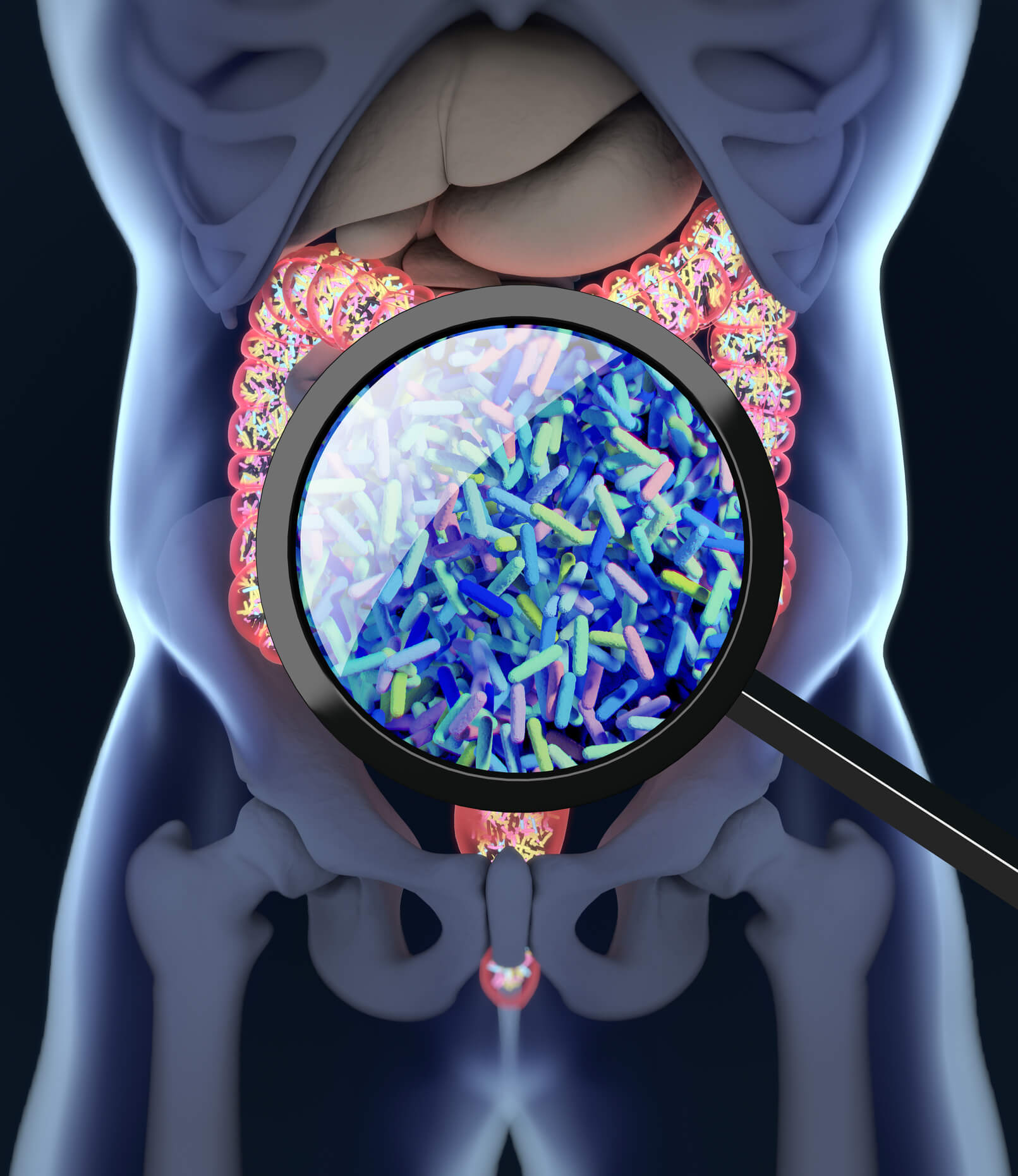
“We are what we eat” should actually say, “We are what our microbes eat.” In fact, what we eat immediately and profoundly influences our gut microbiome, which then determines our health. With trillions of microorganisms including bacteria, viruses, fungi and protozoa, taking residence in our guts, it’s no surprise they play significant and precise roles…
-
Gut Molecules Control Brain Inflammation
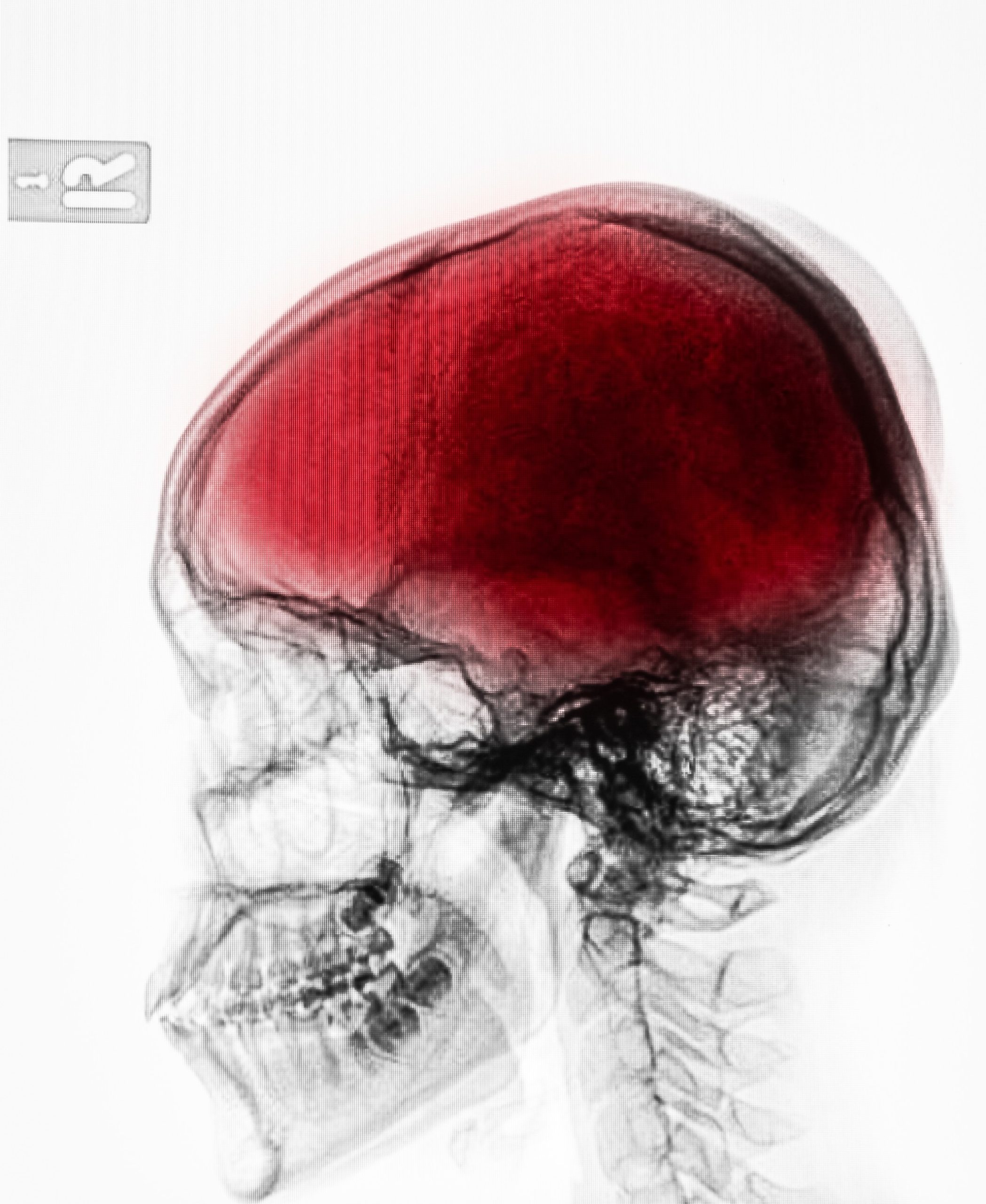
Unexpected to most immunologists, the central nervous system (CNS) seems to have a vigorous immune system, and one controlled remotely by gut microbes. According to an article by Wekerle, referencing Rothhammer V, et al.[1] “the vigorous immune potential” of the central nervous system (CNS) typically remains dormant, but becomes active post-injury. Two types of glial…
-
Diabetes in the Gut
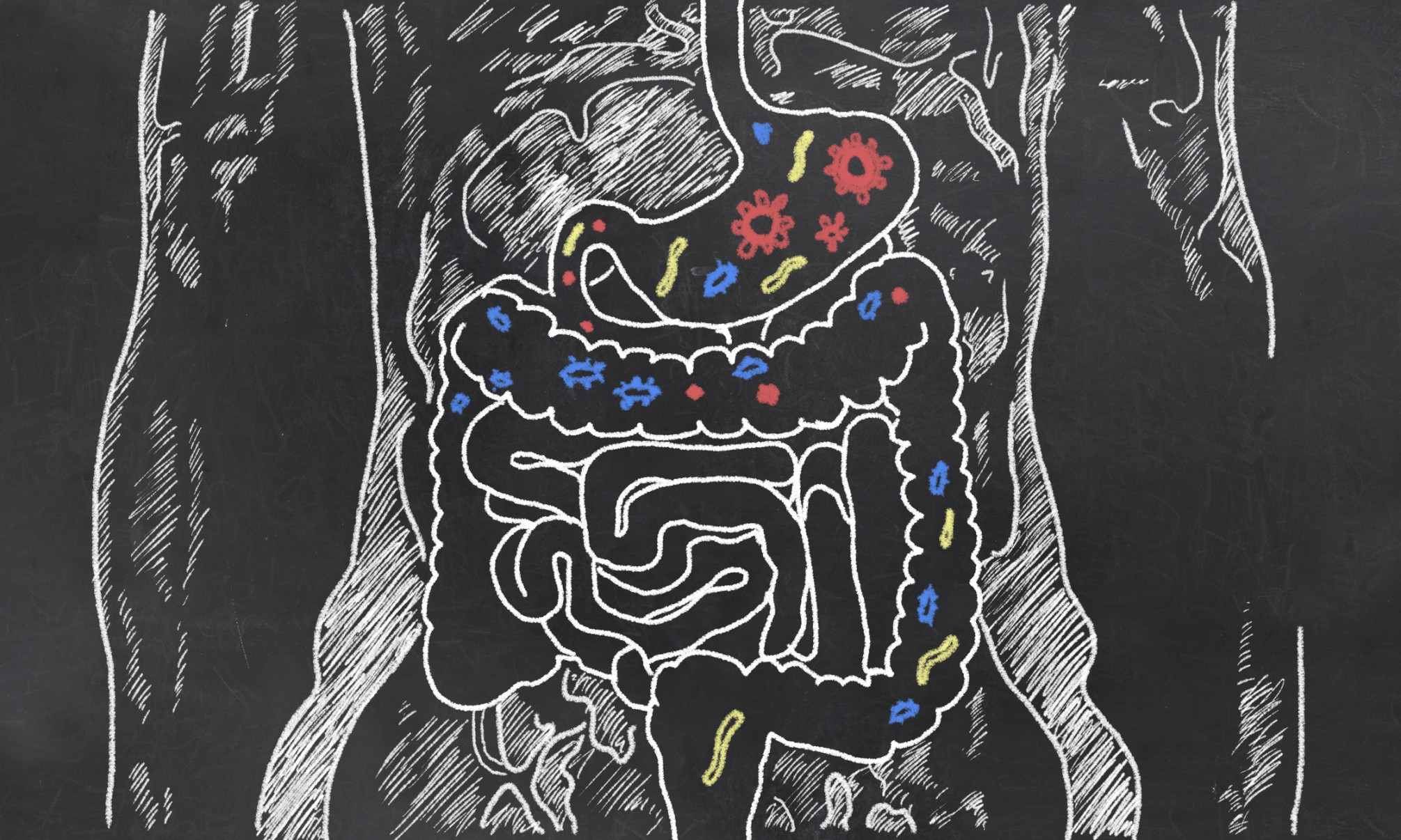
When thinking about diabetes and dysmetabolism, we look at a number of tissues such as adipose, liver, muscle and pancreas, but are we considering enough the role of the gut? Metabolic syndrome is defined as a cluster of physiological abnormalities that increase the risk of developing cardiovascular disease and type 2 diabetes. Risk factors include…
-
Thyme for Gut Health
More often than not, we associate thyme with the culinary world. The beloved, leafy herb that accompanies chicken or other savory dishes, we think of it flavoring a stuffing, sauces, stews and soups.
Shop Our Brands: