-
Gut Microbiome & Neurological Health
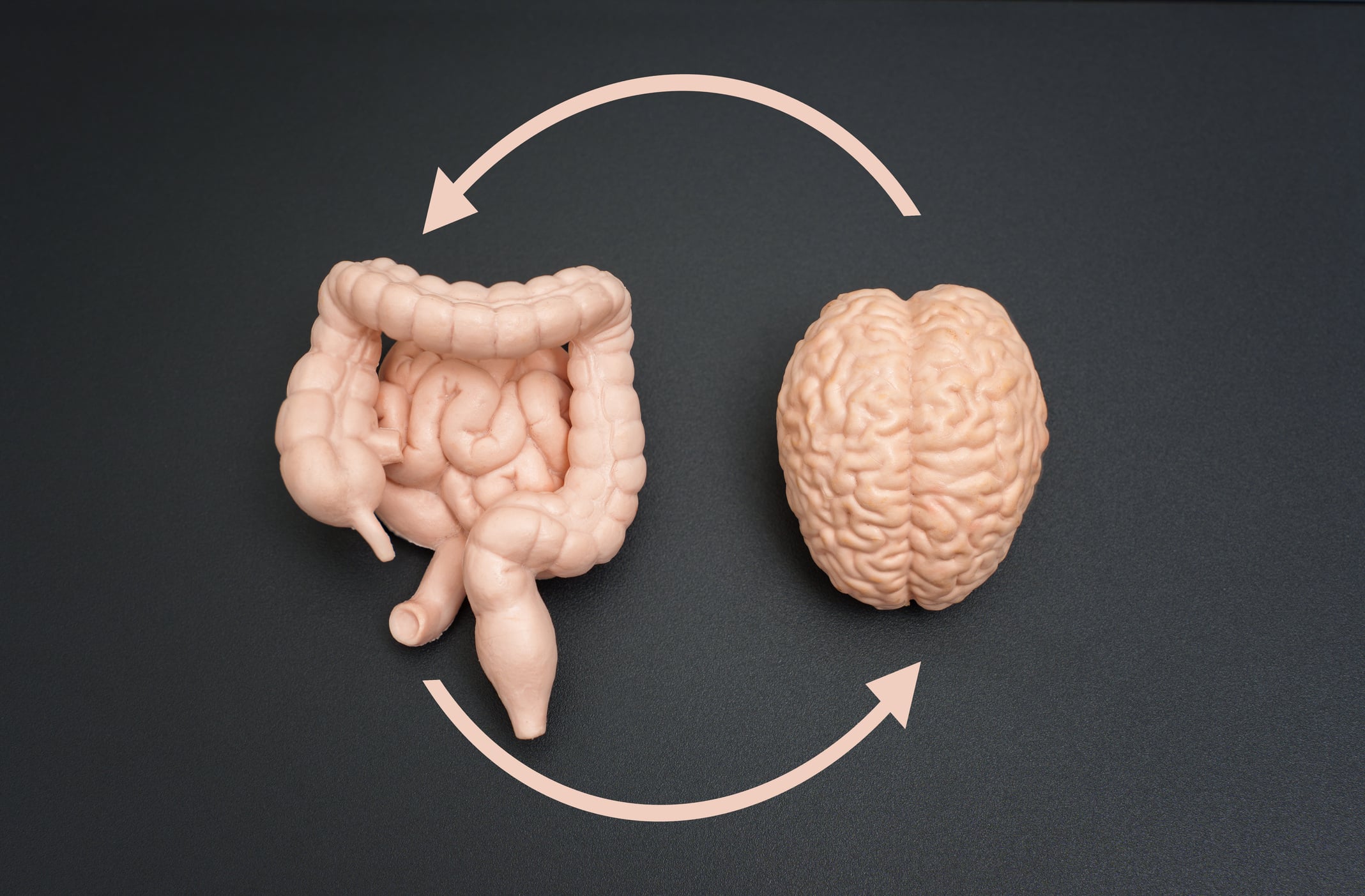
A growing body of evidence suggests that the gut microbiome plays a role in the etiology of neurodegenerative diseases, with indications that in at least some conditions, the very first signs of pathology occur in the GI tract first. Additionally, the “gut-brain axis,” i.e., the bilateral communication that occurs between the central nervous system (CNS)…
-
How Exercise Affects Your Gut

Though it is well known that diet can certainly modulate the composition of the gut microbiota, we are only just beginning to understand how exercise affects your gut and gut microbiome. However, considering the many roles of the gut in the development and maintenance of overall health, it is not surprising that there is great…
-
The Gut-Immune Connection
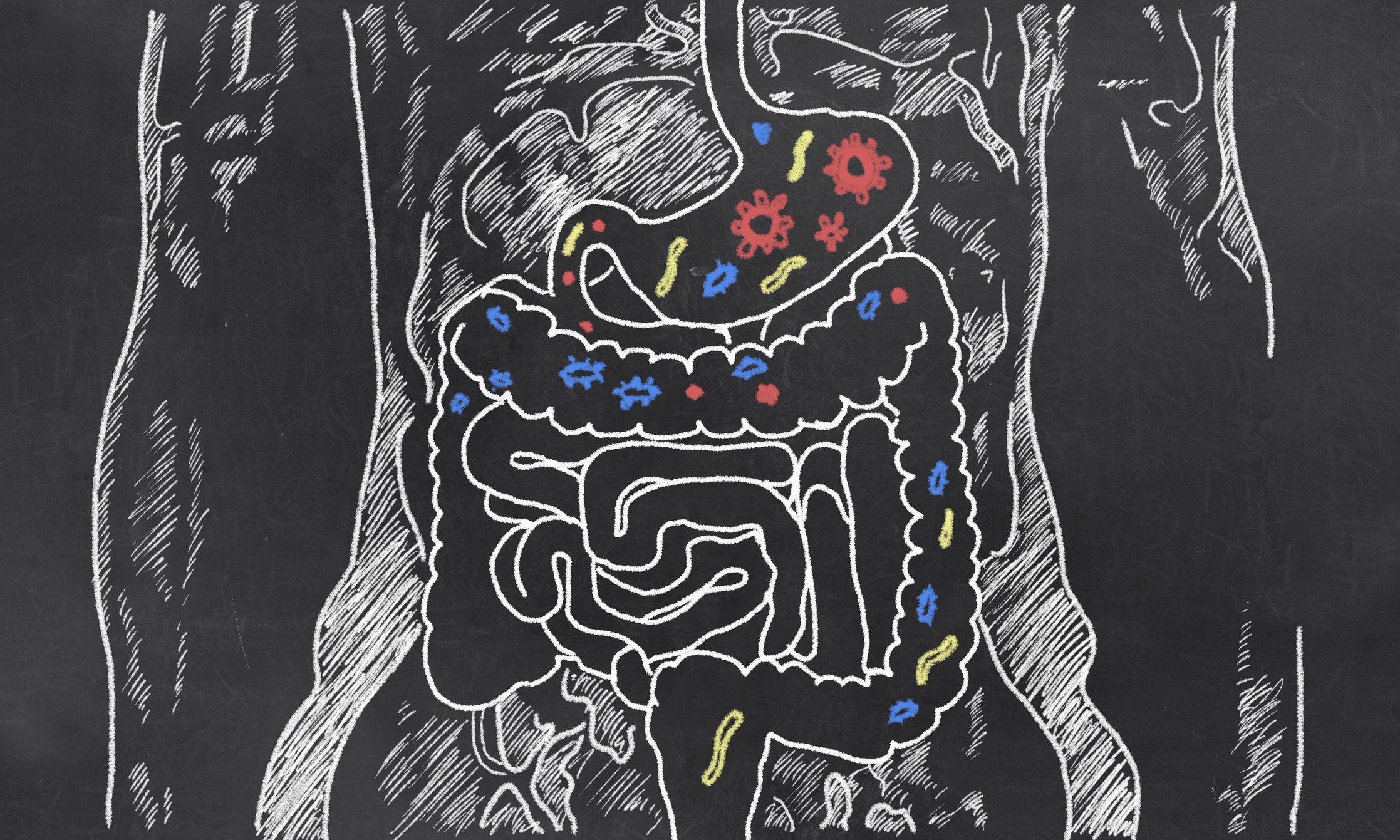
Every day we seem to be learning more and more about the relationship between the gut microbiome and immune health. For example, just last month, researchers discovered that the immune system doesn’t activate at nine weeks into gestation, as previously thought. We now know that the intestinal epithelial cells work to eradicate damaged cells long…
-
Gut Microbiota & Immune Alterations in Obesity

Mounting research findings demonstrate the pivotal role the gut microbiota and immune system play in the development and progression of obesity. A 2024 meta-analysis published in Gut Microbes revealed that individuals with obesity have distinct differences in the composition of their microbiome in comparison to controls. Analysis of16S rNA gene and metagenome sequencing data from…
-
Do You Have Leaky Brain?
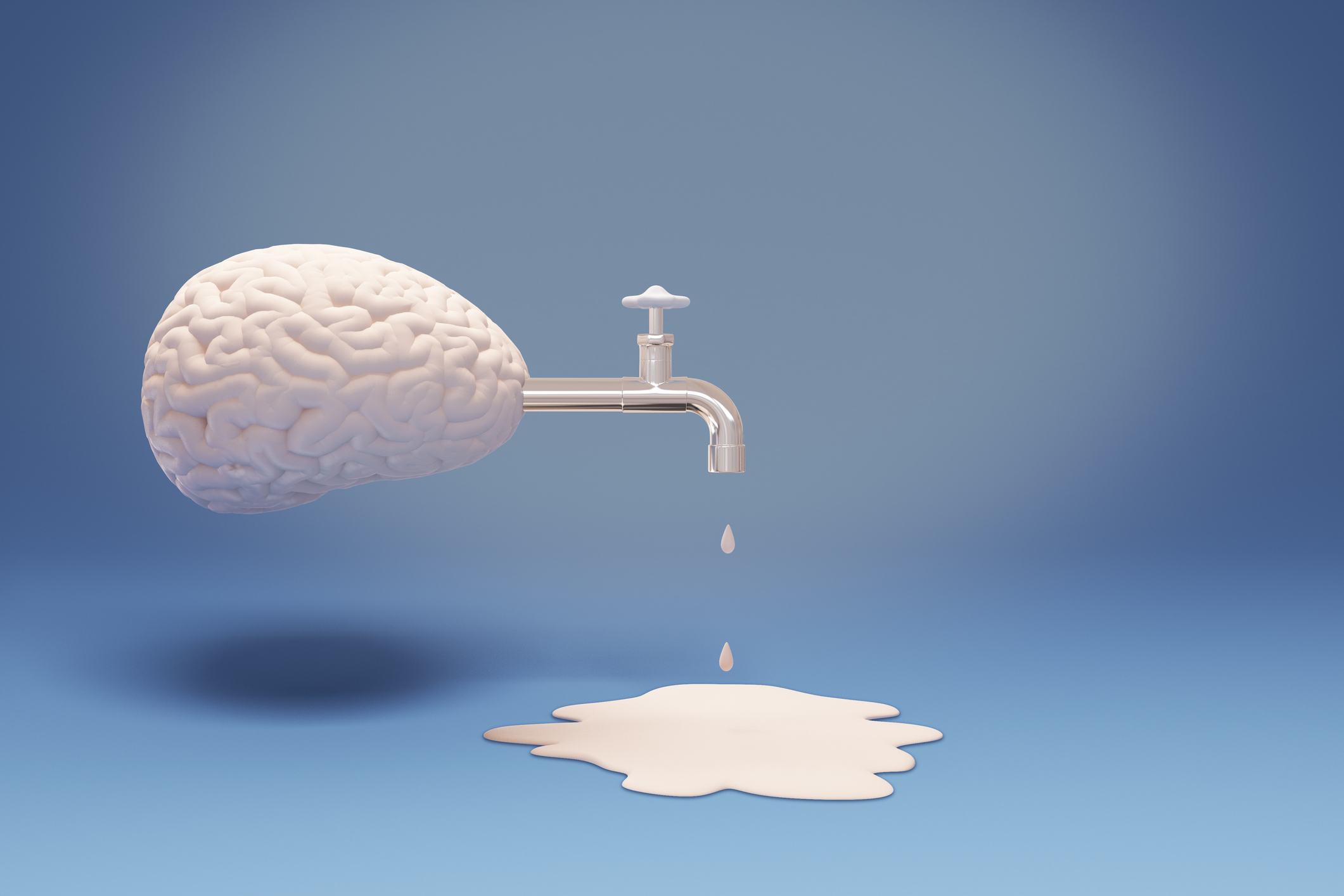
The NIH estimates that 20% of Americans have a diagnosable mental disorder, at a cost of $201 billion per year. The most common maladies are depression and phobias. In 2019, suicide was the 10th leading cause of death in the US, accounting for over 47,000 deaths overall. We are beginning to look at systemic inflammation and its…
-
Parkinson’s, the Gut & Pesticides

A growing body of evidence suggests that gastrointestinal (GI) dysfunction, particularly in the enteric nervous system (ENS) which innervates the GI tract, may play an etiological role in the development of Parkinson’s disease (PD), at least in some cases, coined as the so-called “bottom’s up” vs. “top-down” progression/origin of the disease, and sometimes termed Braak’s…
-
Spice Up Your Microbial Health
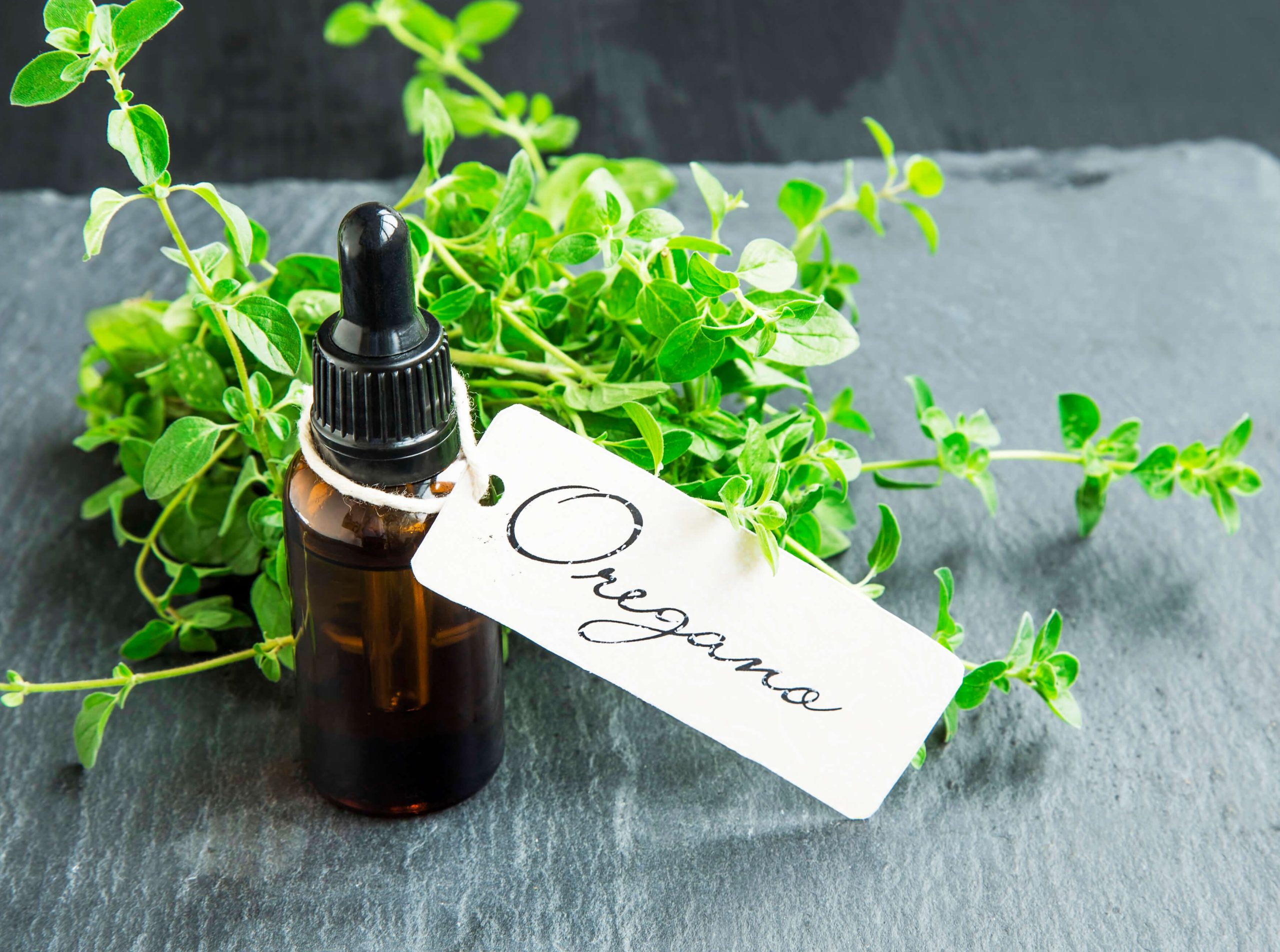
Among the many herbs and spices used to foster gut health is oregano. Derived from the Greek words “oros” (meaning mountain) and “ganos” (meaning joy), oregano was supposedly grown by the Greek goddess Aphrodite as a symbol of joy. Most known for its aromatic use in culinary dishes, oregano also has a history of medicinal…
-
Berberine: The Gut-Brain-Heart Connection
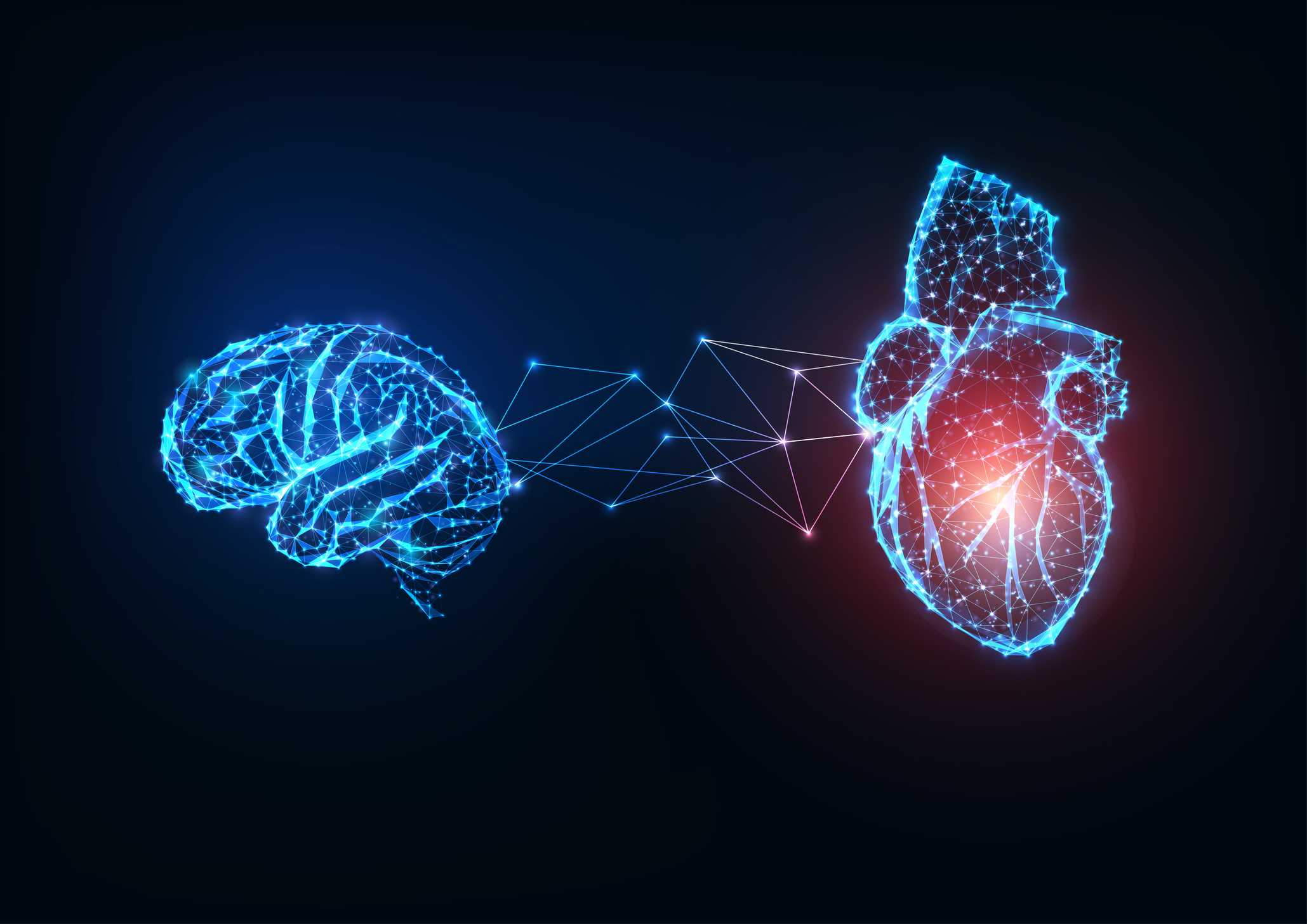
Most of us have heard about the gut-brain connection, how nearly 90% of the body’s serotonin is actually made in the digestive tract, and how the gut-brain axis is the missing link in depression. Gut health and the landscape of the gut microbiota influence many aspects of our health, so it is no surprise that…
-
Red Dye & Gut Health
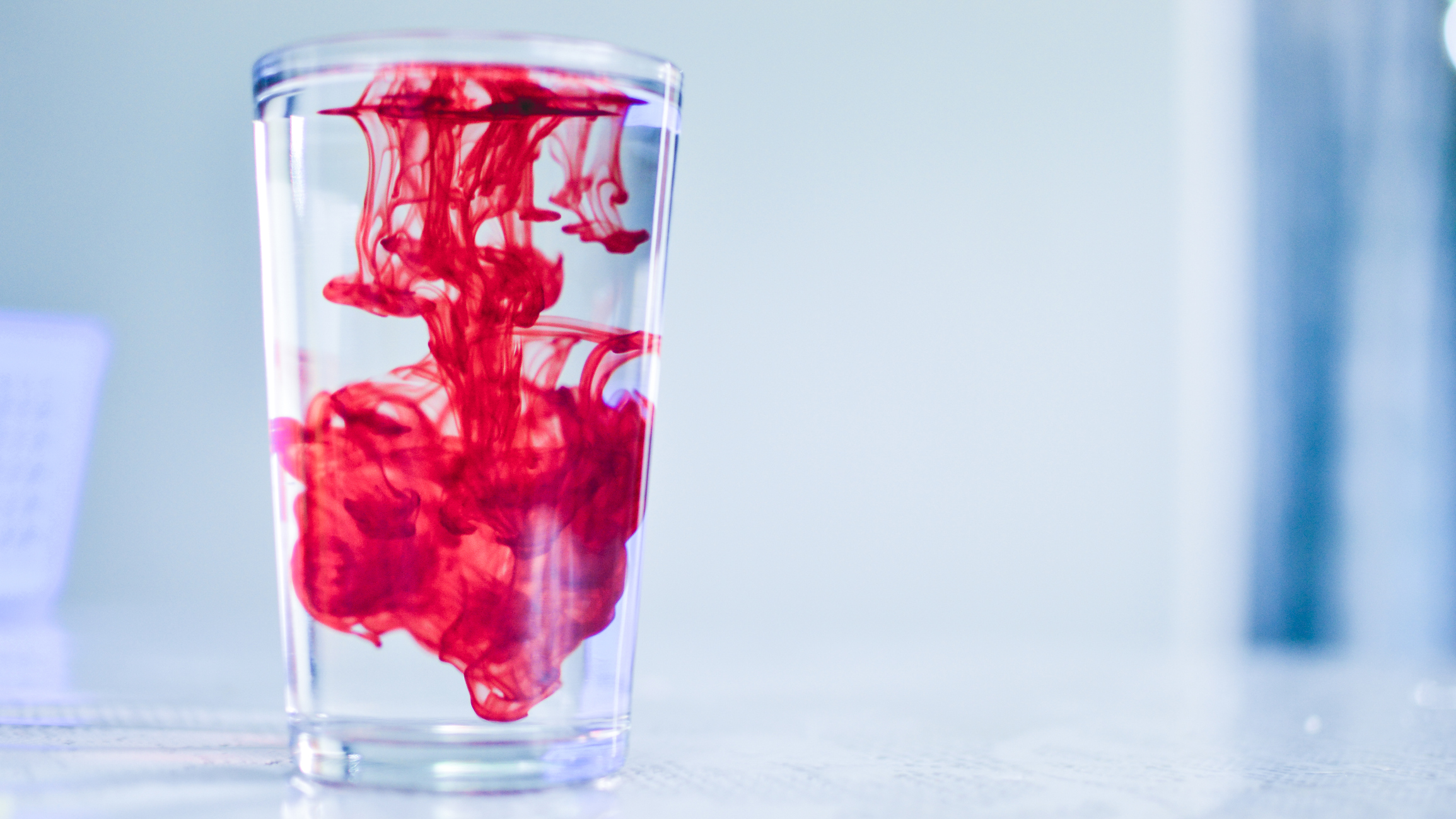
Eating whole foods is beneficial because whole foods are replete with key nutrients. However, eating whole foods also means avoiding processed foods, which is an important dietary strategy as well. Avoiding processed foods means eliminating additives and preservatives that might seem insignificant, but a recent study has shown that long-term consumption of red food dye,…
-
Exercise Your Guts Out

Exercise is good for us, yes? With its wide-range of benefits that include supporting heart, muscle and bone health, the short answer is yes. But could there be repercussions in over-exercising? For some people, yes; intense exercise can lead to leaky gut. In the literature, it is referred to as “exercise-induced gut permeability,” and the…
Shop Our Brands: