-
The Vaginal Microbiome & Immune Response

The vagina hosts a dense and distinct microbial ecosystem, comprising approximately 10¹⁰–10¹¹ bacteria. These microbiota, typically dominated by Lactobacillus species, engage in a symbiotic relationship with the host by producing antimicrobial compounds such as lactic acid, hydrogen peroxide, and bacteriocins. These metabolites help maintain an acidic pH and inhibit pathogen colonization, forming a critical component…
-
Coffee & the Microbiome

Nature Microbiology recently published the results of a multi-cohort multi-omic analysis that examined the link between coffee consumption and the gut microbiome. This study builds on work originally published in Nature Medicine several years ago by the same group, which reported that of all the foods examined in a cohort of over 1,000 “deeply phenotyped”…
-
Coffee & The Microbiome
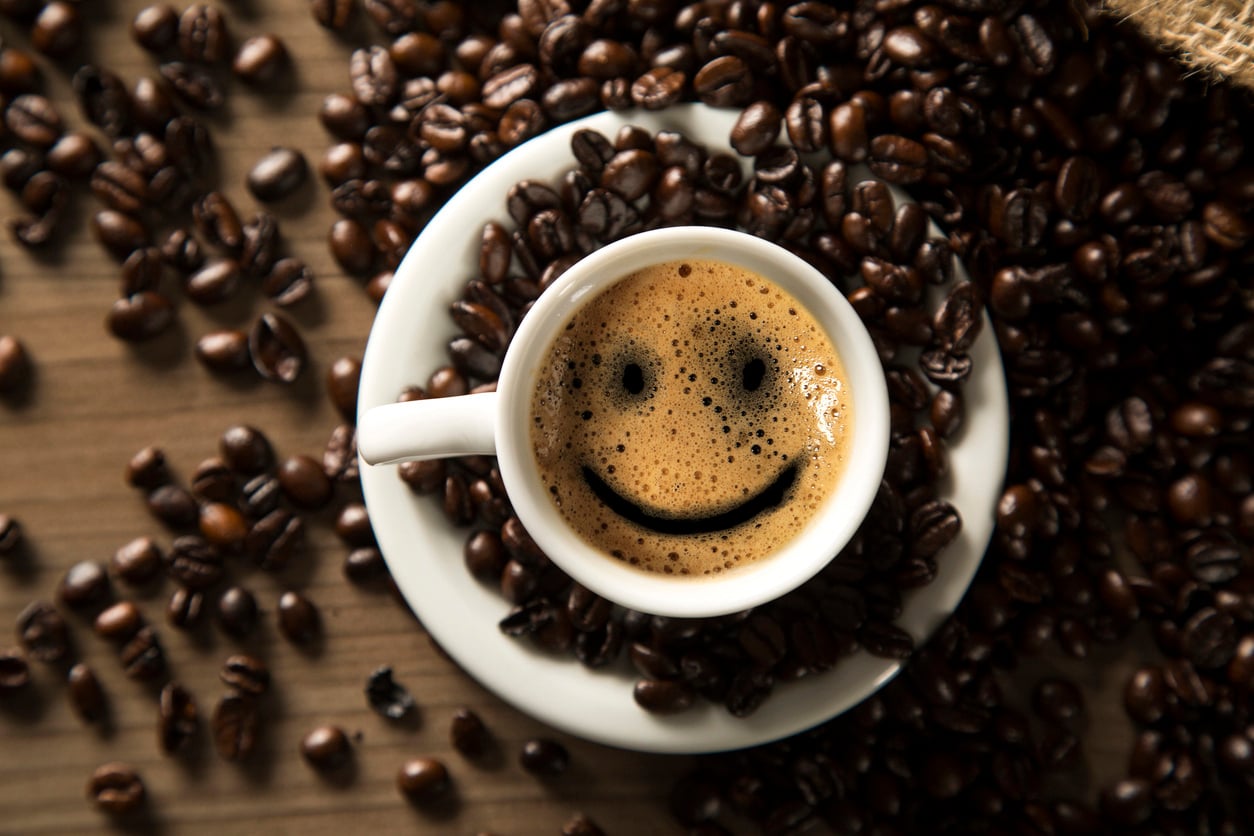
Compelling evidence has been uncovered outlining the relationship between coffee consumption and the composition of the gut microbiome. Multi-omic analysis of comprehensive dietary data and metagenomic sequencing of stool samples from 22,867 participants across the US and UK revealed 115 distinct microbial strains associated with long-term coffee intake. These findings were then integrated with public…
-
Gut Microbiome & Neurological Health
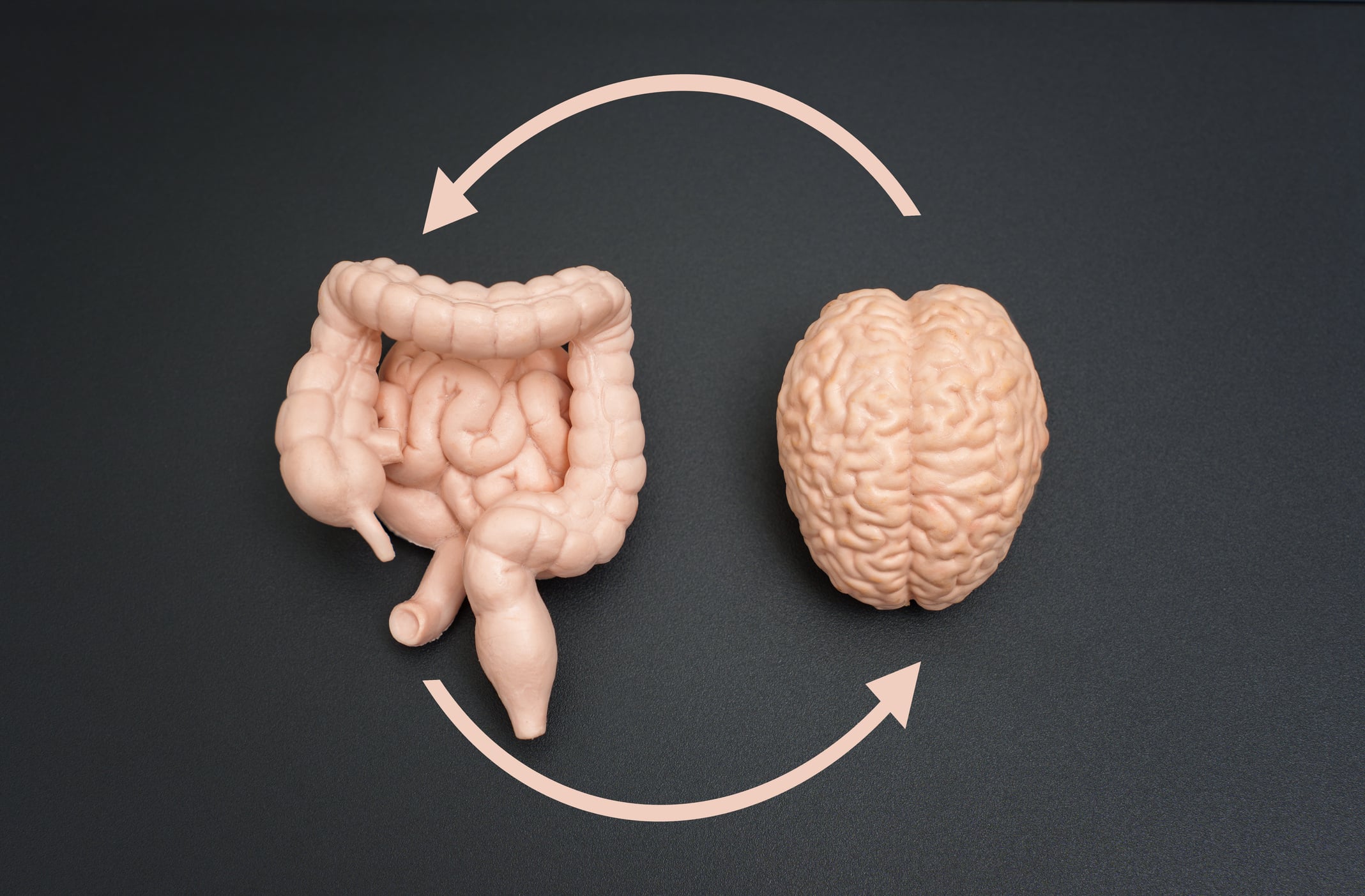
A growing body of evidence suggests that the gut microbiome plays a role in the etiology of neurodegenerative diseases, with indications that in at least some conditions, the very first signs of pathology occur in the GI tract first. Additionally, the “gut-brain axis,” i.e., the bilateral communication that occurs between the central nervous system (CNS)…
-
Obesity & The Microbiome

BMC Microbiology recently published a meta-analysis of metagenomic sequencing data from obese and non-obese participants in an effort to clarify contradictory findings relating the gut microbiome to the risk for an elevated BMI. Seven studies were included in this meta-analysis, as well as 1351 stool metagenomic (shotgun) sequencing files from 862 participants (396 with obesity…
-
SBI & the Microbiome
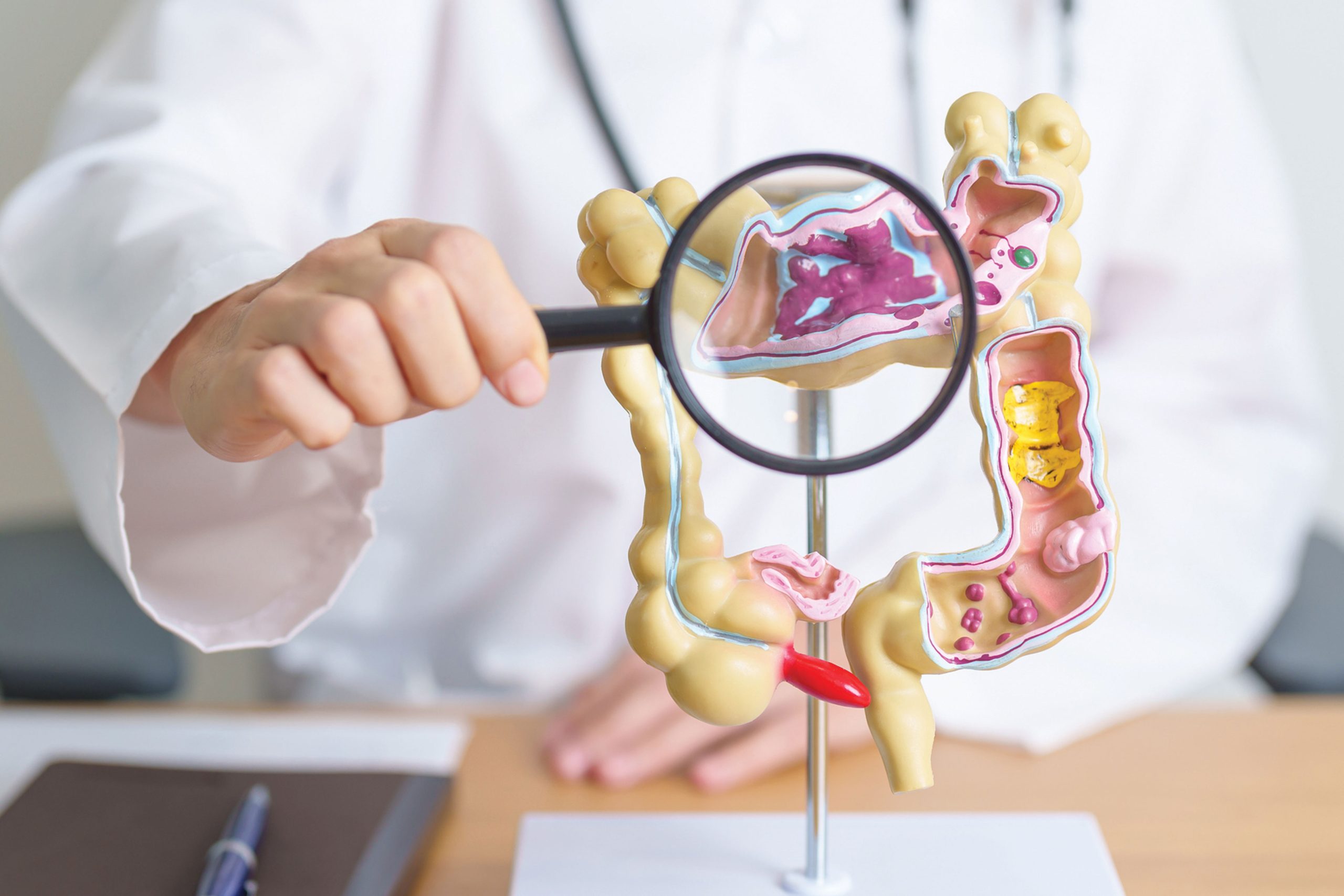
Serum-derived bovine immunoglobulin/protein isolate (SBI) may have a prebiotic mechanism of action, resulting in an increase in short-chain fatty acid production (SCFA), as published in Microorganisms. SBI is a concentrated form of immunoglobulins that has several clinical trials demonstrating benefits for IBS, IBD, and enteropathy, but its mechanisms of action may only be partially understood,…
-
Oral Immunotherapy & the Microbiome

Results of a prospective and longitudinal study conducted among schoolchildren were recently published in Allergology International, describing the association between the gut microbiome and the effectiveness of oral immunotherapy (OIT) for dairy cow’s milk allergy (CMA). Thirty-two children with IgE-mediated CMA received OIT for a period of 13 months, followed by a 2-week period of…
-
Cranberry Extract & the Microbiota
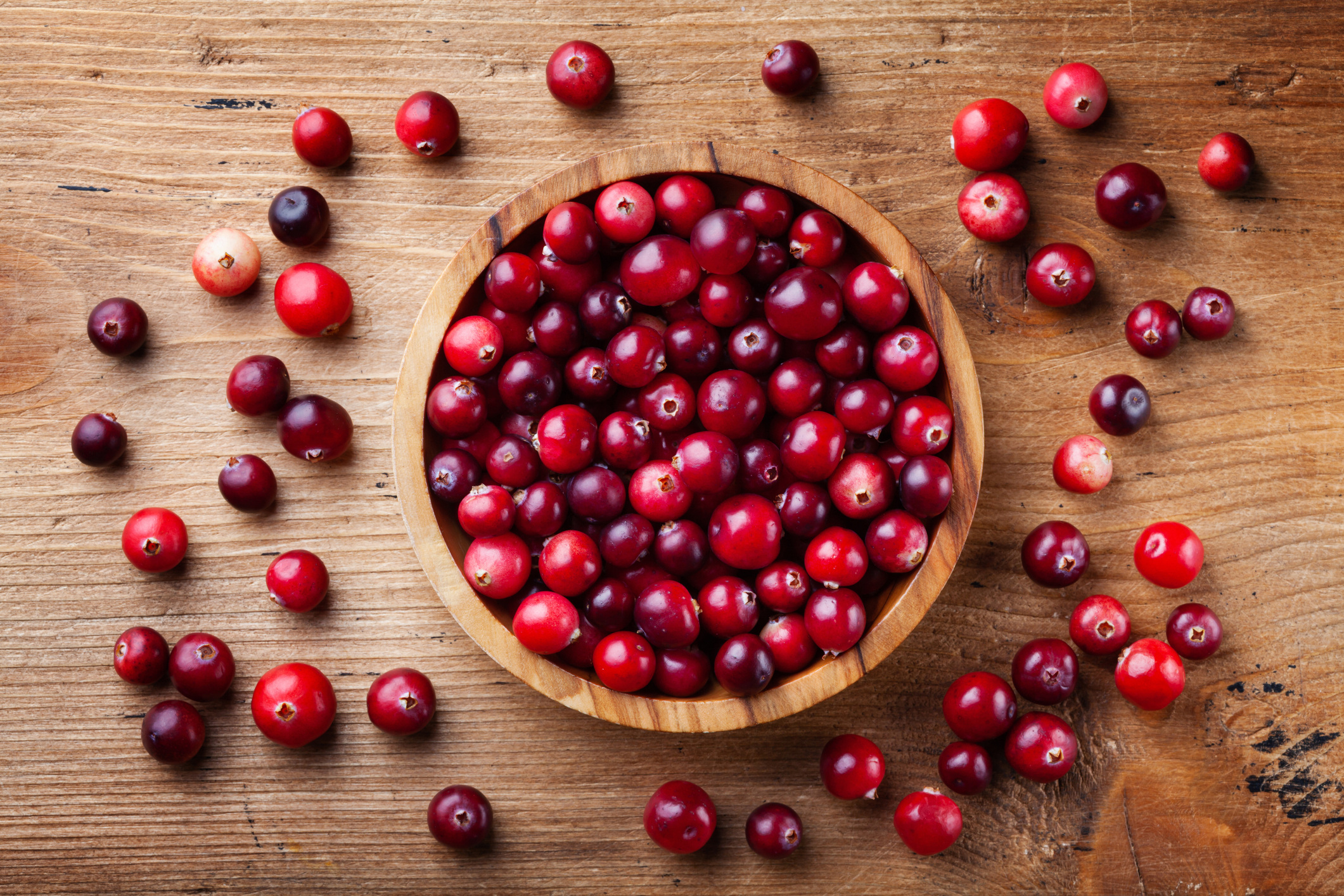
Results of a small human clinical trial recently published in NPJ Biofilms and Microbiomes indicate that short-term use of cranberry extract has a bifidogenic effect and increases the abundance of butyrate-producing bacteria, the first study to report on cranberry-induced microbiome changes. This study was done both to characterize the specific polyphenols and oligosaccharides found within…
-
The Connection Between Libido, Sleep & the Microbiome

Mounting research suggests a bidirectional relationship among sexual desire, sufficient sleep and the composition of the gut microbiome. Results from a 2022 review study demonstrate that abnormal sleep patterns affect composition, diversity, and function of the gut microbiome via the brain-gut-microbiota axis (BGMA). The researchers highlight that the quality of the microbiome is also significant…
-
Depression & the Microbiome

Results of a small pilot study published in May 2023 in Neuroscience explored connections between the gut microbiome and depression among young adults. Shotgun metagenomic sequencing was performed on stool samples from 40 young adults with major depressive disorder (MDD) and 42 healthy controls, with results controlled for multiple confounders, including demographics, alcohol or cigarette…
Shop Our Brands: