-
Gluten and Autoimmunity – Nothing New!

Documentation of autoimmunity, while coming to the forefront of research(1), goes back quite some time. Here, researchers report on a 15 year old boy affected by silent Celiac Disease (CD), abnormalities in glycoregulation with autoantibodies specific to type 1 diabetes mellitus (T1DM) (ICA: islet cell antibodies) and GAD 65 (autoantibodies against glutamic acid decarboxylase)(2). In…
-
B12 Deficiency Associated With Autism, Schizophrenia and Aging!

Researchers from Northeastern, Harvard, Nova Southeastern and Boston Universities discovered that vitamin B12 levels in the brain are much lower in those with autism or schizophrenia compared to their peers at similar ages, and the elderly. Researchers measured levels of cobalamin in postmortem human frontal cortex samples from 19 weeks fetal development through age 80…
-
Chromium for Type 2 Diabetes?

Although it has been suggested that chromium (Cr) has beneficial effects in type 2 diabetes (T2D), it has not been investigated at the population level. Researchers from Boston Children’s Hospital, Harvard Medical School, and Joslin Diabetes Center wished to examine the use and potential benefits of Cr supplementation in T2D using NHANES data. Diabetes was…
-
Essential fatty acid components may protect against pancreatitis:

A study, partially published in advance in Proceedings of the Nutrition Society, reports that fatty acid and phytochemical components found in fish oil and olive oil may affect or block the mechanisms involved in the progression of pancreatitis. The Spanish led study centered on the role that a Mediterranean diet plays in decreasing oxidative-inflammatoryprocesses. The…
-
Lactobacillus acidophilus, immune regulation and colitis!

Intestinal immune regulatory signals govern gut homeostasis and is tightly controlled by the interaction of gut microbial gene products with pattern recognition receptors. The breakdown of such regulatory mechanisms may result in inflammatory bowel disease (IBD). Lactobacillus acidophilus contains unique surface layer proteins (Slps), including SlpA, SlpB, SlpX and lipoteichoic acid (LTA), which interact with…
-
Vitamin D for Multiple Sclerosis?

Researchers wishing to evaluate the safety profile and characterize the immunologic effects of high dose vs low dose cholecalciferol (vitamin D3) supplementation in patients with MS, conducted a double-blind, randomized study of 40 patients with relapsing-remitting MS. Patients received 10,400 IU or 800 IU of D3 daily for 6 months. Assessments were conducted at baseline,…
-
Vitamin D, Chronic Pain and Hypersensitivity:

Researchers from Bern University Hospital and the University of Bern in Switzerland studied 174 patients with chronic pain. Serum 25(OH)D measurements revealed 71% of patients were vitamin D deficient with 25(OH)D levels <50 nmol/L); another 21% had insufficient vitamin D levels with 25(OH)D <75 nmol/L. Researchers found a significant inverse association between continuously scaled 25(OH)D…
-
Vitamin D and Metastatic Colorectal Cancer Survival!

Prospective epidemiologic data suggests higher levels of vitamin D are associated with improved survival in patients with colorectal cancer (CRC), however the relationship between 25(OH)D (vitamin D status) and outcome in metastatic CRC specifically is unknown. Researchers prospectively assessed the association between plasma 25(OH)D and overall survival (OS) in previously untreated metastatic CRC patients enrolled…
-
Niacin for Parkinson’s Disease?

Anecdotal animal and human studies have implicated the symptomatic and neuroprotective roles of niacin in Parkinson’s disease (PD). Niacin has a high affinity for GPR109A, an anti-inflammatory receptor. Researchers hypothesize that GPR109A message and expression are up-regulated in individuals with PD. Niacin is a precursor for NDA-NADH which is needed for dopamine production, therefor niacin…
-
Zinc deficiency linked to systemic inflammation and chronic disease!
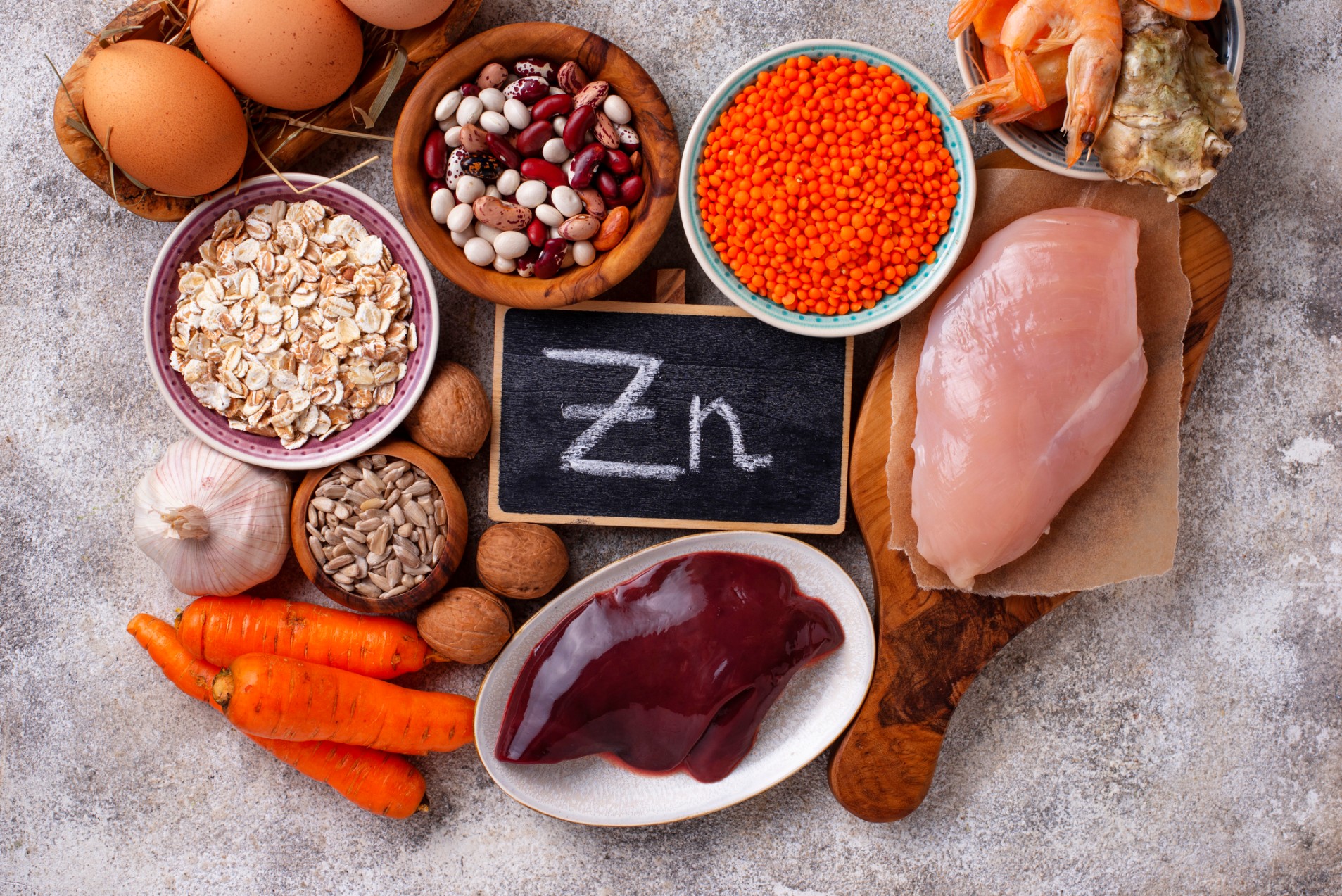
A recent study helps explain how zinc deficiency impacts chronic diseases including cardiovascular disease, diabetes, autism and cancers including prostate, lung, ovarian and breast cancer. Zinc status is especially important for seniors, 40% of whom do not consume enough zinc, and their bodies do not appear to use or absorb zinc efficiently. In one study…
Shop Our Brands: