
-
L-Theanine Assists the Transition From Waking to Sleeping

The physiological process of falling asleep does not happen “in a moment.” It is a gradual transition that involves moving from an alert mental state, characterized by beta brain waves, to a relaxed one, signified by alpha brain waves, until finally entering the theta waves of light sleep. Several human clinical studies have shown that…
-
Deep Sleep Optimizes the Glymphatic System
It wasn’t very long ago that scientists discovered a mechanism for the brain to remove toxins, called the glymphatic system, and now can link its efficiency to the quality of sleep. The glymphatic system behaves much the same way as the lymphatic system but is managed by glial cells in the brain. Cerebrospinal fluid (CSF)…
-
Broken Sleep May Harm Blood Vessels
New research has revealed a potential connection between broken sleep and cardiovascular damage. The animal study, which was performed on mice, involved moving a bar across the bottom of the animals’ cages while they were sleeping. These mice were tested against normal mice who were allowed to sleep normally. The sleep fragmentation treatment reduced the mice’s…
-
Sleep and DNA Methylation
A recent study led by Jonathan Cedernaes and researchers at Uppsala University reported that the consequences of acute sleep loss on weight gain are more than being hungry and making poor food choices. They demonstrated “how” sleep loss, shift work or sleep disturbances influence the epigenome and gene expression through DNA methylation. Numerous studies suggest…
-
Effects of Sleep Loss on Weight Gain
For a number of reasons, sleep loss has been associated with weight gain whether it’s because of an increase in appetite due to hormonal imbalances or craving sugar-laden products to stay awake. Few studies, however, have focused on underlying tissue-specific molecular responses to acute sleep loss. In a recent study, adipose and skeletal tissues were…
-
For Better Sleep, Turn Off the Blue Light

Causes for sleep disorders are many, and may include issues such as chronic pain, stress, shift work, jet lag or nocturia. Not planning for sleep, drinking too much caffeine or alcohol, or eating too close to bedtime can also contribute to not getting enough sleep; so may something as seemingly harmless as returning a text…
-
Botanicals for a Better Sleep

Imagine waking up fully rested, ready to tackle any challenge and embrace all the pleasures of the world with gratitude. We all know what a good night’s sleep feels like, but how often do we get it? In this hectic, hyper-stimulated, nerve-wracking world, it is challenging to create a sleep routine that our bodies and…
-
Do Sleep Meds Keep You Up at Night?
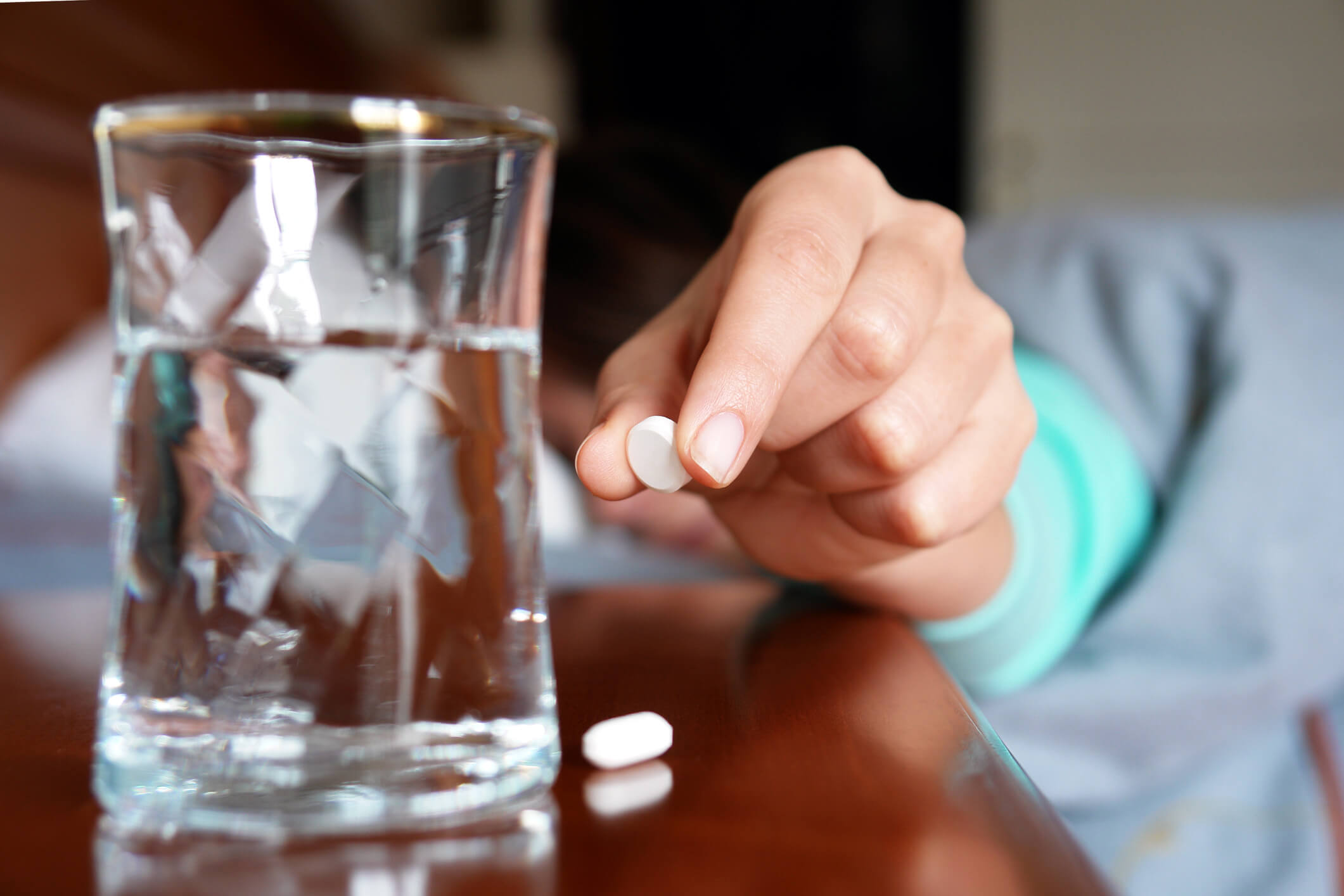
More than 50% of Americans complain they cannot sleep, and 37 percent of those polled in a Consumer Reports survey claimed they had used some type of sleep aid in the past year. Insomnia, a real problem, accounts for about 5.5 million medical visits each year.
-
Sleep: Your Night Job

Any health news junkie can see that the importance of sleep has come to center stage. Our collective interest in this shut-eye time grew when studies started linking a lack of sleep to obesity. Ghrelin, an appetite regulatory hormone, became known as the “carb gremlin” with nutritionists reminding us that fewer hours of sleep resulted…
-
Sleep, Detox for the Brain
As if we needed another reason to get enough sleep! A hot-off-the-press study entitled, “β-Amyloid accumulation in the human brain after one night of sleep deprivation,” recently appeared in PNAS (Proceedings of the National Academy of Sciences). Although there have been previous studies demonstrating a higher β-Amyloid (Aβ) accumulation with chronic less sleep, and the…
Shop Our Brands: