-
Sleep, the Lymphatic System & the CNS

The lymphatic system plays a crucial role in maintaining homeostasis within the body, with an emerging body of research underscoring its role in supporting the central nervous system (CNS). The glymphatic system has further been recognized as being pivotal to these functions, as demonstrated by a 2024 study published in Communications Biology. Composed of lymphatic…
-
Fertility & Sleep
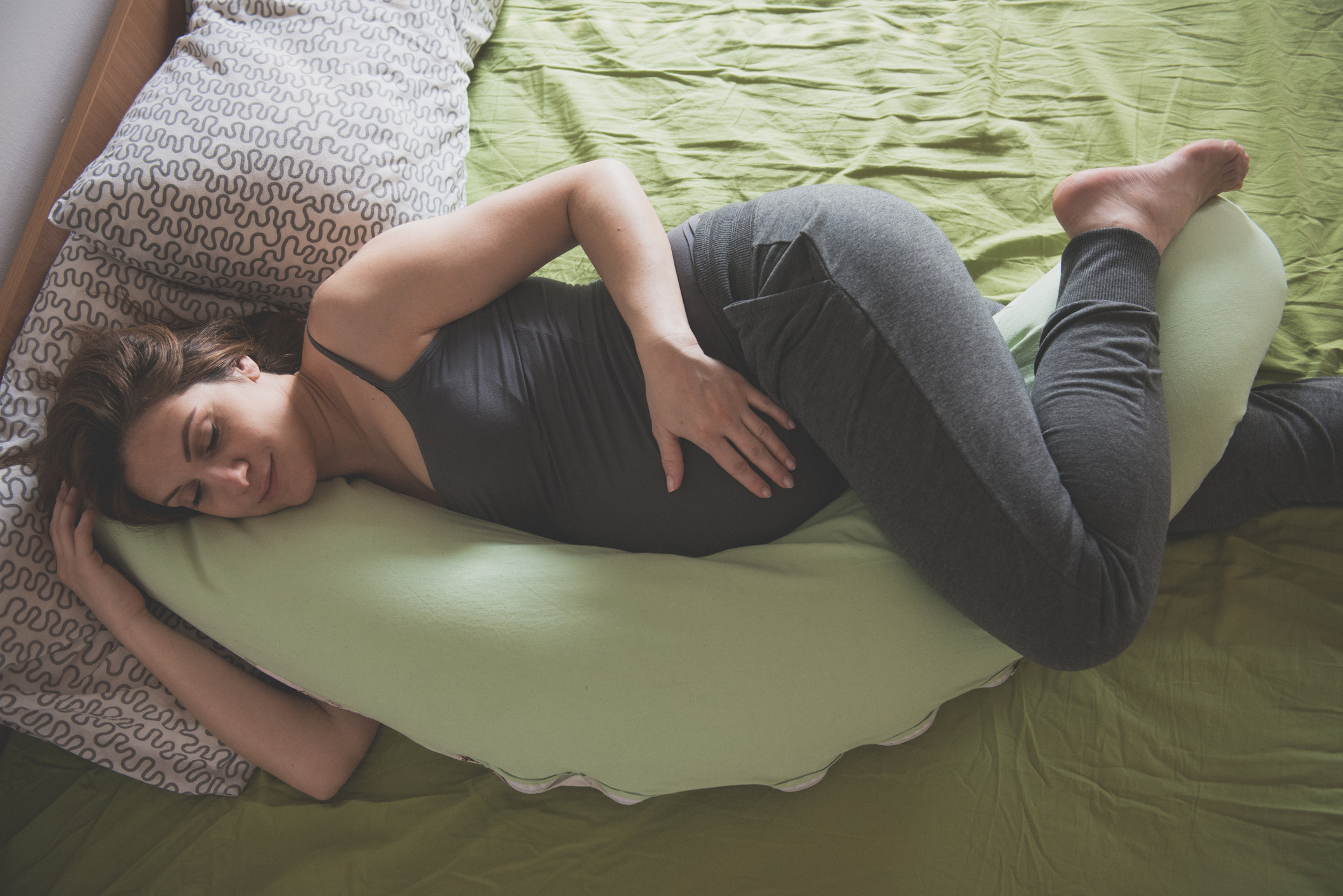
As reviewed in a previous blog, infertility is a growing global problem, with record low fertility rates reported in the U.S. While there are a number of contributing factors, perhaps most notably exposure to environmental toxins, a systematic review published in BMC Women’s Health examined the association between poor sleep and infertility in women. Nineteen…
-
Sleep Apnea & Vitamin D
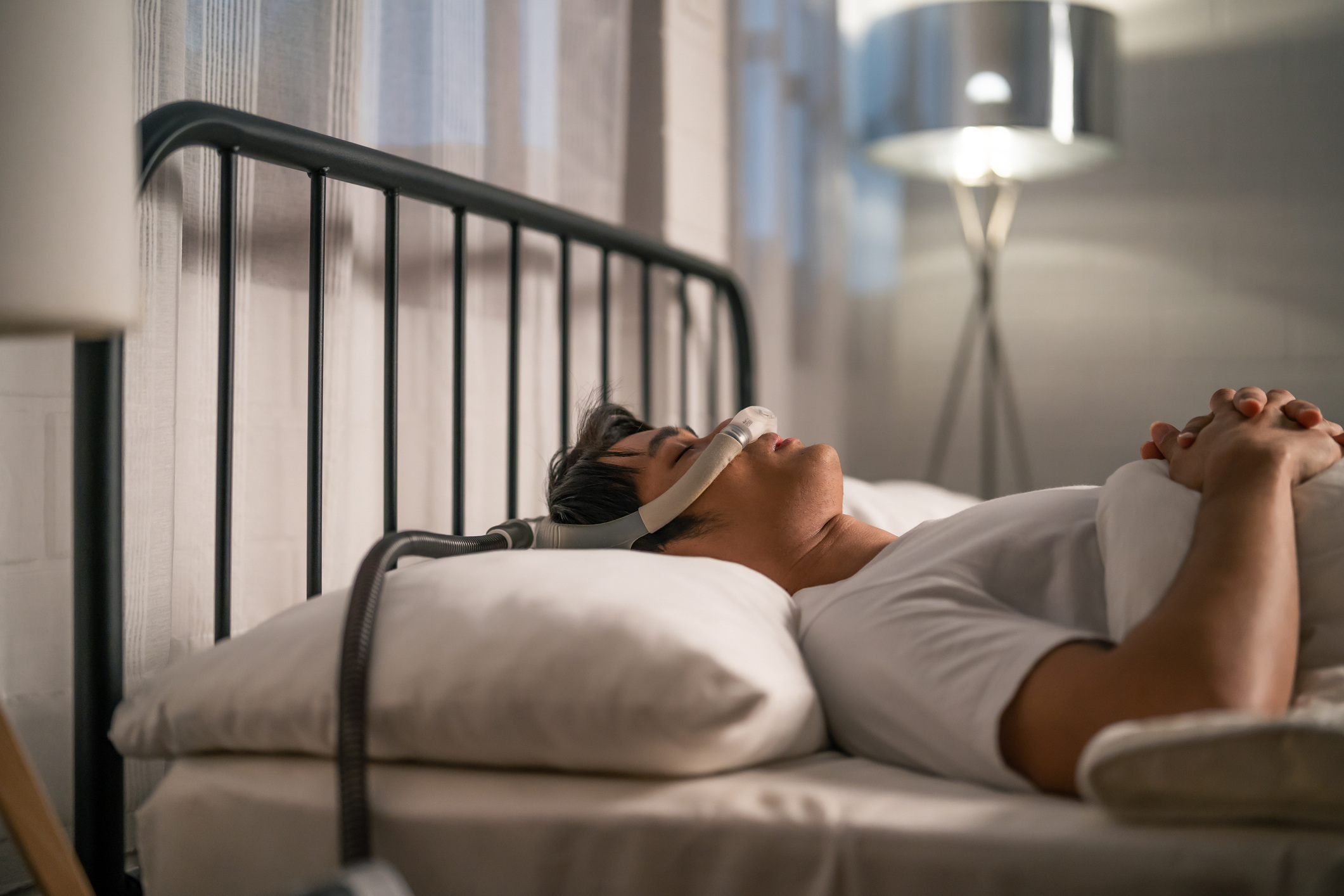
A systematic review and meta-analysis published in Sleep & Breathing evaluated the association between serum levels of 25-hydroxyvitamin D (25OHD) and obstructive sleep apnea syndrome (OSAS). Twenty-four studies were found eligible for this review, including 15 case-control studies and 9 cross-sectional studies, involving a total of 2640 people with OSAS and 933 healthy participants (controls)…
-
Sleep Apnea & Memory

Results of a study published May 2024 in Alzheimer’s Research & Therapy indicate an association between sleep apnea severity, particularly during REM sleep, and poorer performance on specific memory indices among participants at greater risk for Alzheimer’s disease (AD). While associations between impaired sleep and neurodegenerative conditions have previously been established, this study sheds light…
-
Sleep & Diabetes Risk

JAMA Network Open recently published the results of a large cohort study that assessed the influence of sleep duration on diabetes type 2 risk, as well as any potential modification of that risk by dietary habits. A previous meta-analysis published in Diabetes Care reported that 7-8 hours of sleep is associated with the lowest risk…
-
The Connection Between Libido, Sleep & the Microbiome

Mounting research suggests a bidirectional relationship among sexual desire, sufficient sleep and the composition of the gut microbiome. Results from a 2022 review study demonstrate that abnormal sleep patterns affect composition, diversity, and function of the gut microbiome via the brain-gut-microbiota axis (BGMA). The researchers highlight that the quality of the microbiome is also significant…
-
Cannabinoids & Sleep

Results of a randomized and double-blind controlled trial evaluating the effect of the non-psychoactive cannabinoid, cannabidiol, on sleep, mental health, and immune function were recently published in Nutrients. In this 8-week trial, 28 healthy college-age participants (median age of 25.9) received either 50mg cannabidiol or a calorie-matched placebo (consisting of medium chain triglycerides), taken 1…
-
Sleep & Dementia
The substantial associations between sleep and dementia continue to mount, with considerable evidence suggesting that deficits in sleep duration may be linked to a greater risk for dementia. Results of a large observational study recently published in Neurology indicate that sleep irregularity, independent of duration, may also be a risk factor.
-
Melatonin & the Stress Response
Acute or chronic stress can trigger an overactive sympathetic nervous system, resulting in high oxidative stress. The immune system functions at its best in the parasympathetic state so when it switches to a sympathetic state, the body is vulnerable to disease. Chronic release of hormones such as cortisol, catecholamines and neuropeptides due to stress also…
-
Sleep, Exercise & Cognitive Function
The results of a 10-year longitudinal study were recently published in The Lancet Healthy Longevity, detailing the associations between the cognitive trajectories of healthy adults and both sleep and physical activity. Nearly 9,000 participants between the ages of 50-95, part of the English Longitudinal Study of Ageing (ELSA), were followed every 2 years and self-reported…
Shop Our Brands: