
-
Personalized Nutrition for Weight Loss?

Results of a randomized clinical trial were recently published in Nature Communications, describing the outcome of either a high-carbohydrate or high-fat diet on weight loss, when stratified by predictive single nucleotide polymorphisms (SNPs). The hypothesis behind this study was that people with SNPs optimized to lose more weight while consuming a high-fat diet, termed “fat-responders,”…
-
SIBO & IMO – Breath Testing Review
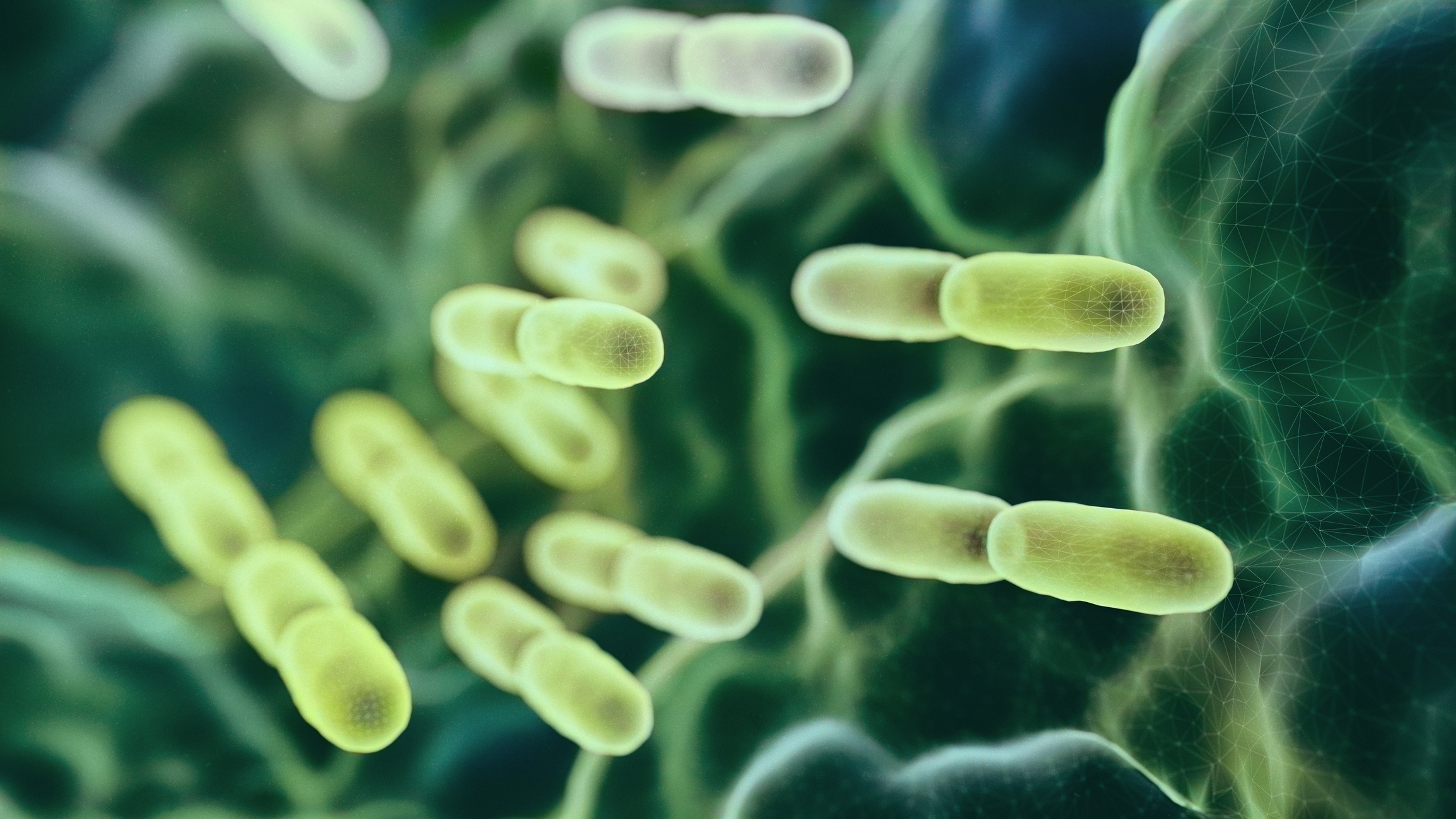
A review written by physicians from Cedars-Sinai Medical Center and recently published in Gastroenterology & Hepatology describes the clinical utility of breath testing for the diagnosis and treatment of both small intestinal bacterial overgrowth (SIBO) and intestinal methanogen overgrowth (IMO). Once lumped together under the SIBO umbrella, IMO was first proposed to be a distinct…
-
Parkinson’s, the Gut & Pesticides

A growing body of evidence suggests that gastrointestinal (GI) dysfunction, particularly in the enteric nervous system (ENS) which innervates the GI tract, may play an etiological role in the development of Parkinson’s disease (PD), at least in some cases, coined as the so-called “bottom’s up” vs. “top-down” progression/origin of the disease, and sometimes termed Braak’s…
-
Spice Up Your Microbial Health
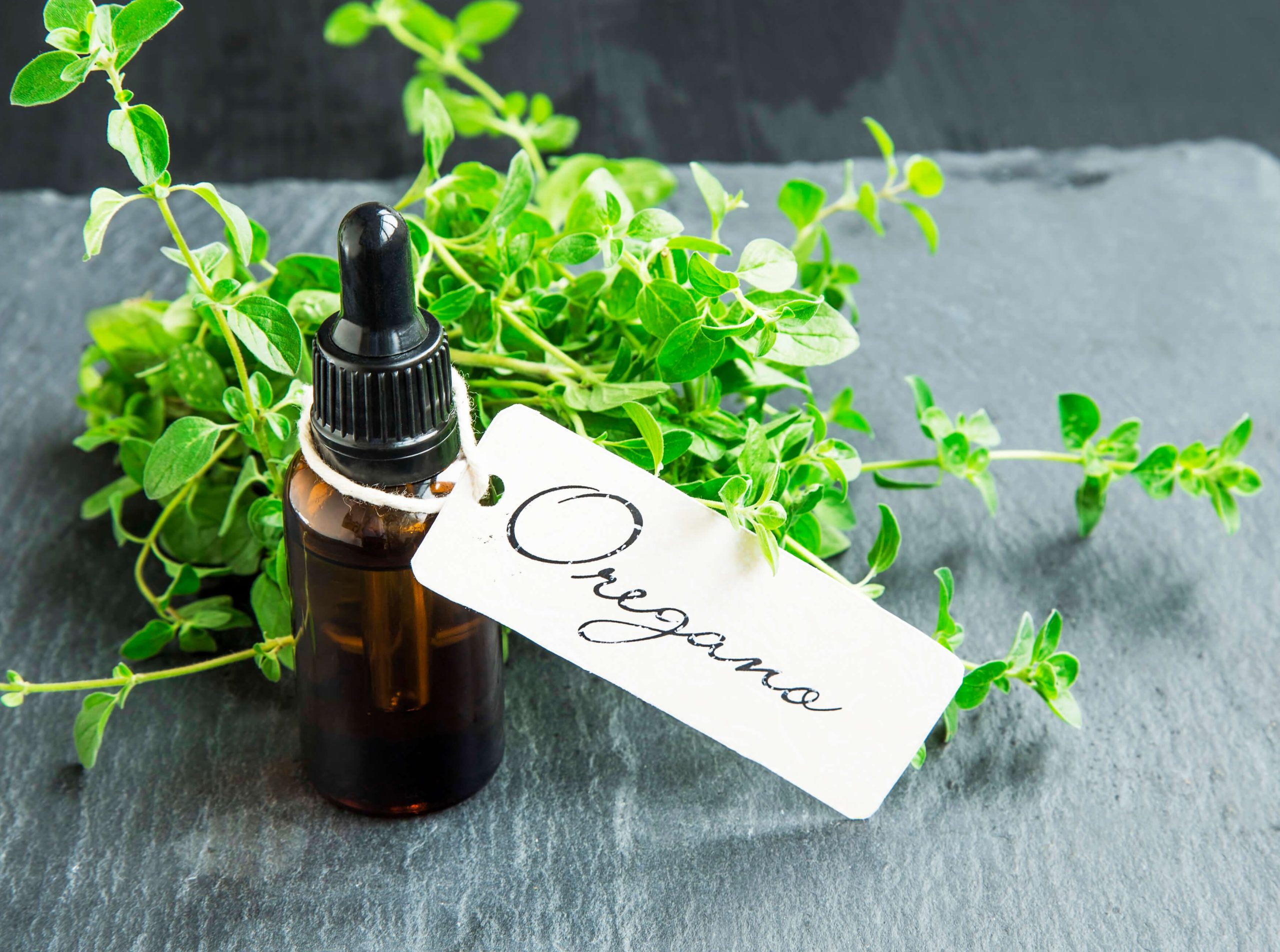
Among the many herbs and spices used to foster gut health is oregano. Derived from the Greek words “oros” (meaning mountain) and “ganos” (meaning joy), oregano was supposedly grown by the Greek goddess Aphrodite as a symbol of joy. Most known for its aromatic use in culinary dishes, oregano also has a history of medicinal…
-
Food Order & Glycemic Control

In a controlled trial published in Nutrients (Oct 2023), the effect of altering the order in which foods are eaten on glucose tolerance (GT), HbA1c, weight, and nutrient intake was evaluated in a group of 45 adults with overweight/obesity and prediabetes. Specifically, researchers at Weill Cornell Medicine provided standard nutritional counseling to the control group,…
-
Phenotypic Flexibility & Weight Loss

Results of a randomized and controlled trial describing the results of weight loss on insulin sensitivity as well as other markers of metabolism and body composition were recently published in the American Journal of Clinical Nutrition (AJCN). The primary objective of this study was to evaluate the effects of weight loss on phenotypic flexibility, here…
-
Melatonin & the Stress Response

Acute or chronic stress can trigger an overactive sympathetic nervous system, resulting in high oxidative stress. The immune system functions at its best in the parasympathetic state so when it switches to a sympathetic state, the body is vulnerable to disease. Chronic release of hormones such as cortisol, catecholamines and neuropeptides due to stress also…
-
Probiotics & Depression

JAMA Psychiatry recently published the results of a small randomized clinical trial evaluating the use of probiotics as an adjunctive treatment for inadequately controlled depression. Set in London, 50 outpatients with a primary diagnosis of major depressive disorder (MDD) and a Hamilton Depression Rating Scale (HAMD-17) score greater than 13 (indicating at least mild depression)…
-
Artificially Sweetened Beverages: An Umbrella Review

Advances in Nutrition recently published an umbrella review, a sweeping analysis that included 11 reports of 7 unique systematic reviews, evaluating the relationship between artificially-sweetened beverage (ASB) consumption and thirteen distinct health outcomes, including cardiovascular disease and diabetes. This more comprehensive review was undertaken in large part because of mixed findings with previously published systematic…
-
Astragalus: The King of Herbs

Astragalus, also known as Milkvetch or huáng qí in Chinese, is an herb that has been used for hundreds of years, with its roots in traditional Chinese medicine. One of the few all-purpose herbs used, it is believed to support a wide array of biological functions.
Shop Our Brands: