
-
Omega-3s & Lupus (SLE)

Results of a double-blind randomized and placebo-controlled trial evaluating the use of omega-3 fatty acid supplementation among people with systemic lupus erythematosus (SLE) were recently published in Lupus Science & Medicine. 78 adults (97% women) with active SLE were randomized to receive either control (vegetable oil, including olive, palm kernel, and corn oil) or 4…
-
Omega-3s & Neuronal Integrity
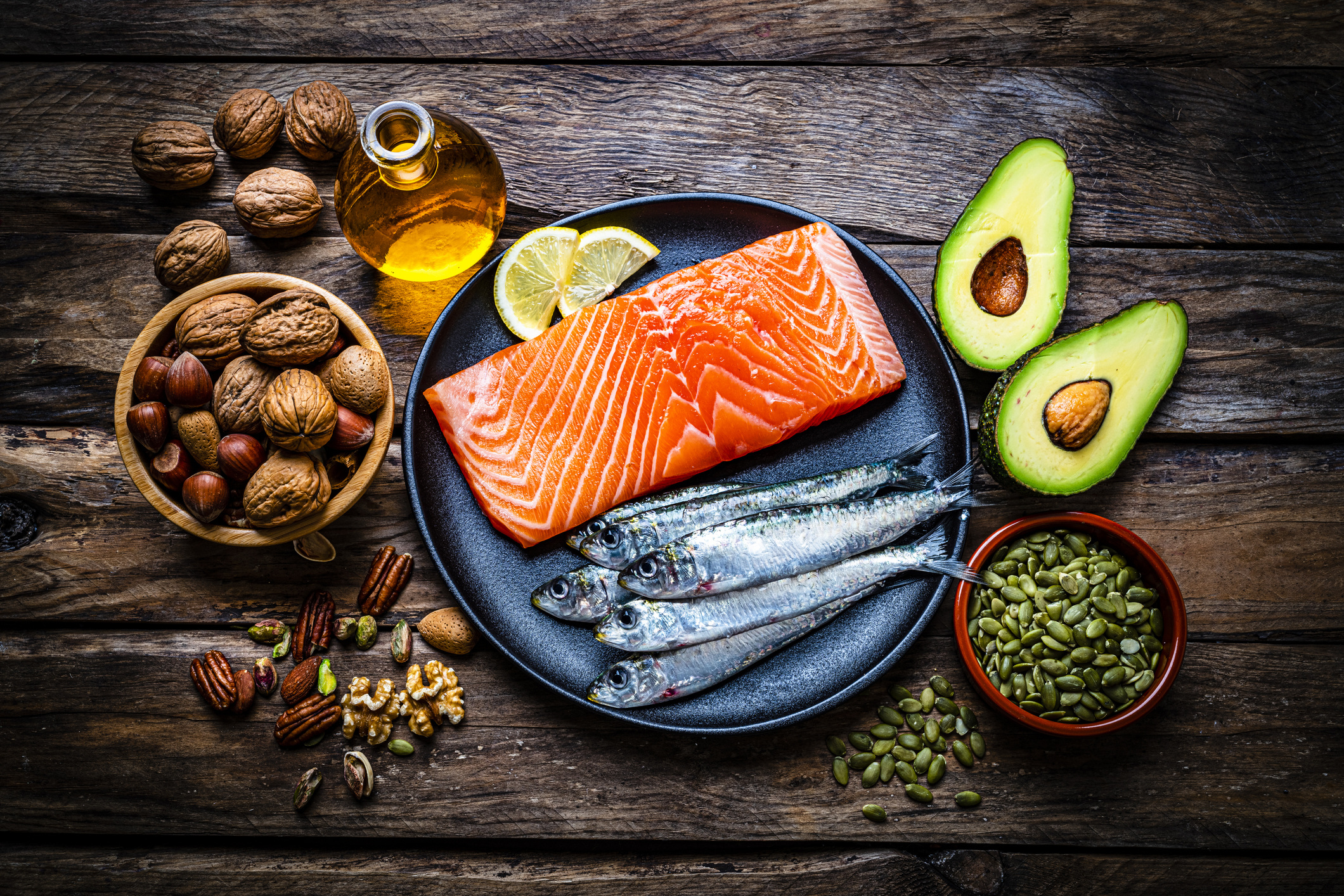
JAMA Network Open has just published the results of a randomized and quadruple-blinded clinical trial conducted at the Oregon Health & Science University, evaluating the use of omega-3 supplementation on the progression of white matter lesions (WMLs) and neuronal integrity breakdown among older adults. One-hundred and two participants aged 75 or older were included as…
-
Omega-3s & Pregnancy

A report on the intake of fish and omega-3 fatty acids among pregnant women in the U.S. was recently published in Public Health Nutrition. This analysis included 23 cohorts that provided data on fish consumption and 35 cohorts with data on supplement use, together comprising the Environmental Influences on Child Health Outcomes (ECHO) consortium.
-
Genetics, Omega-3s & Serum Lipids
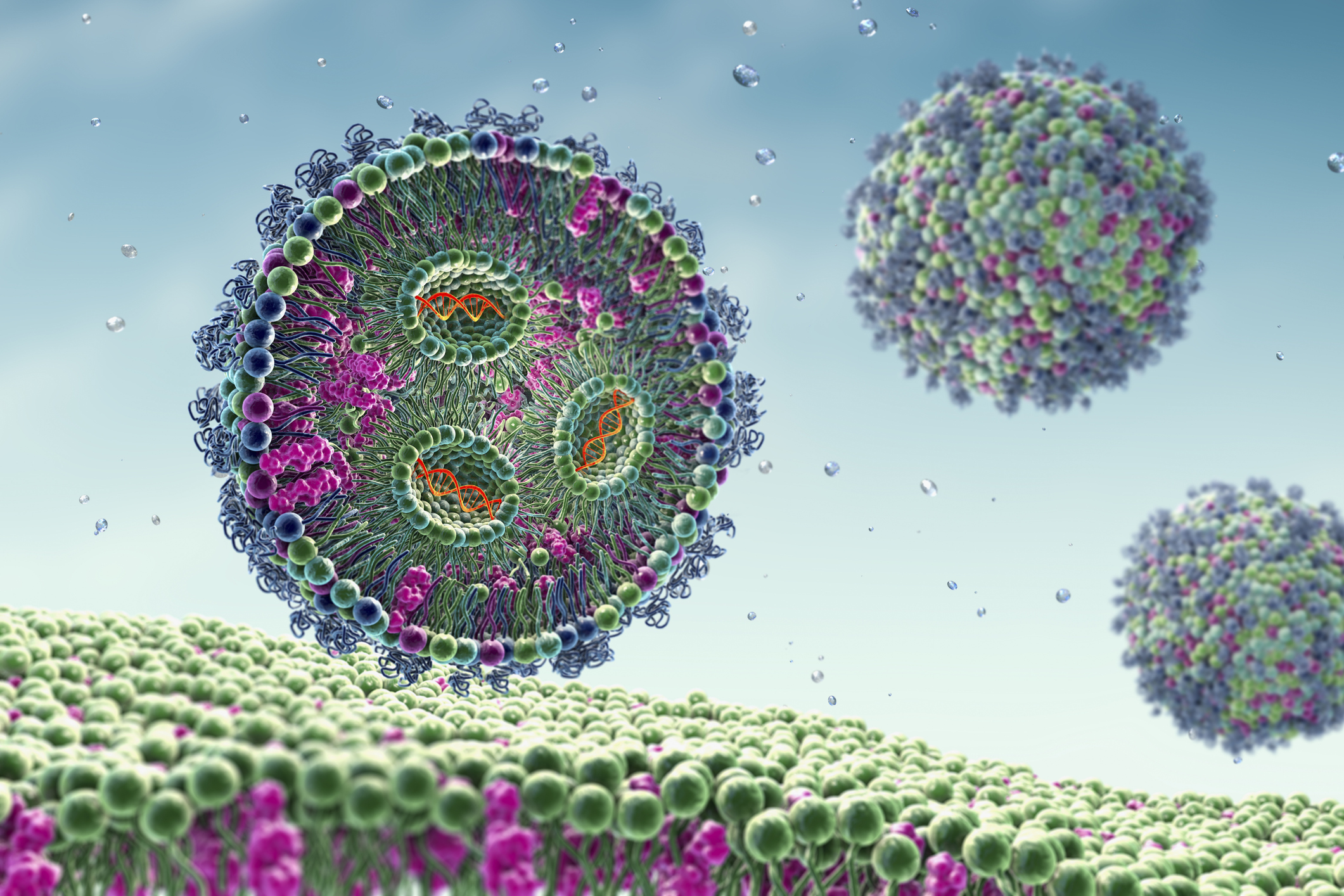
The effect of omega-3 fatty acid supplementation on serum lipids and other cardiovascular risk markers, with results stratified by PPARG genotype, were recently determined in a randomized and double-blinded placebo-controlled clinical trial published in Nutrients. One hundred and two adults between the ages of 40 to 75 with an LDL-C between 70 and 190 mg/dL…
-
Tiny Seed, Big Health Benefits
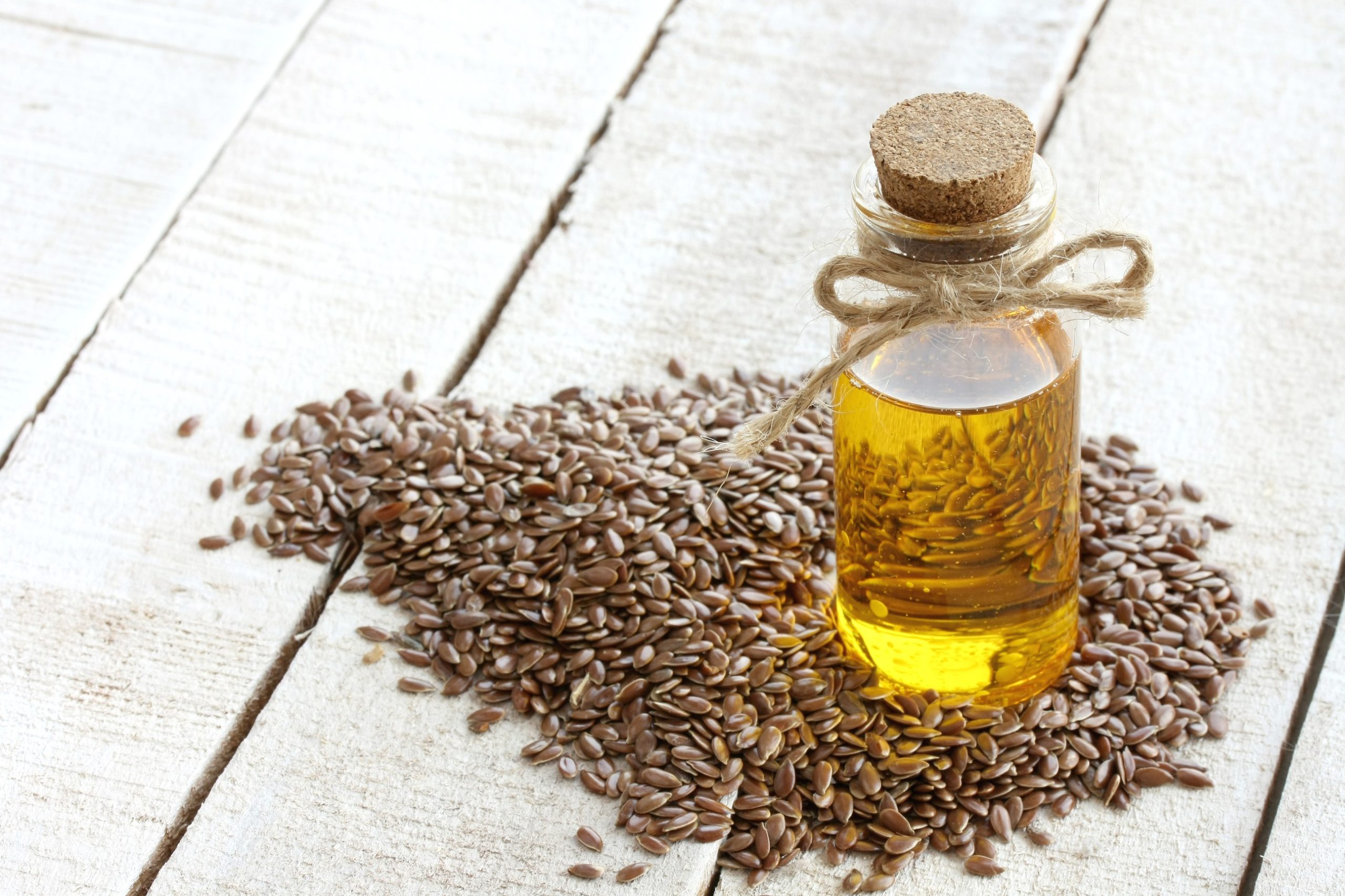
Flaxseed, known as a vegetarian source of omega-3 fatty acids, may also have the added benefit of promoting hormonal health. Although phytoestrogens are similar to estrogen, their role is not completely understood as having a positive or negative influence on women’s hormonal health, particularly those with a history of hormone-linked cancers. However, for women with…
-
Omega-3s & Blood Pressure
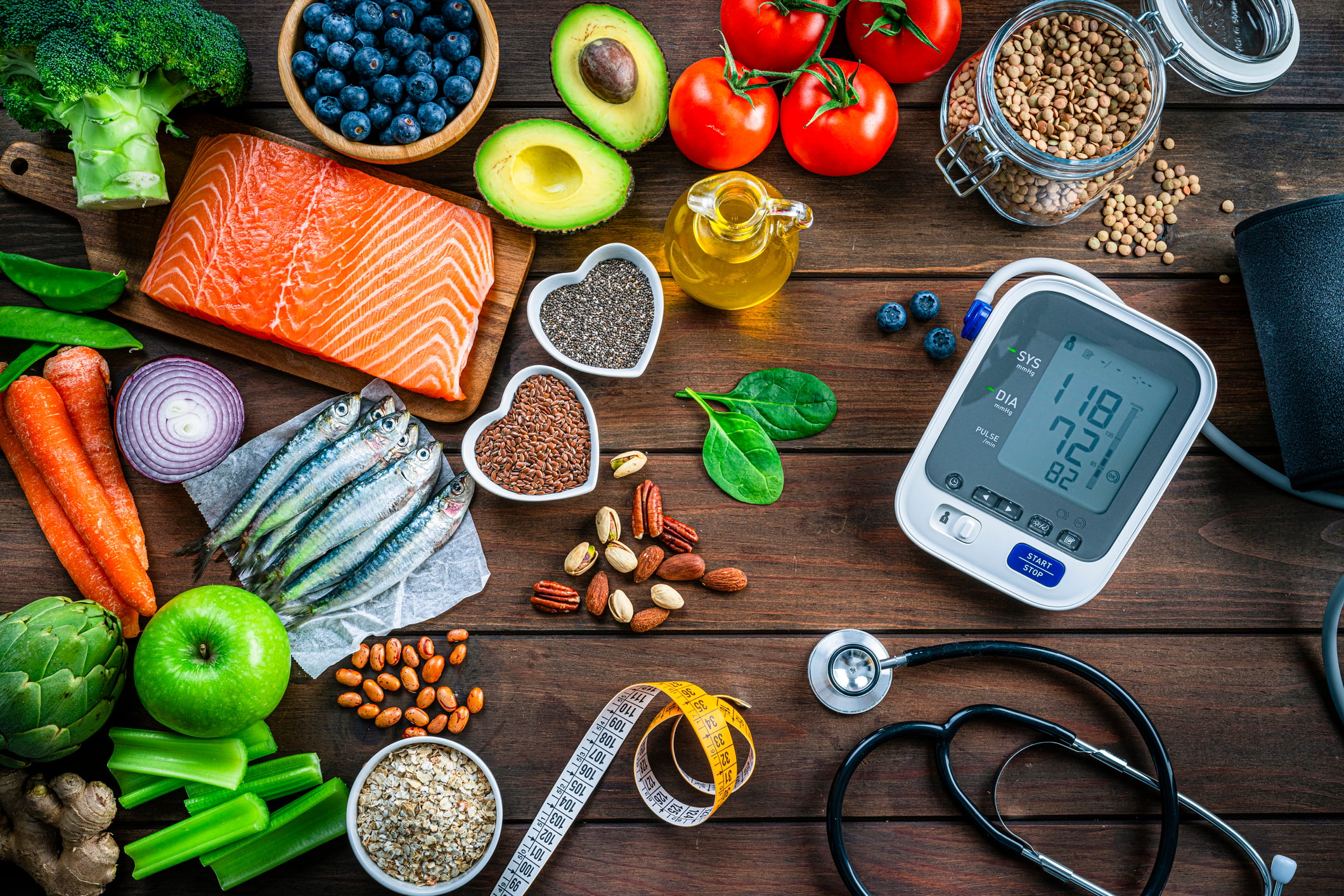
A dose-response meta-analysis of randomized controlled trials on omega-3 polyunsaturated fatty acids (PUFAs) and blood pressure (BP) has shown that specific doses of around 3 grams are optimal for lowering blood pressure in the general population.
-
Omega-3s & Blood Pressure

A meta-analysis describing the dosing relationship between omega-3 fatty acid supplementation and blood pressure was recently published in the Journal of the American Heart Association. A systematic literature search yielded 71 eligible randomized controlled trials included in the analysis, with an overall sample size of nearly 5,000 participants aged 22 to 86. Seventy-nine percent of…
-
The Synergy of B Vitamins & Omega-3s

One key to optimizing nutrition is the fact that many nutrients work best in conjunction with other vitamins. A good example of this phenomenon is non-heme iron and vitamin C. For the body to absorb non-heme iron from plant-based foods it requires sufficient amounts of vitamin C.
-
How Omega-3s Optimize Mental Health

Both brain-derived neurotrophic factor (BDNF) and omega-3 fatty acids have powerful health-promoting effects on the brain, boosting cognition and overall mental health. ALA (α-linolenic acid) can be considered the “parent” fatty acid as the body converts ALA into EPA (eicosapentaenoic acid), and subsequently DHA (docosahexaenoic acid), in the liver. Not only are humans not particularly…
-
3 Reasons Why DHA is Important for Kids

As more and more baby boomers enter their senior years, suggestions on how to improve neurological health seem to be gaining in popularity. With this recent surge of interest in optimizing brain health, we may lose sight of its relevance in children. Yes, aging adults may experience a decline in cognition, memory and learning, but…
Shop Our Brands: