-
Polyphenols & Longevity

For the first time, a study has associated high polyphenol consumption with a 30% reduction in mortality in older adults using a novel urinary biomarker for polyphenol intake.
-
Antibiotics & Vaccine Antibodies
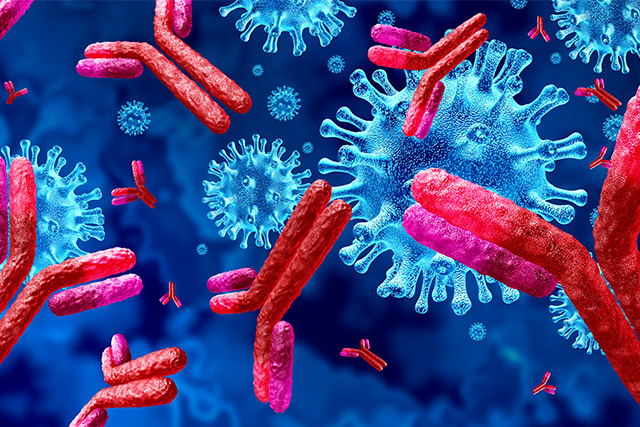
The results of a prospective cohort trial following children between the ages of 6 months and 2 years were recently published in Pediatrics, the journal of the American Academy of Pediatrics. This study followed nearly 600 children and reported a negative association between vaccine-induced antibody levels and antibiotic use. Among children receiving regular childhood vaccines,…
-
UTIs, Antibiotics & Gut Microbiome

In a study recently published in Nature Microbiology, a longitudinal multi-omics analysis was reported for women with a history of recurrent UTIs (n=15) compared to healthy controls (n=16). In this one-year study, all participants provided monthly fecal samples (fecal, urine, and plasma samples were collected at study onset), with additional samples collected during and after…
-
Calorie Restriction & Aging

Researchers from the Yale Center for Research on Aging recently published a paper in Science detailing results of a 2-year calorie restriction trial in humans, as well as subsequent animal data which followed up on their findings. A subset of participants in the CALERIE trial (Comprehensive Assessment of Long-term Effects of Reducing Intake of Energy)…
-
Cannabinoids & the Skin

Recent research has found that cannabinoids’ ability to help modulate the body’s natural inflammatory response may be behind their usefulness for a wide range of skin issues. At the time of writing, 28 states allow comprehensive medical cannabis programs and 1 in 10 adults who use cannabis in America use it for medical reasons. Topical…
-
Cognition & Bacteriophages

A recent study has uncovered that higher levels of the bacteriophage Caudovirales may improve cognition, specifically verbal memory and executive function.
-
Childhood Risk Factors for Adult Cardiovascular Events

An analysis of data collected from the International Childhood Cardiovascular Cohorts (i3C) Consortium was recently published in the New England Journal of Medicine, detailing the results of a remarkable study spanning a mean 35 years of follow-up for nearly 40,000 participants. The i3C includes seven cohorts from the US, Finland, and Australia, comprised of children…
-
Late Night Eating & Glucose Tolerance

The results of a randomized crossover trial were recently published in Diabetes Care, describing the effects of either an early or late “meal” on glucose tolerance. Nearly 900 Spanish adults (that normally have dinner later in the evening) had two oral glucose tolerance tests (OGTT, 2-hour); one conducted 4 hours prior to habitual dinnertime, designed…
-
Caution Combining SGLT-2 Meds & Low Carb Diets

A recent case report of ketoacidosis in an individual taking a sodium-glucose cotransporter-2 inhibitor (SGLT2i) medication while following a ketogenic diet highlights the possibility for developing ketoacidosis when these two therapies are combined. As explained in a previous article, nutritional ketosis induced via a very low carbohydrate intake is different from diabetic ketoacidosis. However, practitioners…
-
Widespread Lead Exposure in US

An estimate of the number of people in the US alive in 2015 that were impacted by lead exposure was recently published in PNAS. Using data from NHANES, estimates based upon leaded gasoline consumption (the chief source of lead exposure between the 1940s and 1980s), and accepted models of IQ loss due to lead exposure,…
Shop Our Brands: