-
Melatonin – Not Just for Sleep
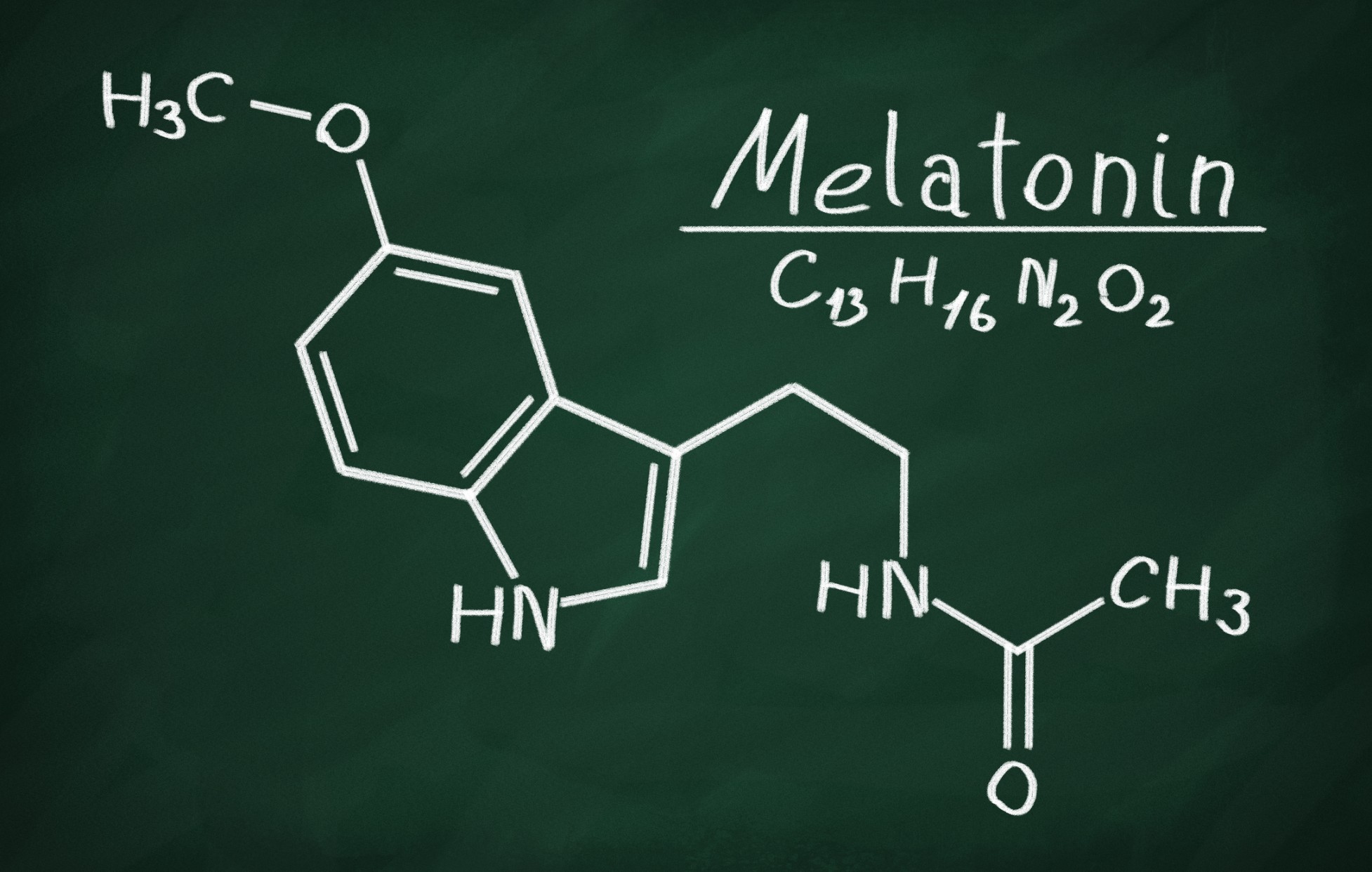
We understand melatonin helps with sleep, but in a recent analysis of eight randomized controlled trials, melatonin supplementation was found to improve blood lipid status. Using a meta-analysis approach, a “significant association between melatonin supplementation and a reduction in triglycerides (WMD: −31.54 mg/dL, 95% CI: −50.71, −12.38, p = 0.001) and total cholesterol levels (WMD:…
-
Gut Microbiota Influencing Obesity
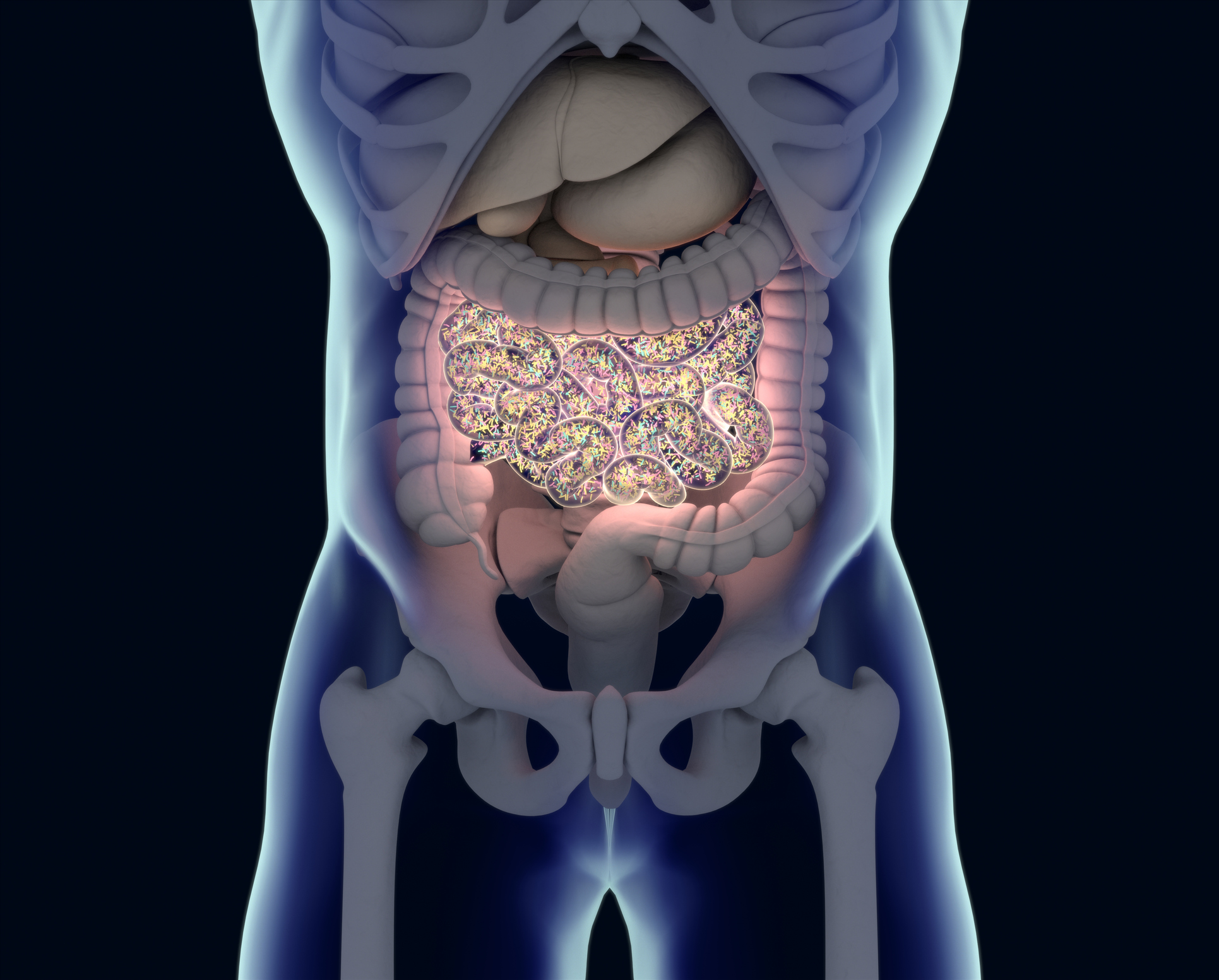
Polyphenols may generate numerous health benefits by modulating the gut microbiota (GM). Phytochemicals that can influence GM have recently been studied as adjuvants to support healthy weight and inflammatory response. These phytochemicals include polyphenols and their derivatives, carotenoids, and thiosulfates, which were “further sub-classified into four main groups: flavonoids (including eight subgroups), phenolic acids (such…
-
Migraine and Cardiovascular Risk
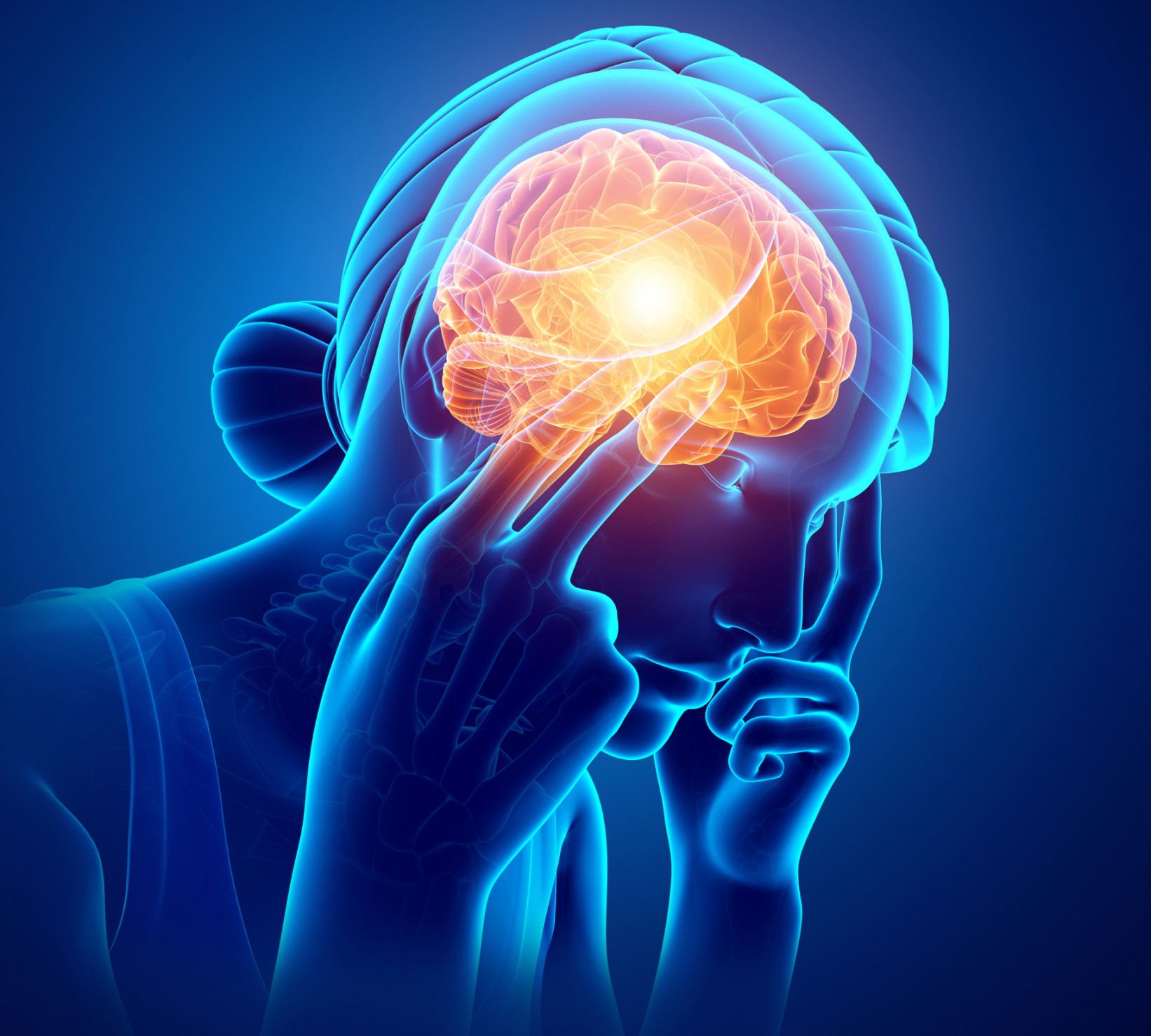
According to the Headache Classification Committee of the International Headache Society,[1] migraine affects nearly 15% of the population or about one billion people worldwide. In a general population cohort, performed by Adelborg K, et al., various risk factors in patients with migraine headaches were assessed. These included myocardial infarction, stroke (ischaemic and haemorrhagic), peripheral artery…
-
Folate Deficiency Associated with Gene Modulation

Folate deficiency has been associated with the onset of varied metabolic abnormalities, “including insulin resistance, by altering epigenetic processes on key regulatory genes,” such as the calcium/calmodulin-dependent protein kinase kinase 2 (CAMKK2). CAMKK2 is part of the calcium-triggered signaling cascade, and influences obesity and glucose metabolism.
-
Vitamin D and the Flu

Utilizing a randomized, open, controlled clinical trial, a study was performed to “evaluate the clinical efficacy and safety of vitamin D” for the prevention of influenza A in infants. Infants were randomized to low-dose or high-dose vitamin D, for four months, with 200 infants in each group. Influenza A was observed in 78 cases of…
-
Enhanced Cognition with Vitamin D
Vitamin D has proven to be a champion of cognitive health in a recent study assessing healthy adults who possessed a baseline vitamin D of ≤ 100nmol/L, and located in British Columbia, Canada (54˚ North Latitude).
-
Ginkgo Biloba Extract Improves Both Cognitive and Neurological Functions Following Stroke

Ginkgo biloba has a long history of use in China “as a traditional herb for memory, depression, tinnitus and confusion.” In this randomized, controlled trial, Ginkgo biloba was demonstrated to improve both cognitive and neurological functions following acute ischemic stroke. Within seven days of the onset of acute ischemic stroke, patients from five hospitals in…
-
Ashwagandha is Beneficial in Alleviating Cognitive Dysfunction

In the obese individual, cognitive disturbances, including problem solving, working memory, and neuro-muscular coordination, have been demonstrated to affect both social and mental abilities. Ashwagandha (ASH), recognized for its memory boosting and restorative functions “is traditionally used as a rasayana (tonic) that works in a holistic manner to promote overall health and vitality”, and has…
Shop Our Brands: