-
Get Focused!

According to the Diagnostic and Statistical Manual IV, the presence of six or more of a list of symptoms, including inattention and/or hyperactivity/impulsivity for at least six months (with onset prior to seven years of age), and with symptoms being more severe than that of peers at a similar developmental age, defines ADHD. The Diagnostic…
-
Better Diet Quality Linked to Larger Brain Volume
Can eating healthy make our brains bigger? In a recent study by Croll PH, et al., that evaluated the diets of participants from the Rotterdam Study, as well as their brain MRI scans, it was determined that a “better diet quality related to larger brain volume, gray matter volume, white matter volume, and hippocampal volume.”
-
Ketogenic Diet Alters Microbiome
The high-fat, low carbohydrate ketogenic diet is gaining popularity among the mainstream health enthusiasts, but has always been the go-to diet for children with epilepsy for its anti-seizure effects. A recent study by UCLA scientists published in the journal Cell, recently pinpointed a causal link between seizure susceptibility and gut bacteria.
-
Gut Molecules Control Brain Inflammation
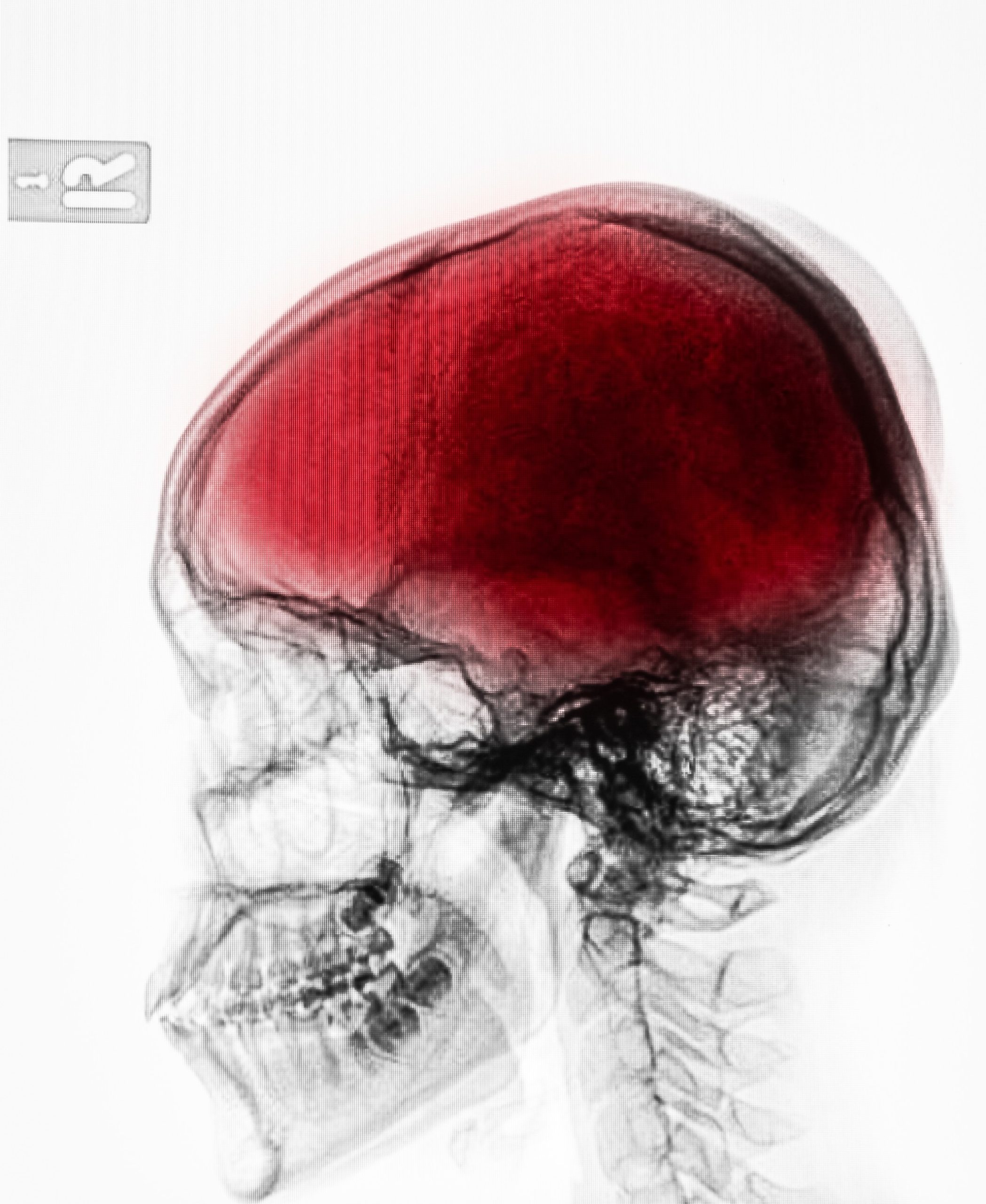
Unexpected to most immunologists, the central nervous system (CNS) seems to have a vigorous immune system, and one controlled remotely by gut microbes. According to an article by Wekerle, referencing Rothhammer V, et al.[1] “the vigorous immune potential” of the central nervous system (CNS) typically remains dormant, but becomes active post-injury. Two types of glial…
-
Taurine Deficiency in Sperm the Cause of Male Infertility?

“Sperm entering the epididymis are immotile and cannot respond to stimuli that will enable them to fertilize.”
-
Magnesium and Vitamin D, Better Together

Oftentimes, we focus on a single nutrient and how it impacts our physiology. However, one study recently highlighted the importance of remembering the synergy between nutrients. Magnesium and vitamin D, for example, are two such nutrients who prove to be better off together than alone. In a recent review published in the Journal of the…
-
Nutrients Turned to Toxins in Chronic Kidney Disease
Our gut microbiota process food nutrients in such a way that can generate uremic toxins or precursors metabolized to toxins in patients with chronic kidney disease (CKD). Some key uremic toxins include Trimethylamine N-Oxide (TMAO), p-cresyl-sulfate (pCS), indoxyl-sulfate (IS) and indole-3 acetic acid (IAA), all of which are important in the homeostasis and disposal of…
-
Diabetes in the Gut
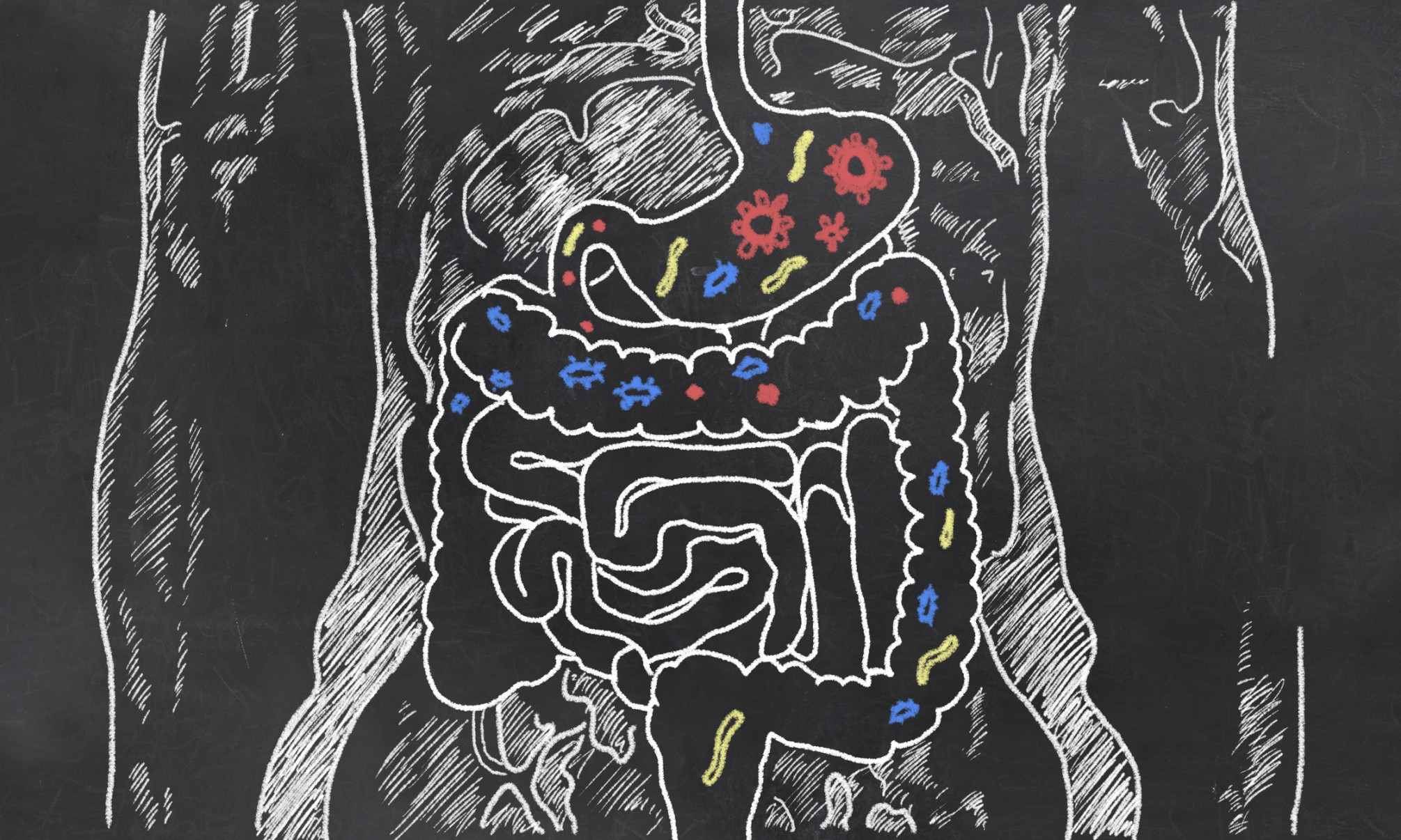
When thinking about diabetes and dysmetabolism, we look at a number of tissues such as adipose, liver, muscle and pancreas, but are we considering enough the role of the gut? Metabolic syndrome is defined as a cluster of physiological abnormalities that increase the risk of developing cardiovascular disease and type 2 diabetes. Risk factors include…
-
Vitamin K2 Protects Against Bone Loss in Women

Vitamin K2, a cofactor in the carboxylation of osteocalcin, is recognized as a protector against bone loss and fractures in postmenopausal women. Functionally, the availability of vitamin K regulates the carboxylation of osteocalcin. “Epidemiological studies have found associations between serum undercarboxylated osteocalcin (ucOC) and the risk of hip fracture in elderly women[1] and between low…
-
Sleep, Detox for the Brain

As if we needed another reason to get enough sleep! A hot-off-the-press study entitled, “β-Amyloid accumulation in the human brain after one night of sleep deprivation,” recently appeared in PNAS (Proceedings of the National Academy of Sciences). Although there have been previous studies demonstrating a higher β-Amyloid (Aβ) accumulation with chronic less sleep, and the…
Shop Our Brands: