-
5 Surprising Things that Hurt Your Microbiome
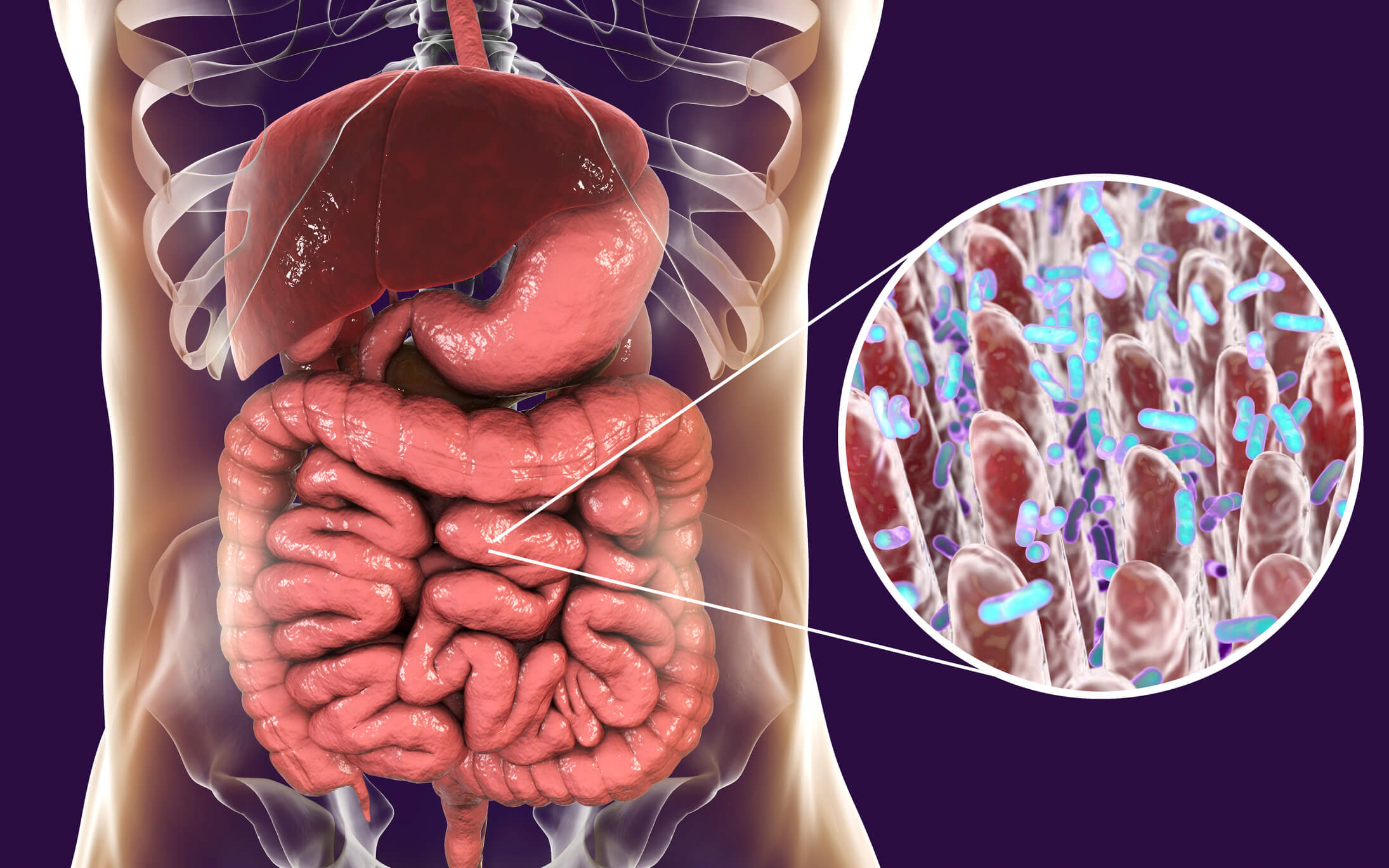
The human gut contains trillions of bacteria – also referred to as the gut flora or microbiome – and these tiny unicellular organisms play an unfathomable role in overall health. For instance, a healthy gut flora has been shown to improve gut health, heart health, brain health, weight management and blood sugar regulation, among others.
-
Probiotics May Directly Affect Breast Milk Carbohydrate Composition

New research has revealed a possible two-way connection between maternal dietary microbes and the makeup of the oligosaccharide sugar molecules found in human breast milk. Until recently, it was thought that oligosaccharides affected the microbial communities within an infant’s gut, acting as prebiotics that then decreased their risk of certain infections, conditions and diseases. Studies…
-
Gut Microbiota and the Neuroendocrine System
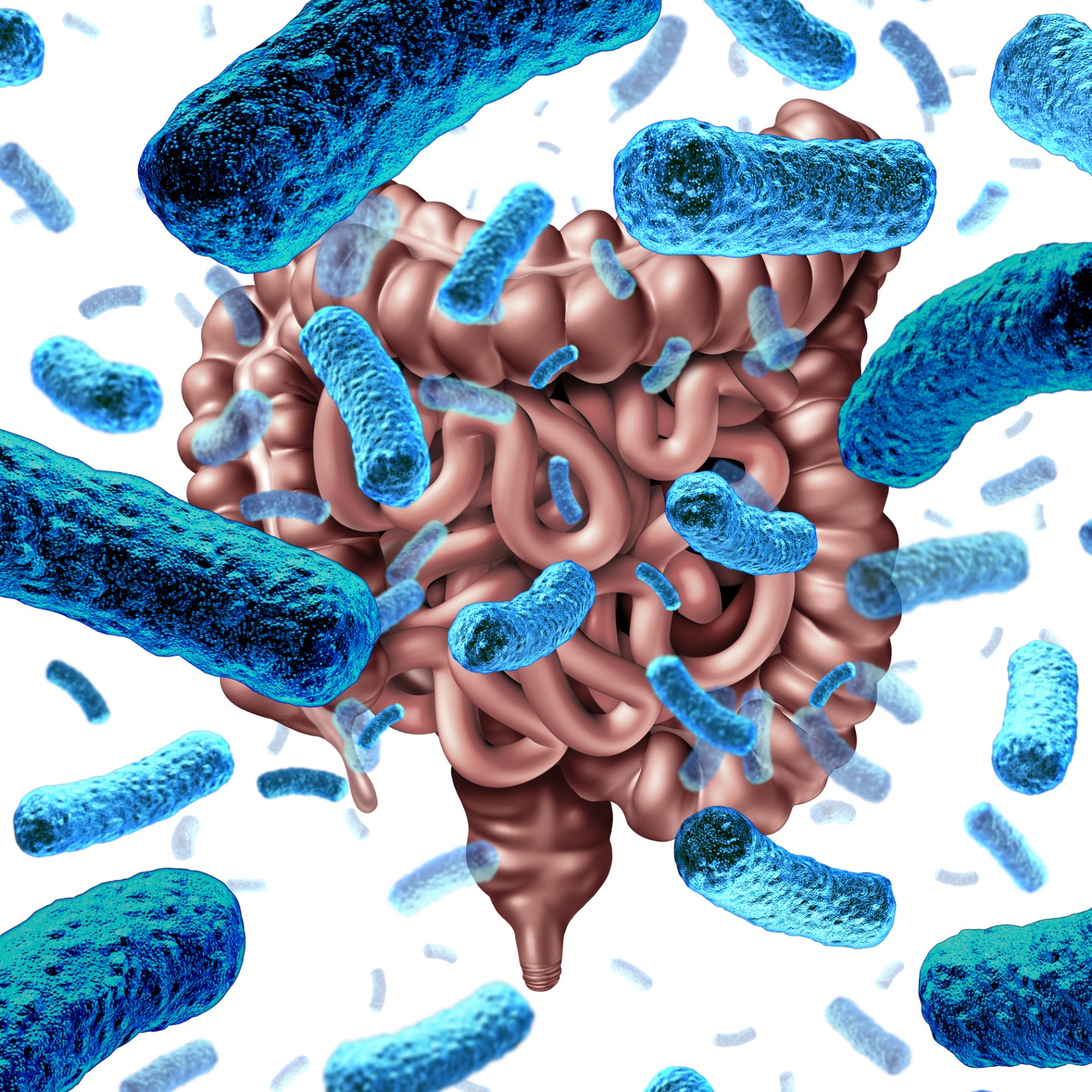
The gut-brain axis is undeniable, but specific mechanisms of influence continue to be investigated. Specifically, the gut microbiota is now considered the body’s major neuroendocrine system, controlling body processes including the stress response and the hypothalamic-pituitary-adrenal (HPA) axis. Back in the early 20th century, Nobel laureate, Ilya Metchnikoff, observed that the growth of cholera could…
-
Exercise Your Guts Out

Exercise is good for us, yes? With its wide-range of benefits that include supporting heart, muscle and bone health, the short answer is yes. But could there be repercussions in over-exercising? For some people, yes; intense exercise can lead to leaky gut. In the literature, it is referred to as “exercise-induced gut permeability,” and the…
-
Impact of Diet on Baby’s Microbiome
Whether you’re a would-be parent or your newborn is already safely in your arms, the joy and wonder of having a new member in your family can be truly exhilarating. But what most parents may not take the time to think about is the impact a baby’s diet has on their microbiome. The importance of…
-
Deeper Dive into the Gut-Brain Connection
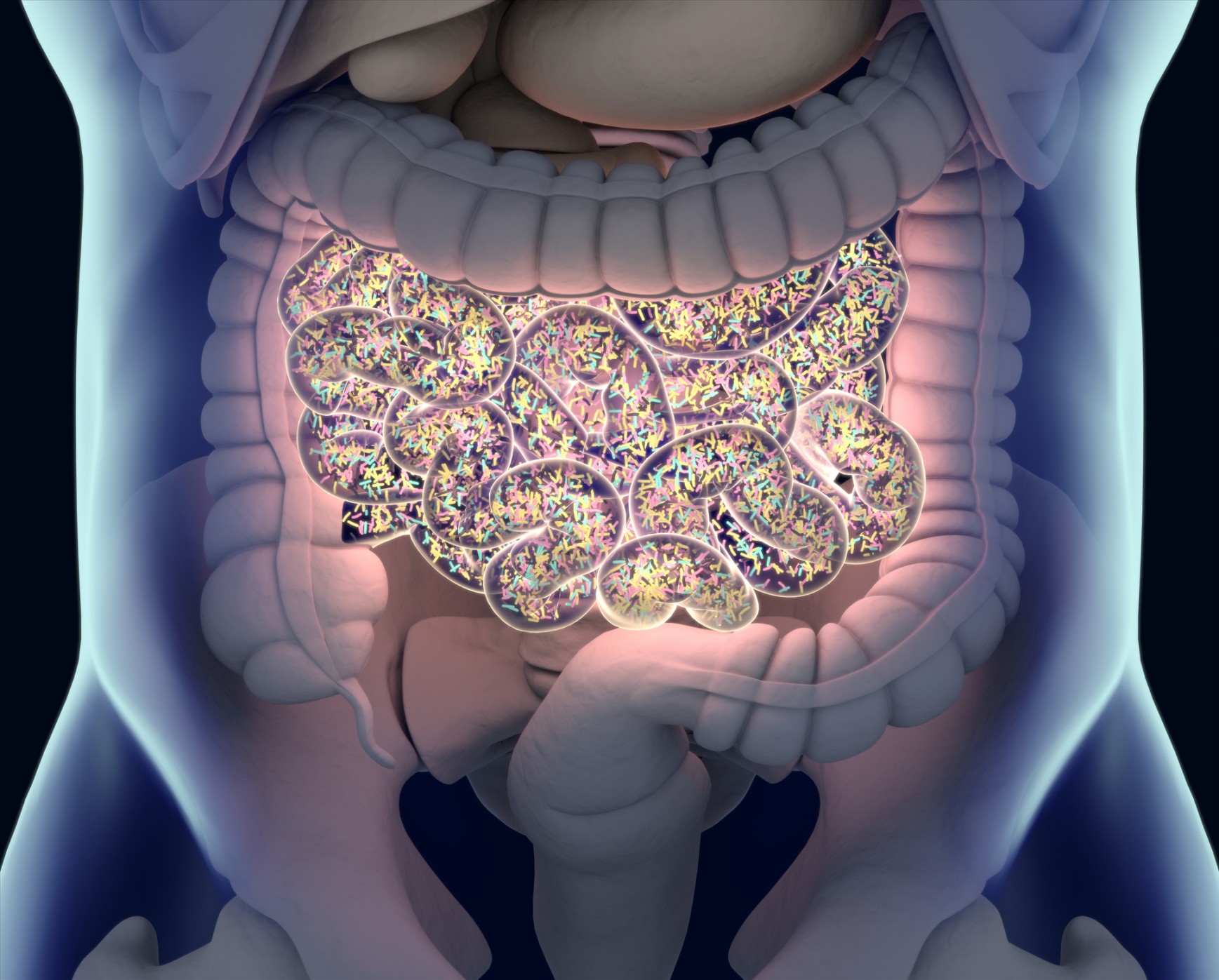
In an 1817 study on Parkinson’s disease (PD), James Parkinson noted that many of the patients with PD had gastrointestinal issues, and that up to 80% of these patients suffered from constipation. Even 200 years ago, we knew about the gut-brain connection. Currently, the literature demonstrates that the microbiome does, in fact, affect the function…
-
6 Foods that Foster the Microbiome
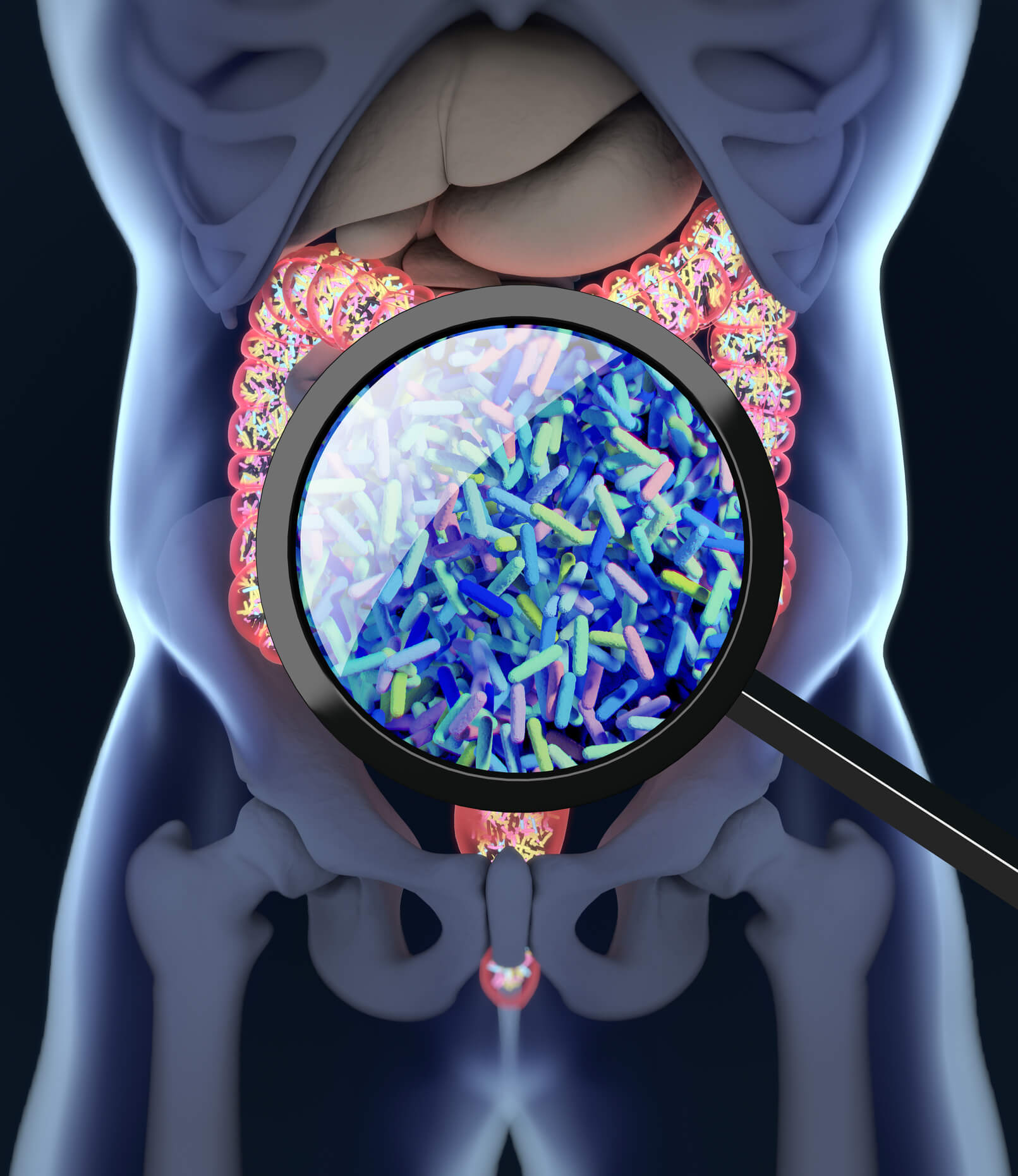
“We are what we eat” should actually say, “We are what our microbes eat.” In fact, what we eat immediately and profoundly influences our gut microbiome, which then determines our health. With trillions of microorganisms including bacteria, viruses, fungi and protozoa, taking residence in our guts, it’s no surprise they play significant and precise roles…
-
Diabetes in the Gut
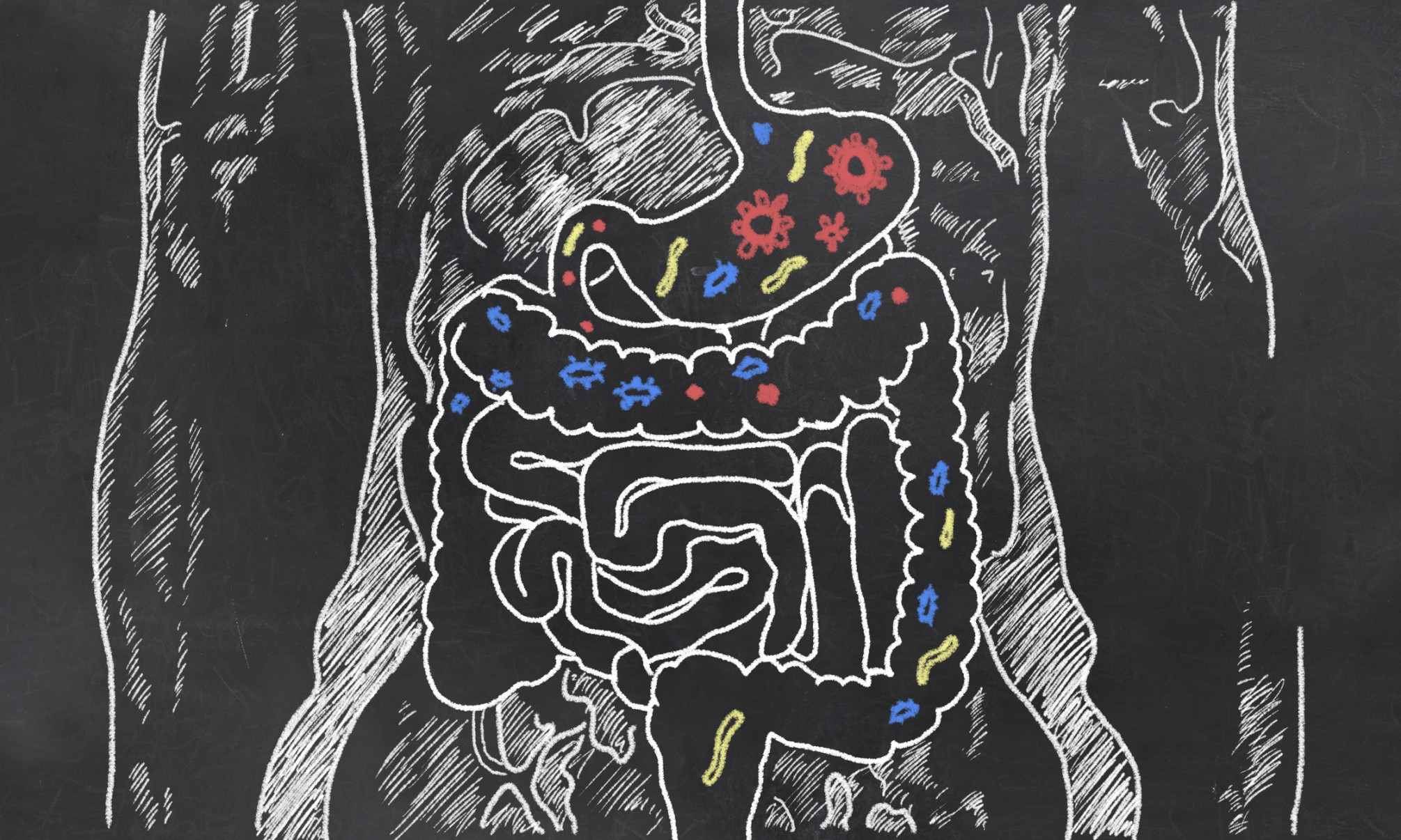
When thinking about diabetes and dysmetabolism, we look at a number of tissues such as adipose, liver, muscle and pancreas, but are we considering enough the role of the gut? Metabolic syndrome is defined as a cluster of physiological abnormalities that increase the risk of developing cardiovascular disease and type 2 diabetes. Risk factors include…
-
Gut Microbiota Influencing Obesity
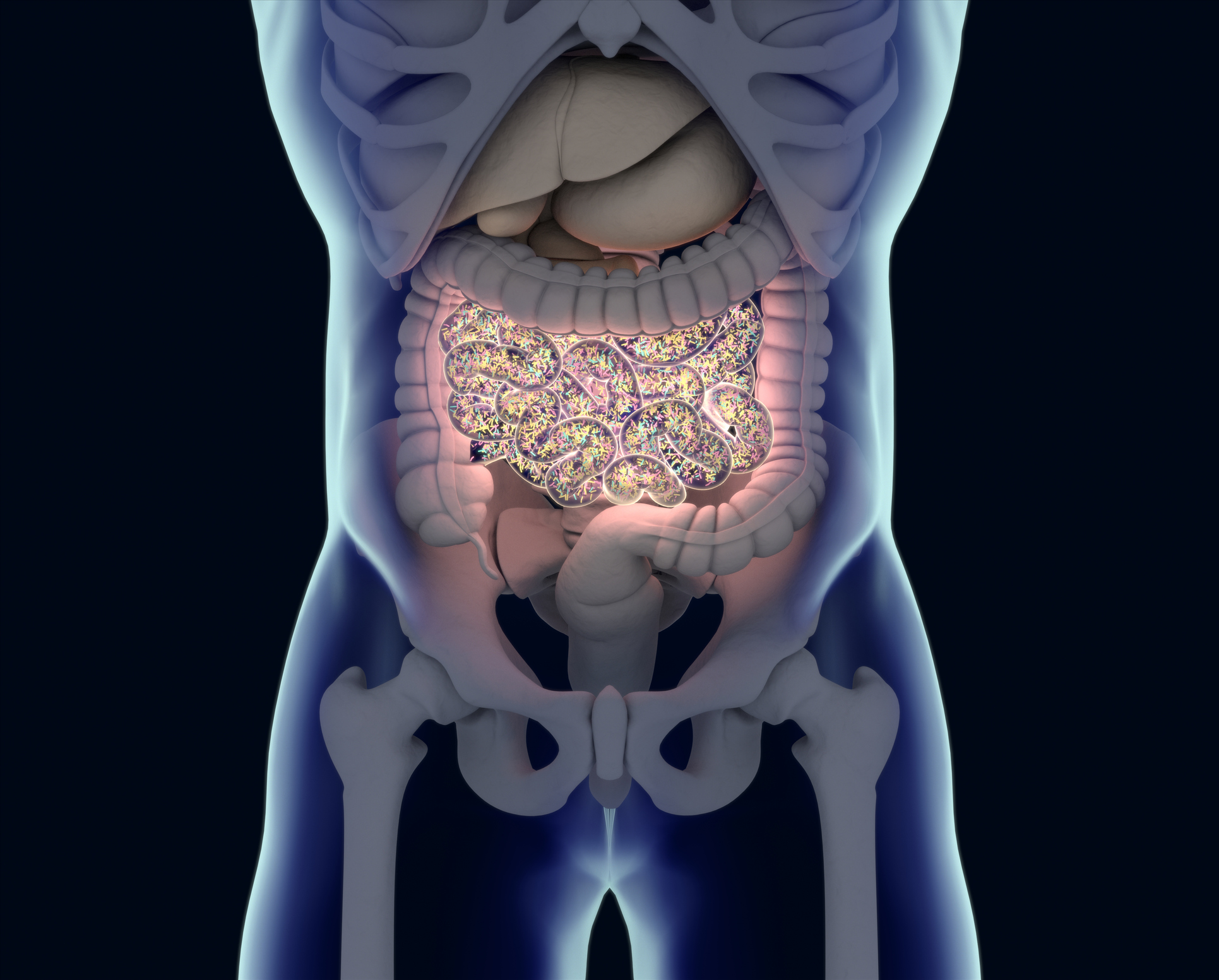
Polyphenols may generate numerous health benefits by modulating the gut microbiota (GM). Phytochemicals that can influence GM have recently been studied as adjuvants to support healthy weight and inflammatory response. These phytochemicals include polyphenols and their derivatives, carotenoids, and thiosulfates, which were “further sub-classified into four main groups: flavonoids (including eight subgroups), phenolic acids (such…
-
Thyme for Gut Health
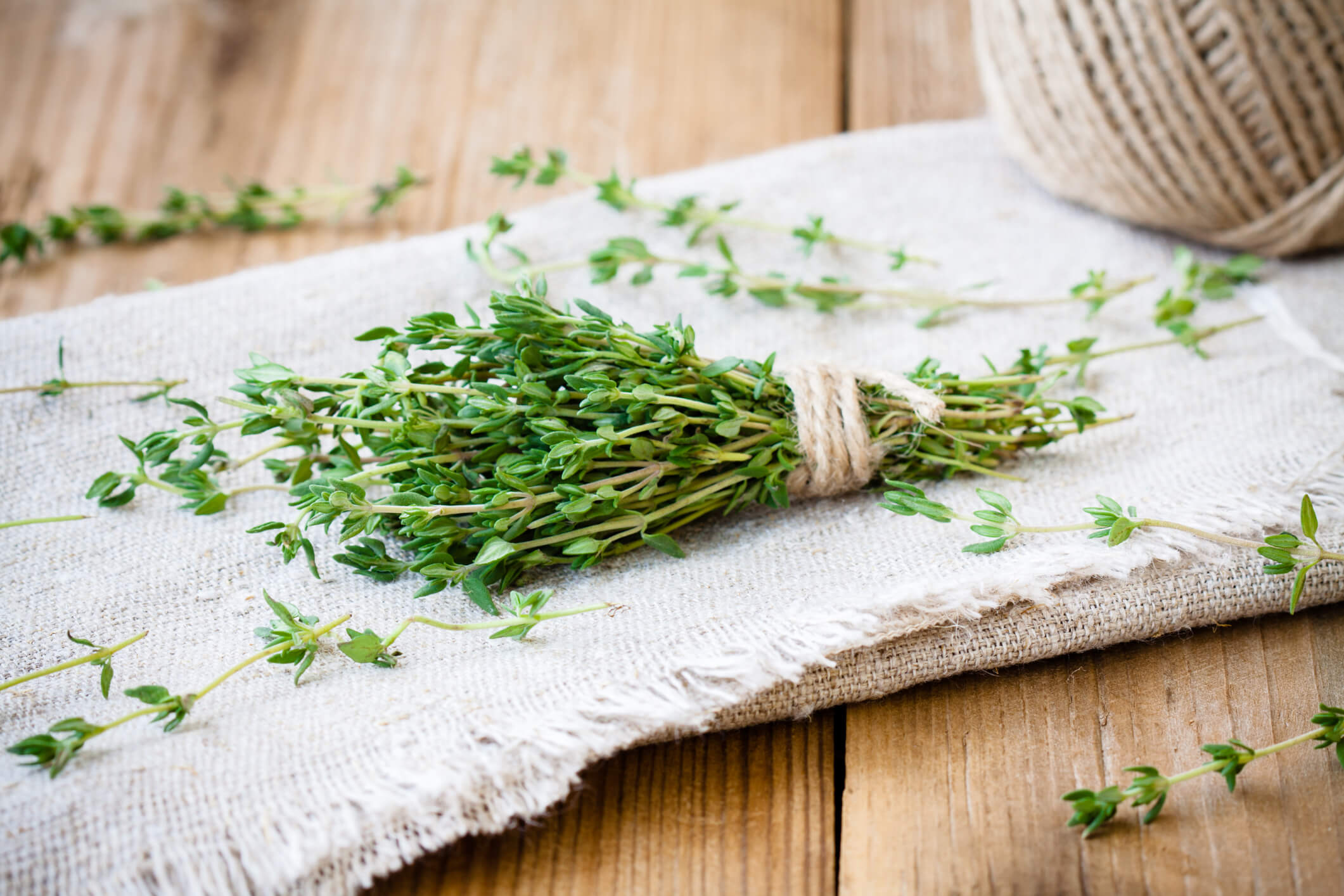
More often than not, we associate thyme with the culinary world. The beloved, leafy herb that accompanies chicken or other savory dishes, we think of it flavoring a stuffing, sauces, stews and soups.
Shop Our Brands: