
-
New Study Reveals How Cannabidiol Alters Brain Activity
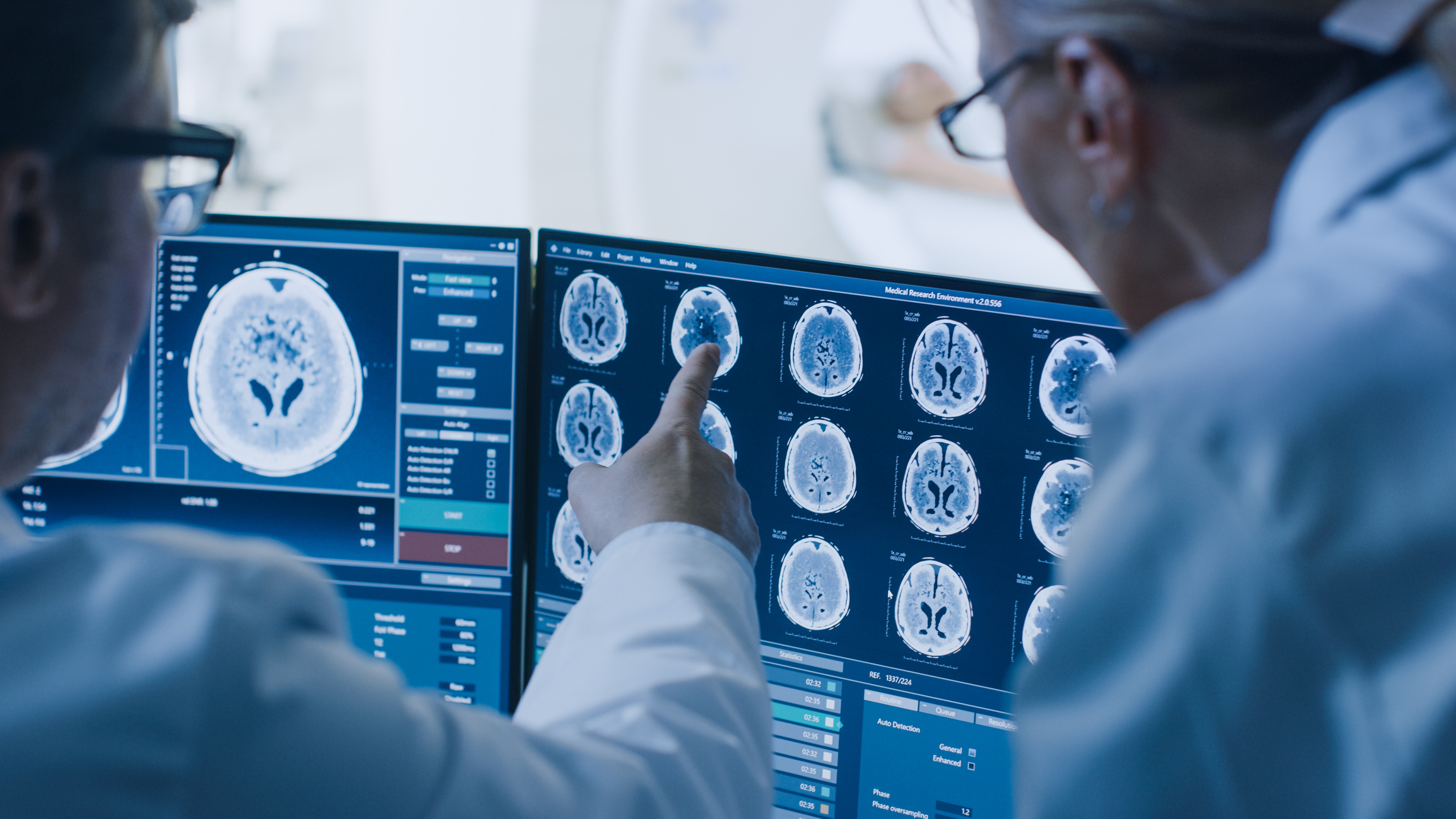
In a recent report published in Psychological Medicine, researchers performed fMRI scans to measure brain activity in 13 patients suffering from an acute manic episode. Senior author, Professor Sagnik Bhattacharyya, from the Institute of Psychiatry, Psychology & Neuroscience (IoPPN), King’s College London and his team observed how the endocannabinoid system could be altered in these…
-
4 Ways Melatonin Regulates the Stress Response
Acute or chronic stress can trigger an overactive sympathetic nervous system, resulting in high oxidative stress. The immune system functions at its best in the parasympathetic state so when it switches to a sympathetic state, the body is vulnerable to disease. Chronic release of hormones such as cortisol, catecholamines and neuropeptides due to stress also…
-
7 Tips to Reduce Stress this Holiday Season

Overwhelmed by the mounting to-do list this holiday season? You’re not alone. The holiday season comes with what seems like a never ending list of additional responsibilities. Holiday stress is a real thing – and something that you can manage if you follow a few tips and tricks. A 2015 Healthline study found that 62%…
-
Could Psychosocial Stress Be a Root Cause of Obesity?

A 2019 study has unveiled an interesting connection between cumulative exposure to a wide range of psychosocial stressors and the risk of obesity.
-
Stress Affects People Differently

A new research paper published in the journal JNeurosci studied how chronic stress affects brains differently. In studying the stress and reward centers of the brain, researchers identified their impact on mood. Prakash et al. found that the number of serotonin neurons in the area of the brain responsible for regulating stress and reward –…
-
Stress – The Mind-Body Connection Part 2
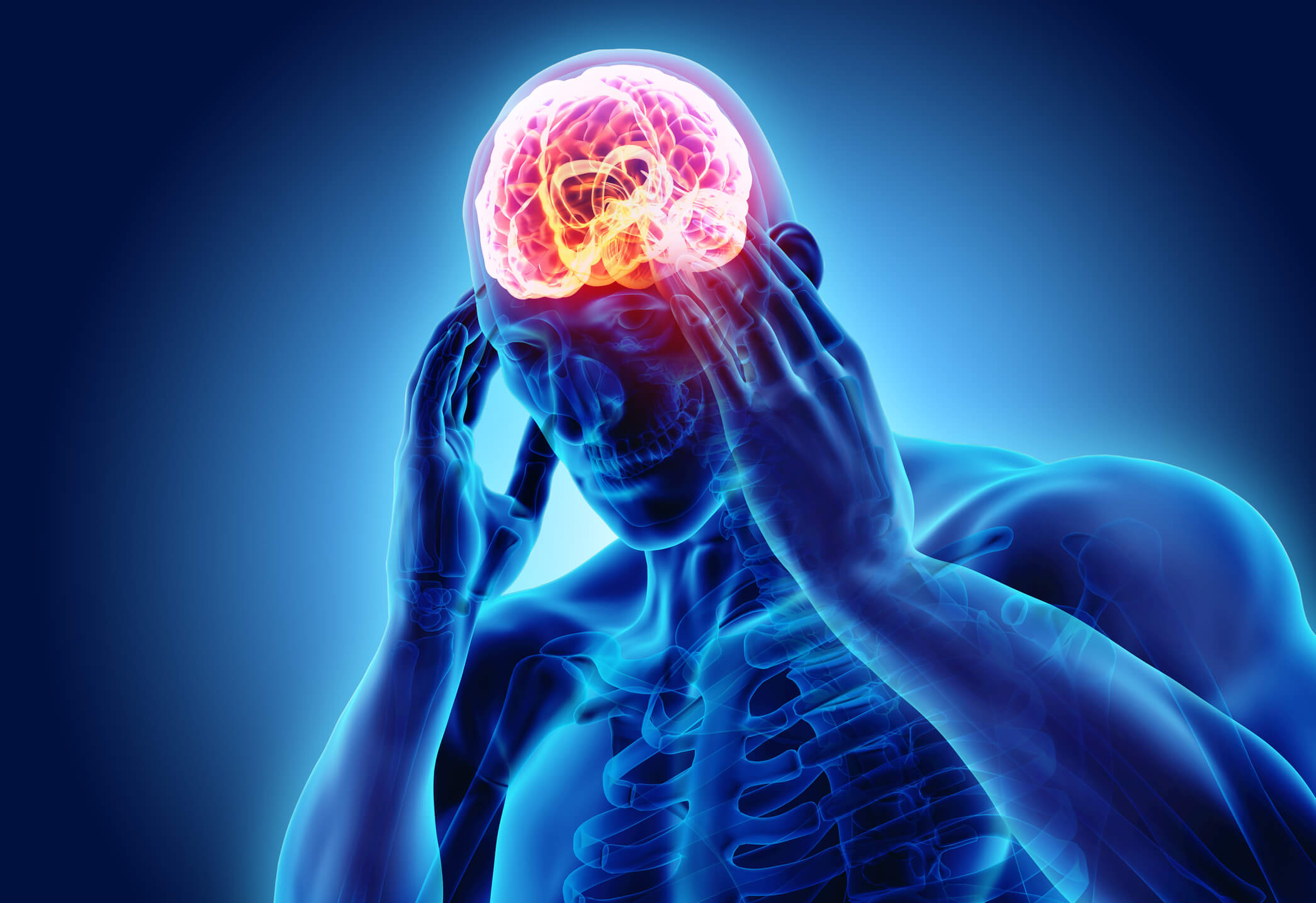
Welcome back to Part 2 of “Stress – The Mind-Body Connection”. In Part 1, we discovered the science and psychology behind the mind-body disconnect, how hormones affect our perception of the world, how stress produces visible changes in the brain as well as enhanced emotionality, and much more. If you have not read part one,…
-
New Evidence Suggests Stress Is Even Worse Than We Thought

The chemical cascade triggered by stress causes radical changes to multiple brain functions, sparking the immediate decisions necessary to survive threats. It happens in milliseconds. How is this feat of near-instant brain connectivity possible? A recent study published in the journal Neuron pinpointed a likely conductor: the neurotransmitter noradrenaline.
-
Stress – The Mind-Body Connection Part 1

Dualism states that the mind and body are separate and this theory is accepted by many despite much evidence showing an observable bidirectional relationship between the mind and body. For example, the gut microbiome sends signals to the brain, and vice versa. The heart sends signals to the brain and the adrenals are also known…
-
Practicing Gratitude Has Lasting Health Benefits

Previous research has linked the regular practice of gratitude with a host of benefits, both physical and emotional. A 2016 study examined the neural basis of gratitude expression and how it may have even more long-term effects on brain activity than previously known.
-
Study Suggests Stress in the Evening is No Good

A research study conducted at Japan’s Hokkaido University and published in the journal Neuropsychopharmacology Reports explored how the hypothalamic-pituitary-adrenal (HPA) axis responds to acute psychological at different times of the day. Lead researcher Yujiro Yamanaka, and his team studied 27 healthy young volunteers. Yamanaka first measured the participant’s diurnal rhythm of salivary cortisol levels as…
Shop Our Brands: