-
Beet Your Way to Health

Red beetroot (Beta vulgaris rubra) has been gaining popularity as a functional food that has potential to prevent disease and promote health. Beets belong to the chenopod family along with other foods such as chard, spinach, and quinoa. They have been used throughout history as a treatment for numerous ailments, and still evoke an emotional…
-
Managing Inflammation through Gut Microbiota
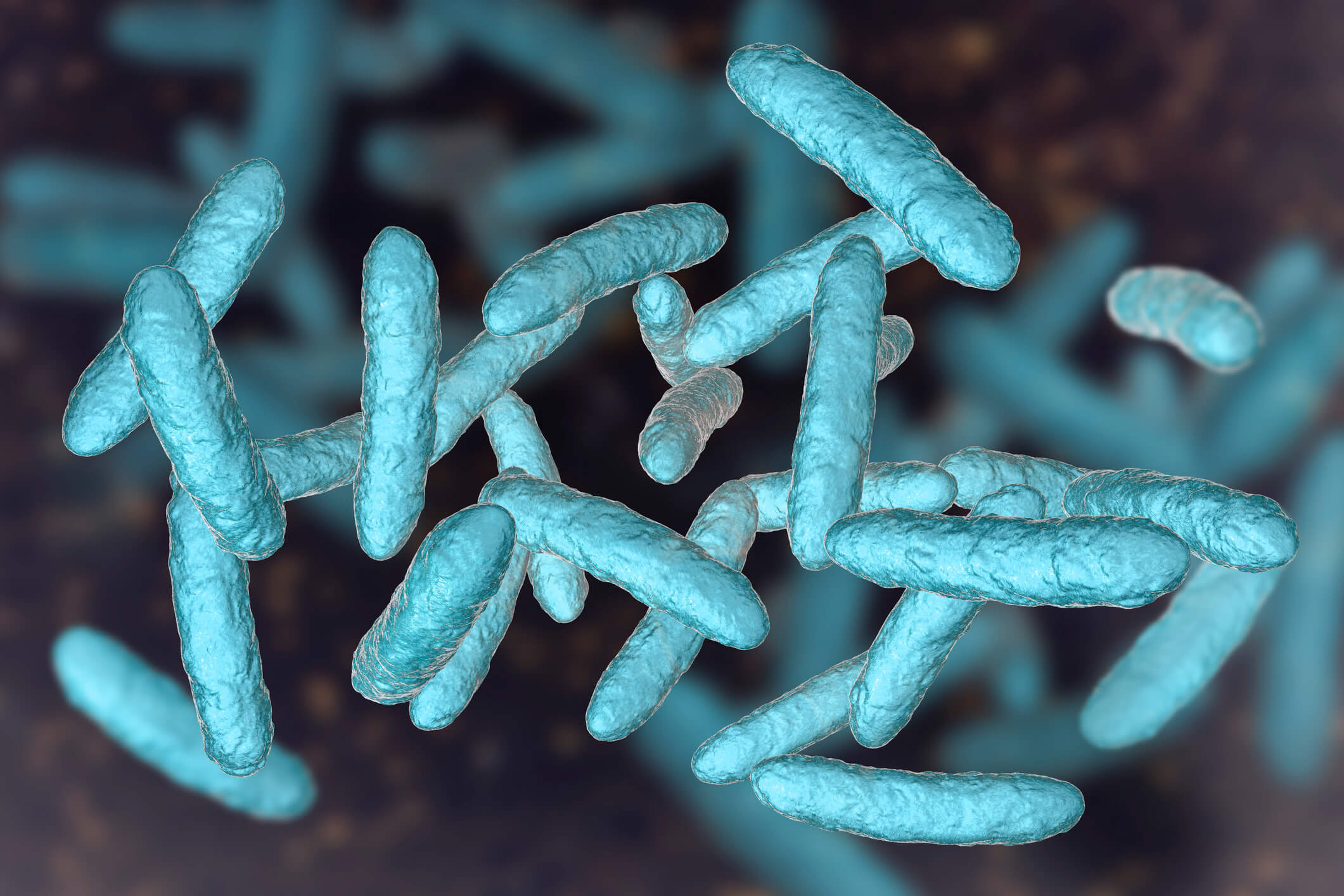
Many factors influence one’s health and whether or not something supports or opposes a healthy inflammatory response is critical. While factors that may increase inflammation such as age and hereditary are out of our control, physical activity, dietary choices, and chemical exposures are within our control. Because inflammation can be at the root cause of…
-
Neurological Benefits of Green Tea
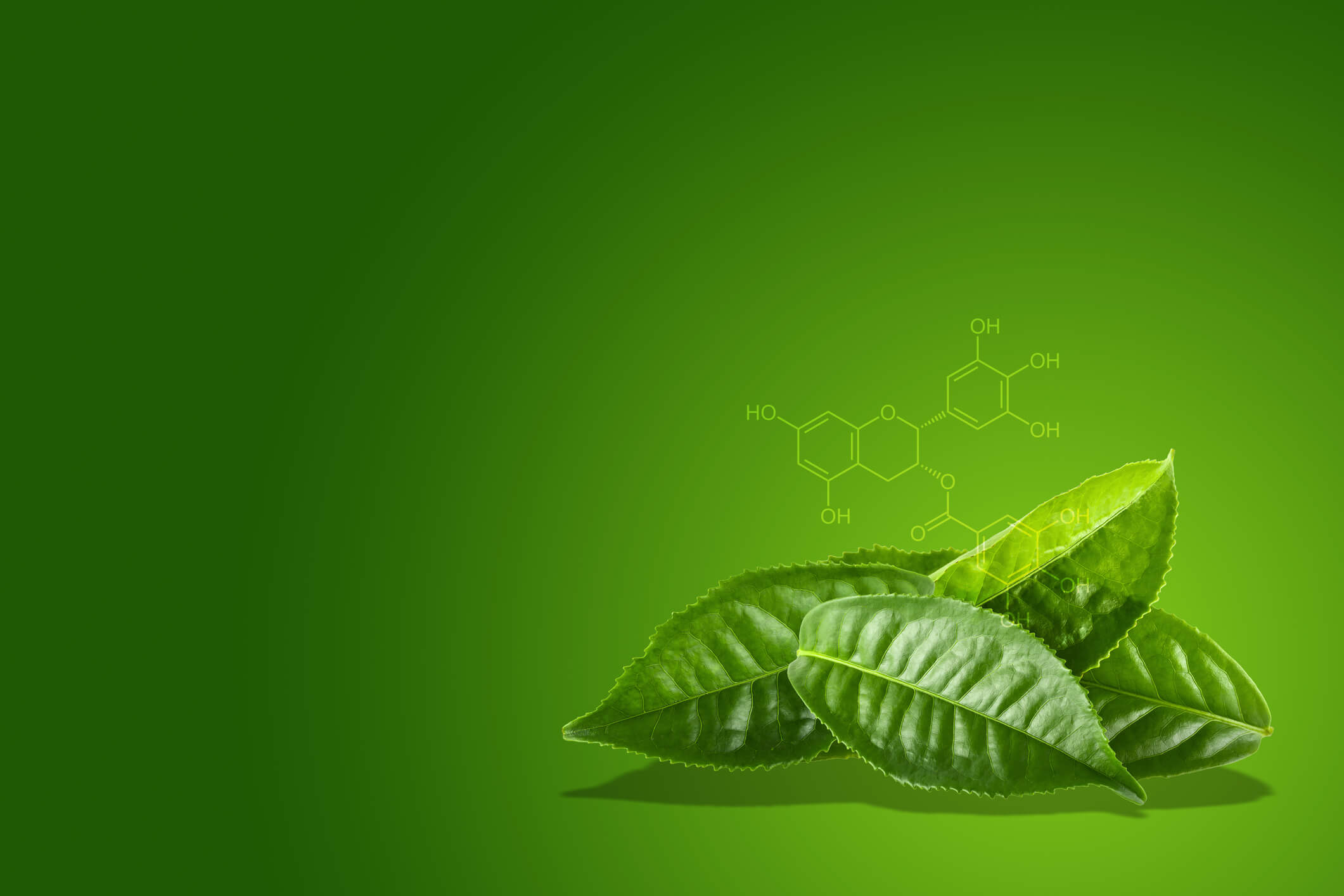
Common knowledge tells us that green tea is a healthy beverage, but evidence suggests that it may in fact have more natural brain benefits than most people realize. Aside from water, tea is the most popular beverage in the world. It’s consumed by two-thirds of the world’s population. And while black tea accounts for 78%…
-
Are You Getting Enough Vitamin D?
During the past few decades we have been taught to be wary of the sun. For some reason, research that found sunburns to be linked to skin cancer morphed into warnings about any sun exposure. We are continually being told not to go out into the sun without SPF 99 sunblock and a UV ray-blocking…
-
D and K for Healthy Bones

We know a lot about vitamin D and bone health. Vitamin D is considered a “secosteroid hormone” essential for calcium absorption and bone mineralization, and is positively associated with bone mineral density (BMD). Without it, we cannot effectively absorb calcium, which we need to help maintain healthy teeth and bones. Also, in a recent study…
-
Vitamin D’s Critical Role in Weight Management

When undergoing a weight management program, one of the first steps might be to check vitamin D levels. Oftentimes, people who need to lose weight simultaneously experience low energy, which may actually be a symptom of blood sugar dysregulation. And, according to some researchers, vitamin D may provide support for helping regulate blood sugars.
-
YOUR GUT AND YOUR SKIN ARE CONNECTED: INTRODUCING THE GUT-SKIN AXIS

Have you ever wondered by pimples and constipation often come together, or why you break out after eating french fries? It could be because of the gut-skin axis, a concept at the center of an emerging, exciting area of research in Western Medicine. The gut-skin axis deals with the bidirectional relationship between the gut and…
-
Eat Your Thylakoids!
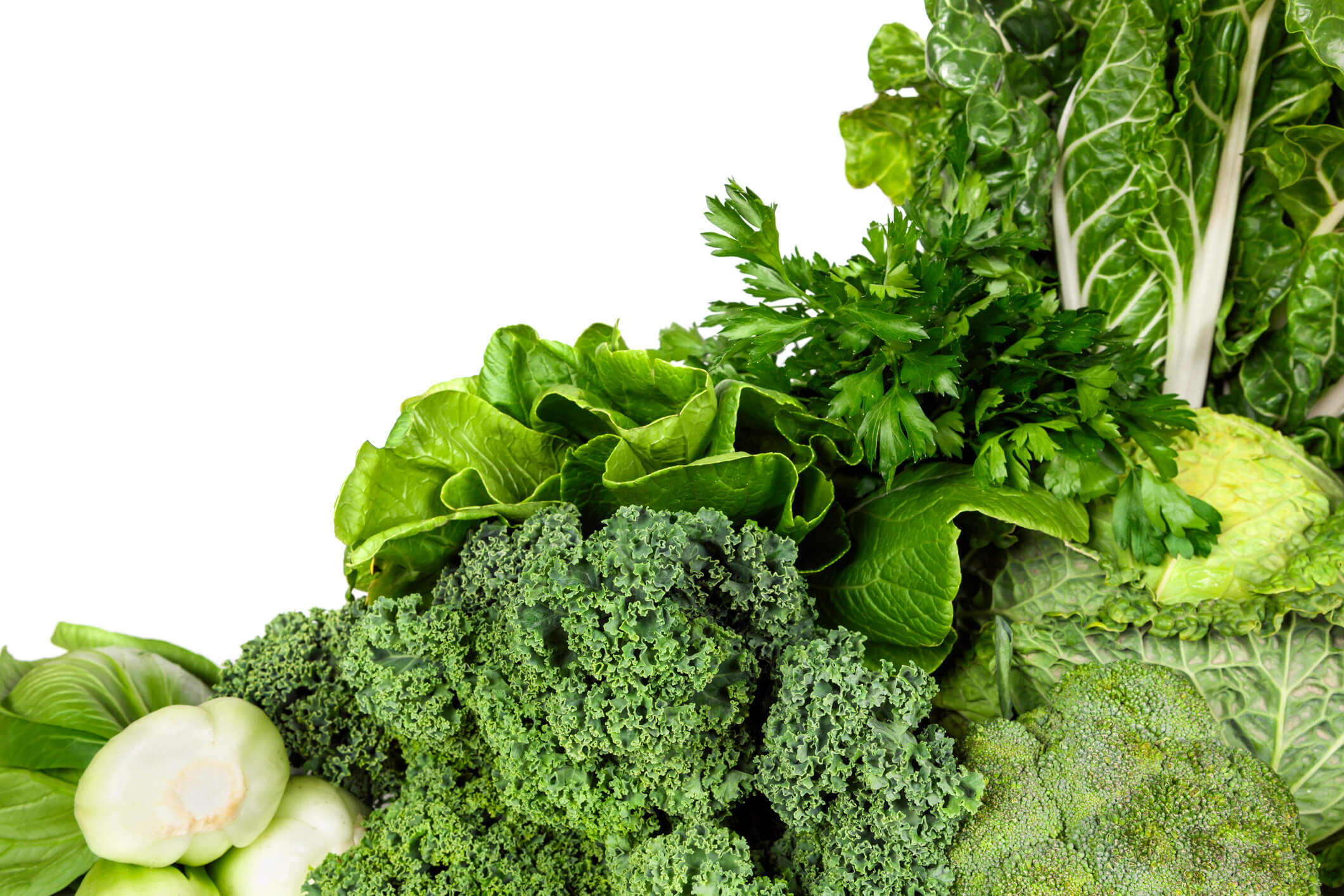
Most nutrition experts agree that we need to “eat more veggies” as part of a healthy diet. Consuming more leafy greens (spinach, kale, collards, etc) may, in fact, be one of the most important components for overall health and weight loss. In addition to containing a host of fibers, vitamins, minerals and other micronutrients, leafy…
-
5 Surprising Things that Hurt Your Microbiome
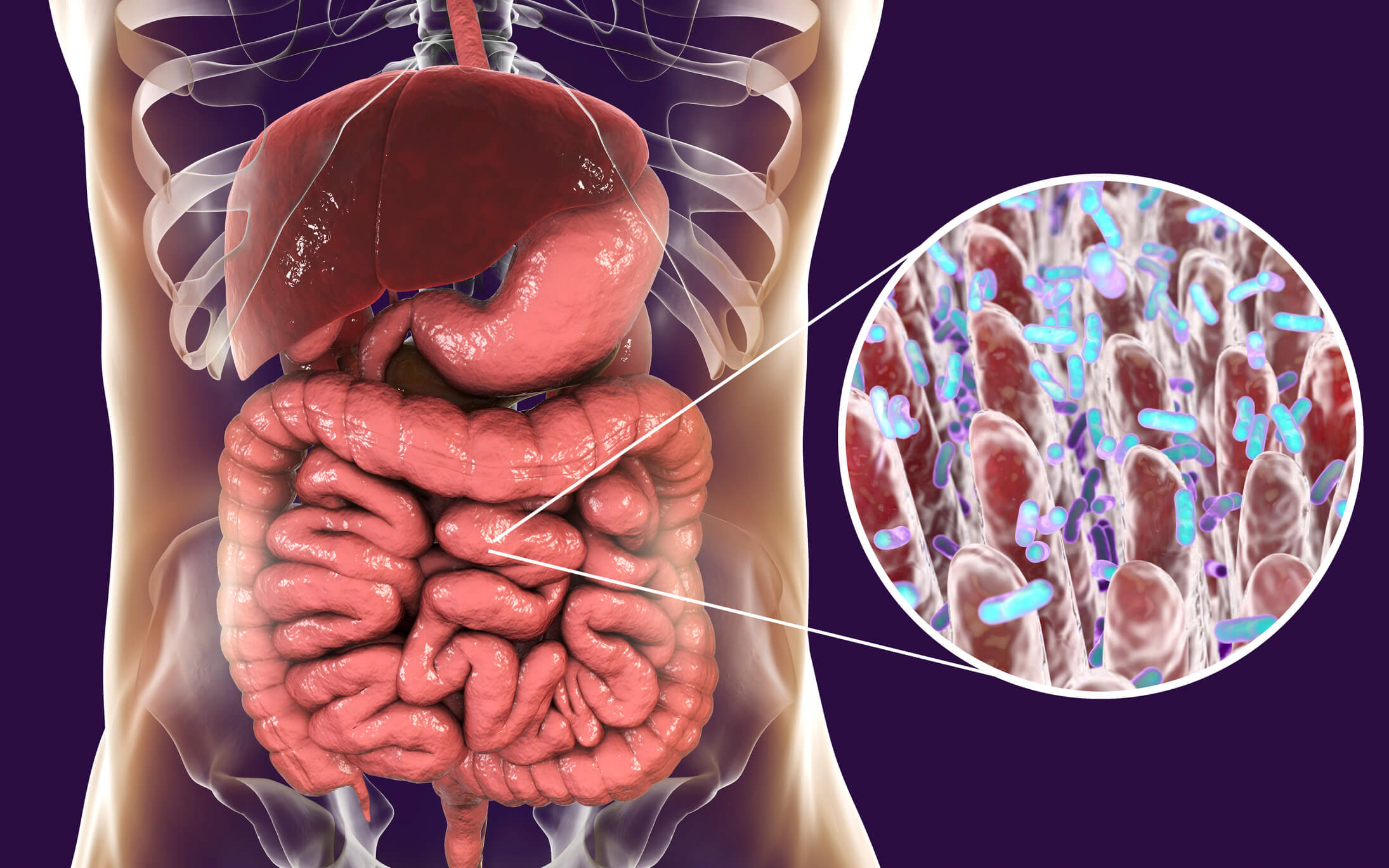
The human gut contains trillions of bacteria – also referred to as the gut flora or microbiome – and these tiny unicellular organisms play an unfathomable role in overall health. For instance, a healthy gut flora has been shown to improve gut health, heart health, brain health, weight management and blood sugar regulation, among others.
-
Astragalus: The King of Herbs
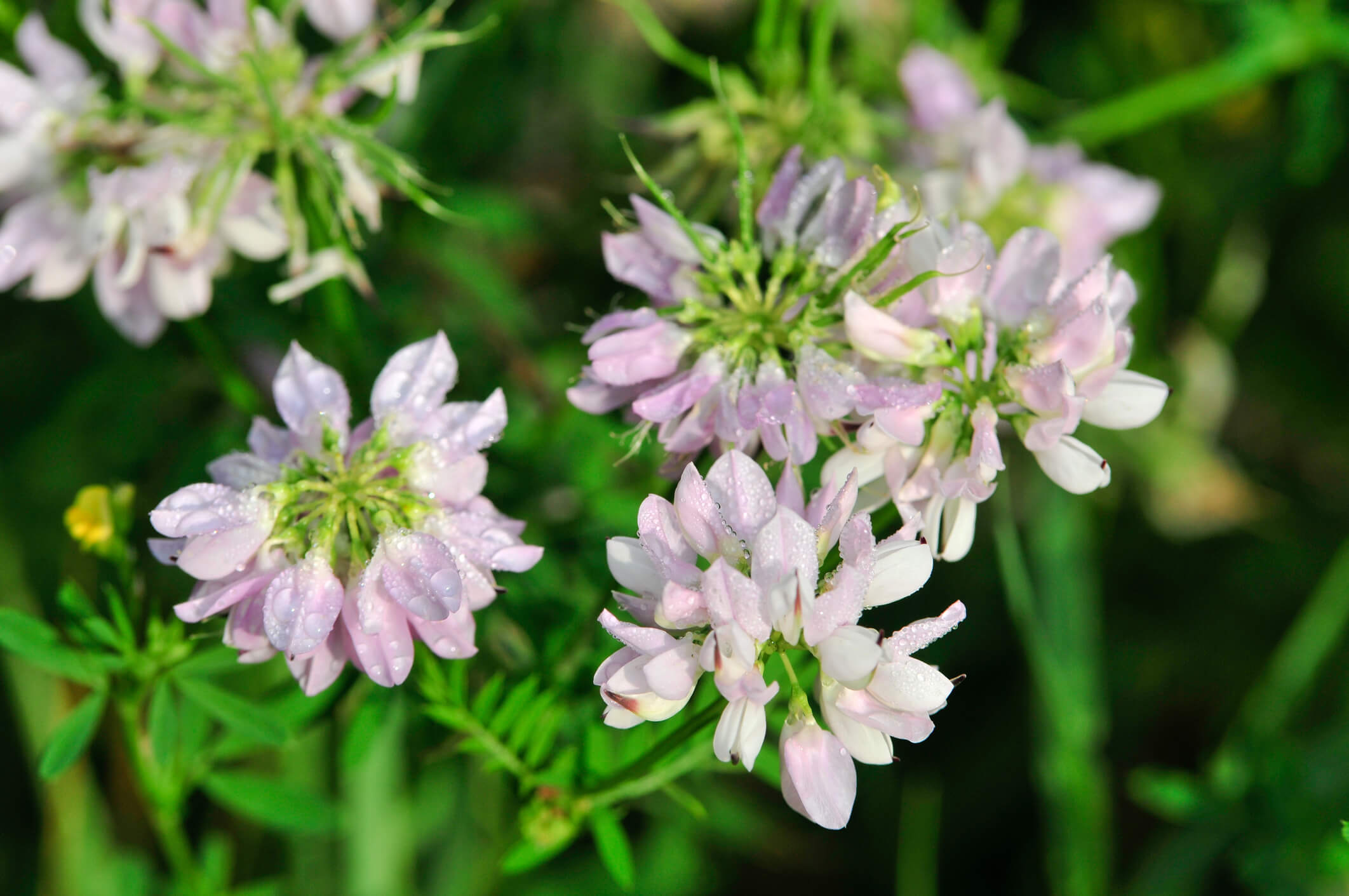
Astragalus, also known as Milkvetch or huáng qí in Chinese, is an herb that has been used for hundreds of years, with its roots in traditional Chinese medicine. One of the few all-purpose herbs used, it is believed to support a wide array of biological functions. Despite the fact that Astragalus has over 2,000…
Shop Our Brands: