-
LDL-C/ApoB and Plaque

Ketogenic diets (KDs) are increasingly used for purposes far beyond weight loss. Therapeutic carbohydrate restriction is now being employed for mental health purposes, chronic kidney disease, inflammatory bowel disease, and more. Despite the obvious benefits of carbohydrate restriction—such as weight loss, improved glycemic control, and reversal of metabolic syndrome—concerns remain regarding the potential for elevated…
-
AI In Health Care

In the fall of 2024, JAMA Network published the results of a randomized clinical trial evaluating the ability of a type of artificial intelligence (AI), a large language model (LLM), on physicians’ diagnostic reasoning. Fifty physicians with a mean of 3 years in practice and training in a general medical specialty, including 26 attendings and…
-
Carrots for Cellular Health

A 2023 study published in Nature Communications identified isofalcarintriol—a novel polyacetylene compound isolated from carrots—as a compelling longevity-promoting agent across animal models. By enhancing mitochondrial biogenesis, optimizing glucose metabolism, and improving resistance to metabolic and oxidative stress, this compound adds to a growing body of findings, suggesting that the humble carrot may exert far-reaching cellular…
-
A Golden Gem for Brain Health

We are constantly stressed with deadlines and pressured to produce tasks faster and with more efficiency. In today’s workforce, our mental clarity plays a major role in delivering quality work. Practices to help think more clearly may include better sleep, controlled anxiety, and brain supplements. One such “brain supplement” with research bragging rights is curcumin,…
-
The Countless Benefits of Cauliflower

Cauliflower (Brassica oleracea var. Botrytis), a cruciferous (Brassicaceae) vegetable, is packed with robust nutritive and phytochemical content—-including glucosinolates, flavonoids, chlorophyll and phenolics acids, vitamins, minerals, choline, and fiber—exerting widespread health effects. Phytochemicals are naturally occurring plant compounds that confer various health benefits, with their diverse biologically active properties—including antimicrobial and antioxidant capacity, metabolic, anti-inflammatory, gastrointestinal…
-
Microbiota & Seasonal Allergies

First introduced in 1989, the “hygiene hypothesis” proposed that exposure to specific microbes, perhaps during crucial windows of development, educates the immune system in a way that modifies the risk for allergic, inflammatory, and autoimmune diseases. Initially, this was proposed in response to the observation that the position of a child in a family (their…
-
Biological Organ Age & Disease Risk

The results of a groundbreaking study examining organ-specific biological age and associations with age-related diseases were published in The Lancet Digital Health. This remarkable study used plasma proteome signatures to determine the biological age of multiple organs, including the lungs, kidneys, liver, pancreas, and brain, as well as the intestines, cardiovascular (heart and arteries) and…
-
Nutrient Intake & Healthy Aging

An interesting analysis of nutrition and aging appeared in BMC Biology, in which the authors used a multi-dimensional modeling technique termed the Geometric Framework for Nutrition (GFN) to assess how the balance of nutrient intakes is associated with the aging process, specifically with age-associated dysregulation. In contrast to what they refer to as the “one…
-
Vitamin D & Vertigo

Benign paroxysmal positional vertigo (BPPV), the most common cause of vertigo in older adults, is characterized by temporary symptoms brought on by having the head in a specific position, primarily nystagmus and vertigo. The portion of falls in an older population that can be attributed to BPPV is not clearly established, but is thought to…
-
Metabolic Psychiatry
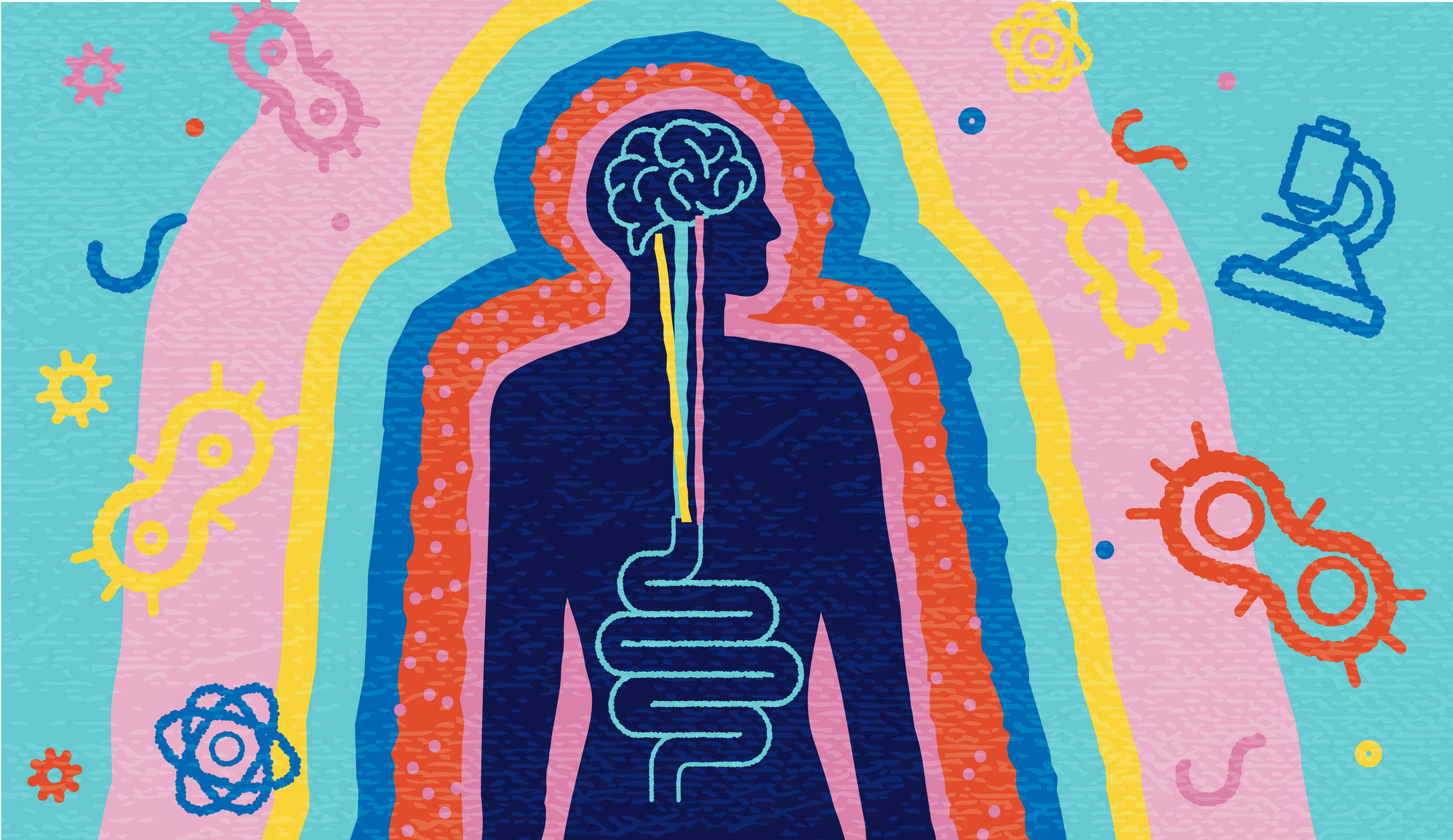
Metabolic psychiatry is an emerging field of research revealing robust connections between metabolic dysfunction and psychiatric conditions, with mitochondria suggested to be at the core of these connections. Metabolism impacts every cell, tissue, and organ of the body, with its role in brain health being particularly significant. As the body’s most metabolically active organ, the…
Shop Our Brands: