
-
New Study Finds Gluten in Your Gluten-Free Foods

While gluten-free dining options have been steadily increasing, new research has elucidated that there may still be gluten in your “gluten-free” foods. While packaged foods labeled as gluten-free must contain less than 20 parts per million of gluten, there is no similar standard for gluten-free restaurant foods. A study, published in The American Journal of Gastroenterology in…
-
Study Reveals How Attitude Affects Eating Habits

A study on the time and effort people put into finding out about nutrition and seeking out nutritious food, and their dietary behavior has revealed that people who focus on positive outcomes are more likely to eat healthy food than those who only seek to prevent disease. The study was carried out on a national…
-
NEW RESEARCH SHOWS THAT PEOPLE WITH PERIPHERAL ARTERY DISEASE MAY HAVE AN OMEGA-3 DEFICIENCY

New research suggests that people with peripheral artery disease (PAD) could have lower omega-3 levels in their red blood cells than people without the disease. PAD affects 8.5 million Americans and more than 200 million people nationwide. It is a common circulatory problem that leads to narrowed arteries in the extremities and insufficient blood flow…
-
Review: The Role of Vitamin D and Lipoprotein Receptor-Related Protein in Amyloid Clearance and Brain Health
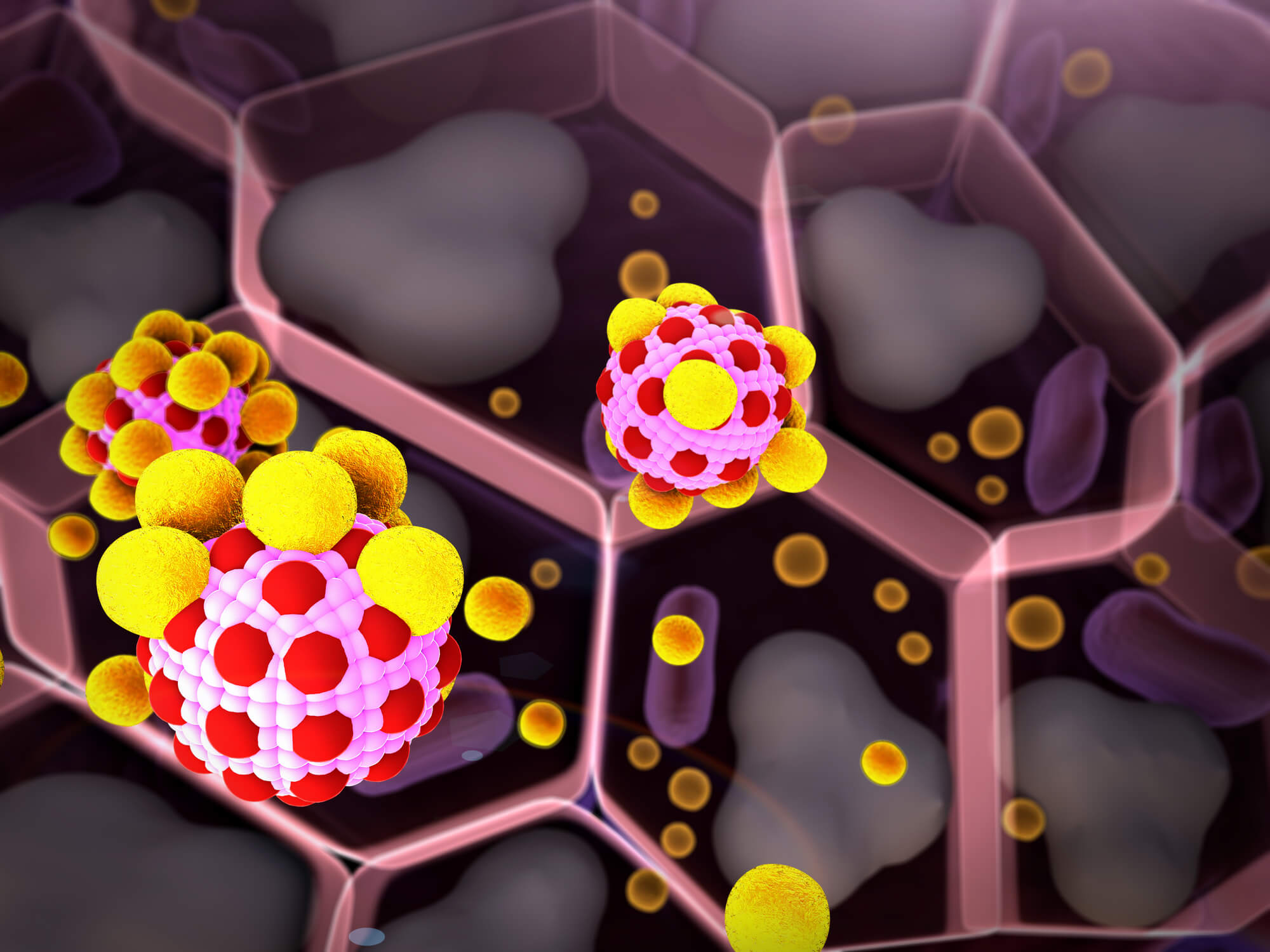
A review on the relationship between vitamin D and low-density lipoprotein receptor-related protein (LRP-1) has revealed that the two may work together to possibly clear amyloid-beta (Aβ), whose deposition is considered linked to the progression of neurological dysfunction. LRP-1 is a large receptor present on the body’s cells and is widely expressed, or present, in…
-
Deep Sleep Optimizes the Glymphatic System

It wasn’t very long ago that scientists discovered a mechanism for the brain to remove toxins, called the glymphatic system, and now can link its efficiency to the quality of sleep. The glymphatic system behaves much the same way as the lymphatic system but is managed by glial cells in the brain. Cerebrospinal fluid (CSF)…
-
Vitamin D and the Brain

We have long known the connection between vitamin D and mental health, however, new research may have found that the reason vitamin D deficiency has an effect on learning and memory may be due to its effect on PNNs. Perineuronal nets (PNNs), specialized extracellular matrix structures in the brain, act like a scaffolding that wraps…
-
Genetic Variation to Vitamin D Levels Links to Non-Bone-Related Health Outcomes

Differences in the genes involved in how we metabolize and transport vitamin D in our bodies may determine the amount of vitamin D that circulates in our blood. Until recently, there was little evidence of the connection between a specific type of genetic variation called single nucleotide polymorphisms (SNPs, or “snips”), vitamin D levels, and…
-
A Pseudogene with Promising Neurological Influence
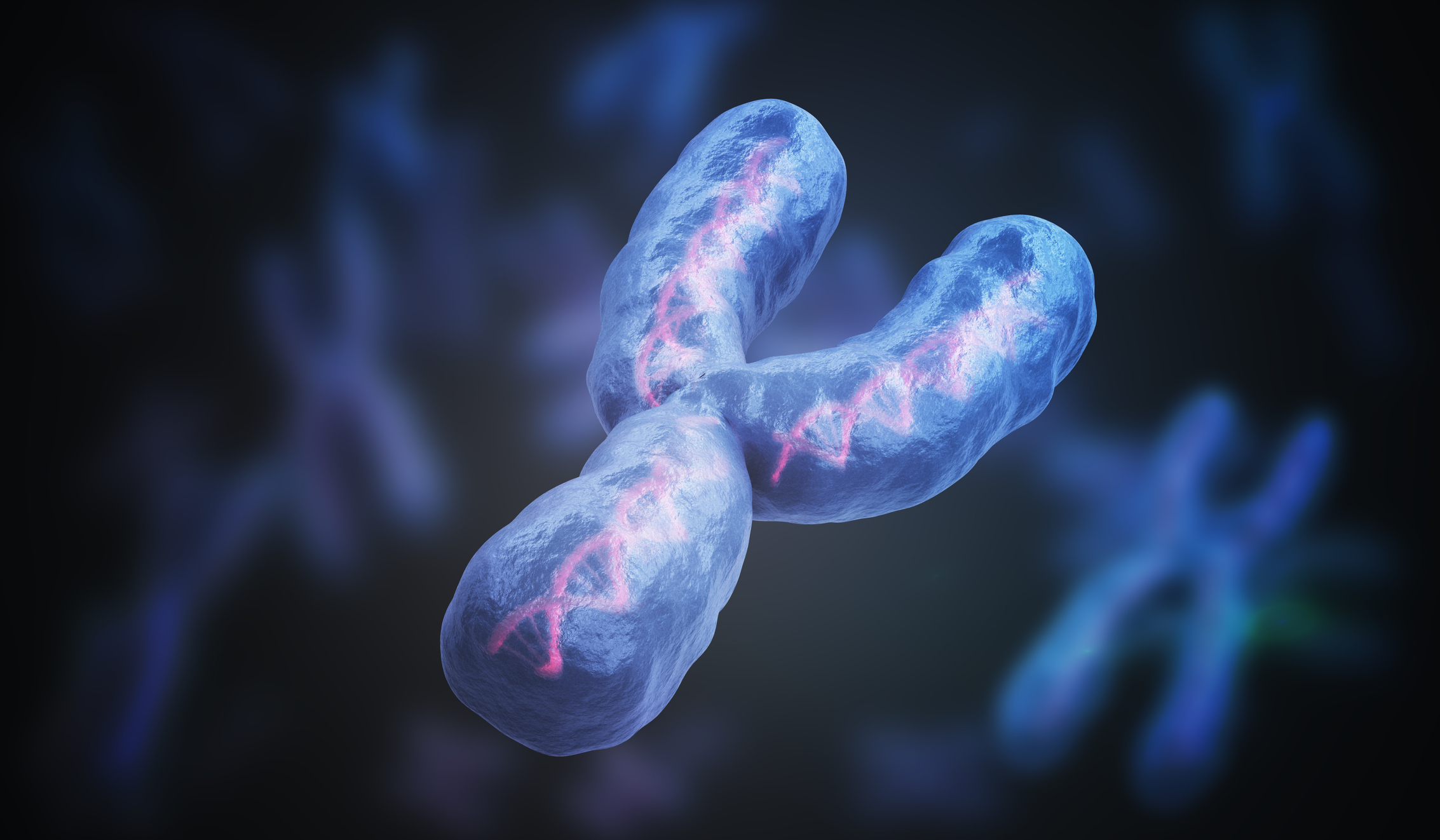
A pseudogene has been discovered on chromosome Y of the neurofilament light (NEFL) gene in humans.
-
Broken Sleep May Harm Blood Vessels

New research has revealed a potential connection between broken sleep and cardiovascular damage. The animal study, which was performed on mice, involved moving a bar across the bottom of the animals’ cages while they were sleeping. These mice were tested against normal mice who were allowed to sleep normally. The sleep fragmentation treatment reduced the mice’s…
-
Omega-3s and NLRP3 InflammasoMe Signaling in Human Obesity

In a recent study in the Journal of Endocrinology, the relationship between fish oil-derived long chain polyunsaturated fatty acids (n-3 PUFA) and the suppression of NLRP3 inflammasomes in human obesity through downregulation of inflammasome gene expression in adipocytes and macrophages was investigated. The NRLP3 inflammasome serves as a critical link between adipose inflammation and insulin…
Shop Our Brands: