-
Obesity and the Microbiome Influence

The gastrointestinal tract is an ecosystem that has a huge impact on human health. Research has shown the floral content of the intestine plays a role in obesity, allergies, inflammatory bowel disease, cancer, and even psychiatric disorders. A new animal study shows how fiber favorably affects the microbiome, and influences metabolism. Researchers assigned four different…
-
Zinc and Hypertension

New research links zinc deficiency to hypertension. Zinc is involved with hundreds of enzyme systems and has other health implications. Zinc has been shown to be beneficial for learning and cognition and is also recommended for people with a genetic predisposition to heart disease. It may even mitigate certain degenerative effects of aging. Some research…
-
Probiotics May Directly Affect Breast Milk Carbohydrate Composition

New research has revealed a possible two-way connection between maternal dietary microbes and the makeup of the oligosaccharide sugar molecules found in human breast milk. Until recently, it was thought that oligosaccharides affected the microbial communities within an infant’s gut, acting as prebiotics that then decreased their risk of certain infections, conditions and diseases. Studies…
-
Fiber, Back in Fashion

Fiber is back in the news. Most people have heard it before; sugar and refined carbohydrates are bad, and vegetables and whole grains are good. However, a recent review of research, published in The Lancet, attempts to give a broader view of the effect that carbohydrate quality has on overall health. This new study is…
-
Gut Microbiota and the Neuroendocrine System
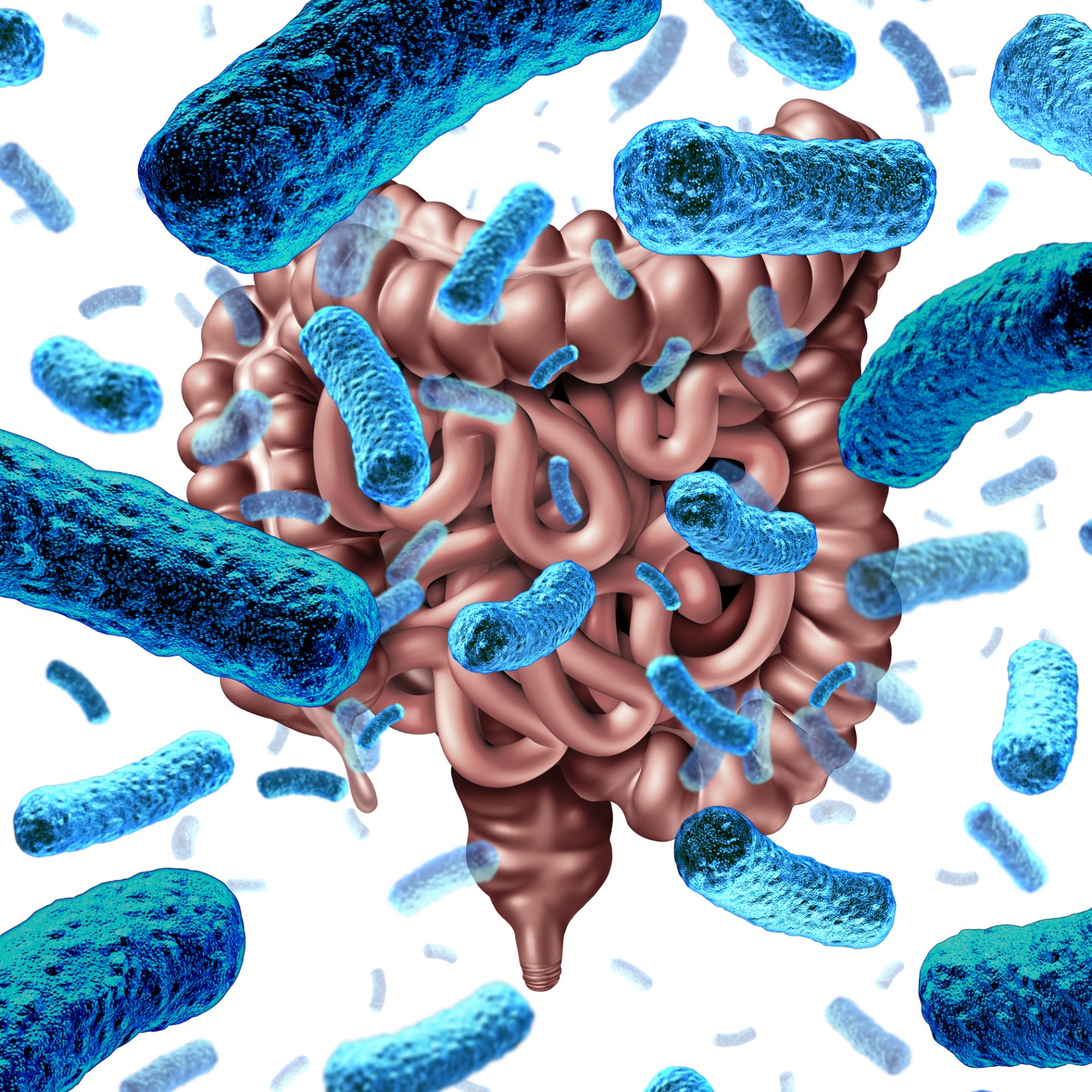
The gut-brain axis is undeniable, but specific mechanisms of influence continue to be investigated. Specifically, the gut microbiota is now considered the body’s major neuroendocrine system, controlling body processes including the stress response and the hypothalamic-pituitary-adrenal (HPA) axis. Back in the early 20th century, Nobel laureate, Ilya Metchnikoff, observed that the growth of cholera could…
-
New Study Links Omega-3s to Heart Health

Recently published research investigated the omega-3 index in patients with heart failure to explore association and potential prediction of risk. The omega-3 index is the sum of EPA and DHA in erythrocyte membranes. Blood samples from 899 subjects with systolic heart failure were analyzed for fatty acid composition. The authors concluded, “Our results show a…
-
Another Vote for Coffee

The debate over whether or not we should be drinking coffee brews on. In a previous blog post, we weigh some pros and cons to drinking this delicious dark brown elixir (author is an admitted coffee junkie). Now we can add to the discourse results from a new study in the Journal of Internal Medicine…
-
Veggies Boost Brain Power

A new Harvard study highlights another reason why mother’s advice to “eat your veggies” is spot on for long-term health and, in particular, cognitive health. The study that started in 1986 and followed 27,842 men for 26 years was designed to highlight the impact of fruits and vegetables on subjective cognitive function (SCF). The subjects…
-
Music and the Brain

Music has healing power,” Elton John once said, and recent research confirms this. Although aging and cognitive decline are affected by a wide variety of factors, music may be one factor that enhances cognition. A new study looked at the impact musical practice has on neurocognitive aging. The paper was a systematic meta-analysis of studies dealing with…
-
Better Cognitive Health in India?

Back in February of 2010, the BBC reported on Ballabgarh, a village in northern India that had an unusually low rate of Alzheimer’s disease (AD)—lower than anywhere else in the world. University of Pittsburgh researchers had spent several years there, testing more than 5,000 subjects over the age of 55. They found that the rate…
Shop Our Brands: