
-
New Study Reveals How Memories are Formed When We Sleep

A paper published in the Science Journal on October 18, 2019 has altered what we previously thought about delta waves and memory formation. For decades, we have thought that the brain rests during deep stage 3 of NREM sleep. However, scientists at the Center for Interdisciplinary Research in Biology (CNRS/Collège de France/INSERM) recently discovered something…
-
Practicing Gratitude Has Lasting Health Benefits

Previous research has linked the regular practice of gratitude with a host of benefits, both physical and emotional. A 2016 study examined the neural basis of gratitude expression and how it may have even more long-term effects on brain activity than previously known.
-
A HIGH-SUGAR DIET DEPLETES BRAIN HEALTH COMPOUNDS

Researchers from the University of Michigan have found that when fruit flies are put on a high sugar diet, key metabolites related to brain health become depleted. A previous study performed in the same institution showed that an increase in the metabolite glucosamine-6-phosphate with a high sugar diet caused overeating and obesity in fruit flies. …
-
Prenatal Pesticide Exposure Linked to Changes in Teen’s Brain Activity

A new study using advanced brain imaging is one of the first to reveal how exposure to organophosphate pesticides (OPs) changes the brain. Over 800 million pounds of pesticide active ingredients are applied in the USA each year, and OPs are the most common type of insecticides among them. The predominant route of exposure to…
-
Newly Discovered Metronome Neuron Cells
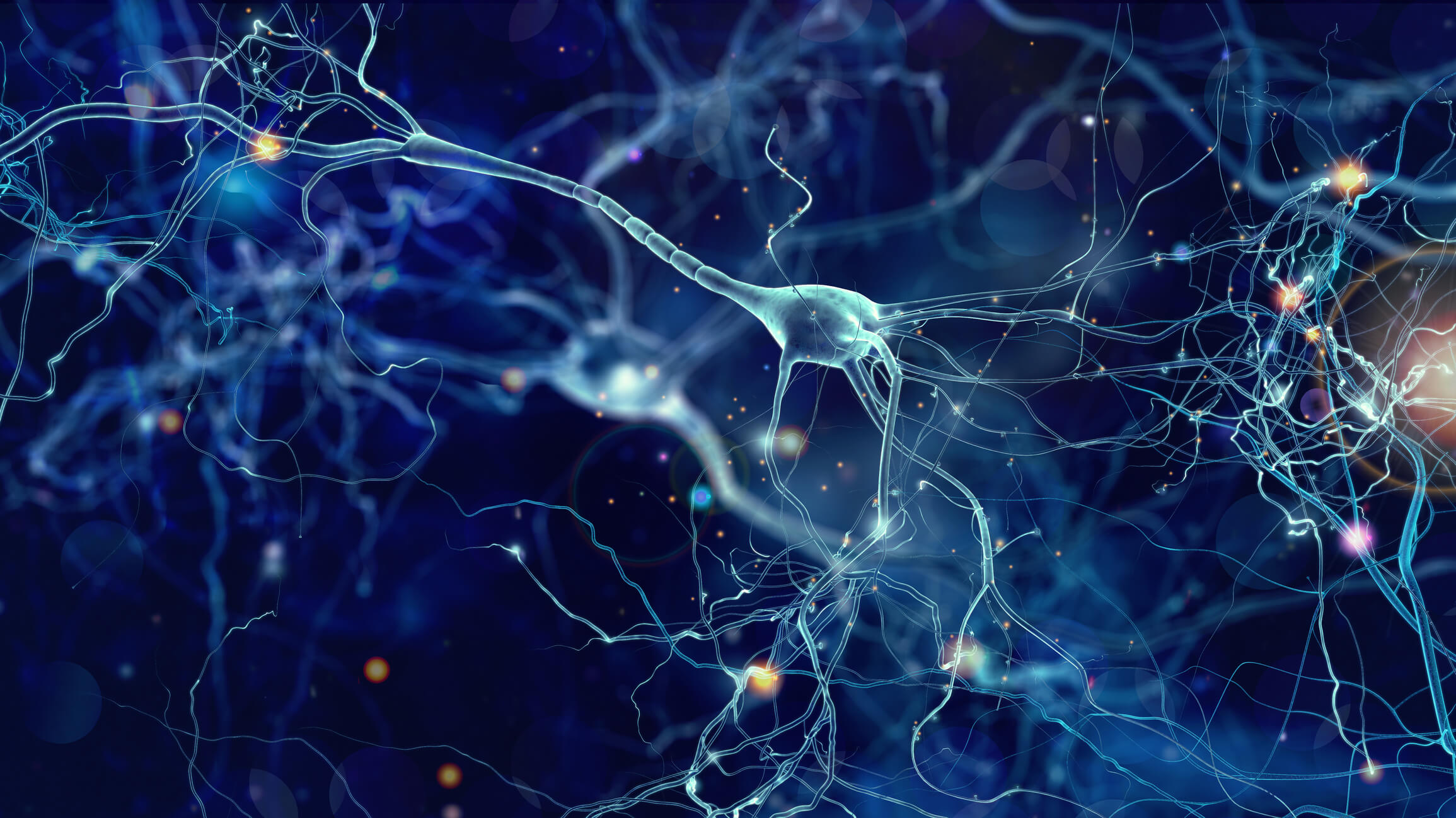
A recent study carried out by Brown University neuroscientists discovered new metronome neuron cells in the brain. This exciting discovery may shed light on the brain’s long-hypothesized internal clock and possible methods to increase sensitivity in the brain. The metronome neuron cells oscillate at approximately 40 cycles per second, which makes them “gamma waves” or…
-
Healthy Brainwaves to Increase GABA
How our brains function is more complex than ever imagined. For a long time, the brain was thought to be compartmentalized, specialized and fixed. In fact, in the 1970’s a group of neuroscientists set out to prove that was the case. Interestingly neuroplasticity was discovered while trying to prove quite the opposite. The truth is,…
-
Mapping Brain Connectivity: A New Frontier in Understanding Mental Illness
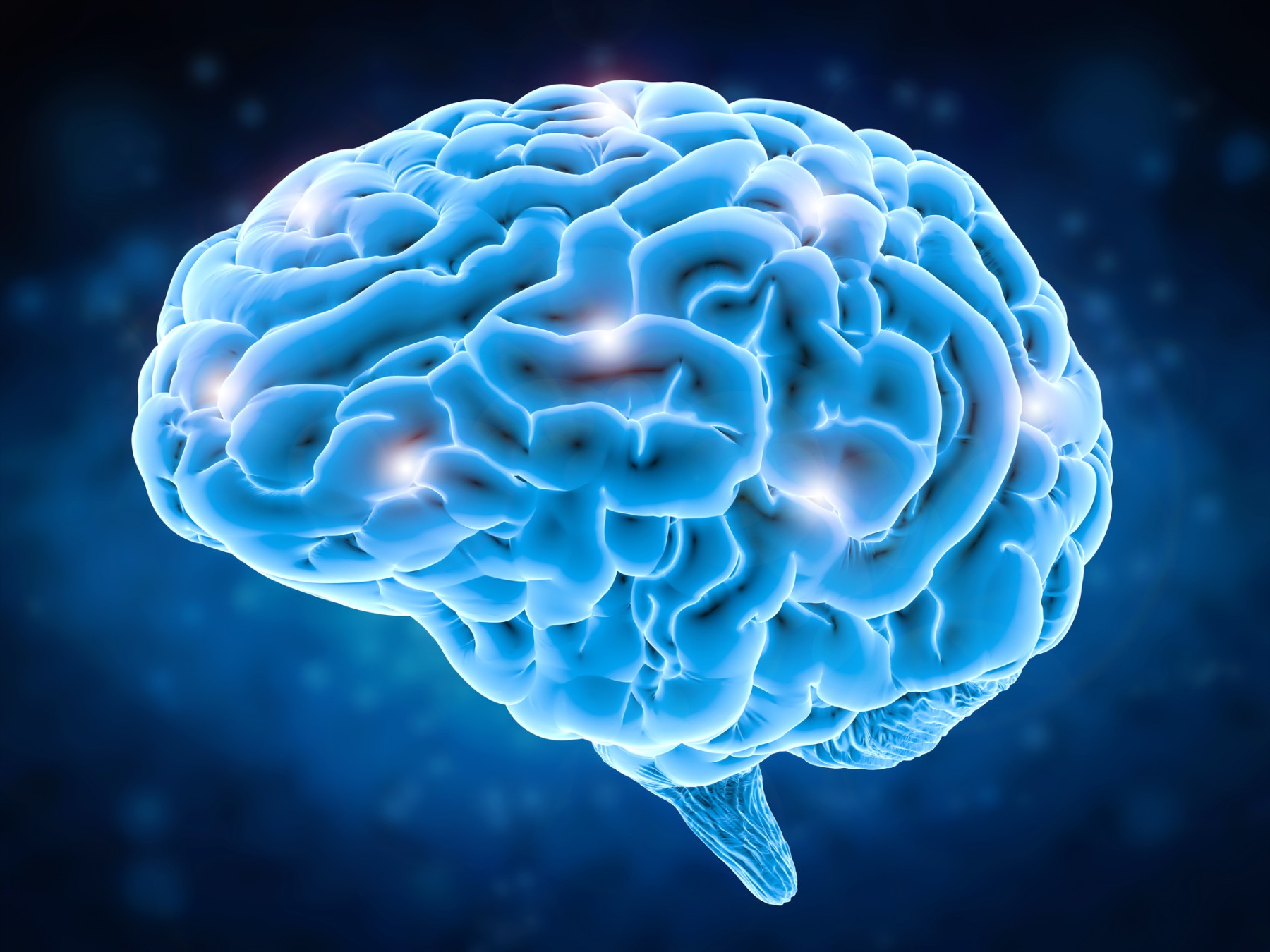
Data from more than 1,000 brain scans have revealed interesting patterns in the way large-scale systems in the brain interact with each other. Using functional magnetic resonance imaging, they performed rest scans on 120 people who had been diagnosed with bipolar disorder, schizophrenia, depression, and other conditions, 192 people with affective disorders with no psychosis,…
-
Magnesium to Hack the Brain
The brain’s metabolism never stops. Even during a coma, the metabolism inside the brain only slows down by 50%. As such, the brain is a very resource-hungry organism that requires a great deal of nutrition and, in turn, creates a lot of metabolic waste. The brain uses magnesium for hundreds of enzymatic reactions and deficiencies…
-
Beet Your Way to Health

Red beetroot (Beta vulgaris rubra) has been gaining popularity as a functional food that has potential to prevent disease and promote health. Beets belong to the chenopod family along with other foods such as chard, spinach, and quinoa. They have been used throughout history as a treatment for numerous ailments, and still evoke an emotional…
-
Review: The Role of Vitamin D and Lipoprotein Receptor-Related Protein in Amyloid Clearance and Brain Health
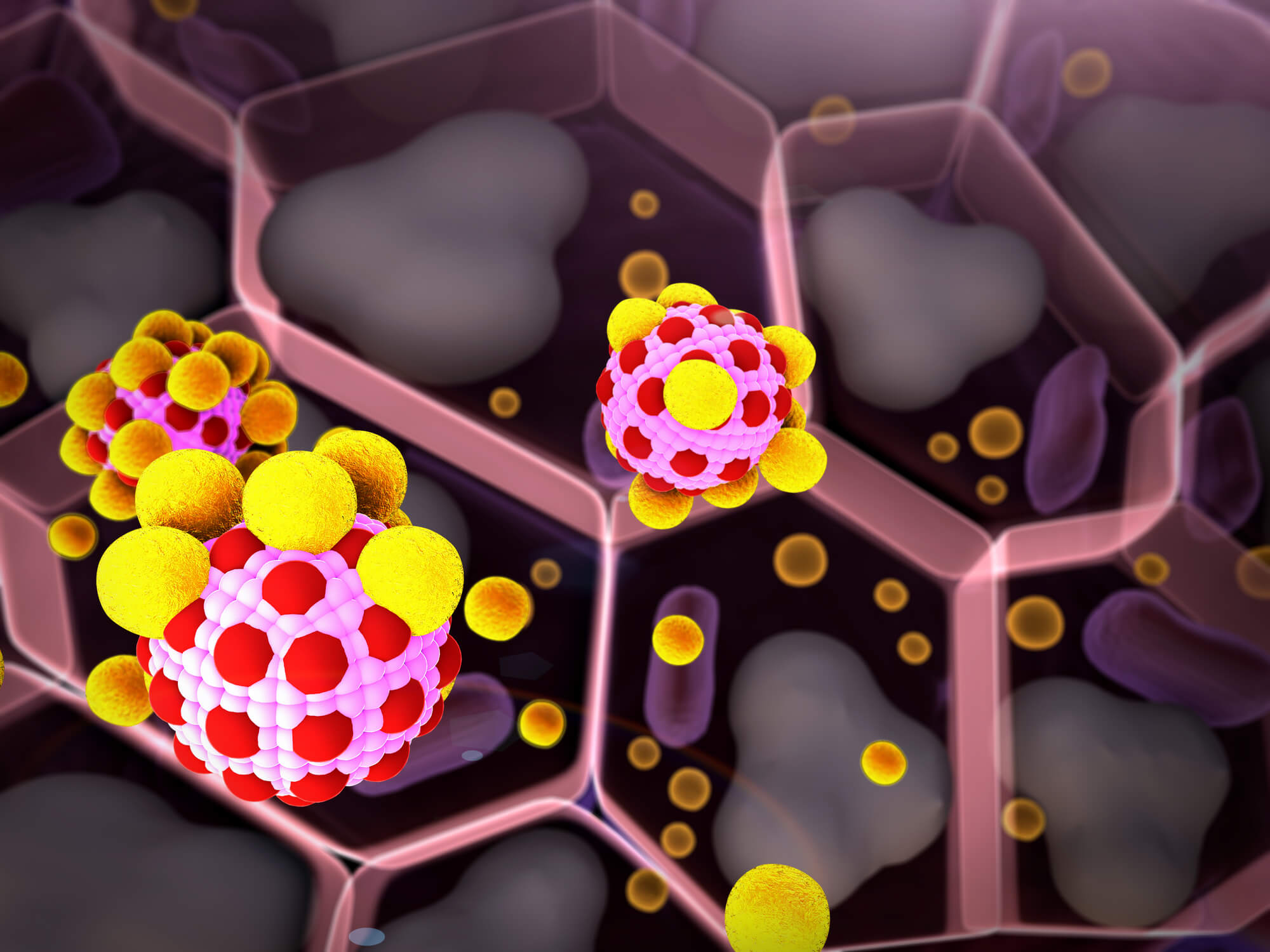
A review on the relationship between vitamin D and low-density lipoprotein receptor-related protein (LRP-1) has revealed that the two may work together to possibly clear amyloid-beta (Aβ), whose deposition is considered linked to the progression of neurological dysfunction. LRP-1 is a large receptor present on the body’s cells and is widely expressed, or present, in…
Shop Our Brands: