-
3 Reasons Why DHA is Important for Kids

As more and more baby boomers enter their senior years, suggestions on how to improve neurological health seem to be gaining in popularity. With this recent surge of interest in optimizing brain health, we may lose sight of its relevance in children. Yes, aging adults may experience a decline in cognition, memory and learning, but…
-
DHA Pathway to the Brain
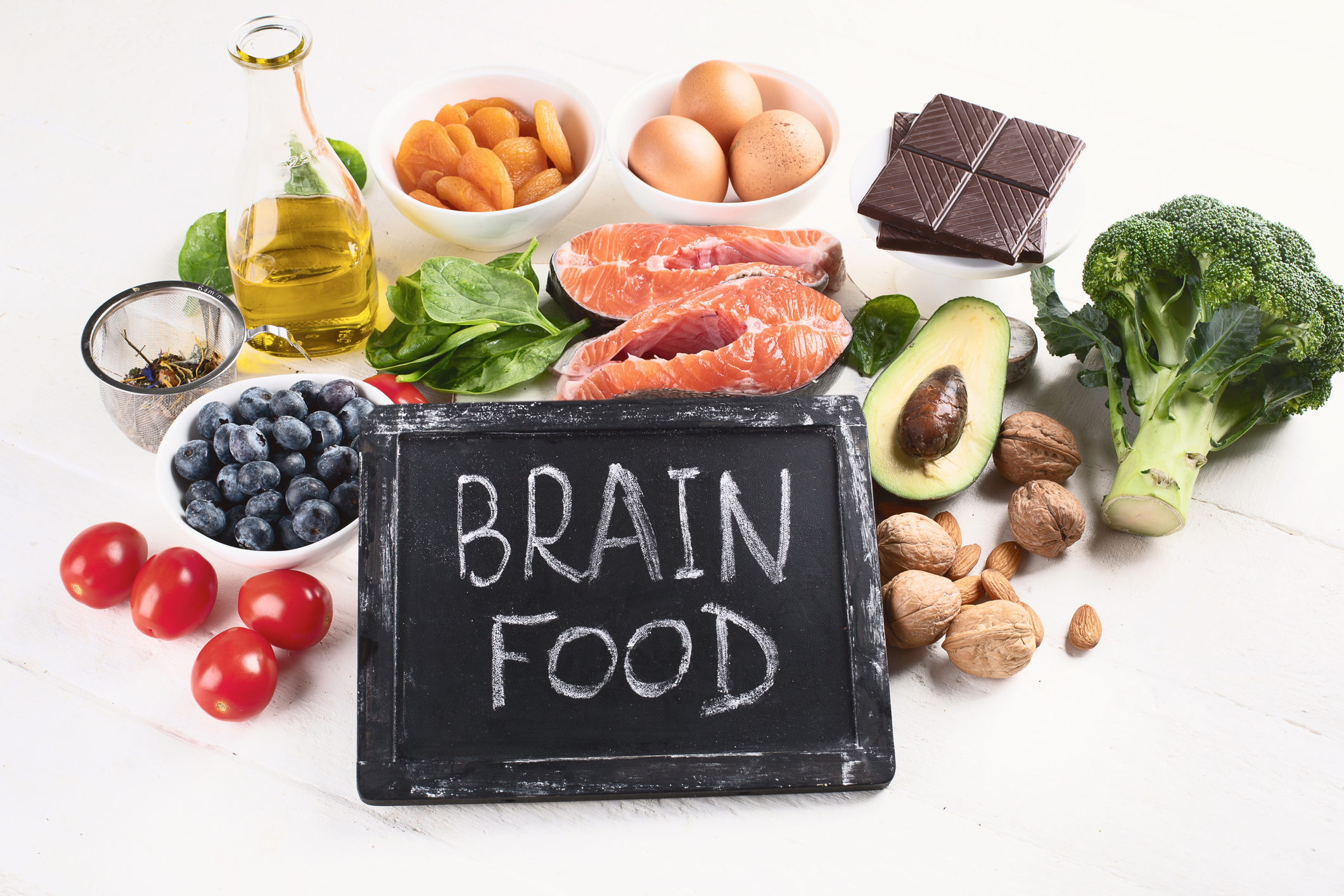
The health benefits of two omega-3 fatty acids, eicosapentaenoic acid (EPA) and docosahexaenoic acid (DHA), seem indisputable and range from improved cardiovascular risk factors and body composition to promotion of healthy inflammatory pathways. Lately, however, DHA has received a brighter spotlight of attention in the news due to its ability to influence the structure, function,…
-
Cannabis Sativa: History, Chemistry & Uses
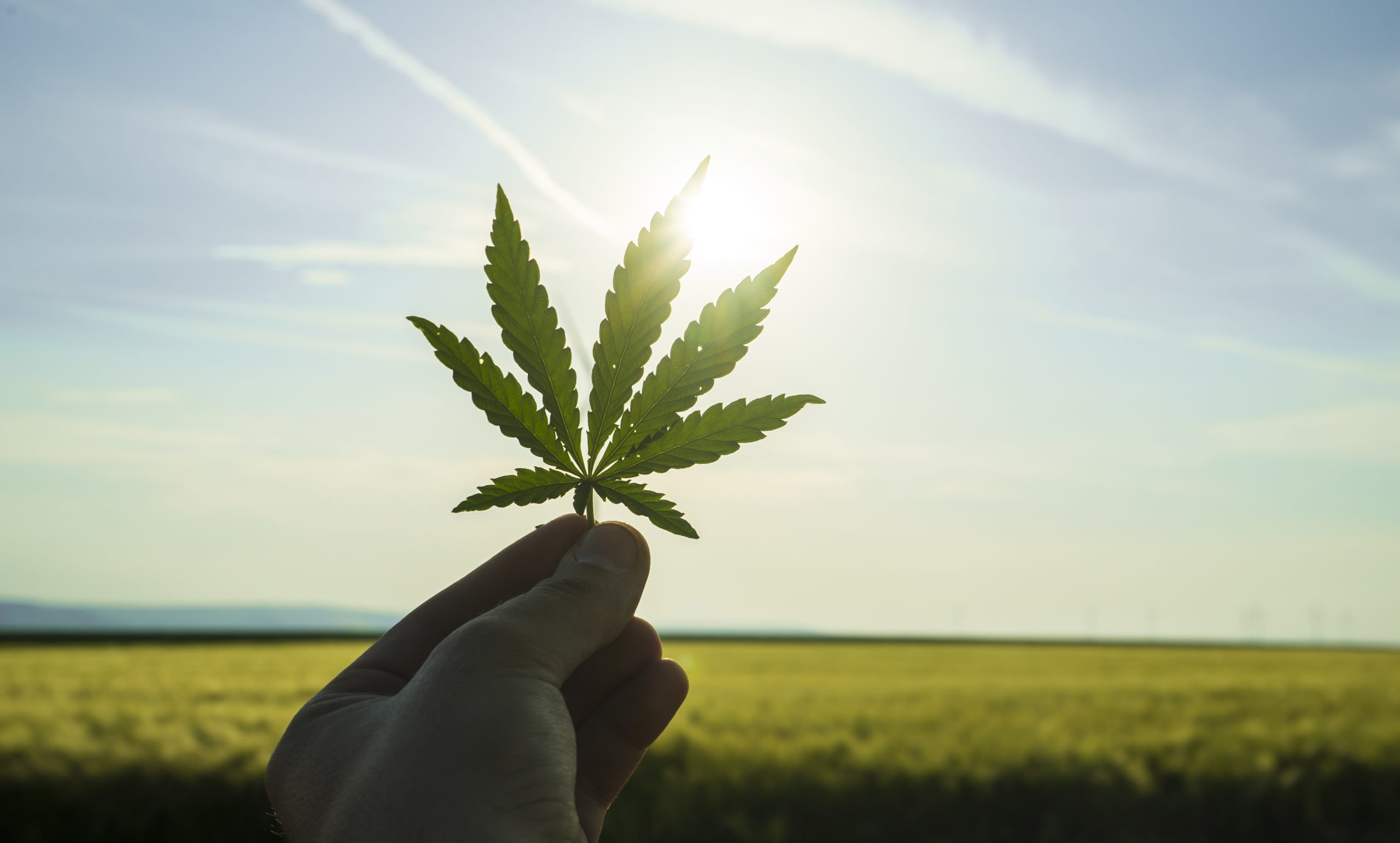
Hemp and marijuana are both from the same Cannabis sativa plant, but hemp is marijuana’s non-psychoactive cousin mostly used for the extraction of cannabinoids. As legislation around hemp and marijuana change in the US, it’s important to understand the history and to know the difference between the plants.
-
Hemp 101

The interest and use of hemp products have grown exponentially over the past several decades as the understanding of the plant’s bioactives continues to garner attention. First thing, the difference between hemp and marijuana must be established given their relation to the Cannabis industry and legal considerations. Both hemp and marijuana come from the same…
-
Not All Supplements are Created Equally
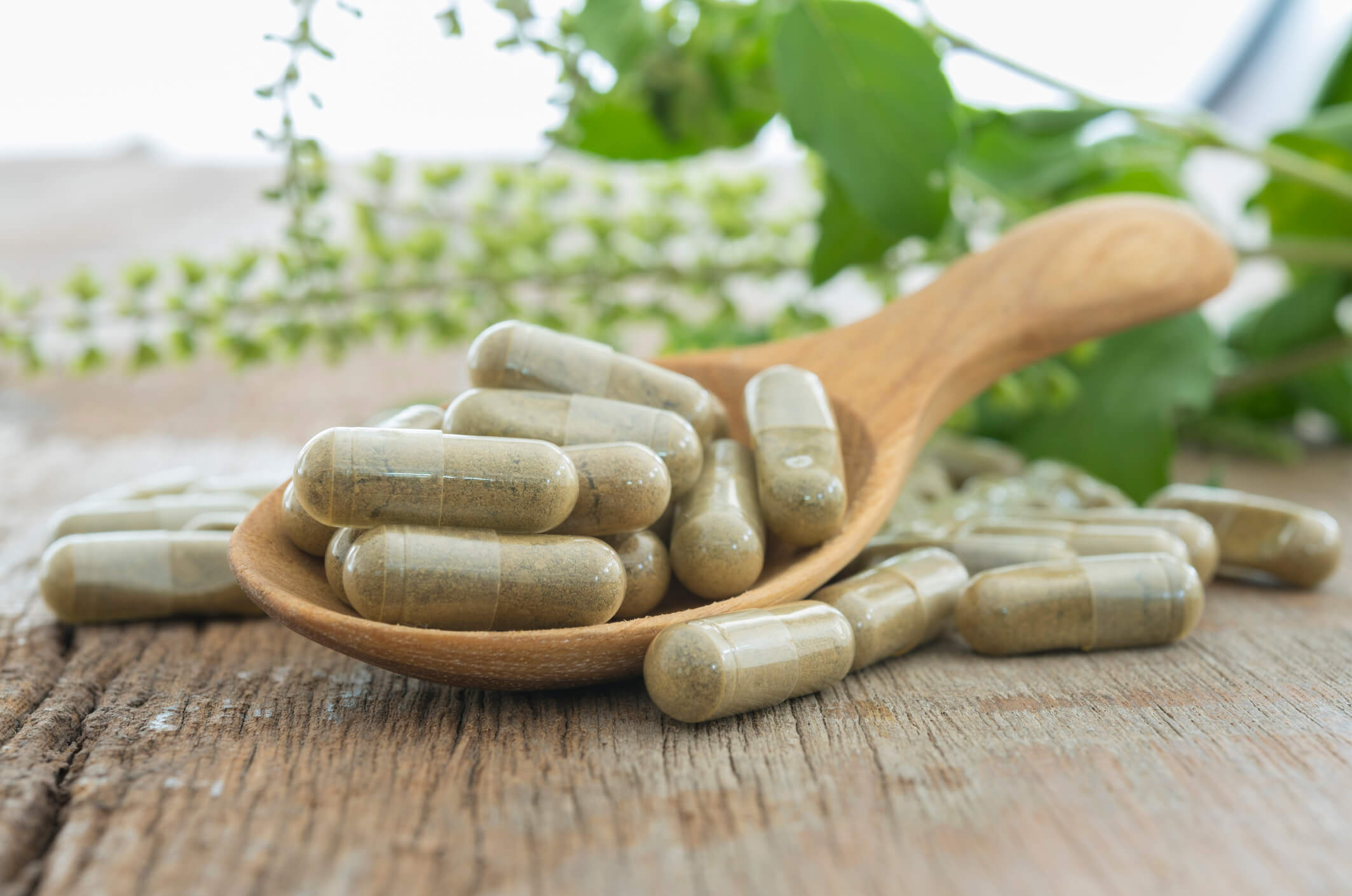
Dietary supplementation is now commonplace in the American diet with many people concerned food alone cannot meet nutritional requirements. However, not all supplements are created equally. In order to ensure that an individual can successfully navigate the endless choices of supplements, it’s important to know some do’s and don’ts of proper dietary supplementation.
-
4 Ways Melatonin Regulates the Stress Response
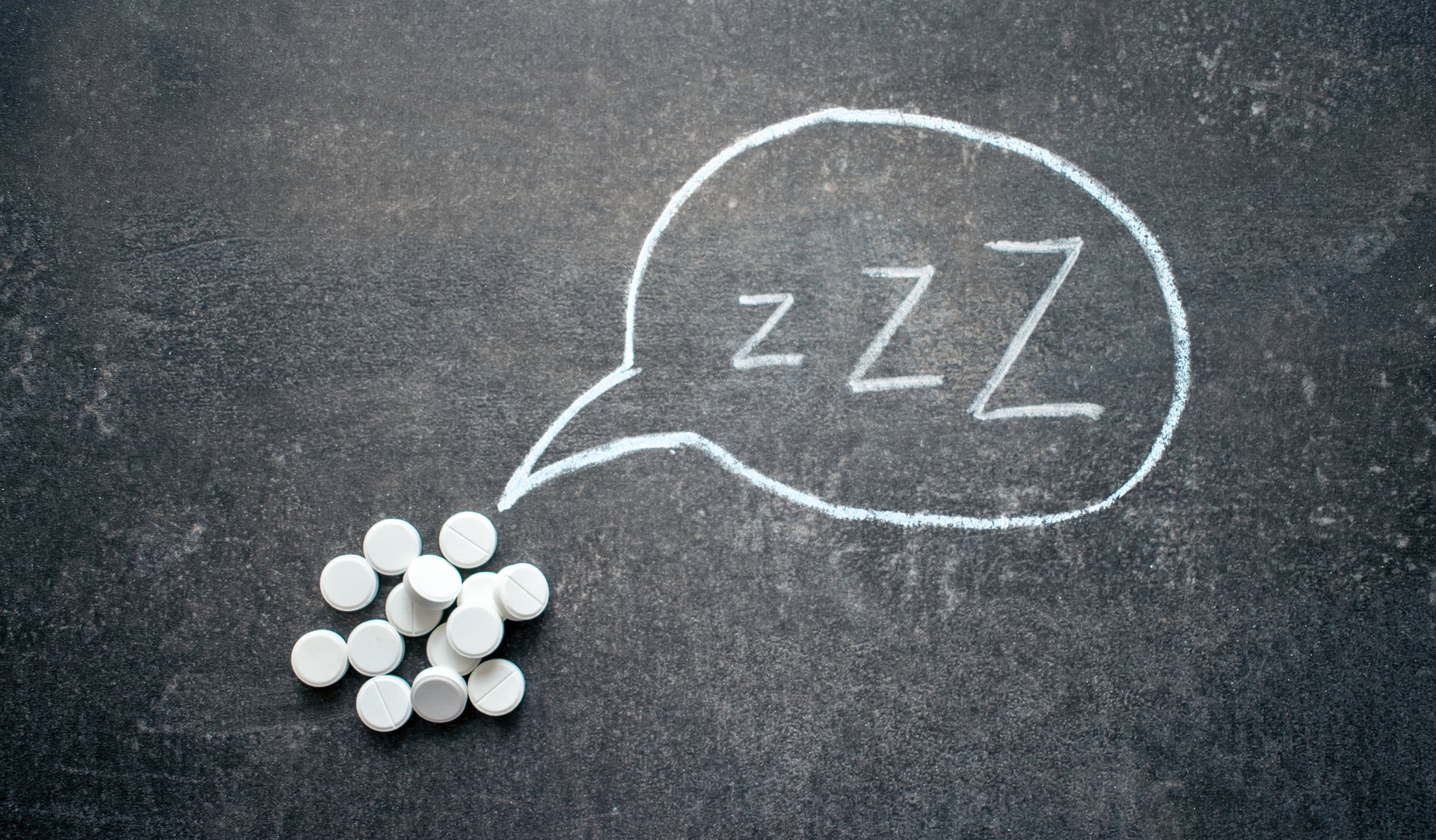
Acute or chronic stress can trigger an overactive sympathetic nervous system, resulting in high oxidative stress. The immune system functions at its best in the parasympathetic state so when it switches to a sympathetic state, the body is vulnerable to disease. Chronic release of hormones such as cortisol, catecholamines and neuropeptides due to stress also…
-
Simple 3-Step Gratitude Practice

Gratitude is more than a positive personality trait or a willy-nilly feeling. Gratitude has the power to change the lens through which we view the world, bringing us more joy, health and satisfaction. It’s easy to see the problems in life, not because we are cynical, but because we are looking for what we can…
-
7 Tips to Reduce Stress this Holiday Season

Overwhelmed by the mounting to-do list this holiday season? You’re not alone. The holiday season comes with what seems like a never ending list of additional responsibilities. Holiday stress is a real thing – and something that you can manage if you follow a few tips and tricks. A 2015 Healthline study found that 62%…
-
Stress – The Mind-Body Connection Part 2
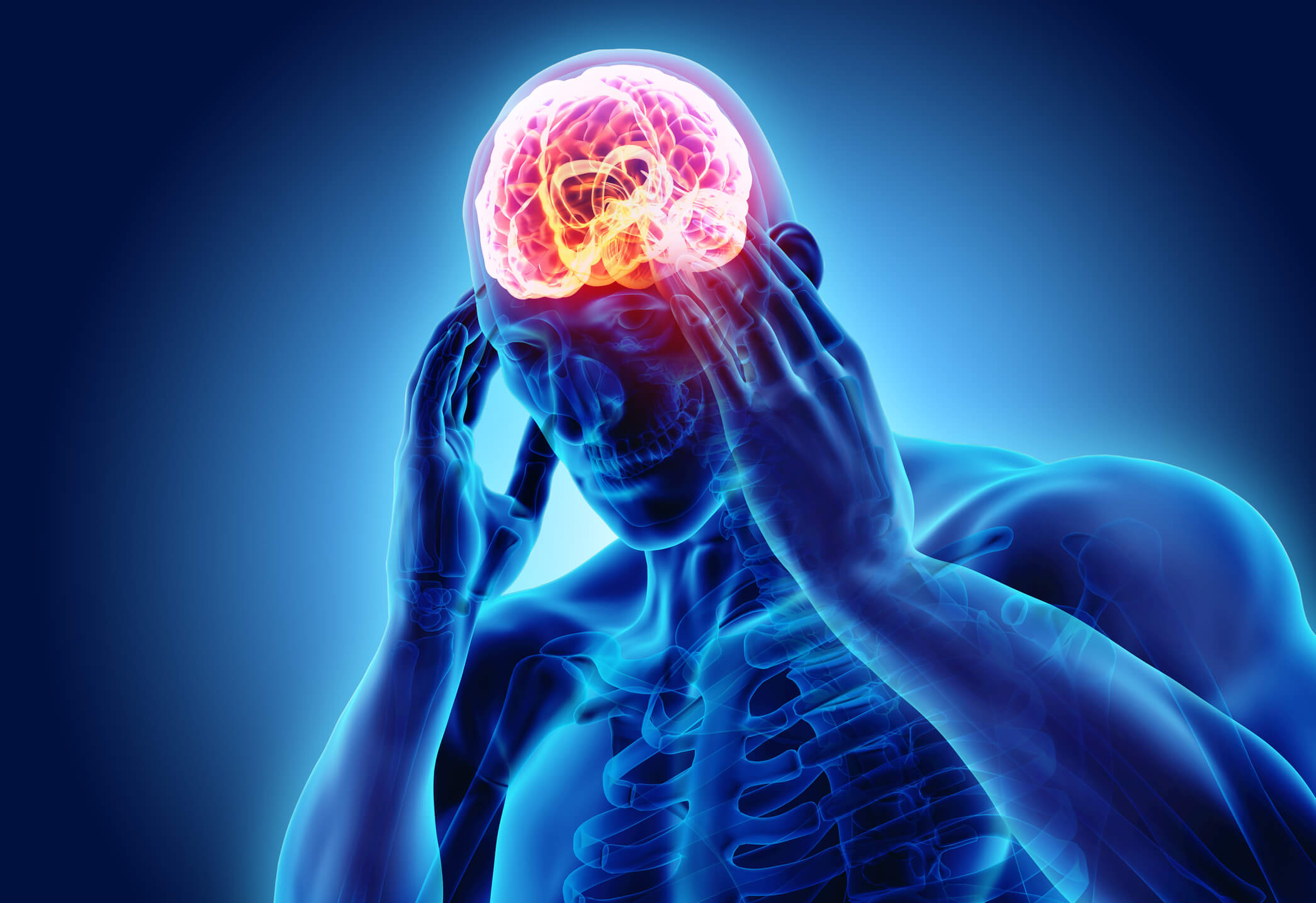
Welcome back to Part 2 of “Stress – The Mind-Body Connection”. In Part 1, we discovered the science and psychology behind the mind-body disconnect, how hormones affect our perception of the world, how stress produces visible changes in the brain as well as enhanced emotionality, and much more. If you have not read part one,…
-
Stress – The Mind-Body Connection Part 1

Dualism states that the mind and body are separate and this theory is accepted by many despite much evidence showing an observable bidirectional relationship between the mind and body. For example, the gut microbiome sends signals to the brain, and vice versa. The heart sends signals to the brain and the adrenals are also known…
Shop Our Brands: