-
NAC & PCOS
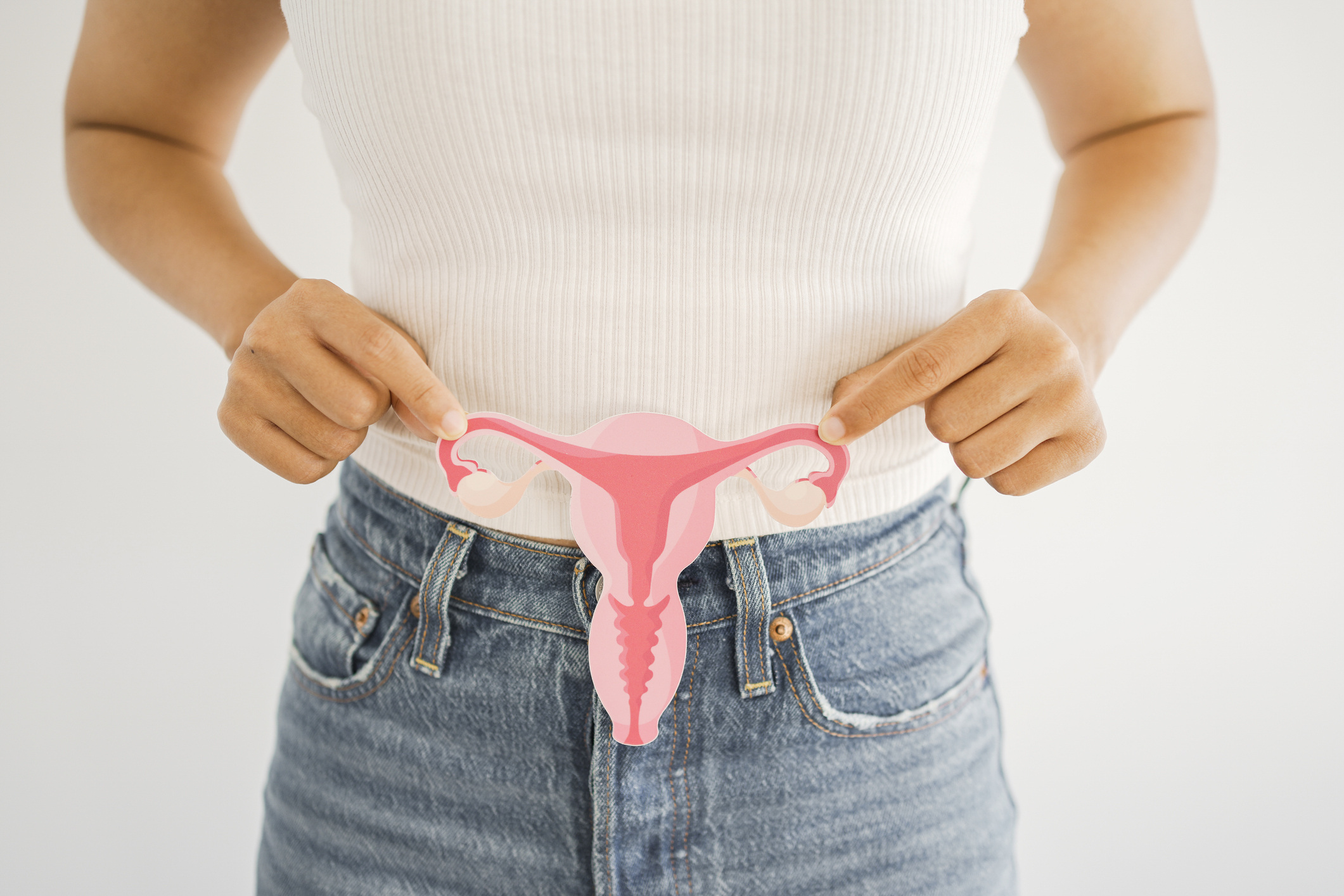
Results of a randomized and controlled trial evaluating the use of N-acetylcysteine (NAC) on pregnancy outcomes and ovulation induction among women with polycystic ovarian syndrome (PCOS) were recently published in the Journal of Ovarian Research. NAC and other antioxidants have been evaluated in a number of PCOS trials, though it is not clear if its…
-
PFAS, Personal Care Products & Infants

Results of a study published in Environment International suggest that the use of personal care products (PCPs) increases plasma levels of per- and polyfluoroalkyl substances (PFAS) among pregnant women, as well as PFAS levels in the milk of lactating women living in Canada. The data for this study was provided by the Maternal-Infant Research on…
-
Exercise & the Endocannabinoid System

Widely distributed throughout the body and central nervous system, the endocannabinoid system (ECS) is a significant modulator of health. This intricate, cellular signaling network is pivotal for governing homeostasis across the body’s systems. A growing body of research underscores the role the ECS has in maintaining health, with emerging findings demonstrating the impact exercise has…
-
Influences on Detoxification Capacities

A wide spectrum of detoxification capacity exists in the general population, a result not only of genetic differences but also environmental factors. For example, substantial variation in inter-individual responses to caffeine is well documented; the demethylation of caffeine to paraxanthine, the primary metabolic pathway for elimination, is mediated exclusively by cytochrome P450 isoform 1A2 (CYP1A2),…
-
Epigenetic Clocks in Young People

JAMA Network Open recently published the results of a cohort study that analyzed the associations between sociodemographic and lifestyle factors and 16 different epigenetic clocks, i.e., estimates of biological aging (epigenetic age acceleration) and mortality/morbidity risk. This study was conducted to help fill a number of gaps in knowledge, primarily the lack of data regarding multiple…
-
Gut Microbiome & Neurological Health
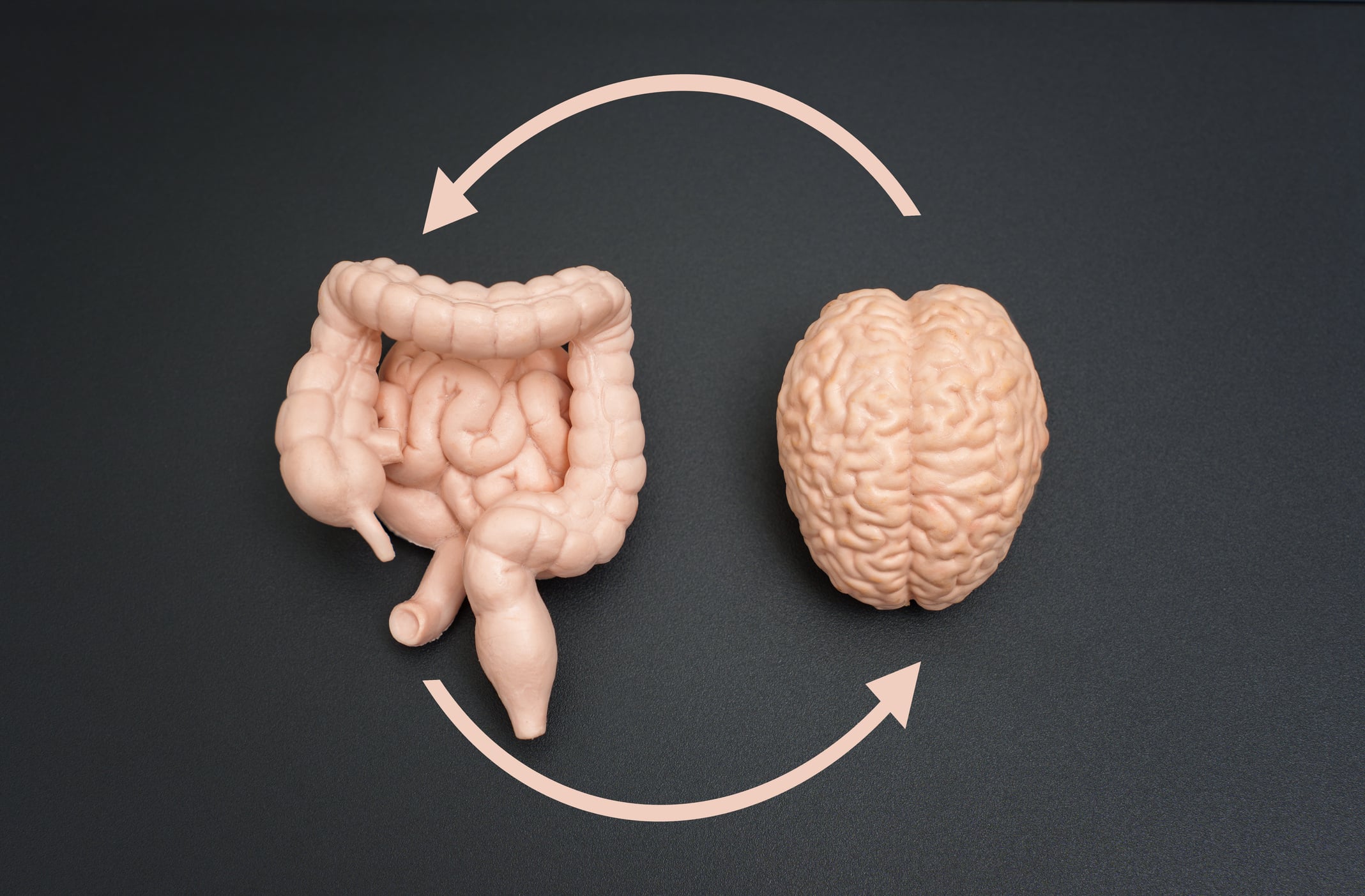
A growing body of evidence suggests that the gut microbiome plays a role in the etiology of neurodegenerative diseases, with indications that in at least some conditions, the very first signs of pathology occur in the GI tract first. Additionally, the “gut-brain axis,” i.e., the bilateral communication that occurs between the central nervous system (CNS)…
-
Competing Models of Obesity
Despite decades of research on what causes obesity, controversy still abounds. If it were really as simple as eating too much and not getting enough exercise, then “Eat less, move more” is the only advice anyone would have ever needed. But with nearly 42 percent of adults in the US having obesity, then either this…
-
Psychoneuroimmunology: The Mind-Body Connection

Psychoneuroimmunology (PNI) underscores the profound interrelationship between the body and mind. PNI describes how chronic stress—emotional or psychological– impacts integral biological pathways, revealing alterations in nervous, immune and endocrine functions, as well as the gut microbiome.
-
Profound Compounds of Broccoli
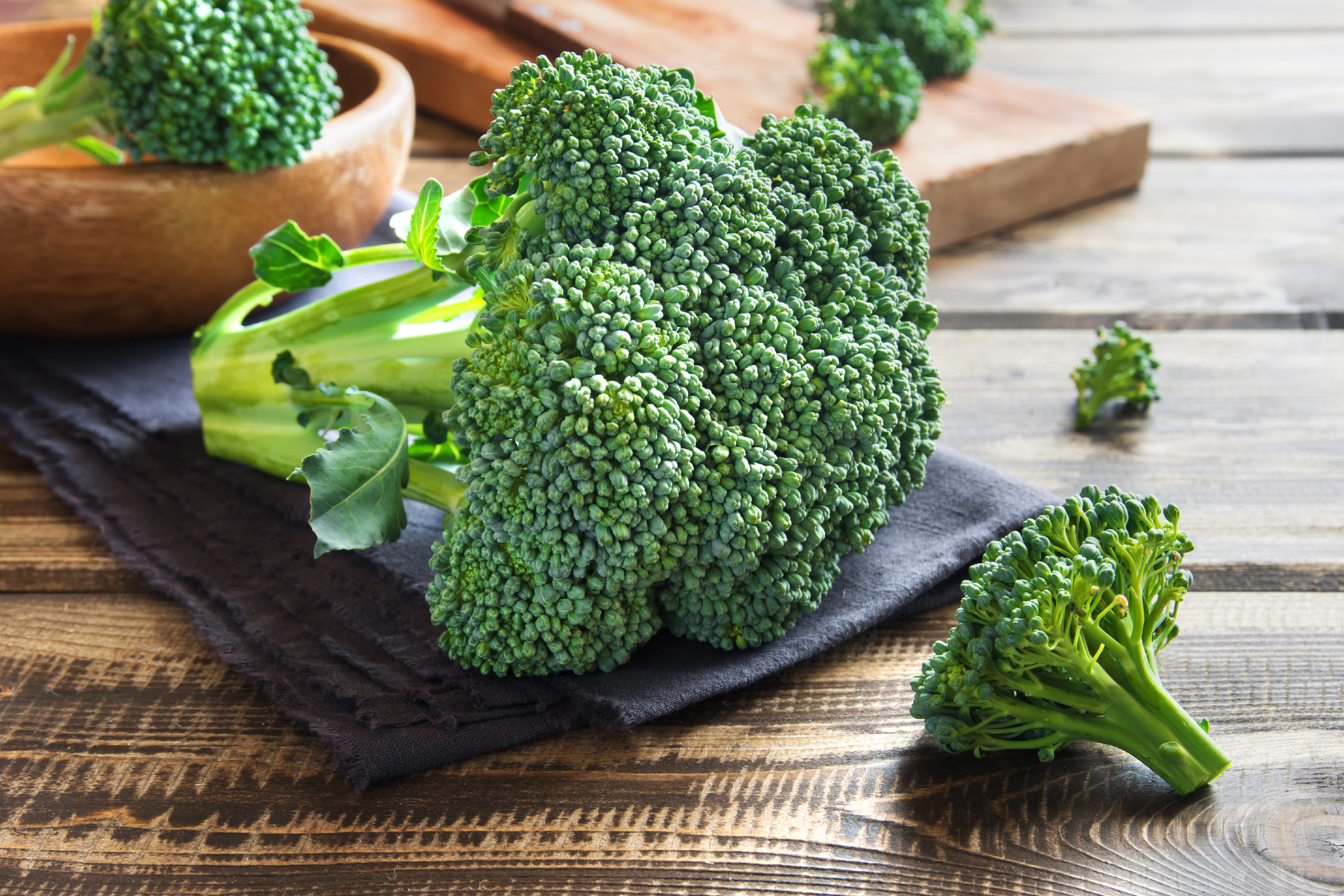
Broccoli, (Brassica oleracea var. italica) a nutrient dense, cruciferous vegetable has gained significant recognition in the literature due to its profound bioactive compounds, conferring a host of benefits to cellular health.
-
How Exercise Affects Your Gut

Though it is well known that diet can certainly modulate the composition of the gut microbiota, we are only just beginning to understand how exercise affects your gut and gut microbiome. However, considering the many roles of the gut in the development and maintenance of overall health, it is not surprising that there is great…
Shop Our Brands: