
-
Relative Risk Reporting & Statins

A recent review paper adds to the growing concern over clinical trial data related to the efficacy of statin drugs being reported in a misleading way. The review focuses on the use of relative risk reduction rather than absolute risk reduction with regard to the efficacy of statins in five landmark randomized controlled trials (RCTs)…
-
Sugar Processing in the Brain

Insights at the molecular level suggest that obesity may have neuronal origins in an area of the brain called the nucleus accumbens, giving us a new perspective on the causes of obesity.
-
Estrogen Levels & Arrhythmias

A study has found that the sex hormone estrogen may have a negative impact on heartbeat regulation, according to an experimental study published in the journal, Science Advances. The study explored the reason why women are more likely to suffer from long-QT syndrome (LQTS), where changes in the heart’s electrical system lead to potentially life-threatening…
-
Dietary Associations with Miscarriage

Results of a recent meta-analysis and systematic review were recently published in Fertility and Sterility, describing the links between pre-conception diets among healthy women and rates of miscarriage. Researchers from the University of Birmingham included 20 studies, 6 of which were suitable for analysis (2 cohort, 4 case-control), including over 13,000 women.
-
T2D Remission & Retinopathy
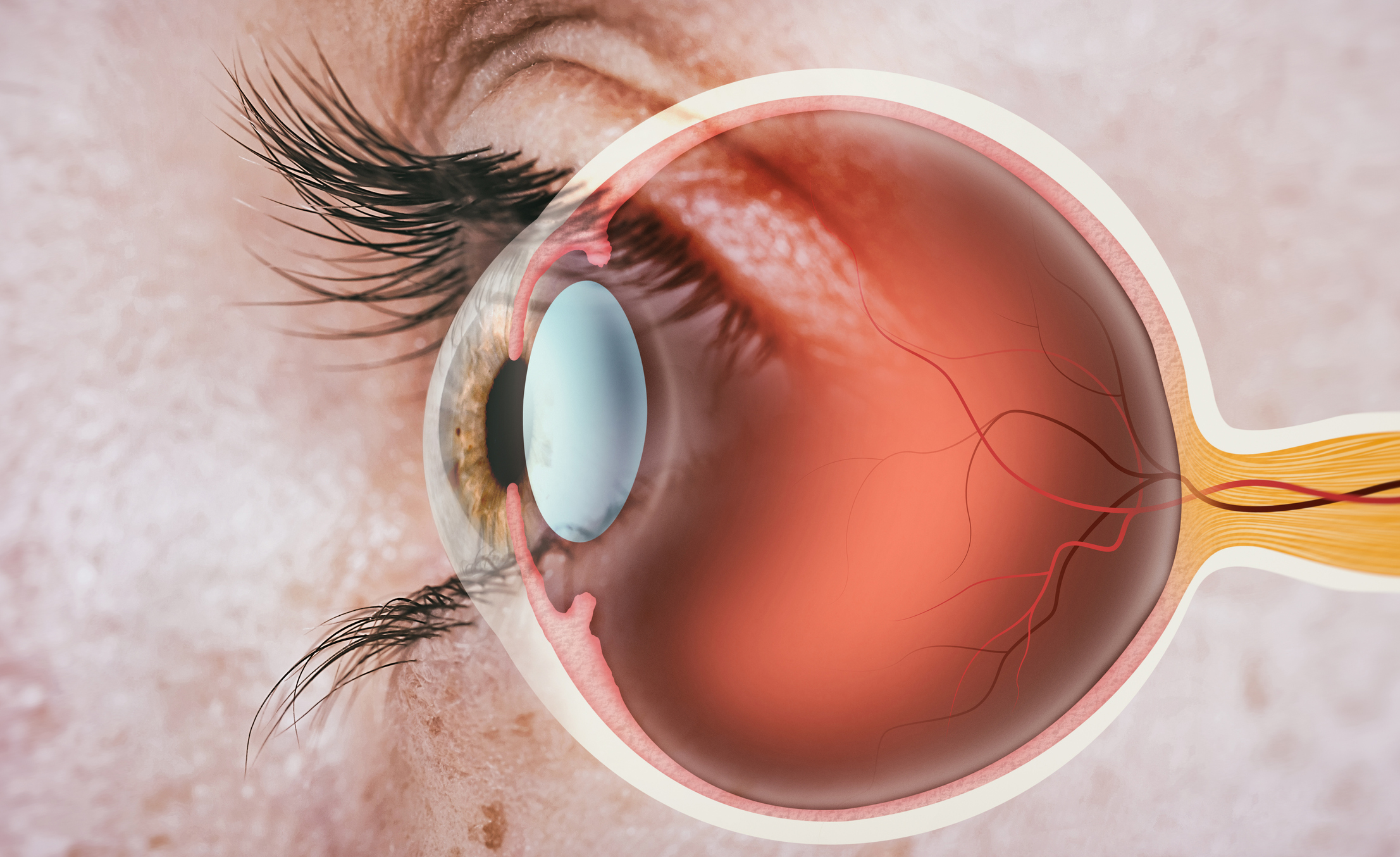
A paper published recently in the Journal of Insulin Resistance makes the case that putting type 2 diabetes into remission could have a powerful impact on preventing or slowing progression of diabetic retinopathy, and that primary care physicians can play a role in making this happen.
-
FSH & Reproduction

A recent study has furthered understanding of the relationship between follicle-stimulating hormone (FSH) and follicle-stimulating hormone receptor (FSHR), which may help support the design of more targeted approaches to fertility and other FSHR-related issues.
-
HRT & Cognitive Health

Recent research suggests that hormone replacement therapy (HRT) may have a positive impact on brain volume and reduce the rate of cognitive decline in women carrying the APOE4 genotype, the most common genetic determinant of the risk of cognitive decline.
-
Magnesium & Brain Volume

More evidence of the likely neuroprotective effect of magnesium was recently published in the European Journal of Nutrition. This study comes on the heels of an analysis of NHANES data published last year in Alzheimer’s & Dementia which found that a higher total intake (diet and supplemental) of magnesium was associated with better cognitive function…
-
Omega-3s & Blood Pressure
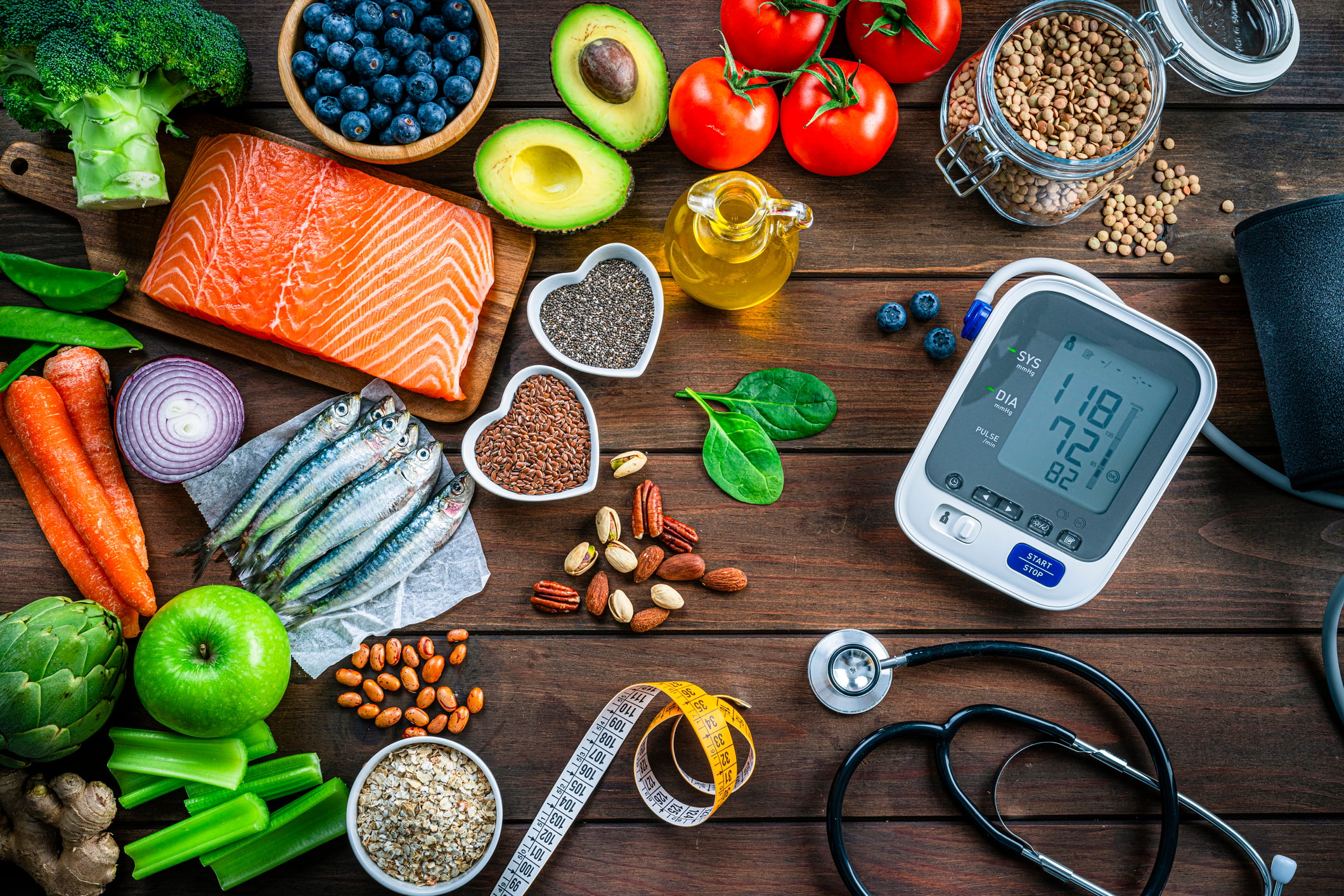
A dose-response meta-analysis of randomized controlled trials on omega-3 polyunsaturated fatty acids (PUFAs) and blood pressure (BP) has shown that specific doses of around 3 grams are optimal for lowering blood pressure in the general population.
-
Watermelon & Hepatic Gene Expression

An interesting study has found that the consumption of watermelon may positively impact hepatic gene expression and upregulate lipid metabolism in obese mice.
Shop Our Brands: