
-
Avocados Support Healthy Weight Management

Scientists have shown for the first time that a compound found only in avocados may inhibit processes in the pancreas that usually lead to diabetes and obesity.
-
High Dietary Fiber Intake Improves Overall Health

A review of studies and trials conducted over the last 40 years has shown that there is a link between eating more dietary fiber and whole grains and a lower risk of non-communicable diseases such as coronary heart disease, type 2 diabetes, and colorectal cancer.
-
10 Dietary Fiber Sources to Upregulate Microbiome Health
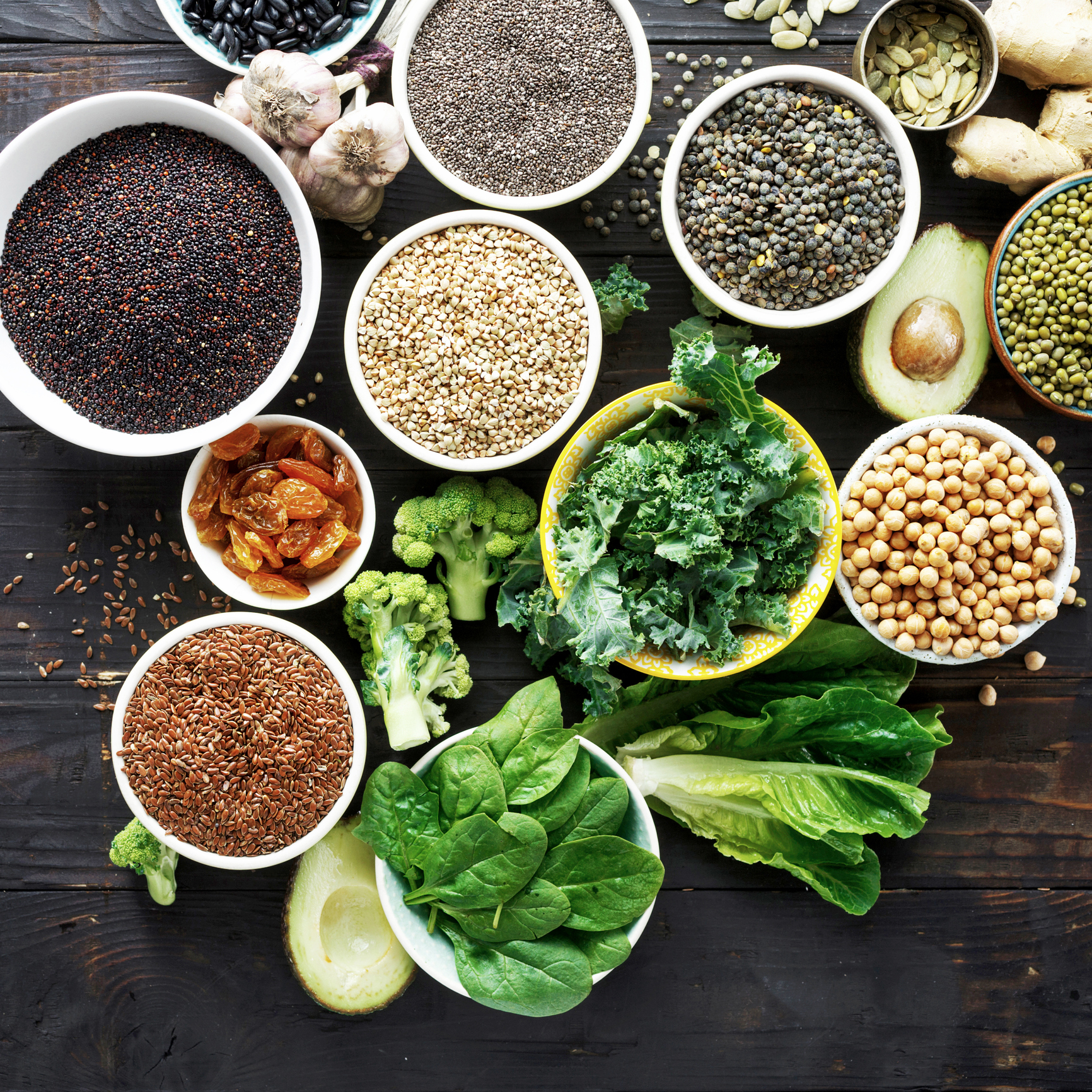
Eating foods high in dietary fiber leads to healthy outcomes. Examining the research into fiber fosters an appreciation for the molecular diversity and variations of fiber types, as well as the role fiber plays as a substrate for gut microbial metabolism. Dietary fiber impacts both the function and composition of the microbiota yielding physiologic responses…
-
Healthy Blood Sugar Levels 101

According to the World Health Organization (WHO) there are 422 million people with diabetes mellitus (DM) and 318 million with impaired glucose tolerance (dysglycemia). This is an important public health issue that requires attention given its relationship to a plethora of chronic diseases as well as economic burden. We know that overweight (BMI > 25)…
-
100% Fruit Juice Drinks Similar to “Sugar-Sweetened Beverages”

A new study from Harvard T. H. Chan School of Public Health has uncovered that drinking more sugary beverages, whether they contain added or naturally-occurring sugar, is associated with a higher risk of type 2 diabetes. The connection between the consumption of sugar-sweetened beverages such as soft drinks, punches, fruit drinks, sports drinks, and sugared…
-
Can You Sleep Extra Hours on the Weekend to Repay Your Sleep Debt?

Sleeping more on the weekend to recover from sleep lost during a busy workweek is very common. Yet, recent study findings suggest that sleeping more on the weekend is not an effective strategy, and still leads to metabolic dysregulation and a higher risk of metabolic problems such as obesity and diabetes. The study examined the…
-
New Study on Time-Dependent Effects of Exercise

Two new interdependent papers have been released studying time-dependent effects of exercise. The studies show that exercising at different times of the day can modulate the outcomes, showing promise for athletes looking to up their game. Circadian science studies systemic energy homeostasis and metabolic pathways in relation to the body’s in-built circadian rhythm.
-
Berberine and Blood Sugar

Berberine has become synonymous with supporting the maintenance of healthy blood sugar levels, as well as having benefits for the gut, brain and heart. A recent article delves into the biological mechanisms of this botanical to confirm its influence on blood sugar. Although not fully understood, the pathogenesis of Type 2 Diabetes Mellitus (T2DM) seems…
-
Balancing Blood Glucose with Bicarbonate

Bicarbonate is an important pH regulator in the body and serves as a major part of the intracellular buffer system. Although much is known about its involvement in many essential human metabolic processes, there is not a lot of data about the association between serum bicarbonate and glucose metabolism.
-
Sunscreen Ingredient Linked to Diabetes

With the summer sun shining, more and more people are reading the ingredients lists on their sunscreen containers. Handily, the Environmental Working Group (EWG) has compiled a list of chemicals in sunscreens to be on the lookout for. However, the information listed doesn’t include a recent study on the potential toxicity of titanium dioxide (TiO2).…
Shop Our Brands: