
-
Boost Your Athleticism with Magnesium

During exercise, magnesium (Mg) is dispersed throughout the body, and utilized where it’s needed most. Magnesium is a cofactor for more than 600 enzymatic reactions, responsible for building tissue and bone, as well as being a conduit for the nervous system. Magnesium is found in every cell in the body and has a critical role…
-
New Study on Time-Dependent Effects of Exercise

Two new interdependent papers have been released studying time-dependent effects of exercise. The studies show that exercising at different times of the day can modulate the outcomes, showing promise for athletes looking to up their game. Circadian science studies systemic energy homeostasis and metabolic pathways in relation to the body’s in-built circadian rhythm.
-
STRESS: THE GOOD, BAD AND UGLY

Stress is a condition that many (if not all) people encounter at least once in their life. Whether it’s because of school, work, or relationship, stress can take a toll on your mental, emotional, and even physical health. Although it can be tempting to simply ignore stress and go on with your life like it’s…
-
Mapping Brain Connectivity: A New Frontier in Understanding Mental Illness
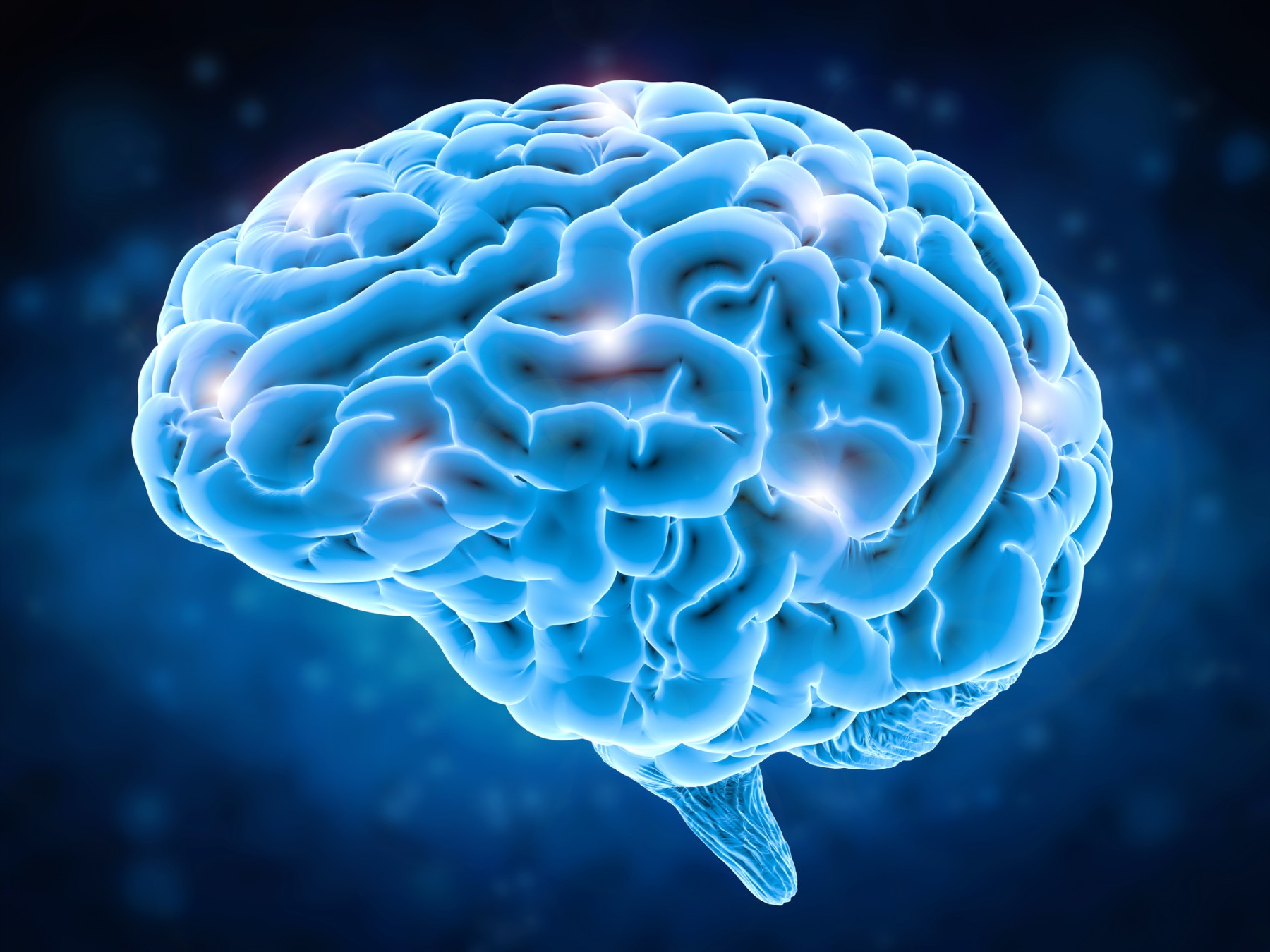
Data from more than 1,000 brain scans have revealed interesting patterns in the way large-scale systems in the brain interact with each other. Using functional magnetic resonance imaging, they performed rest scans on 120 people who had been diagnosed with bipolar disorder, schizophrenia, depression, and other conditions, 192 people with affective disorders with no psychosis,…
-
Improved Quality of Life with Magnesium

Recent research looked at the disability levels, quality of life, and anxiety and depressive symptoms in 34 children aged 7 – 17 after six months of magnesium prophylaxis for pediatric migraines. According to the researchers, “After 6 months of magnesium prophylaxis, disability due to migraine significantly decreased, whereas physical and psychosocial well-being improved.” Children also…
-
Magnesium to Hack the Brain
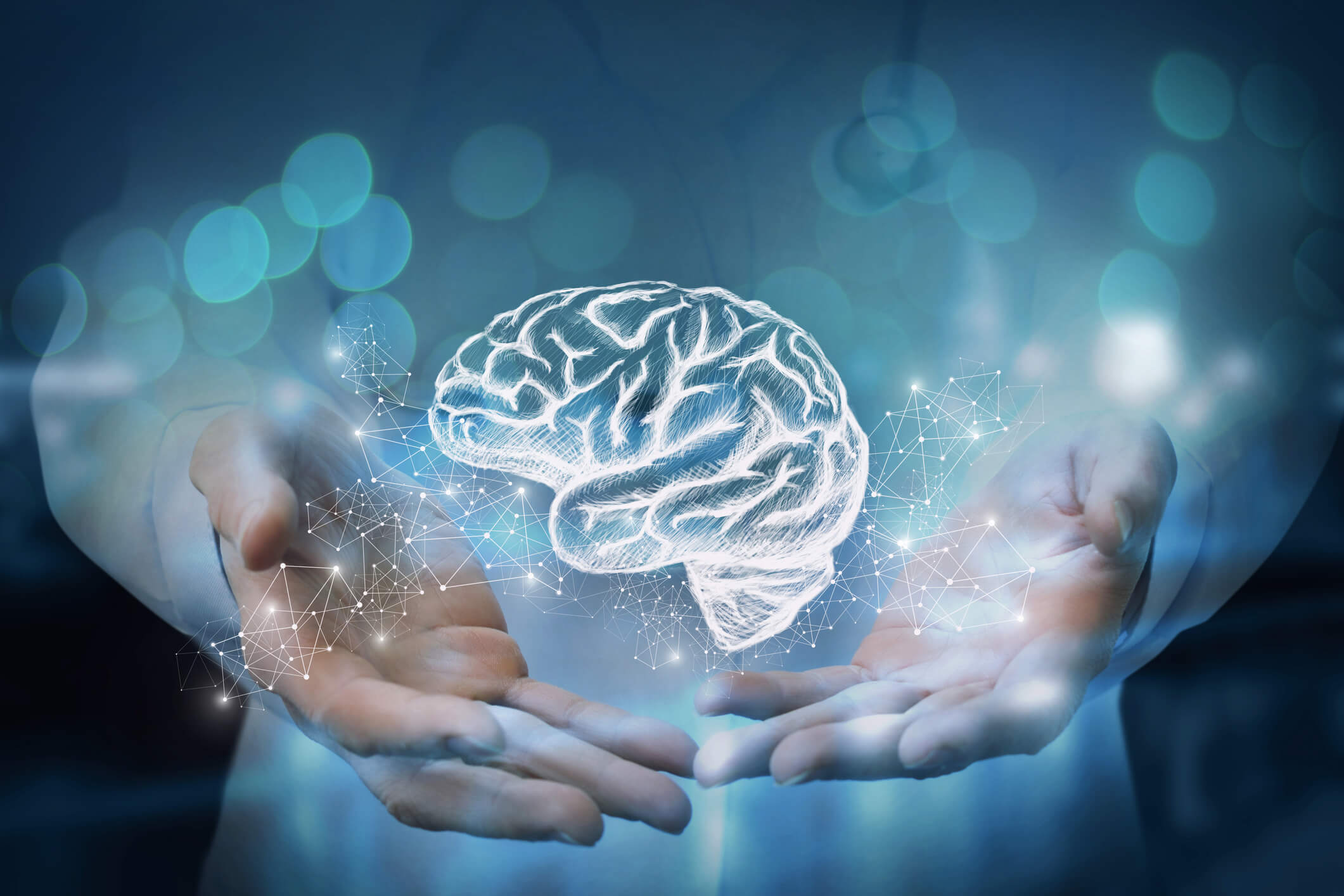
The brain’s metabolism never stops. Even during a coma, the metabolism inside the brain only slows down by 50%. As such, the brain is a very resource-hungry organism that requires a great deal of nutrition and, in turn, creates a lot of metabolic waste. The brain uses magnesium for hundreds of enzymatic reactions and deficiencies…
-
Magnesium and Vitamin D, Better Together

Oftentimes, we focus on a single nutrient and how it impacts our physiology. However, one study recently highlighted the importance of remembering the synergy between nutrients. Magnesium and vitamin D, for example, are two such nutrients who prove to be better off together than alone. In a recent review published in the Journal of the…
Shop Our Brands: