-
Polyphenols, Microbiome & Blood Pressure

Polyphenols from fruits and vegetables have a long track record of reducing cardiovascular risk, in part by improving endothelial function. In a recent analysis of a German cohort of over 900 community-based participants, dietary intake of several polyphenol classes (including flavonoids, anthocyanins, polymers, and proanthocyanidins) over the previous year was associated with a clinically significant…
-
Microbiome, Diabetes & Berberine

In October 2020, results were released from the PREMOTE (Probiotics and berberine on the efficacy and change of gut microbiota in patients with newly diagnosed type 2 diabetes) study. This multi-center, controlled trial had approximately 400 participants recently diagnosed with type 2 diabetes (drug naïve), randomized to one of 4 groups; probiotics + berberine, berberine + placebo, probiotics + placebo, or…
-
Dietary Nitrate & the Oral Microbiome

In 2018 a systematic review and meta-analysis of 23 eligible studies was published, examining the relationship between dietary inorganic nitrates and cardiovascular function, which reviewed studies whose primary outcome was blood pressure, along with secondary outcomes including endothelial function, arterial stiffness, platelet aggregation, and/or blood lipids. Nineteen of these studies used beetroot juice as the…
-
Dietary Nitrate, the Oral Microbiome and Their Combined Impact on Cardiovascular Health

In 2018 a systematic review and meta-analysis of 23 eligible studies was published, examining the relationship between dietary inorganic nitrates and cardiovascular function, which reviewed studies whose primary outcome was blood pressure, along with secondary outcomes including endothelial function, arterial stiffness, platelet aggregation, and/or blood lipids. Nineteen of these studies used beetroot juice as the…
-
An Avocado a Day Keeps the Microbiome Happy
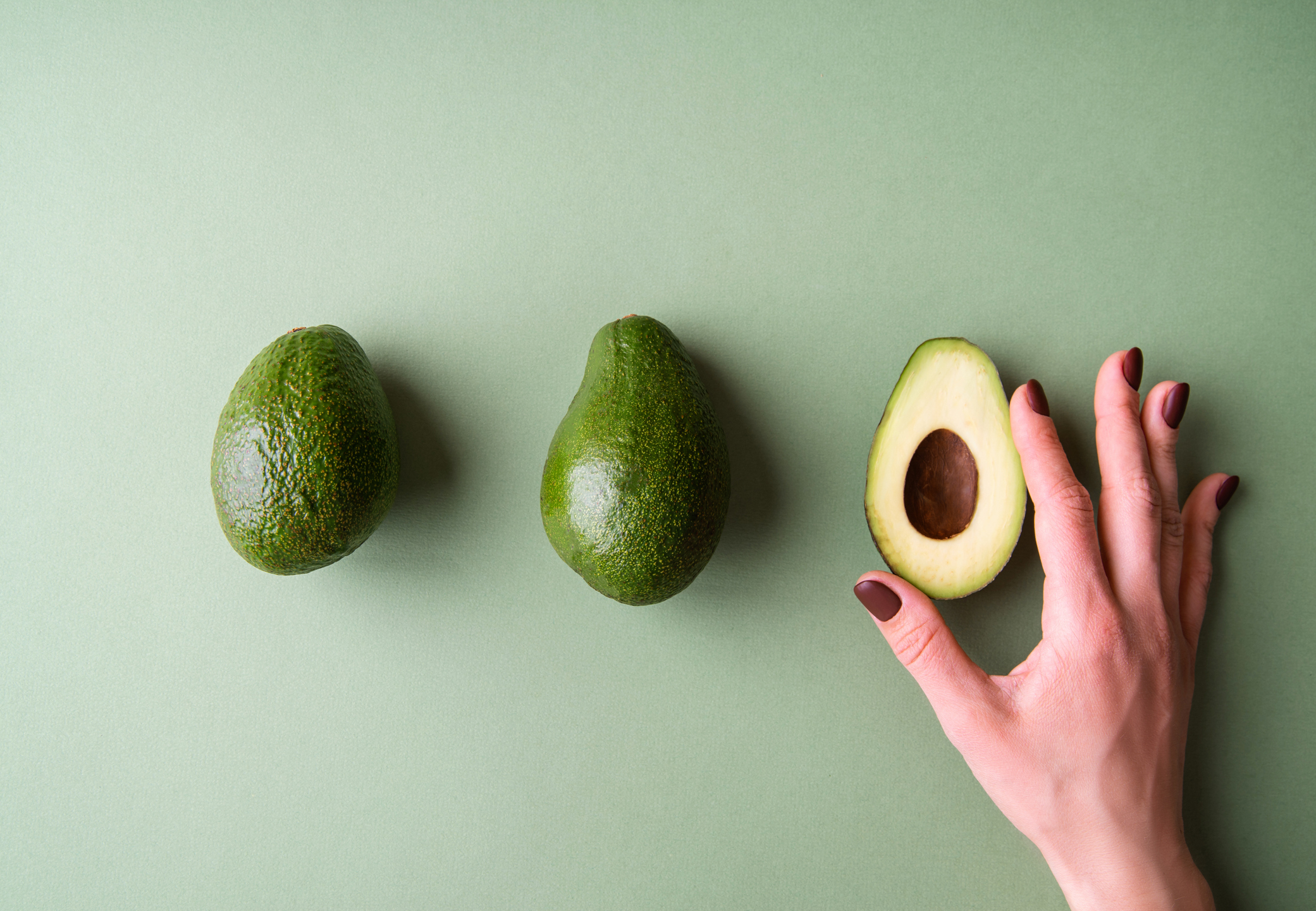
Recent research on the impact of avocados on microbes in the gastrointestinal tract of people with overweight and obesity has shown positive results.
-
Childhood Diet Affects Adult Microbiome Diversity

Researchers have recently discovered that gut microbiota diversity can decrease later in life if children are fed a western standard American diet (SAD), affecting the child long into adult life. A paper published in the Journal of Experimental Biology in February 2021 exposes the dangers of feeding children highly processed fat and sugar-rich foods. Microbiome…
-
Glyphosate Affects Bacterial Species in the Gut Microbiome

Recent research has shown that more than half of bacterial species in the core of the human gut microbiome are potentially sensitive to glyphosate.
-
More Evidence of the Importance of Microbiome Diversity
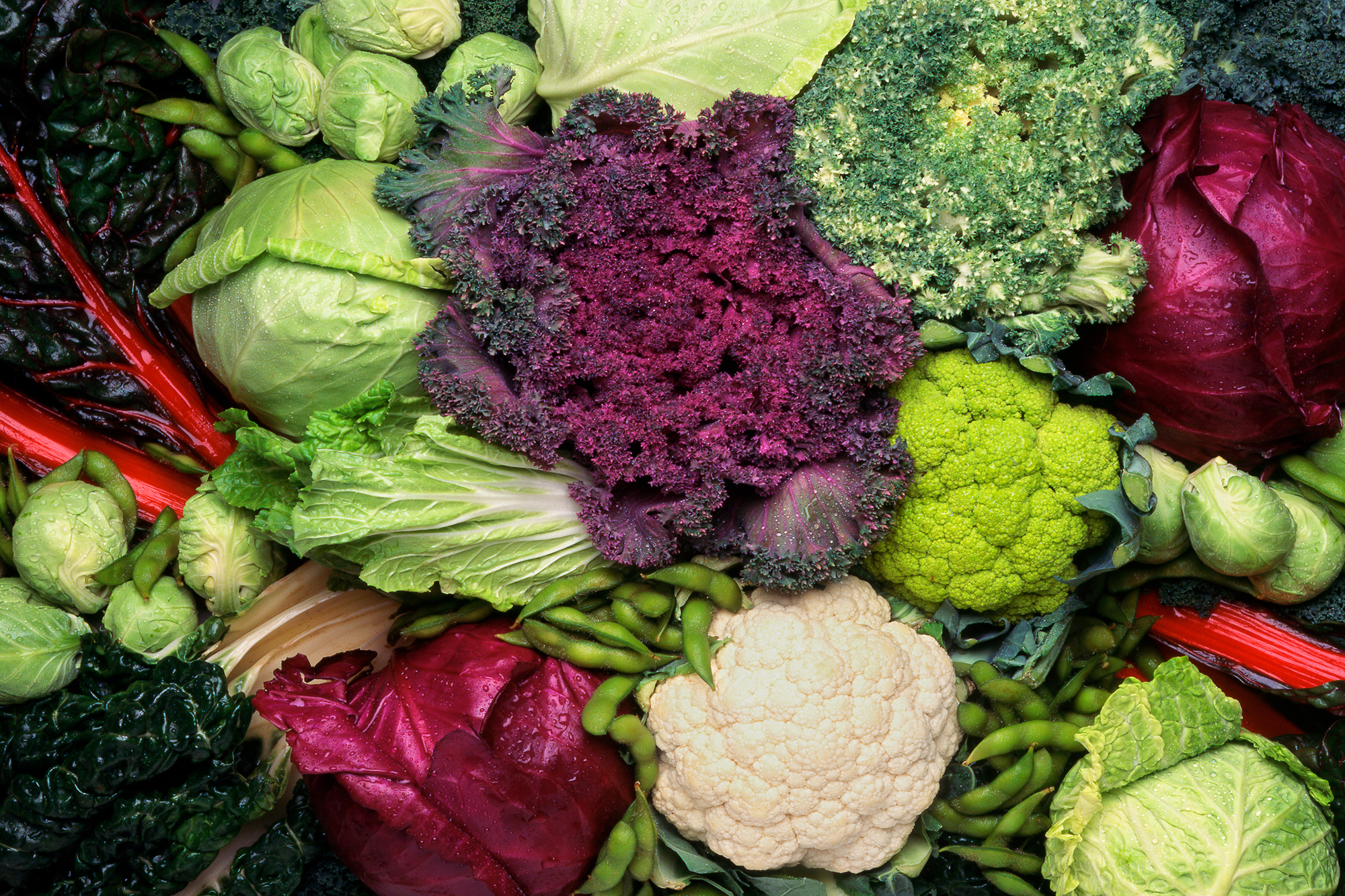
Recent research has confirmed a correlation between gut microbiome composition and the markers of health and disease across thousands of people.
-
7 Surprising Facts About Prebiotics and Probiotics

Eating a poor diet filled with processed foods, alcohol and hormones from certain meats can negatively impact the delicate balance of the gut microbiota. Stress is also another factor that can throw the balance of the gut out of whack, which can give rise to an increase in undesirable pathogenic bacteria, such as viruses, parasites…
-
New Study Shows Microbiome Influences Antibody Production
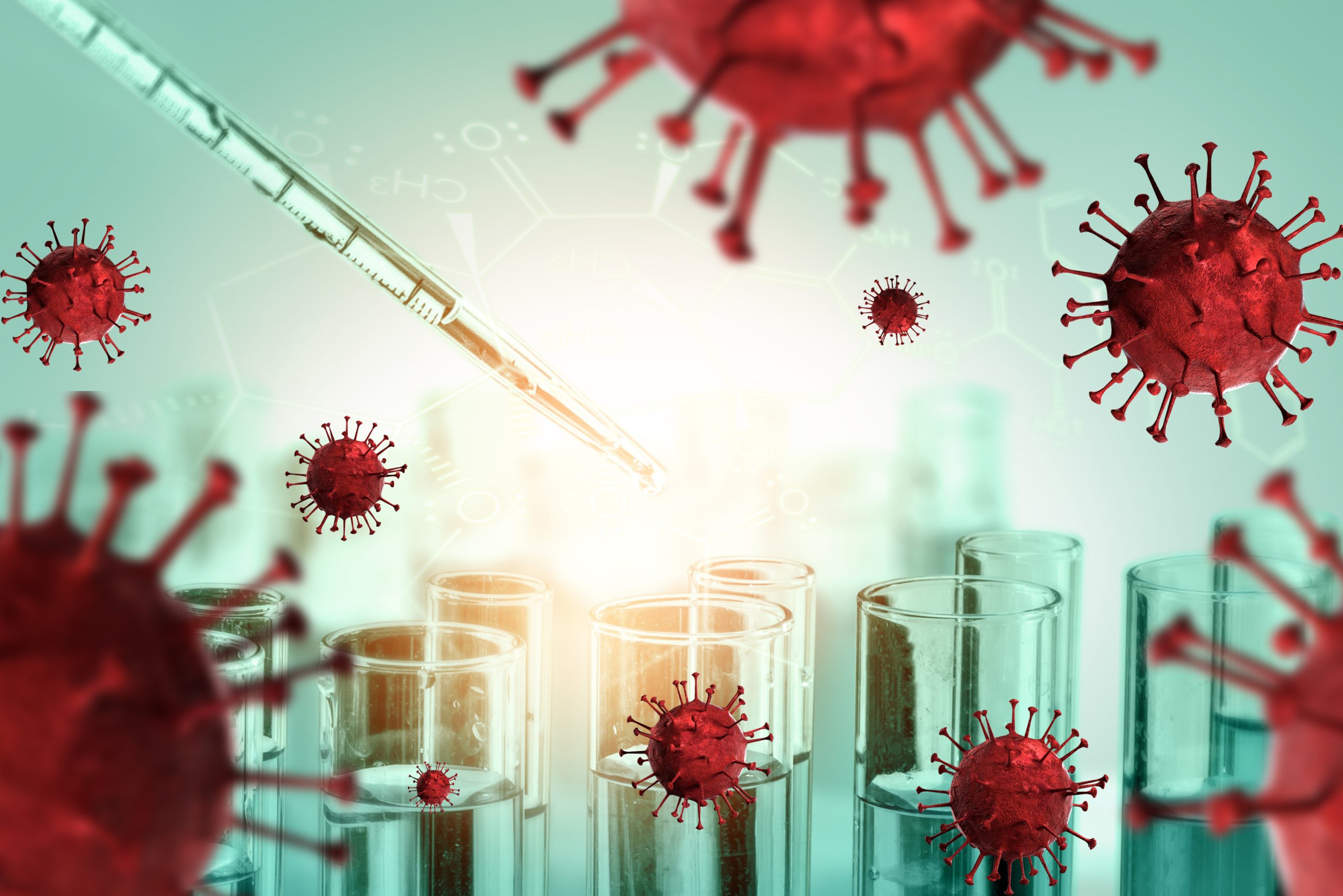
Because the microbiota is so complex, containing hundreds of different bacterial species, it was not known how the presence of microbes in the intestine shaped the antibodies that are present even before we are challenged by an infection. Researchers have now shown how beneficial microbes reprogram white blood B cells that produce antibodies and how…
Shop Our Brands: